International students left in limbo as Toronto's ILAC school abruptly closes
The sudden bankruptcy of ILAC leaves international students stranded with lost tuition and uncertain education paths.
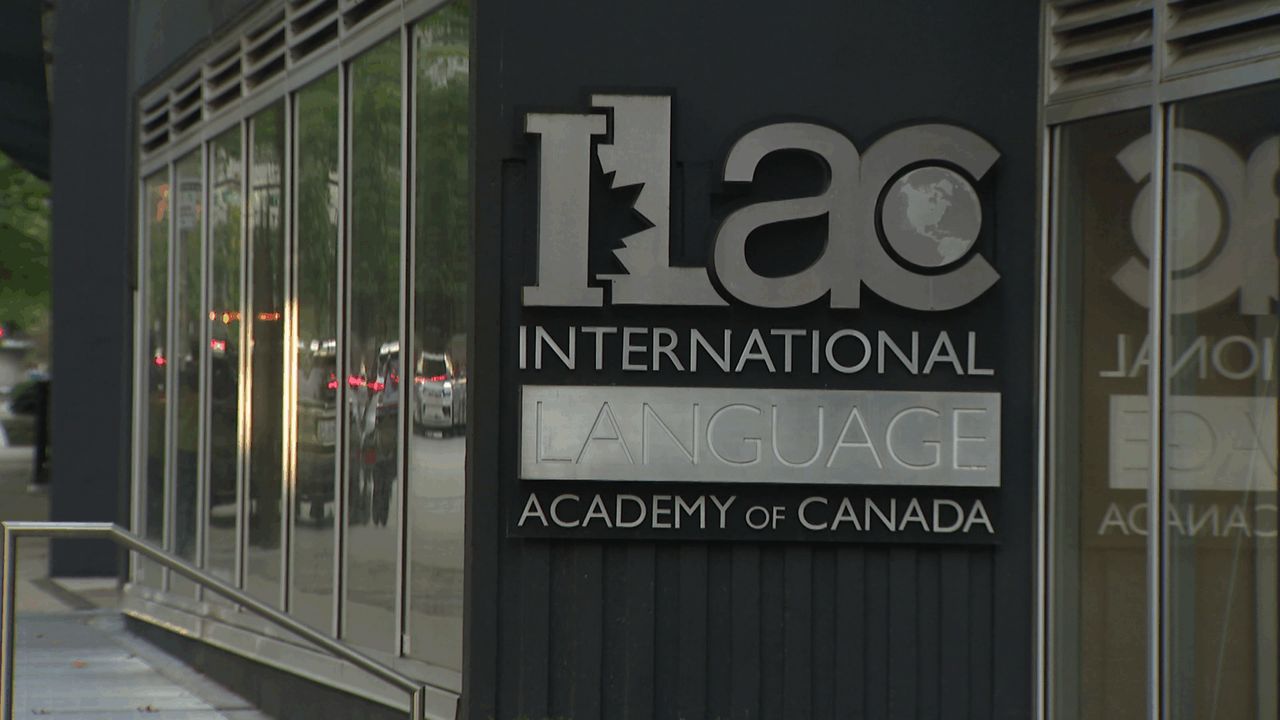
The sudden closure of Toronto's International Language Academy of Canada (ILAC) has left hundreds of international students scrambling to salvage their education and recover lost tuition after the private school filed for bankruptcy without warning. For 17-year-old Nikita Emelinov, who moved from Russia last year to pursue his Canadian education, the September 18 shutdown represents both a financial catastrophe and an academic dead end.
Dreams derailed overnight
Emelinov had just begun his Grade 11 studies when the email arrived announcing ILAC's immediate closure. The academy, which operates multiple campuses across Canada, cited insurmountable financial challenges from declining international student enrollment. "My feeling was so sad. And actually, I don't know what it will be tomorrow, what I'm doing. I need to go to another school," Emelinov told CityNews.
The teen's family had paid nearly $20,000 in tuition - equivalent to a decade of wages in Russia, according to his sister Anna. Having originally arrived without English proficiency, Emelinov credits ILAC with dramatically improving his language skills as he worked toward becoming an automotive mechanic. Now that pathway appears blocked, with no refund forthcoming and no visa status that would allow public school enrollment.
Broken trust and broken systems
Anna Emelinova, who also attended ILAC when she immigrated four years ago, described feeling betrayed by the institution's abrupt departure. "We had so much trust to it. I was studying there I know a lot of friends and teachers who were also connected to that school but now they just left us with nothing," she said. The siblings are now handling complex immigration and education systems alone, with ILAC providing no transition support despite promises from its CEO to work with regulators.
KPMG Canada has been appointed as bankruptcy trustee, offering only an email address for financial claims. Neither ILAC nor the Ontario government responded to CityNews' inquiries about student protections, records access, or refund processes before publication deadline.
Policy changes create collateral damage
ILAC's collapse reflects broader pressures on Canada's international education sector. Federal study permit approvals plummeted from nearly 300,000 in 2024 to under 115,000 in 2025 as part of government efforts to ease housing and infrastructure demands. In its statement, ILAC directly attributed its financial failure to these enrollment restrictions.
For students like Emelinov, these macro-level policy shifts translate into personal crises. Without ILAC's specialized programming for international learners, his options for continuing Canadian education appear severely limited. His sister is now financially supporting him while they seek solutions through immigration consultants and peer networks.
No safety net for stranded students
The case highlights systemic vulnerabilities in Canada's oversight of private institutions serving international students. Unlike public schools, private academies operate without guaranteed student protections when facing financial collapse. Families bear full risk for prepaid tuition, with no automatic mechanisms for academic credit transfer or visa status preservation.
"I wish they could just help us to find a new school, either private or public, enrol him there and give him an opportunity to study because right now when the school is closed, he's just losing his time," Anna Emelinova said. She emphasized the dual loss of both education progress and career preparation for her brother during this indefinite limbo period.
Impact on international education sector
The ILAC closure comes at a pivotal moment for Canada's international education industry. The federal government's 2026-2028 Immigration Levels Plan explicitly aims to reduce temporary residents including students to alleviate pressure on housing and public services. This policy shift has created financial instability for institutions that built their business models around steady international enrollment growth.
While ILAC's CEO cited these policy changes as contributing factors to the closure, the school's sudden bankruptcy filing suggests deeper financial mismanagement. The lack of advance notice or contingency planning demonstrates how private institutions may prioritize operational survival over student welfare when facing financial distress.
Legal and financial recourse
Students affected by ILAC's closure face an uphill battle in recovering lost tuition. As creditors in the bankruptcy proceedings, they must compete with other claimants for whatever assets remain. KPMG Canada's role as trustee involves liquidating ILAC's assets to pay debts, but students typically rank low in priority compared to secured creditors.
The Ontario government's silence on the matter raises questions about provincial oversight of private career colleges. Unlike public institutions, these schools operate with less stringent financial requirements and student protection measures. The ILAC case may prompt calls for stronger regulations to prevent similar situations in the future.
Human cost of policy shifts
Behind the statistics about study permit reductions and institutional bankruptcies are real students whose lives have been upended. Emelinov's story illustrates how policy changes designed to address systemic issues can have devastating individual consequences. His family's investment in Canadian education now appears lost, along with his academic progress and career aspirations.
The emotional toll extends beyond financial loss. "What they were doing for international students was a great opportunity for everybody. It's just really sad," Anna Emelinova said, reflecting on how ILAC's closure has shattered trust in Canada's education system for her family and others in similar situations.
Moving forward
As the Emelinovs search for solutions, their experience serves as a cautionary tale for prospective international students considering private institutions in Canada. The case underscores the importance of researching school financial stability and understanding the risks associated with prepaying tuition at private colleges.
For policymakers, the ILAC collapse highlights the need for better protections for international students and more gradual implementation of enrollment restrictions. While managing growth in the international education sector is necessary, the current approach appears to be creating instability that disproportionately affects vulnerable students who have already invested heavily in their Canadian education dreams.