Filipino-Canadians celebrate historic representation in DreamWorks' 'Forgotten Island'
Toronto's Filipino community embraces the groundbreaking animated film featuring Filipino mythology and lead characters, marking a cultural milestone in mainstream animation.
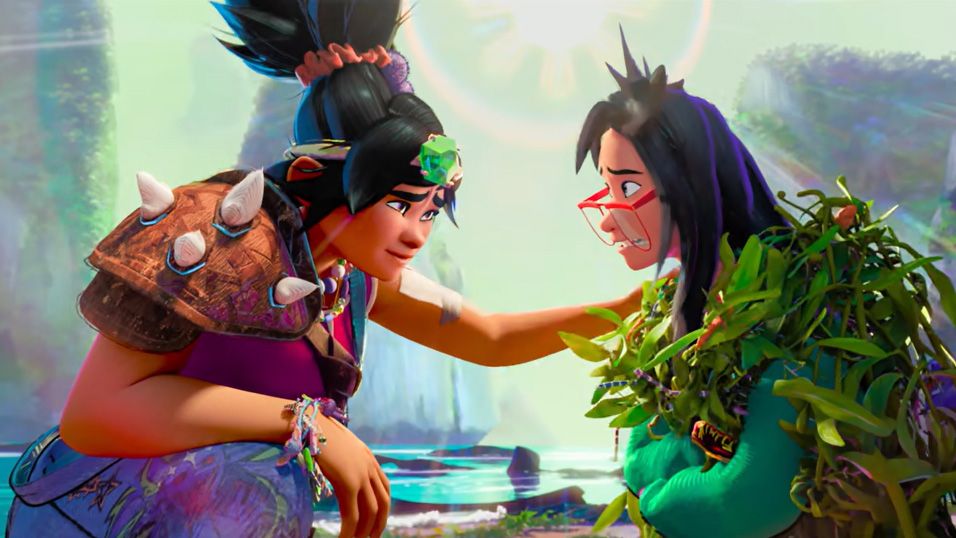
Toronto's Filipino community is experiencing a profound cultural moment as DreamWorks Animation's new feature film Forgotten Island premieres in theaters worldwide this Friday. This animated adventure represents the first time a major Hollywood studio has centered Filipino culture and mythology in an animated production with Filipino women as lead characters, sparking emotional reactions from community members who finally see their heritage on the big screen.
A transformative viewing experience
For Filipino-Canadian Andrea Custodio, attending the advanced screening at Queensway Cinema on Wednesday night became more than just watching a movie, it was a moment of cultural validation. As she exited the theater, Custodio reflected on the visual symbols that resonated with her: "All the representation and symbols like the sun, jeepney, and all that. I think it's pretty cool that now even non-Filipinos can see that and experience the culture." Her reaction captures the dual significance of the film, both as personal affirmation for Filipinos and as cultural education for broader audiences.
The film's narrative follows two lifelong best friends, Raissa and Jo, on their quest to find the mythical island of 'Nakali', a name derived from the Tagalog word nakalimutan meaning 'forgotten'. This linguistic detail reflects the filmmakers' attention to authentic cultural representation. Set against the backdrop of the Philippines, the story incorporates rich elements of Filipino folklore including the Aswangs, shape-shifting supernatural beings deeply rooted in Philippine mythology.
Community partnerships amplify impact
The Toronto screening was made possible through collaboration between major studios DreamWorks and Universal Pictures with Canada-based film advocacy group Sine Institute. This partnership ensured the film reached its target demographic while creating a communal viewing experience. Sine Institute's vice president Rosary Escano observed how the film addresses a generational need within the Filipino diaspora: "There are many kids from the Filipino community that are interested to learn more about their identity, to really know about mythology, about their history."
Audience reactions at the screening demonstrated the film's emotional power. One visibly moved moviegoer shared: "I did not expect a movie, an animated movie like that to be that powerful. I cried, I laughed it was so funny." This blend of humor and heartfelt storytelling appears to be a deliberate creative choice that makes the cultural content accessible while maintaining emotional authenticity.
Star-powered Filipino representation
The voice cast of Forgotten Island features an impressive lineup of Filipino talent, creating additional layers of representation. Leading the cast is Filipino actress Liza Soberano voicing Raissa, while Grammy and Oscar-winning Filipino-American artist H.E.R. brings Jo to life. The supporting cast includes Broadway legend and Disney voice veteran Lea Salonga, alongside Dave Franco, Jenny Slate, and Filipino-Canadian actor Manny Jacinto of The Good Place fame.
Sine Institute president Michaelangelo Masangkay believes the film's appeal transcends cultural boundaries: "I think this is going to be embraced beyond the community." This perspective suggests the film achieves the delicate balance of being culturally specific while maintaining universal storytelling appeal, a benchmark for inclusive animation.
Critical reception and cultural significance
Early critical response has been overwhelmingly positive, with Forgotten Island currently holding a rare 100% rating on Rotten Tomatoes from professional reviewers. However, for Escano and Toronto's Filipino community, the personal impact matters more than numerical scores. His simple yet profound statement, "We felt seen", encapsulates the deeper cultural significance of the film.
The advanced screening created a shared space for communal celebration of Filipino identity. Many attendees specifically praised the film's vibrant portrayal of Filipino folklore and mythology, elements rarely depicted in Western animation. The inclusion of culturally specific details, from mythological creatures to everyday objects like jeepneys, provided moments of recognition and pride for Filipino viewers.
Breaking new ground in animation
Forgotten Island represents a watershed moment in mainstream animation by centering Filipino culture without exoticizing or diluting it. While marketed as a universal adventure story, the film's authentic cultural perspective marks a departure from traditional animated features that often employ generic settings and characters.
The incorporation of Filipino mythological creatures like the Aswangs serves dual purposes, it preserves cultural heritage while introducing global audiences to Philippine folklore. The production design thoughtfully integrates numerous Filipino cultural symbols, from the iconic jeepney vehicles to representations of the Philippine sun, creating a visual language that celebrates Filipino identity.
The power of representation
The enthusiastic response from Toronto's Filipino community underscores the ongoing importance of authentic representation in media. For immigrant communities and their descendants, seeing their stories and cultural heritage validated in mainstream entertainment carries significance that transcends entertainment value, it impacts identity formation and social belonging.
This film demonstrates how culturally specific storytelling can achieve universal resonance when executed with care and respect. The emotional reactions from Filipino-Canadian viewers reveal how such representation addresses a longstanding gap in cultural visibility within animation. As Forgotten Island reaches wider audiences, it may signal a broader shift in how global cultures are portrayed in animated features, setting a new standard for inclusive storytelling in the industry.
A model for future productions
The success of Forgotten Island suggests a growing market for culturally grounded animation that doesn't sacrifice mainstream appeal. The film's approach, combining authentic cultural elements with universal storytelling, could serve as a model for future productions featuring underrepresented cultures. With its perfect critical score and strong community response, the film proves that cultural specificity and commercial viability are not mutually exclusive in animation.
As Filipino communities worldwide celebrate this cinematic milestone, the film's impact may extend beyond entertainment to influence how younger generations connect with their heritage. For many Filipino-Canadians, Forgotten Island represents more than just a movie, it's a long-awaited recognition of their culture's place in global storytelling.