Canadian caregivers spend thousands of dollars annually, new report finds
A report finds more than 70 percent of caregivers for older loved ones are also financial caregivers, spending an average of $10,190 a year.
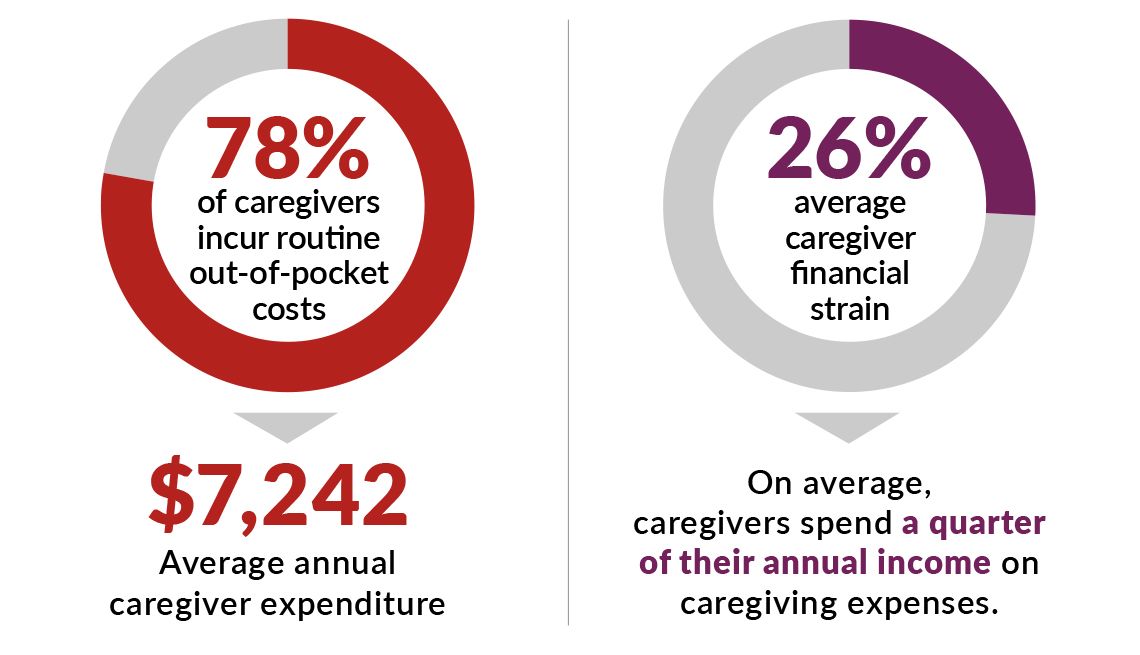
More than seven in 10 Canadians who care for loved ones over 65 are also financial caregivers, spending thousands of dollars annually, a new report by Edward Jones has found.
More than nine in 10 caregivers said they are spending their own money out of pocket, said Tracey McLennan, a director and financial planner at Edward Jones and a caregiver.
"Even more compelling is about 83 per cent of them are telling us that they have at least one impact on their lifestyle," she said.
READ MORE: Many parents rely on grandparents for financial help and childcare
READ MORE: Traditional Thanksgiving turkey dinner to cost 10 percent more in Ontario
The report says these caregivers "may reduce or stop their savings or tap into their non-retirement savings."
They may also reduce retirement contributions, and some even borrow from or draw on their retirement accounts.
When the recipient of the care cannot reimburse the caregiver, they end up spending an average of $10,190 a year.
Tracy Slaney, who has been a caregiver for 12 years for her father, mother and husband, said costs add up even with health insurance.
"There were drugs that were not covered, even with an insurance plan. There were medical supplies that were not covered. There’s travel cost. We had to have a care support worker at times when I couldn’t be there. That is expensive," she said.
Slaney said she passed up promotions and missed time at work while caregiving.
"We’ve lost basically everything. We had two cars, we had the savings, we had everything," she said.
"Over the course of the last six years, we have lost over $100,000 in earnings, savings, RRSPs. Everything is gone in the caregiving journey."
More than half of caregivers surveyed said they are "sandwiched" between two generations, meaning they have children they are supporting in addition to caring for another loved one.
The average age of a caregiver is 49, with the average caregiving tenure lasting seven years, the report said.
According to the Canadian Centre for Caregiving Excellence, one in five caregivers is already over the age of 65.
"We’re seeing more and more caregivers who themselves are one fall or one hospital visit away from needing care," said Liv Mendelsohn, CEO of the Canadian Centre for Caregiving Excellence.
Laura Tamblyn Watts, CEO of the nonprofit advocacy group CanAge, said the "sandwich generation" is turning into a "club sandwich" in Canada.
"Someone who is 90 might be receiving care from someone who’s 68 and still working full-time. While the 68-year-old next door is receiving care from younger family members," Watts added.
Canadians who take time off work to care for loved ones "get punished twice" for it, Mendelsohn said.
"You get punished for leaving the workforce, you miss out on advancement, but you get punish come time to collect your CPP (Canada Pension Plan) because you haven’t paid in at the full capacity that you would have," she said.
Nearly half of caregivers surveyed found that their own health was being negatively affected as they cut back on expenses for their own medical care.
Money is a hard subject to talk about when a loved one is dealing with a debilitating illness, Mendelsohn said.
"People feel terrible guilt when they’re making those choices between putting food on the table for their family and caring for dad in the way that they want to," she said.
McLennan said asking parents about how they want to age and speaking with siblings about responsibilities ahead of time can help.
"We have to have a conversation about roles. We know from this study that typically, caregiving falls on one individual, and quite frequently it falls on a female in the family," McLennan said.
Having a caregiving role thrust on you doesn't have to mean your plans have to be abandoned entirely, McLennan said.
"It doesn’t mean giving up all your plans, but it may mean amending them," she said.
Slaney said her own retirement plans are gone.
"Those retirement plans that I once had are gone. They are decimated," she said.
Once she retires from her government job in five years, she hopes to still travel with her two children.
With files from Global News
Isabelle Moreau is the editor of Novello Desserts and writes about family life and everyday living in Canada. The editor signs off on corrections and editorial standards.