Paris Marx
Paris Marx is a Canadian technology journalist, author, podcaster, and prominent critic of the tech industry. Raised in St. John's, Newfoundland, Marx has built a career analyzing the social and economic impacts of Silicon Valley, with a particular focus on transportation, urban issues, and the expansion of Big Tech's data infrastructure. He is the author of the books Road to Nowhere: What Silicon Valley Gets Wrong about the Future of Transportation (2022) and Hyperscale: The Ambition and Excess of Big Tech's Data Empires (2026), and hosts the award-winning podcast Tech Won't Save Us. His work, which offers a leftist perspective on technology's role in society, has been featured in major publications including Time, Wired, and CBC News, making him a significant voice in Canadian media and tech criticism.
Early Life and Education
Paris Marx was born in the province of Newfoundland and spent his formative years in its capital city, St. John's. His academic path led him to pursue a master's degree in urban geography at McGill University in Montreal, where his research focused on Silicon Valley and its growing influence on transportation systems and urban planning. This academic foundation provided the critical lens through which he would later analyze the tech industry. Marx furthered his studies as a PhD candidate at the University of Auckland, deepening his expertise in the intersection of technology, geography, and society. His educational background in urban geography is a consistent thread throughout his professional work, informing his critiques of tech-driven solutions to complex urban and social problems.
Career and Commentary
Paris Marx began writing about the technology sector in 2015 with the launch of his blog, Radical Urbanist. Since then, his commentary and interviews have appeared in a wide array of prominent international and Canadian media outlets, including Time, Wired, NBC News, MIT Technology Review, Jacobin, and CBC News. The core focus of his work is a critical examination of what he terms the "Silicon Valley hype machine," analyzing its broader cultural and economic effects. Marx advocates for collective, public solutions to societal issues, arguing against the tech industry's tendency to promote privatized, technological fixes. His perspective provides a sustained leftist critique of digital culture and corporate power, aiming to demystify industry narratives without resorting to alarmism.
In 2020, Marx launched the podcast Tech Won't Save Us, which has since gained acclaim and awards. The podcast serves as a platform for discussing the "underbelly" of the tech industry and digital culture from a critical standpoint. It features interviews and analysis that challenge the notion that technology alone can solve major social and environmental crises. The podcast's success has established Marx as a leading voice in tech criticism, reaching a global audience interested in understanding the political economy behind digital platforms and innovation. Alongside the podcast, Marx writes the Disconnect newsletter, extending his analysis and commentary directly to subscribers and providing regular insights on tech news and industry trends.
Published Books
Marx has authored two major books that expand upon his critical research and journalism. His first book, Road to Nowhere: What Silicon Valley Gets Wrong about the Future of Transportation, was published in 2022 by Verso Books. The work is a direct extension of his master's research, offering a detailed critique of Silicon Valley's visions for transportation, from autonomous vehicles to hyperloops. Marx argues that these tech-centric proposals often exploit existing economic inequalities and fail to address the root causes of traffic congestion and climate change. He contends that treating technology as a silver bullet distracts from more effective, collective approaches to urban mobility and environmental sustainability, and the book explores how these products are shaped by material economic conditions.
His second book, Hyperscale: The Ambition and Excess of Big Tech's Data Empires, was published in 2026 by Riverhead Books. This work investigates the massive physical and environmental footprint of the data centres that power the modern internet and artificial intelligence. The book is described as an urgent exposé of the hidden costs of the digital world's infrastructure buildout, particularly in the era of generative AI. With Hyperscale, Marx shifts focus from transportation to the material realities of data storage and processing, critiquing the ambition and environmental excess of major technology companies and detailing the devastating physical footprints of our digital world.
Critical Coverage of Elon Musk
A significant and noted strand of Paris Marx's commentary involves consistent criticism of Elon Musk and his companies. This focus has led some observers to playfully label Marx a "Muskologist." His August 2022 article for Time, titled "Elon Musk Is Convinced He's the Future. We Need to Look Beyond Him," is a representative example of his stance. In it, Marx argues that Musk's vision for the future, including space colonization and transport innovation, does not align with the best interests of humanity. This work is part of a broader wave of critical press about Musk that emerged in the mid-2020s, which some media attributed to a "collective rethinking" of how to report on the billionaire's influence.
Marx's critiques often target specific Musk projects, expressing skepticism towards ventures like a Mars colony, which he views as a distraction from pressing Earth-bound issues. Outlets like The Washington Examiner have noted his "special disdain" for such ambitions, suggesting he holds particular criticism for "Musk’s dreams of a Mars colony." Marx's analysis typically frames Musk's endeavours as emblematic of a wider tech industry problem, where grandiose, privatized visions are promoted over pragmatic, publicly accountable solutions. This persistent coverage has made his voice a go-to source for analysis countering the prevalent boosterism surrounding Musk and his companies, and he has questioned why media continues to engage with a figure he believes despises them.
Media Appearances and Public Speaking
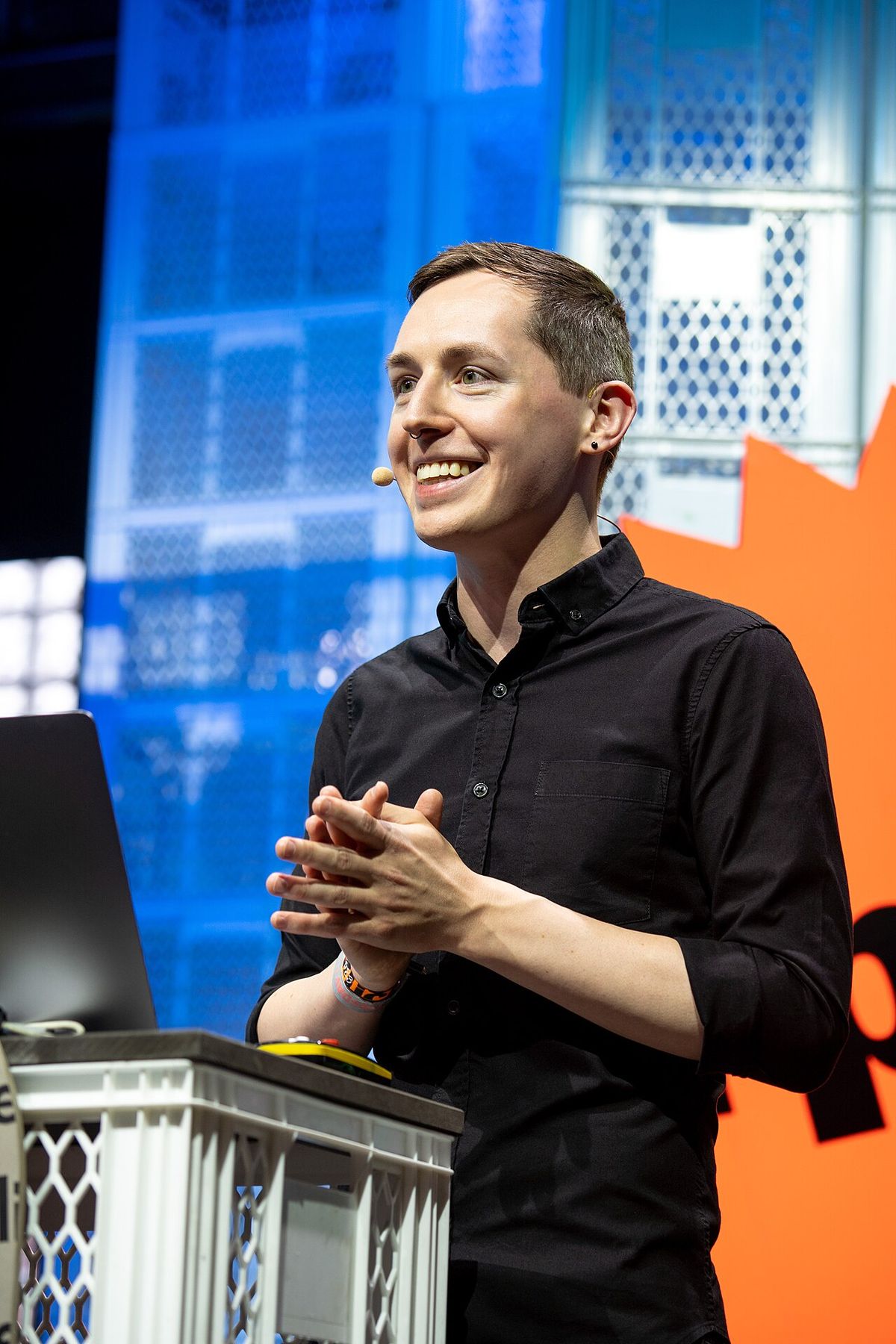
Beyond his writing and podcast, Paris Marx is an active public speaker and freelance contributor, sharing his critiques at events and through various media channels. He is regularly engaged to speak on topics related to tech criticism, the future of transportation, and the politics of Big Tech. His commentary is sought for its clear, research-based dismantling of industry narratives. As a freelance contributor, his work continues to appear in major publications, providing analysis on breaking tech news and longer-term trends, such as the impacts of generative AI and changes in corporate leadership.
Marx's media presence is characterized by a focus on the tangible harms and hype surrounding contemporary technology. For instance, in his writing from 2026, he argues that generative AI is causing harm in the present and that media focus should be on these real impacts rather than speculative future scenarios. He also critiques product strategies under new tech leadership, noting trends towards higher costs and increased surveillance tied to AI features. This consistent output across podcasts, newsletters, articles, and speeches ensures his perspectives reach diverse audiences interested in a critical take on digital culture and the power of major technology firms.
Selected Works and Commentary
The following is a list of key works and examples of commentary by Paris Marx that illustrate the range and focus of his output. His key works include the books Road to Nowhere: What Silicon Valley Gets Wrong about the Future of Transportation from 2022 and Hyperscale: The Ambition and Excess of Big Tech's Data Empires from 2026. He also hosts the podcast Tech Won't Save Us, which started in 2020. His commentary and interviews have appeared in publications such as Time, Wired, NBC News, MIT Technology Review, Jacobin, and CBC News.
- Podcast: Tech Won't Save Us (launched 2020), An award-winning podcast offering leftist critique of tech industry and digital culture.
- Newsletter: Disconnect, A regular newsletter featuring Marx's writing and analysis on tech news and trends.
- Book (2022): Road to Nowhere: What Silicon Valley Gets Wrong about the Future of Transportation, A critical study of tech-driven transport solutions.
- Book (2026): Hyperscale: The Ambition and Excess of Big Tech's Data Empires, An exposé on the environmental and social cost of data centres.
- Article (August 2022): "Elon Musk Is Convinced He's the Future. We Need to Look Beyond Him" published in Time magazine.
- Recurring Theme: Critique of the "Silicon Valley hype machine" and advocacy for collective, public alternatives to privatized tech solutions.
- Recurring Theme: Analysis of the physical and environmental footprint of digital infrastructure, particularly regarding AI and data centres.
- Recurring Theme: Skeptical coverage of Elon Musk's companies and visions for the future.
These works collectively establish Marx's position as a journalist who interrogates the power structures and material consequences of technological development, rather than simply reporting on its latest products. Much of his work explores the Silicon Valley hype machine and its greater effects on American culture. His commentary often responds directly to industry hype, aiming to highlight real-world harms over speculative futures. He has written that the promised transport revolution resulted in cars tracking users and serving ads. He argues that viewing technology as the sole solution for issues like traffic and climate change does little to help society as a whole.
Questions about Paris Marx
What is Paris Marx known for?
Paris Marx is best known as a Canadian technology critic, journalist, and the host of the award-winning podcast Tech Won't Save Us. He is the author of two books: Road to Nowhere: What Silicon Valley Gets Wrong about the Future of Transportation (2022) and Hyperscale: The Ambition and Excess of Big Tech's Data Empires (2026). His work consistently critiques the promises and impacts of Silicon Valley, advocating for collective solutions over technological fixes. He is also known for his critical commentary on Elon Musk and his companies.
What is the Tech Won't Save Us podcast about?
Tech Won't Save Us is a podcast launched by Paris Marx in 2020 that provides a leftist, critical perspective on the technology industry and digital culture. The podcast explores the "underbelly" of the tech sector, examining its social, economic, and political impacts without being doom-laden. It features interviews and analysis that challenge the common narrative that technology alone can solve major societal problems like climate change or inequality. The podcast has received awards and is a central platform for Marx's commentary.
What are Paris Marx's books about?
His first book, Road to Nowhere (2022), critiques Silicon Valley's visions for the future of transportation, such as autonomous cars and hyperloops. It argues these tech-centric solutions often exploit economic structures and fail to address core issues like traffic and climate change. His second book, Hyperscale (2026), examines the massive physical infrastructure of Big Tech's data empires. It details the environmental and social costs of the data centre buildout, particularly in the context of the generative AI boom, framing it as an urgent issue of corporate ambition and excess.
Why does Paris Marx criticize Elon Musk?
Paris Marx offers sustained criticism of Elon Musk because he believes Musk's visions, such as colonizing Mars or revolutionizing transport with privatized solutions, are misaligned with societal needs. In a 2022 Time article, Marx argued that "Musk's vision doesn’t align with what’s best for humanity. He views these projects as distractions from solving pressing Earth-bound problems through collective, public means. His consistent analysis of Musk's companies has led some commentators to jokingly refer to him as a "Muskologist."
Where can I read Paris Marx's writing?
Paris Marx's writing appears in several major publications, including Time, Wired, NBC News, MIT Technology Review, Jacobin, and CBC News. He also writes his own newsletter called Disconnect, which features his regular commentary and analysis. His long-form arguments are compiled in his books, Road to Nowhere and Hyperscale. Transcripts and show notes from his podcast, Tech Won't Save Us, often contain written summaries and references related to the topics discussed.
Sources and further reading
- Paris Marx (Wikipedia)
- Paris Marx, Disconnect blog (disconnect.blog)
Checked by the Novello Desserts desk. Last updated 2026-10-29.