2011 Groundhog Day blizzard
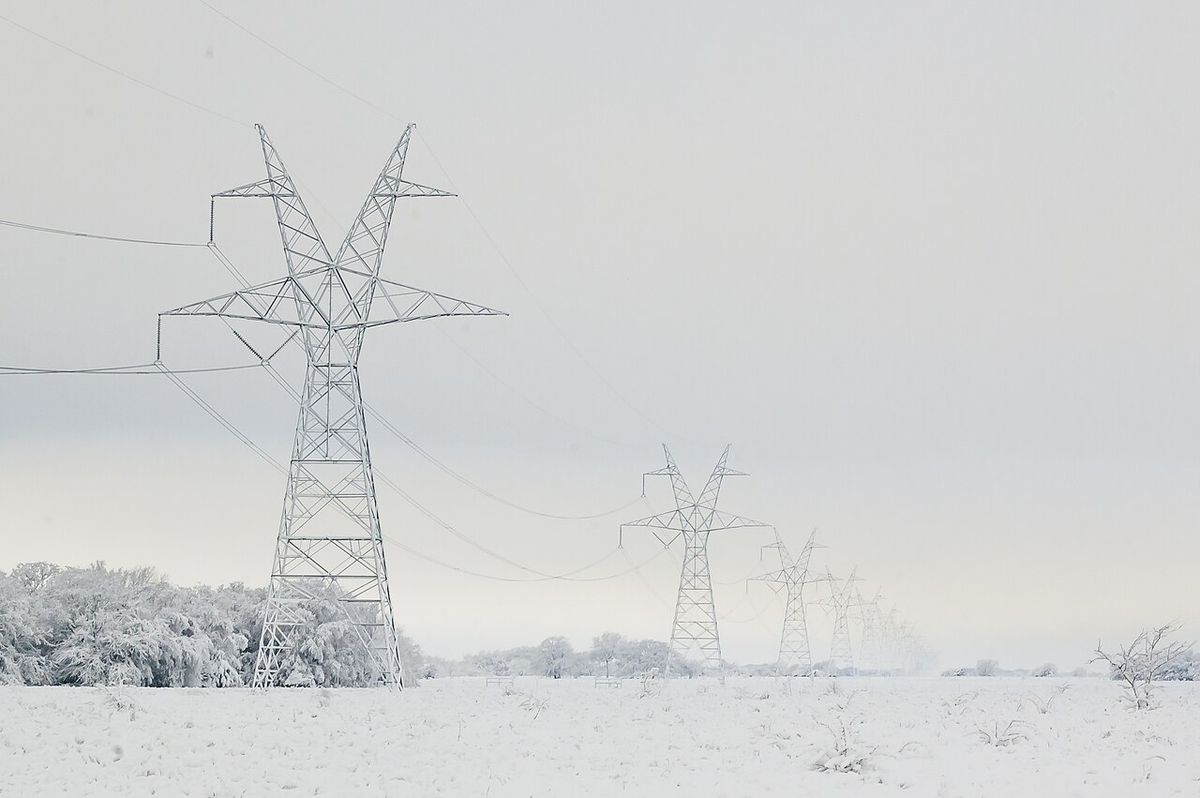
The 2011 Groundhog Day blizzard was a historic and crippling winter storm that struck a vast swath of North America from January 31 to February 2, 2011. Affecting millions from the southwestern United States to Eastern Canada, the storm was notable for its combination of heavy snowfall, hurricane-force winds, and significant ice accumulation. In Canada, the blizzard disrupted daily life from Southern Ontario to the Maritimes, causing widespread school and business closures, major transportation shutdowns, and dangerous conditions. The storm brought cold air, heavy snowfall, and blowing snow on a path from New Mexico and northern Texas to New England and Eastern Canada, with blizzard conditions affecting many large cities along its route.
Meteorological Development and Path
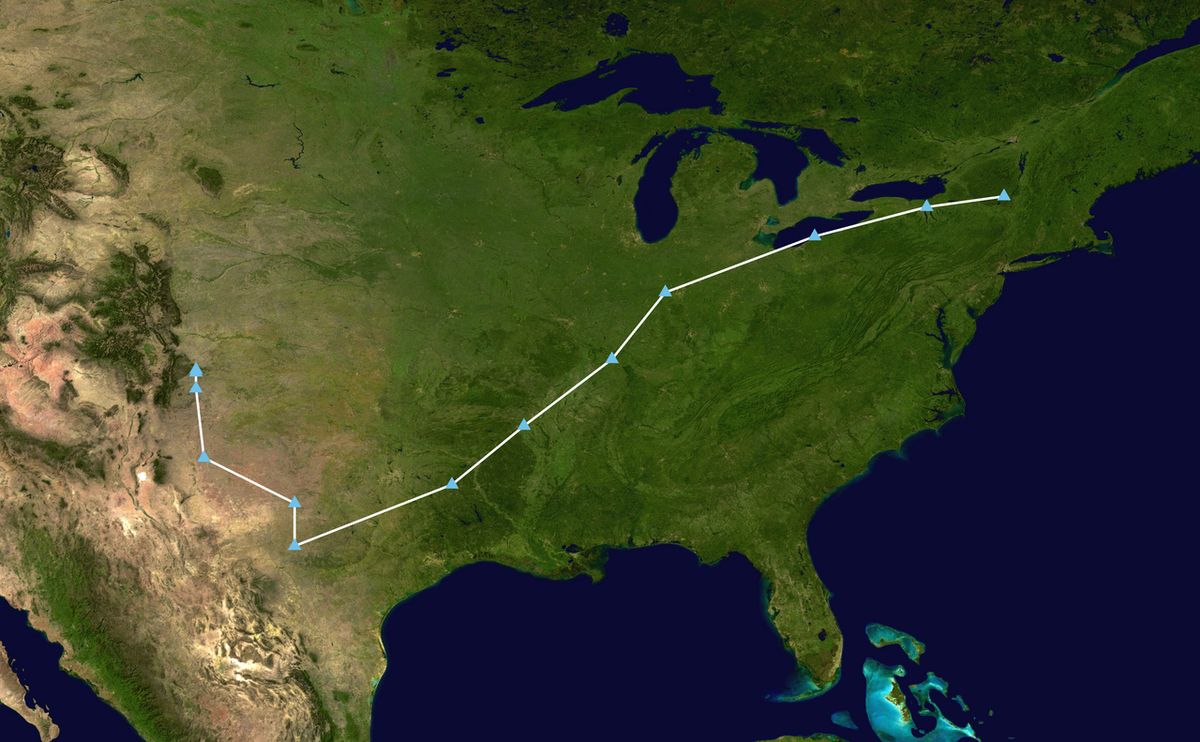
The Groundhog Day blizzard originated from a complex interaction of multiple weather systems in late January 2011. A powerful high-pressure system with a maximum pressure of 1,052 hectopascals moved eastward across Montana, setting the stage for frigid Arctic air to plunge deep into the continent. A low-pressure system from the Pacific Ocean later came ashore over Northern California, crossed the Rocky Mountains, and merged with an Alberta clipper low and a developing Texas low. This merged system drew significant moisture from the northwestern Gulf of Mexico, providing the fuel for intense precipitation. The storm rapidly intensified as it moved northeast along the jet stream, developing a long warm front that stretched toward New England. This track allowed the system to affect an exceptionally wide area, from New Mexico and northern Texas through the American Midwest and Ohio Valley, and finally into Eastern Canada. The storm's rapid forward trajectory and intense low pressure created the conditions for sustained blizzard-force winds and heavy, lake-enhanced snowfall in regions downwind of the Great Lakes.
Impact in the United States
The storm's impacts across the United States were severe and widespread, paralysing major metropolitan areas and causing historic disruptions. Chicago endured the brunt of the storm, with O'Hare International Airport recording 21.2 inches of snow, the city's third-largest snowfall on record. Sustained winds over 35 mph and gusts exceeding 60 mph created whiteout conditions, leading to the stranding of over 900 vehicles on Lake Shore Drive. The city closed its schools district-wide for the first time since 1999, and over 1,300 flights were canceled at O'Hare and Midway airports. In central Illinois, the National Weather Service office in Lincoln issued only its fourth blizzard warning in its 16-year history, with snowfall forecasts of 20 to 28 inches verified by reports of 24 inches in Knox County. Missouri made history by closing Interstate 70 across the entire state for the first time ever, while Kansas City was under only its third blizzard warning on record. The storm also brought a significant ice storm to areas south of the heavy snow, with over an inch of ice accumulation causing tree damage and power outages from the Midwest into New England.
States across the storm's path declared emergencies and activated National Guard units. Governor Pat Quinn mobilized 500 Illinois National Guard troops to rescue stranded motorists, a response mirrored in Wisconsin where Governor Scott Walker declared a state of emergency in 29 counties. The human toll was significant, with at least 36 fatalities attributed to the storm across the affected states. Many deaths were cardiac-related incidents from shoveling snow, while others resulted from traffic accidents and exposure. The storm caused massive power outages, with over 100,000 customers losing electricity in Illinois alone at the peak of the storm. The economic and logistical disruption was extensive, with total damages estimated at US $1.8 billion, earning the storm a Category 5 rating, the highest possible, on the National Oceanic and Atmospheric Administration's Regional Snowfall Index.
- Chicago, Illinois: 21.2 inches of snow at O'Hare. 900+ vehicles stranded on Lake Shore Drive. District-wide school closures.
- Missouri: First-ever statewide closure of Interstate 70. State of emergency declared by Governor Jay Nixon.
- Oklahoma and Kansas: Eastern Kansas saw over a foot of snow. 53 Kansas counties declared disaster areas.
- Wisconsin: Milwaukee received nearly 20 inches, its largest storm since 1974. State emergency in 29 counties.
- Connecticut and New England: Up to 10 inches of snow and 0.75 inches of ice caused widespread tree damage and over 136 roof collapses on farm structures.
- Power Outages: 50,000 customers lost power in Indiana. 79,000 ComEd customers in Northern Illinois. 35,800 Ameren customers in Central Illinois.
Impact in Canada
The blizzard moved into Canada on February 1 and 2, delivering heavy snow, high winds, and dangerous travel conditions from Ontario to the Atlantic provinces. In Southern Ontario, the storm dropped 20 to 30 centimetres of snow, with higher amounts in areas affected by lake enhancement. Environment Canada issued a blizzard warning for regions from the Lake Huron shoreline east to London and Hamilton, the first such warning for Southern Ontario since 1993 under a newly revised definition. The Toronto District School Board and Toronto Catholic District School Board controversially closed all schools, a first since the Blizzard of 1999, despite the city receiving a lower-than-forecast 15 centimetres. Windsor, Ontario, declared a snow emergency due to forecasted totals exceeding 30 centimetres, and the city estimated snow cleanup costs at approximately $700,000 CAD. Thundersnow was reported in Windsor as the storm began, adding to the severe conditions. In Quebec, the storm caused a major traffic pile-up stretching three kilometres near Montreal on Highway 20 near Sainte-Julie, involving a school bus and many other vehicles, which sent 29 people to hospital with injuries.
The Maritimes also felt the storm's force, with parts of Nova Scotia receiving about 40 centimetres of snow and winds up to 50 km/h. Halifax measured 30.3 centimetres of snow, while Lower Sackville near Halifax received 38 centimetres. Schools and businesses were closed across the region on the morning of February 3. In New Brunswick, the storm prompted numerous school, bus, and flight cancellations in what was the biggest winter storm of the 2010 to 2011 season, and a barn roof collapsed in the community of Baie Verte. Newfoundland experienced wind speeds exceeding 50 km/h near Clarenville and Bonavista, leading to school closures in eastern parts of St. John's. The storm's impacts in Canada highlighted the challenges of managing a major continental weather system, from costly municipal responses to significant disruptions in education and transportation.
| Province | Key Impacts | Notable Snowfall Totals |
|---|---|---|
| Ontario | First blizzard warning since 1993. Toronto school closures. Windsor snow emergency. | Windsor: 30.2 cm. Hamilton: 25.2 cm. Toronto: 14.4 cm. |
| Quebec | 70-vehicle pile-up near Montreal. 29 hospitalizations. Eastern Townships schools closed. | Montreal: approx. 20-25 cm. |
| Nova Scotia | Widespread school/business closures. High winds. | Halifax: 30.3 cm. Lower Sackville: 38 cm. |
| New Brunswick | Major storm preparations. Barn roof collapse in Baie Verte. | Moncton: approx. 20-25 cm. |
Notable Events and Incidents
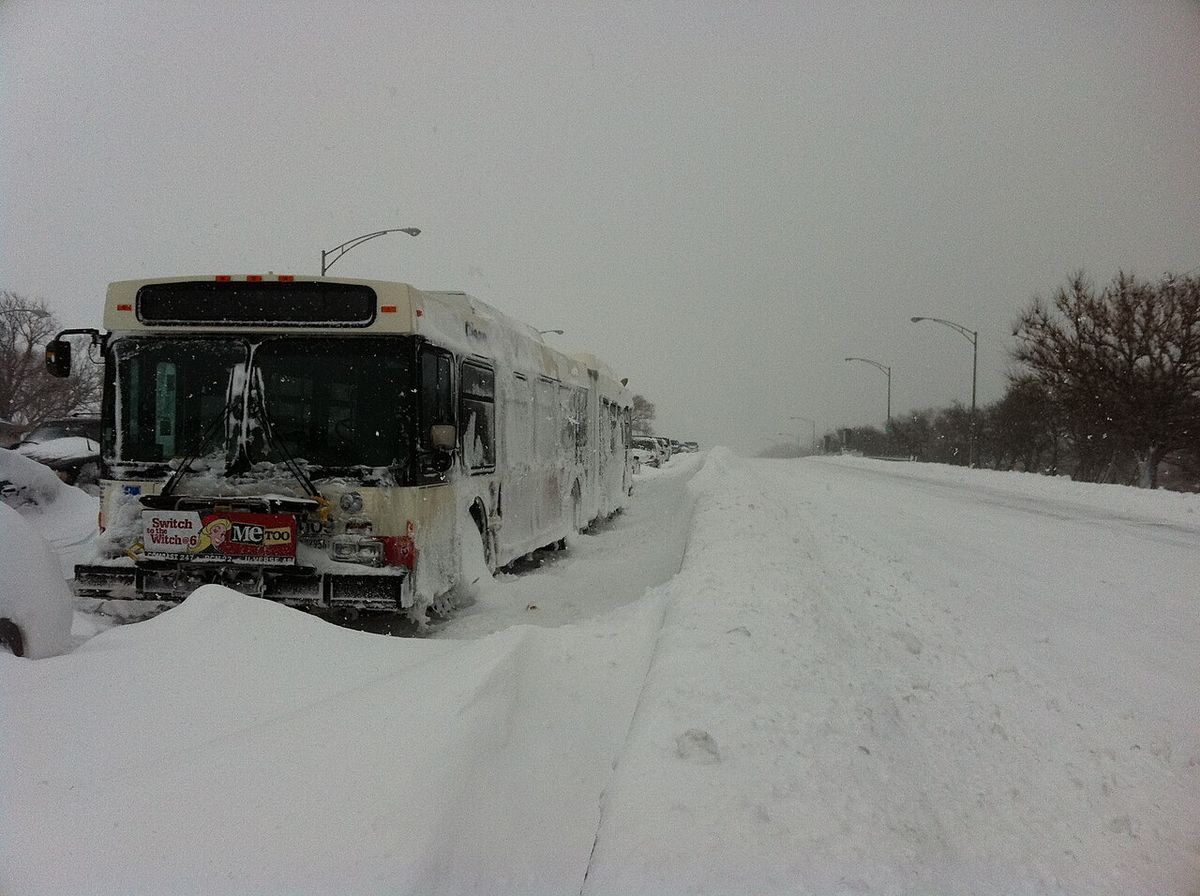
Beyond the widespread snowfall and wind, several dramatic and tragic events defined the storm's legacy. The stranding of hundreds of motorists on Chicago's Lake Shore Drive became a widely recognized image of the blizzard. Commuters were trapped in their vehicles for up to 12 hours in whiteout conditions after multiple accidents blocked the scenic roadway. The city's decision not to close the drive earlier was later scrutinized, and the subsequent tow operation to clear hundreds of abandoned cars led to logistical chaos as the city struggled to track vehicles. In Quebec, the massive 70-vehicle collision on Highway 20 was a stark reminder of the sudden loss of visibility and control that blizzard conditions can cause. The storm also had a deadly human cost, with fatalities occurring across multiple states and provinces. In Illinois alone, 11 snow-related deaths were reported by February 3, including individuals who died from heart attacks while shoveling, a pedestrian blown into Lake Michigan by high winds, and victims of hypothermia in stranded vehicles.
The storm's intensity produced rare meteorological phenomena, including widespread reports of thundersnow in locations like downtown Chicago and Windsor, Ontario. The combination of intense snowfall rates and lightning added to the storm's ferocious character. Cultural events were also disrupted, most notably the cancellation of the Milwaukee County Zoo's annual Groundhog Day event, denying the groundhog named Wynter her moment in the spotlight. Despite the prognostication of an early spring by both Wisconsin's Sun Prairie Jimmy and Pennsylvania's Punxsutawney Phil, who did not see their shadows, winter persisted for weeks after the storm, with snowpack in southern Wisconsin lasting through mid-March. The storm's nickname, 'Snowmageddon,' entered popular lexicon, reflecting the perception of a major weather event that brought one of the continent's largest cities to a standstill.
Response and Recovery
The response to the blizzard involved unprecedented coordination between local, state, provincial, and national authorities. In the United States, state governments declared states of emergency, which unlocked resources and allowed for the activation of National Guard units. The Illinois National Guard deployed 500 troops to assist in rescuing stranded motorists from major interstates, a mission mirrored by the Wisconsin National Guard. Utility companies worked around the clock to restore power to hundreds of thousands of customers, though some outages lasted for days in the hardest-hit areas. Municipalities faced enormous challenges in clearing roads, with many taking snowplows off the streets during the height of the storm due to whiteout conditions that made plowing ineffective and dangerous for operators. Recovery was a multi-day process, with schools and government offices closed for two or more days in many jurisdictions. The University of Missouri and the University of Central Missouri, for example, were closed for an unprecedented three successive days.
In Canada, municipal public works departments were stretched thin, with cities like Windsor budgeting significantly higher costs for snow removal. The controversial decision to close schools in Toronto, based on forecasted severity that did not fully materialize in the city core, sparked public debate about emergency protocols. The storm also had cross-border implications, particularly regarding energy. Mexican officials initially arranged to transfer 280 megawatts of power to Texas to help ease an electricity crisis caused by the freezing weather. However, this aid was suspended a day later when cold weather damaged power stations in Northern Mexico, causing a loss of 1,000 megawatts of capacity. The international cooperation and subsequent challenges highlighted the interconnected nature of modern infrastructure. The recovery phase also involved assessing structural damage from the weight of snow and ice, with numerous roof collapses reported on barns, greenhouses, and commercial buildings across the affected regions.
Historical Context and Records
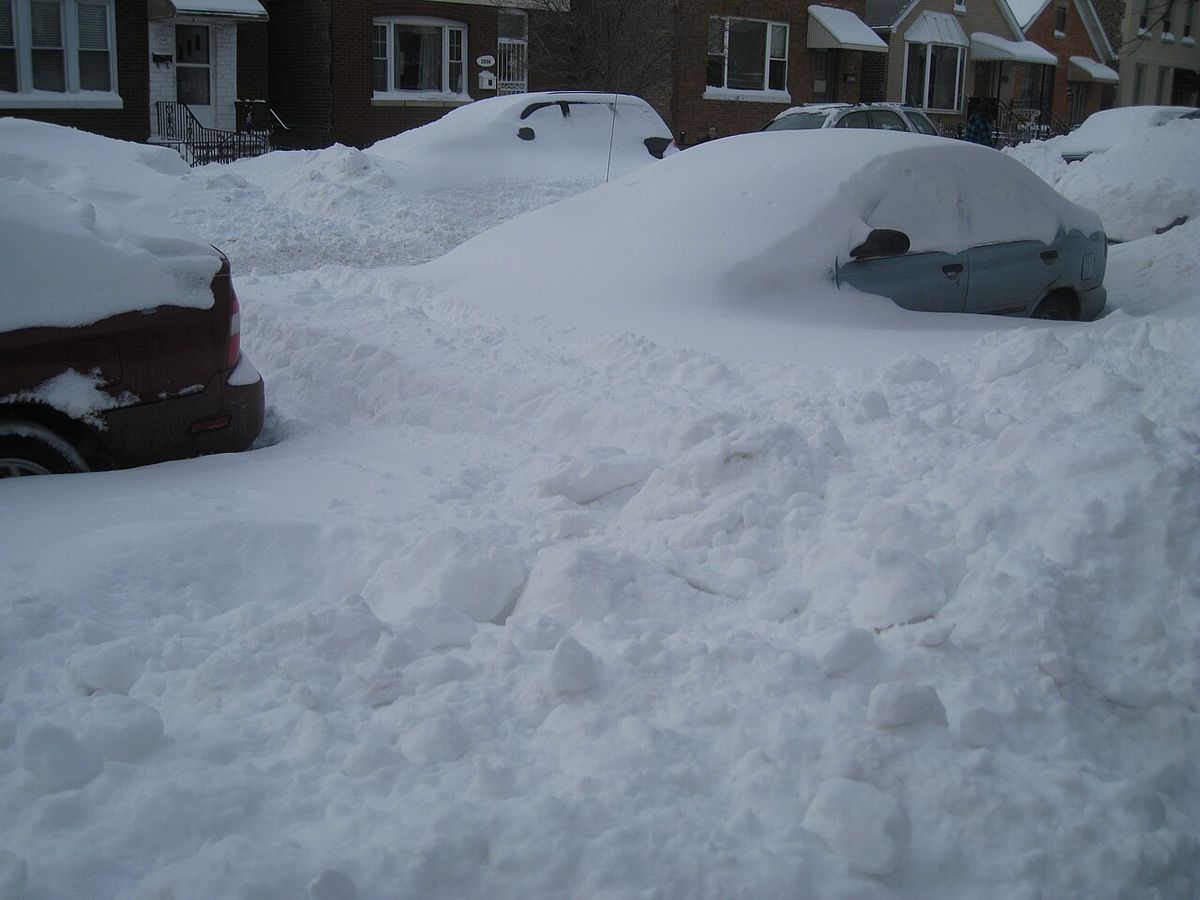
The 2011 Groundhog Day blizzard secured its place in meteorological history through the numerous records it set or challenged. For Chicago, the 21.2 inches measured at O'Hare International Airport made it the city's third-largest snowstorm on record, trailing only the blizzards of 1967 and 1999. The storm also generated Chicago's third-highest snowstorm total, with 21.2 inches officially recorded. In Tulsa, Oklahoma, the 35.6 centimetres of snow represented the largest snowstorm since records began in 1893. Milwaukee, Wisconsin, saw its largest snowstorm since 1974, with nearly 20 inches falling, the second-largest on record for the city. The storm's intensity was formally recognized by the National Oceanic and Atmospheric Administration, which assigned it a Category 5 rating, the highest possible, on its Regional Snowfall Index, a metric that accounts for the area affected, amount of snow, and population impacted.
The event also marked several firsts or rare occurrences for weather forecasting offices. The National Weather Service in Lincoln, Illinois, issued only its fourth blizzard warning in its 16-year history. Kansas City was under only its third blizzard warning ever, and Columbia, Missouri, experienced its first blizzard warning in history. In Canada, the blizzard warning issued for parts of Southern Ontario was the first under a revised definition implemented in 2010, and the first for the region since 1993. The storm's financial toll of US $1.8 billion cemented its status as a billion-dollar disaster, a classification reserved for the most economically significant weather events. The longevity of its impacts, from travel chaos that lasted days to power outages and school closures, ensured the Groundhog Day blizzard of 2011 would be a benchmark for future winter storms across the continent.
Questions about 2011 Groundhog Day blizzard
How much snow fell in Chicago during the 2011 Groundhog Day blizzard?
Chicago's O'Hare International Airport recorded 21.2 inches (54 cm) of snow from the storm. The highest official total in the Chicago area was 27 inches (69 cm) in the northwest suburbs of Roselle and Medinah. The storm was accompanied by sustained winds over 35 mph and gusts exceeding 60 mph. These conditions created blizzard conditions and massive snow drifts that stranded hundreds of vehicles on Lake Shore Drive.
What areas in Canada were most affected by the blizzard?
The blizzard significantly impacted Southern Ontario, Quebec, and the Maritime provinces. Southern Ontario received 20 to 30 cm of snow, with Windsor getting 30.2 cm and Hamilton 25.2 cm, leading to the first blizzard warnings for the region since 1993. In Quebec, a major pile-up near Montreal involved 70 vehicles and sent 29 people to hospital. The Maritimes saw heavy snow, with Halifax measuring 30.3 cm and parts of Nova Scotia receiving up to 40 cm, causing widespread school and business closures.
Why was the storm called a 'Category 5' event?
The National Oceanic and Atmospheric Administration uses a Regional Snowfall Index to rank winter storms. The 2011 Groundhog Day blizzard received a Category 5 rating. This is the highest possible rating due to the storm's exceptional intensity and the vast geographic area it affected. The rating also reflects the large population in its path and the resulting economic damage which was estimated at US $1.8 billion.
How did the storm impact travel and transportation?
Travel was paralysed across the continent. In the United States, Chicago's O'Hare and Midway airports canceled over 1,300 flights, and Missouri made history by closing Interstate 70 across the entire state. In Canada, numerous flights and bus routes were canceled. The most recognized travel disruption was on Chicago's Lake Shore Drive, where over 900 cars and buses were stranded, trapping people for up to 12 hours. Major rail services, including Amtrak and commuter lines, were also halted.
What was the death toll and primary causes of fatalities?
At least 36 deaths were attributed to the storm across the United States and Canada. Many fatalities were cardiac-related incidents caused by the physical exertion of shoveling heavy snow. Other deaths resulted from traffic accidents in whiteout conditions, hypothermia for those stranded in vehicles, and one pedestrian in Chicago who was blown into Lake Michigan by high winds. The storm highlighted the hidden dangers of major winter weather beyond the immediate cold and snow.
Did the groundhogs predict an early spring in 2011?
Both Punxsutawney Phil in Pennsylvania and Sun Prairie Jimmy in Wisconsin did not see their shadows on February 2, 2011. This traditionally forecasts an early spring. However, their predictions proved inaccurate for the regions hit by the blizzard. Southern Wisconsin's snowpack lasted through mid-March and temperatures remained colder than average into May.
Sources and further reading
- 2011 Groundhog Day blizzard (Wikipedia)
- The Groundhog Day Blizzard was a billion-dollar disaster (theweathernetwork.com)
- Looking Back: 15 Years Since the Groundhog Day Blizzard (climatology.nelson.wisc.edu)
- Ground Hog Day Blizzard, February 2, 2011 (weather.gov)
- Snowmageddon! Remembering the 2011 Groundhog Day Blizzard (pbs.org)
Checked by the Novello Desserts desk. Last updated 2026-10-29.