Campaign hat
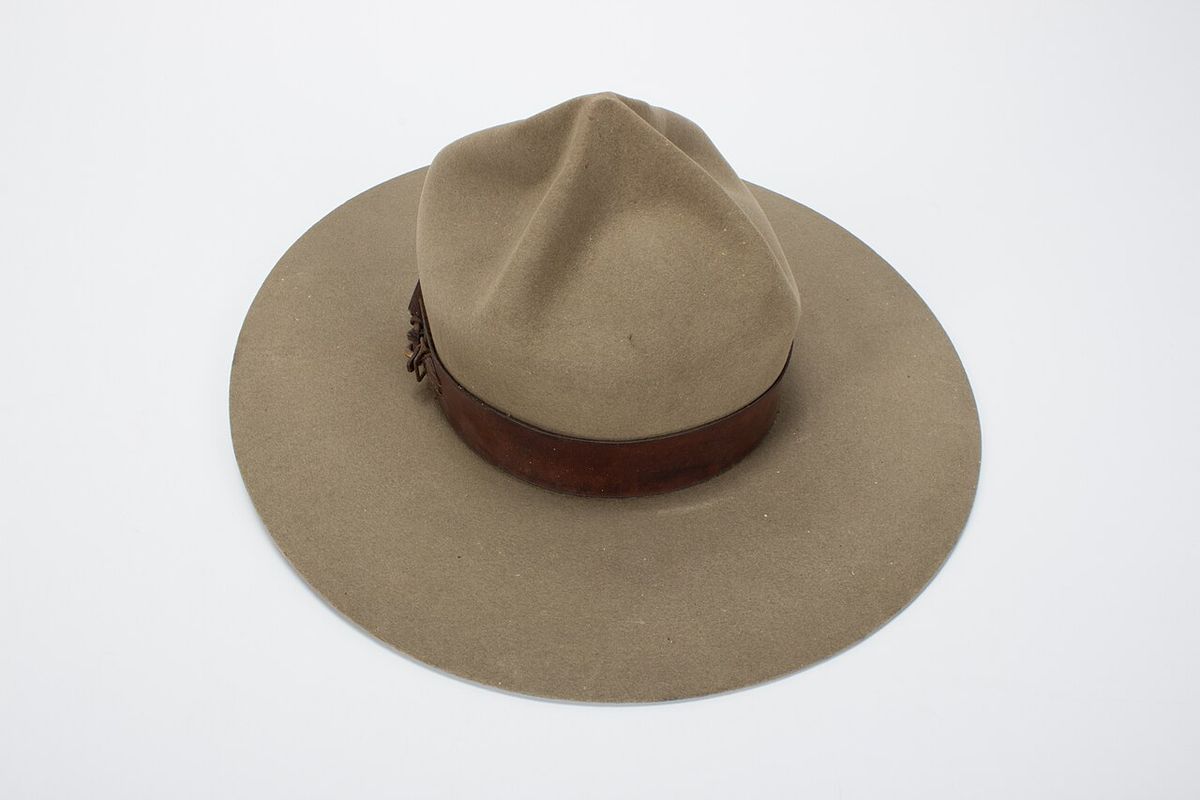
The campaign hat is a broad-brimmed felt or straw hat characterized by a high crown pinched symmetrically at four corners, creating a distinctive "Montana peak. Its origins are rooted in 19th-century military use, where it offered practical protection from the elements for mounted troops. In Canada, the hat holds significant cultural and historical importance as a key component of the full dress uniform of the Royal Canadian Mounted Police (RCMP) and was worn by Canadian military units in conflicts from the Boer War to the First World War. Beyond its ceremonial role, the campaign hat remains a functional part of the uniform for various Canadian law enforcement agencies and is globally recognized as a symbol of authority for park rangers, drill instructors, and the worldwide Scout movement.
Historical Origins and Development
The campaign hat's practical design emerged in the 1840s when U.S. Army troops stationed in the American West began wearing wide-brimmed civilian hats for superior sun and rain protection over standard-issue headgear. The hat's distinctive creased crown was directly influenced by the sombreros worn by Mexican vaqueros. Following the American Civil War, the U.S. Army formalized its use, introducing a black felt hat for fatigue duty in 1872 regulations, with a drab colour option added in 1883. The term "campaign hat" came into common use around this period, with some versions adorned with decorative campaign cords denoting rank or branch of service.
By the 1890s, the design was being adapted internationally, most notably by scouts for the British South Africa Company in Africa who creased the crowns into pointed tops. This style was observed by Robert Baden-Powell, who later incorporated it into the Boy Scout uniform. The hat saw its first major military deployment with the 1,200 Canadian troops serving under Baden-Powell, who were the first to wear it as an official uniform component. The U.S. Army officially adopted the "Montana peaked" design as a standard service hat on 8 September 1911, a style some troops had already fashioned during the Spanish-American War in 1898.
During the First World War, the American campaign hat was fairly soft, with a complex system of coloured cords used to distinguish rank and service branch. General officers wore a golden cord, other commissioned officers a golden-and-black cord, and warrant officers a silver-and-black cord, while enlisted ranks wore cords in their branch colours. By the 1930s, the felt was made very stiff with a permanently flat brim. The hat's use declined with the introduction of the overseas cap and, later, the American fiber helmet during the Second World War, though it remained in use in the Pacific theatre and was famously associated with General Joseph Stilwell.
Use in Canada
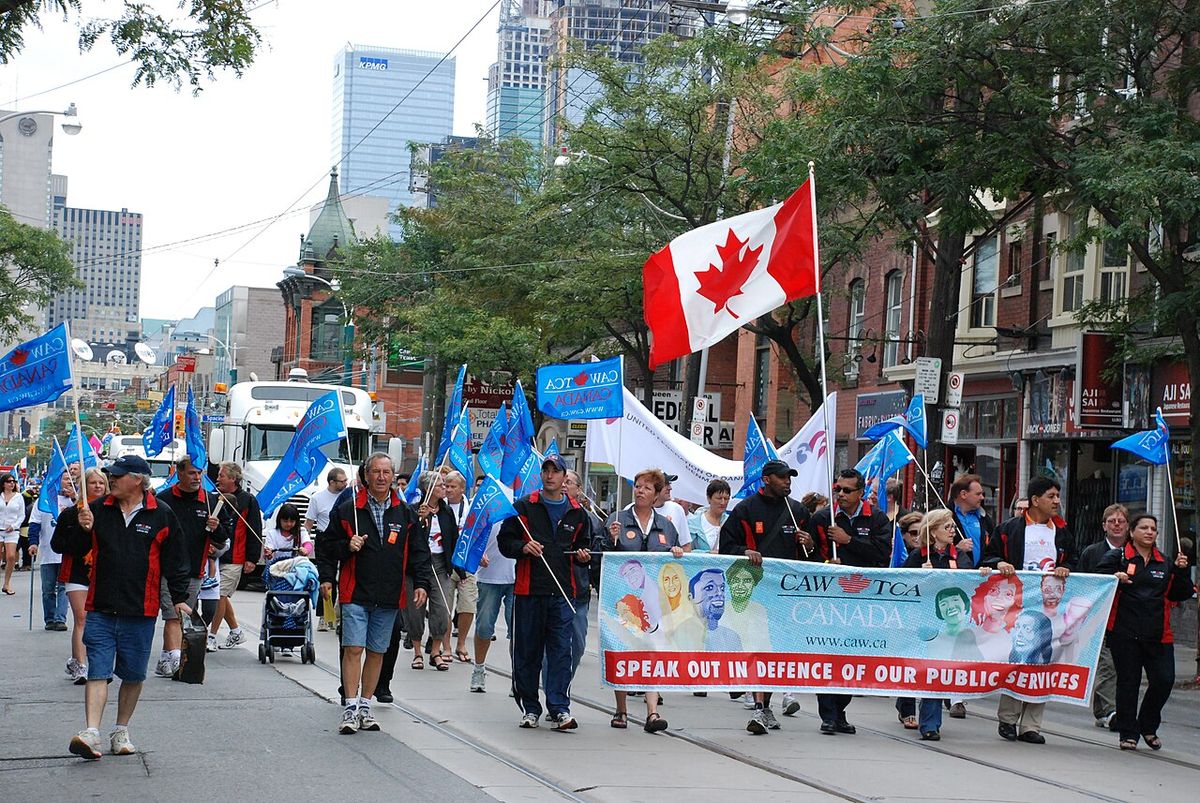
The campaign hat holds a venerable place in Canadian military and police history. During the Boer War from 1899 to 1902, it was worn by all Canadian military units deployed to South Africa with the sole exception of the Royal Canadian Regiment. Canadian cavalry units continued to wear the hat during the First World War. The hat was also standard issue for the Canadian Scouts and the South African Constabulary, both units which enlisted many Canadians. Canadian versions were typically distinguished by deep indentations at the front of the crown. Following the First World War, the campaign hat was gradually phased out of general Canadian military use in favour of the service dress cap.
The hat's most recognized and enduring Canadian association is with the North-West Mounted Police and its successor, the Royal Canadian Mounted Police. The RCMP retains the campaign hat as a central element of its full dress uniform, a powerful symbol of Canadian identity and authority. Beyond the RCMP, the hat remains in active service with several contemporary law enforcement agencies across the country. The Alberta Sheriffs Branch incorporates the campaign hat as part of its regular duty uniform. The Ontario Provincial Police also used the hat historically, but phased it out of service in 2009 due to practical difficulties wearing it inside modern police cruisers.
International Military and Ceremonial Use
Several nations continue to employ the campaign hat for ceremonial duties and as a mark of distinction for training personnel. The New Zealand Army's version, colloquially known as the "lemon squeezer" for its deep, four-sided indentations, is a highly visible national symbol. Proposed by Lieutenant Colonel William Malone, it was adopted by the Wellington Infantry Regiment around 1912 and became general issue for New Zealand forces in the latter part of the First World War. Different service branches were identified by coloured puggarees or bands around the crown's base. After a period of disuse from 1960, it was reintroduced for ceremonial dress in 1977. While a new "Mounted Rifles Hat" replaced it for general wear in 2012, the historic lemon squeezer is retained for honour guards and special formal occasions.
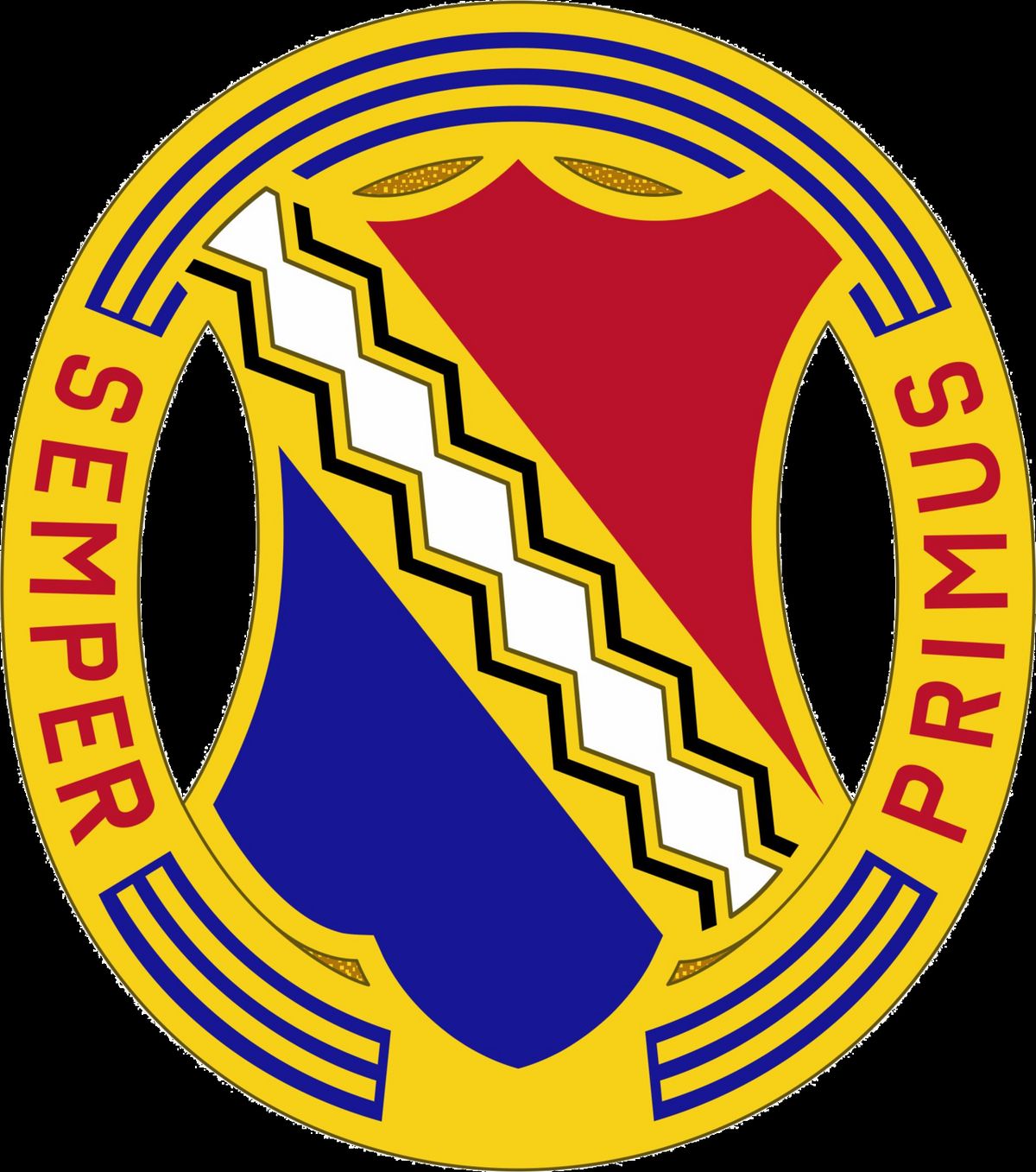
In the United States Armed Forces, the campaign hat is primarily worn by drill instructors and training personnel as a symbol of their authority. The U.S. Army's drill sergeants wear an olive drab hat, with a change announced in January 2026 for both male and female drill instructors to use the classic campaign cover, retiring the green slouch hat. The 133rd Field Artillery Regiment of the Texas Army National Guard wears a Fort Sill-style artillery campaign hat for formal events. The 11th Armored Cavalry Regiment wears a brown Boss of the Plains hat in a traditional cavalry Stetson style with a center peak to honour its heritage dating to 1901.
- U.S. Marine Corps: Drill instructors wear a campaign hat with a matte black Eagle, Globe, and Anchor badge. Officers add a scarlet-and-gold cord, generals a solid gold cord. The hat was introduced to the Corps on 20 July 1956 following the Ribbon Creek incident.
- U.S. Air Force: Male Military Training Instructors (MTIs) wear a dark blue hat with a silver Great Seal insignia. Female MTIs wear a dark blue slouch hat. The top ten percent of MTIs wear a light blue cord and are known as "Blue Ropes."
- U.S. Space Force: Male MTIs wear a dark blue hat with a silver Delta, Globe, and Orbit insignia. Female MTIs wear a slouch hat. Experienced MTIs wear a distinctive black-and-silver rope.
- U.S. Coast Guard: Recruit training company commanders wear a navy blue version with a black cord.
- U.S. Navy: The only U.S. armed service that does not use the campaign hat. Recruit Division Commanders wear standard covers with a red aiguillette.
Use in Park Services and Law Enforcement
The campaign hat is a globally recognized symbol of authority for park rangers and conservation officers. In the United States, the tradition began with federal cavalry troops sent to protect the first national parks, who wore the hat as part of their uniform. The National Park Service subsequently adopted it. A 1905 photograph of Buffalo Soldiers in Yosemite shows some had already re-creased their hats into the Montana Peak style. Following this federal lead, campaign hats are worn by rangers in many state park systems, fish and game wardens, and local park departments such as the New York City Urban Park Rangers.
The hat's association with outdoor authority is cemented by its use by the U.S. Forest Service's mascot, Smokey Bear, who has been depicted wearing a campaign hat and jeans since his first poster in 1944, illustrated by Albert Staehle. The stylized campaign hat also served as the emblem of the National Park Foundation until December 2013. In U.S. law enforcement, the hat is widespread among state police agencies, leading to the colloquial nicknames "smokey bears" or "smokeys" for state troopers. It is also worn by the U.S. Border Patrol, numerous county sheriffs' departments, tribal police, and specialized units like the Chicago Police Department's mounted unit and cadre for the Cook County Sheriff's Boot Camp.
Association with the Scout Movement
The campaign hat is deeply intertwined with the origins and iconography of the worldwide Scout Movement. Its adoption is credited to Lord Robert Baden-Powell, the founder of Scouting, who first began wearing a Stetson campaign hat and neckerchief in 1896 during the Second Matabele War in Africa. He was influenced by the celebrated American scout Frederick Russell Burnham, who favoured the hat and taught Baden-Powell woodcraft. After Baden-Powell's fame grew following the Siege of Mafeking in 1899, the hat became one of his personal trademarks. He later included it in the uniform of the South African Constabulary, which he commanded from 1900.
When Baden-Powell wrote Scouting for Boys in 1908, he included sketches of Boy Scouts wearing the campaign hat and prescribed it as part of the official uniform, describing it as "very like the uniform worn by my men when I commanded the South African Constabulary" and noting that "the broad brimmed khaki hat is a good protection from sun and rain." As Scouting spread rapidly across the British Empire and to countries like the United States and Russia from 1909 onward, the campaign hat became a nearly universal symbol of the movement. While many larger national associations, like the British Scout Association, eventually replaced it with cheaper berets (abolishing it altogether in 1967), the hat remains an optional part of the uniform for the Boy Scouts of America. It is still faithfully worn by members of Traditional Scouting organizations worldwide, including the Baden-Powell Scouts' Association in the UK, the Baden-Powell Service Association in Canada and the United States, Scouts unitaires de France, and Portuguese Boy Scouts.
Design, Manufacture, and Variations
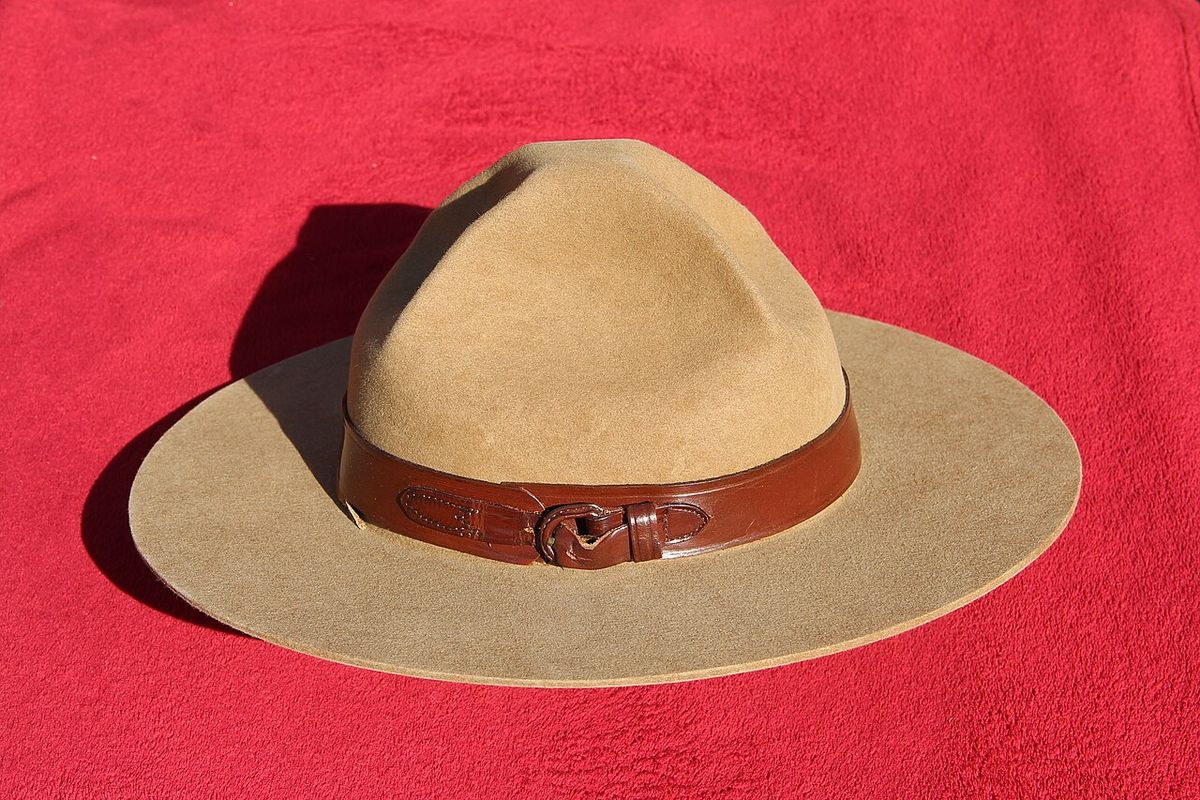
The classic campaign hat is defined by its broad, stiff brim and high crown, which is pinched to create four symmetrical peaks, most commonly a prominent front peak and a rear peak with two side dimples. This specific crease is known as the "Montana peak." The hat originated from the Stetson Company's "Boss of the Plains" model, introduced in the late 19th century, which is why it is sometimes generically referred to as a Stetson. It is distinct from the cowboy hat, which shares the same origin but features a different brim shape and crown crease, and from the slouch hat, which has a softer brim often turned up on one side.
Materials have historically included felt, typically wool or fur, and straw for warmer climates. Modern versions for drill instructors and police are often made from stiffened felt or other durable materials to maintain their shape. Insignia placement is central to the hat's function, with badges, seals, or coats of arms centred on the front brim. A system of coloured cords (or puggarees in New Zealand) has been used extensively to denote rank, branch, or qualification, such as the golden cord for U.S. Army generals or the light blue cord for top U.S. Air Force MTIs. Variations in creasing exist, such as the New Zealand "lemon squeezer" with four deep indentations, the U.S. 11th ACR's traditional center-peak cavalry crease, and the simpler front crease used by some park rangers and earlier military models.
Questions about Campaign hat
Why do RCMP officers wear the campaign hat?
The Royal Canadian Mounted Police wear the campaign hat as part of their full dress uniform. This tradition is inherited from their predecessors, the North-West Mounted Police. The campaign hat was the official dress hat of the North-West Mounted Police. The RCMP retain it as part of their full dress uniform.
What is the difference between a campaign hat and a cowboy hat?
Both hats originated from the Stetson Boss of the Plains model, but they evolved for different purposes. The campaign hat has a broad, flat, and stiff brim with a high crown pinched into four symmetrical peaks (the Montana peak). The cowboy hat is designed for ranch work. Its brim is often curved up on the sides, and the crown can be creased in various styles (like the cattleman crease) but rarely with the four distinct peaks of the campaign hat. The campaign hat is primarily a uniform item, while the cowboy hat is civilian workwear.
Do any Canadian police still use the campaign hat for regular duty?
Yes, the campaign hat remains in active service with some Canadian law enforcement agencies. The Alberta Sheriffs Branch incorporates it as part of their standard duty uniform. Historically, the Ontario Provincial Police also used the hat, but they phased it out in 2009 due to practical issues with wearing it inside modern police vehicles. The RCMP's use is now largely reserved for ceremonial full dress.
What is the 'lemon squeezer' hat?
The 'lemon squeezer' is the distinctive felt campaign hat worn by the New Zealand Army. This headdress has a high crown and deep indentations on all four sides. It was adopted by the Wellington Infantry Regiment around 1912. The hat became general issue for all New Zealand units during the latter stages of World War I.
Is the campaign hat still part of the Boy Scout uniform?
The campaign hat's role in Scouting varies by organization. It is no longer part of the standard uniform for large associations like Scouts Canada or the UK's Scout Association, which moved to berets and caps. However, it remains an official optional uniform item for the Boy Scouts of America. More importantly, it is a required part of the uniform for Traditional Scouting groups worldwide, such as the Baden-Powell Scouts' Association and the Baden-Powell Service Association in Canada, which seek to preserve the original uniform elements.
Why is it sometimes called a 'Smokey Bear' hat?
The campaign hat is sometimes called a 'Smokey Bear' hat because the United States Forest Service mascot, Smokey Bear, wears one. Smokey Bear's debut poster in 1944 depicted him wearing a campaign hat. The hat is very common among United States state police agencies. Due to this widespread use by state troopers, they are often colloquially referred to as 'smokey bears' or 'smokeys'. This nickname directly links the law enforcement uniform item to the well-known forest fire prevention character.
Sources and further reading
- Campaign hat (Wikipedia)
- Campaign Hat Guide: History, Montana Peak Crown ... (bernardhats.com)
Checked by the Novello Desserts desk. Last updated 2026-10-22.