Coureur des bois
The coureurs des bois were independent French Canadian fur traders who operated in the interior of North America during the 17th and 18th centuries. These unlicensed adventurers travelled deep into the wilderness, often by canoe, to exchange European goods for beaver pelts and other furs directly with First Nations. Their activities were foundational to the early North American fur trade, though they were often at odds with colonial authorities who sought to regulate commerce. The figure of the coureur des bois has since become a powerful and romanticized symbol in Canadian history and popular culture, representing a spirit of adventure and frontier freedom.
Origins and the First Interpreters
The foundations for the coureur des bois were laid in the earliest days of New France through a deliberate strategy of cultural immersion. Shortly after founding Quebec City in 1608, Samuel de Champlain sought alliances with local First Nations to secure the fur trade against Dutch and English competition. He initiated a practice of sending young French boys to live among Indigenous communities to learn their languages and customs, intending for them to become interpreters. One of the first and most famous of these was Étienne Brûlé, who went to live with the Huron in 1610. When Champlain visited him a year later, he found Brûlé dressed completely in native clothing and fluent in the Huron language. These early explorers, including Jean Nicolet who arrived in 1618, were quickly adopted by the communities they lived with. They educated French colonists on the complex existing Indigenous trading networks and served as crucial cultural intermediaries. Their experiences over two decades demonstrated the feasibility and potential profitability of direct trade deep in the continent's interior, paving the way for the independent traders who would follow in the mid-17th century.
Rise to Prominence in the 1660s
The term 'coureur des bois' became strongly associated with those who operated outside official channels, venturing beyond the Saint Lawrence Valley to trade. Colonial officials traditionally preferred that Indigenous peoples bring furs directly to merchants in settlements like Montreal, which hosted an annual fur fair. The role began to gain more formal, though still limited, recognition in 1649 when Governor Louis d'Ailleboust permitted experienced woodsmen to travel to Huron Country to encourage trade. A significant and sudden surge in their numbers occurred in the 1660s due to several converging factors. A population boom in New France between 1667 and 1684 provided a larger pool of young men, including discharged soldiers and indentured servants, seeking opportunity and freedom. The peace treaty with the Iroquois in 1667 made travel into the interior much less perilous for French colonists. The bankruptcy of the restrictive fur trade monopolies, the Cent Associés and the Communautés des Habitants, opened the door for more independent merchants under the less restrictive Compagnie des Indes occidentales. Furthermore, a sharp fall in the price of beaver on European markets in 1664 prompted traders to travel farther inland, or 'pays d'en haut', in search of cheaper pelts directly from source. This unique combination of circumstances made becoming a coureur des bois both more feasible and more profitable, marking their peak period.
The Arduous Skills and Daily Life
Surviving and thriving as a coureur des bois demanded a formidable and diverse skill set that blended commerce with wilderness survival. They had to be expert canoeists capable of handling birchbark vessels through rapid rivers and across massive lakes for months on end. Physical endurance was paramount, as journeys often involved paddling for twelve hours a day and carrying heavy loads, called portages, over long distances between waterways. A Jesuit observer described the ideal candidate as someone who thought nothing of covering five to six hundred leagues by canoe or living off corn and bear fat for twelve to eighteen months. Beyond transportation, they needed to be competent hunters, fishermen, and trappers to supplement their food supplies during the long months away from settlements. A successful coureur also acted as his own businessman, negotiating trades and managing his pack of over thirty essential goods. The life carried a high mortality rate due to accidents, disease, and sometimes conflict. The powerful motivators of potential profit, adventure, and an escape from the class-bound structures of Europe continued to draw men into this extremely difficult but free life in the woods.
Canoe Routes and Logistics of Trade
The vast, roadless interior of North America made the canoe the indispensable vehicle of the fur trade, dictating the rhythms and routes of the coureurs des bois. Expeditions typically launched from Montreal each spring as soon as the ice cleared, usually in May. Canoes were meticulously packed with a critical balance of trade goods and essential supplies for a journey lasting many months and covering thousands of kilometres. The most common route westward to the rich beaver lands around the Great Lakes followed the Ottawa and Mattawa rivers, a path that required numerous difficult overland portages. An alternative route used the upper St. Lawrence River and the lakes, passing by Detroit on the way to key posts like Michilimackinac or Green Bay. This path had fewer portages but was more vulnerable to Iroquois attacks during periods of conflict, as the Five Nations Confederacy sought to control these territories. The cargo was dominated by bulky trade items like broadcloth, wool blankets, metal knives and hatchets, copper kettles, firearms, gunpowder, and liquor. Food for the journey had to be lightweight, practical and non-perishable, leaving the men to rely heavily on hunting, fishing, and trading for sustenance along the way.
Complex Relationships with First Nations
The coureur des bois economy was entirely dependent on relationships with First Nations, who were the primary trappers and processors of furs. Maintaining friendly relations was crucial for successful and safe trade, which was often facilitated through reciprocal gift-giving, a customary practice among many Algonquian peoples to maintain alliances. Figures like Pierre-Esprit Radisson were known to strike agreeable relations inland by giving European goods as gifts. These relationships frequently extended into deep cultural and familial bonds. Marriage 'à la façon du pays' (according to the custom of the country) between coureurs des bois and Indigenous women was common. These unions were mutually beneficial, providing coureurs with guides, translators, and mediators within native communities. For Indigenous women in Algonquin societies which often had more women than men due to warfare, such partnerships offered an alternative to polygamous marriages. While French military leaders and some native chiefs saw strategic value in these alliances, Jesuit missionaries and colonial officials often viewed them with disdain and disgust. They considered these lasting relationships further proof of the lawlessness and moral perversion of the coureurs des bois, whom they wished would settle near Quebec and Montreal.
Government Crackdown and the Voyageur System
The independent era of the coureur des bois began to wane after 1681 due to direct government intervention. Colonial officials like Intendant Duchesneau were alarmed by estimates, likely exaggerated, that eight hundred coureurs des bois were operating, representing a large portion of the adult male population. To control the unregulated trade and its profits, French minister of marine Jean-Baptiste Colbert instituted a licensing system known as 'congés'. This system initially granted 25 annual licences to merchants travelling inland. The recipients of these licences hired canoemen to transport goods, and these hired workers became known as voyageurs. The voyageur was created as the legal and respectable counterpart to the coureur des bois. Under this new model, the fur trade began to favour a more organized business structure with monopolistic ownership and hired labour. From 1681 onwards, the voyageurs began to eclipse the coureurs des bois, although some coureurs continued to trade without licences for several decades. Following the implementation of the congé system, the number of coureurs des bois dwindled significantly, as did their influence within the colony's economic structure.
Negative Reputation in Colonial Society
Within New France, the coureur des bois occupied an ambiguous and often negative social position despite their economic role. French colonial authorities and clergy viewed them as unruly and a direct threat to social order and missionary efforts. Their refusal to obtain licences made them outlaws in the eyes of the state, interfering with the government's ability to tax and control the lucrative trade. Missionaries particularly resented them for undermining evangelism by trading liquor and for living outside the Church's moral framework. A late 17th century French officer's account typifies this critical view, describing returning coureurs as lewd and prodigal, feasting and gaming until they sold their very clothes, then heading back into the woods. Their deep adaptation to Indigenous ways, including ritual practices and marriage, led some French colonists to see them as only a step above Native American men. This stood in stark contrast to the later voyageurs, who, as licensed employees of fur companies, were considered more governable and respectable. The coureurs des bois were seen as ungovernable men whose freedom and intimate ties to Indigenous peoples made them enemies of the colonial and religious establishment.
Construction of a National Myth
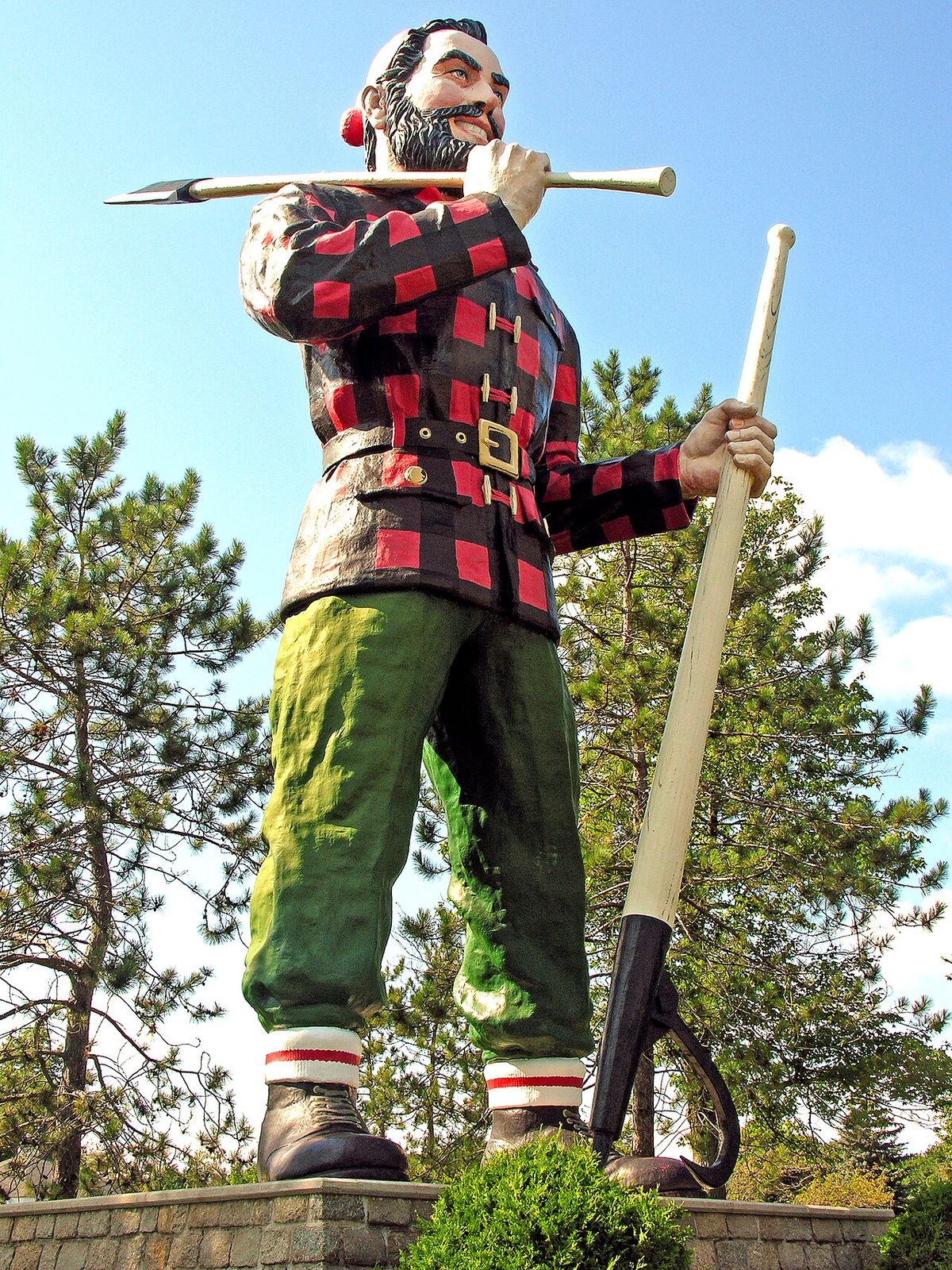
The historical importance of the coureurs des bois has been significantly magnified and romanticized over the centuries, transforming them into a central mythological figure for French Canadians. Early fears in France about insubordination and disorder in the colonies projected onto the coureurs, making them emblematic of a wild and ungovernable frontier where men lived 'beyond the possibility of correction'. This myth was powerfully reinforced in the 18th century by the writings of Jesuit priest F.X. Charlevoix, a trusted source who had journeyed in Canada. His historical work, however, has been criticized for confusing different time periods and failing to distinguish between coureurs and voyageurs, thereby misrepresenting the former's numerical importance. In the 19th century, romantic novelists like Chateaubriand, Jules Verne, and James Fenimore Cooper further idealized the coureur des bois as a supremely virile, free-spirited, and untameable frontiersman. These 'romans du terroir' or rural novels featured them out of all proportion to their actual numbers. This process cemented their image as the archetypal 'Canadien' in popular culture, an image that persists in modern festivals, races, and business names across Canada, such as the Défi Coureur des Bois trail running event in Gatineau scheduled for 2026.
Notable Individuals and Explorers
While most coureurs des bois operated anonymously, a few gained fame through exploration, blending their trading with pathfinding. Étienne Brûlé, the pioneering interpreter, is widely regarded as the first European to see the Great Lakes. Nicolet had lived with the Algonquin 'Nation of the Isle', was allowed to attend their councils, and was sent on a peace mission to the Winnebago, reportedly arriving in a Chinese damask robe hoping to find Asia. Médard Chouart des Groseilliers was a prominent explorer and trader whose partnerships opened up vast new territories for trade. These men exemplify the dual role of many coureurs des bois as both economic actors and geographic pioneers who expanded European knowledge of the continent's interior. Their stories, though exceptional, contributed greatly to the enduring legend of the coureur des bois as an explorer and adventurer, a narrative that often overshadows the more mundane reality of the majority who were simply small-scale entrepreneurs.
Questions about Coureur des bois
What is the difference between a coureur des bois and a voyageur?
The key difference is legality and employment status. Coureurs des bois were independent, unlicensed fur traders who operated on their own behalf, often illegally, during the 17th century. They were free agents who explored and traded at their own initiative. Voyageurs were licensed canoemen hired by fur trade companies or licensed merchants after the congé system was established in 1681. Voyageurs were employees following set routes and contracts under the direction of their bourgeois, or employer. The voyageur was created by the state as the legal and organized counterpart to the coureur des bois, eventually replacing them as the standard labour force in the structured fur trade.
Why were coureurs des bois considered outlaws by the French government?
Coureurs des bois were considered outlaws because they traded furs without a government licence, which was a legally punishable offence. French colonial authorities established monopolies and the congé licensing system to control the lucrative fur trade, collect taxes, and maintain order. By operating independently and deep in the interior, coureurs des bois circumvented these official channels, undermined government control and revenue, and were seen as destabilizing the colony's economic structure. Their refusal to submit to missionary efforts and their adoption of Indigenous lifestyles further cemented their reputation as unruly and operating outside the bounds of colonial society and law, making them a perceived threat to colonial survival.
How did coureurs des bois travel and what were their main routes?
Coureurs des bois travelled almost exclusively by birchbark canoe, which could carry heavy loads and traverse the complex river systems of the interior. Their main route west from Montreal followed the Ottawa River to the Mattawa River, then across Lake Nipissing to the French River and Georgian Bay. This route required many arduous overland portages. An alternative route went up the St. Lawrence River through Lake Ontario, but this was more exposed to Iroquois attacks. Expeditions left in spring once the ice melted and could last over a year. The men paddled for up to twelve hours a day, and their survival depended on mastering river travel, portaging techniques, and wilderness skills to supplement their limited food supplies during the journey.
What specific goods did coureurs des bois trade for furs?
Coureurs des bois traded a variety of European manufactured goods for prime beaver pelts and other furs. The most essential trade items included broadcloth and woollen blankets, which were highly valued, as well as linen. Metal goods were crucial, including knives, hatchets, and copper kettles. Firearms, gunpowder, and lead shot for ammunition were also in high demand. Other trade goods included glass beads, finished clothing items, and liquor, although the latter was controversial. These goods took up the majority of space in their canoes on the outward journey. In return, they sought beaver skins that were to be felted in Europe for hat making, which drove the entire economic enterprise.
What is the modern cultural legacy of the coureurs des bois?
The coureur des bois remains a potent and romanticized symbol in Canadian culture, representing adventure, freedom, and frontier resilience. Their image is celebrated in literature, folklore, historical re-enactments, and place names. This legacy is actively maintained through modern events that evoke their spirit of endurance and connection to the land. Examples include the Défi Coureur des Bois, a trail running challenge in the Gatineau Valley with events scheduled for 2026, and the Coureur des Bois Challenge ski marathon that involves skiing 160 kilometres over two days. These contemporary activities use the coureur des bois name to inspire outdoor adventure and a tangible connection to Canadian history, demonstrating the enduring power of this historical figure in the national imagination.
How common were marriages between coureurs des bois and Indigenous women?
Marriages 'à la façon du pays' between coureurs des bois and Indigenous women were very common and formed a key social and economic link in the fur trade. These unions were conducted according to local Indigenous custom and were often lasting, permanent bonds. They were beneficial for the coureur, providing a partner with essential skills in translation, guidance, foraging, and creating vital kinship ties to her community, which facilitated trade. For the Indigenous woman, in societies where warfare created a shortage of men, such a partnership offered economic security and an alternative to polygamous marriages. While French officials and Jesuits often disapproved, French military commanders and some Native leaders encouraged these alliances as they improved diplomatic and trade relations between the French and First Nations.
Sources: Wikipedia and current public reporting, checked by the Novello Desserts desk. Last updated 2026-10-23.