Lake Louise
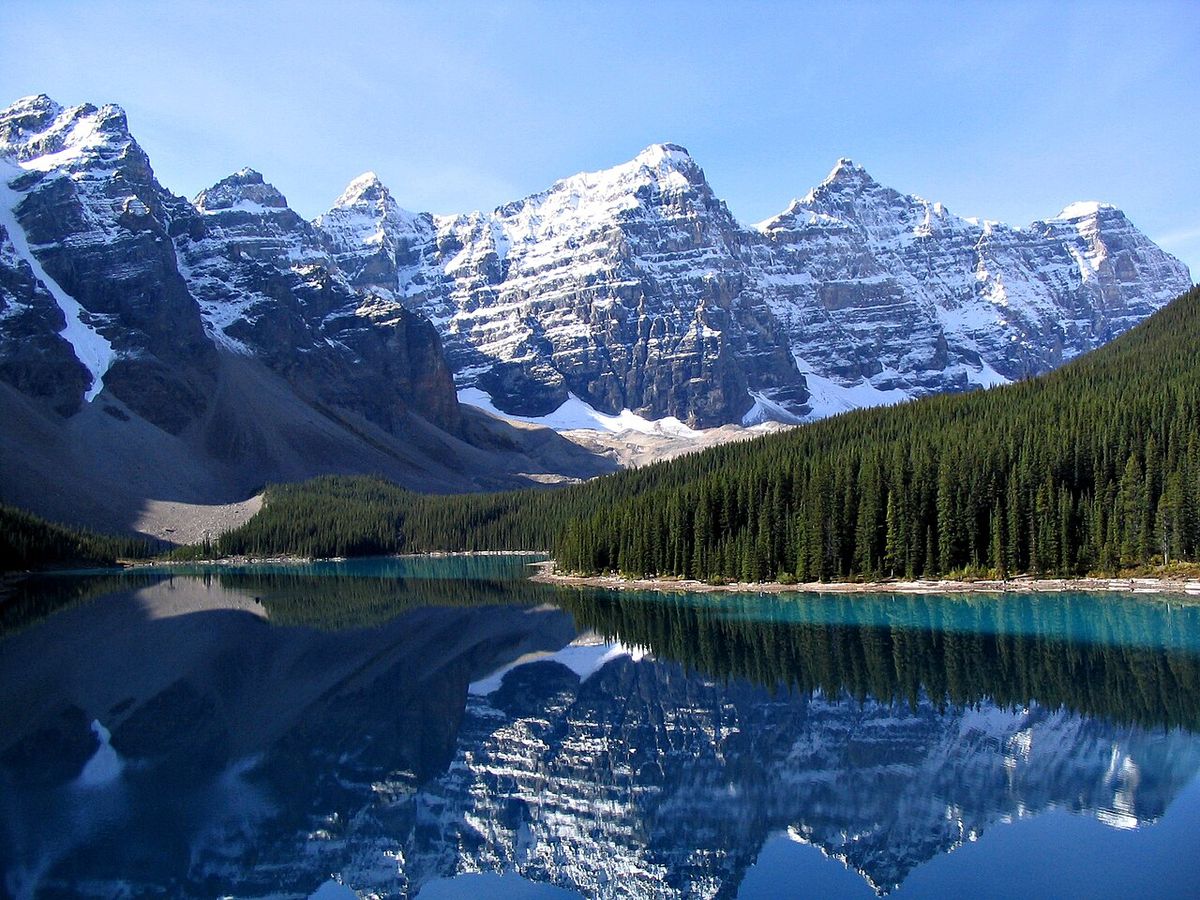
Lake Louise is a glacial lake located in Banff National Park, Alberta, known for its striking turquoise waters and dramatic mountain backdrop. It is one of Canada's most famous natural attractions, drawing millions of visitors annually for its scenic beauty and extensive range of outdoor activities. The lake is named after Princess Louise Caroline Alberta, daughter of Queen Victoria and wife of a former Governor General of Canada. Its eastern shore is home to the historic Fairmont Chateau Lake Louise, a grand railway hotel that has been a landmark of Canadian tourism for over a century.
Geography and Natural Features
Lake Louise is situated in the Canadian Rockies, approximately 11 kilometres east of the Alberta-British Columbia border. The lake is fed primarily by meltwater from the Victoria Glacier and other surrounding glaciers, which overlook its western end. This glacial melt carries fine rock flour into the lake, a sediment that scatters light to produce the lake's famous turquoise colour. The lake has a surface area of 0.8 square kilometres and is drained by Louise Creek, a three-kilometre waterway that flows into the Bow River. The area is characterized by steep mountain peaks such as Mount Whyte and Mount Niblock, which create a dramatic amphitheatre around the water.
History and Indigenous Significance
The area around Lake Louise has a long history of use by Indigenous Peoples, notably the Stoney Nakoda First Nations, who knew it as Horâ Juthin Îmne, meaning Lake of the Little Fishes. The first recorded non-Indigenous visitor was Canadian Pacific Railway surveyor Thomas Edmonds Wilson in 1882, who was guided to the site by a Stoney Nakoda man named Edwin Hunter. Wilson initially named it Emerald Lake and promoted its potential for tourism development. The lake was later renamed in honour of Princess Louise Caroline Alberta, the fourth daughter of Queen Victoria, whose husband served as Governor General of Canada from 1878 to 1883. The construction of the Canadian Pacific Railway and the subsequent opening of the Chateau Lake Louise hotel in the early 20th century cemented its status as a premier Canadian destination.
Summer Activities and Recreation
During the snow-free months, typically from late May through October, Lake Louise offers a wide array of outdoor pursuits. The most accessible activity is walking the Lake Louise Lakeshore Trail, a flat, 4.7-kilometre round-trip gravel path that runs along the northern shoreline from the Chateau to the lake's western end. Canoeing and kayaking on the turquoise waters are extremely popular, with a boat launch and rental facility available on the north-eastern shore. The area is a major hub for hiking, with trails leading to destinations like the Lake Agnes Tea House, the Plain of Six Glaciers, the Big Beehive, and peaks such as Fairview Mountain. Other summer activities include mountain biking, horseback riding, and rock climbing on the surrounding mountain faces.
Winter Activities and Events
Lake Louise transforms into a winter wonderland, offering classic Canadian seasonal experiences. The frozen lake surface becomes a destination for ice skating and ice fishing, often framed by an elaborate Ice Castle Festival featuring ice sculptures. The nearby Lake Louise Ski Resort provides world-class amenities for alpine skiing, snowboarding, cross-country skiing, and heli-skiing. The surrounding snow-covered landscape is ideal for snowshoeing, dog sledding, snowmobiling, and ice climbing. The Fairmont Chateau Lake Louise also offers guided snowshoe tours of the area, including special night tours, allowing visitors to experience the serene winter atmosphere.
Visitor Access and Planning
Due to its extreme popularity, visiting Lake Louise requires careful planning, especially during peak summer months. The small paid parking lot at the lakeshore fills very early each morning. For the 2026 season, Parks Canada requires reservations for its shuttle service to both Lake Louise and the nearby Moraine Lake, with bookings opening on April 15, 2026. Forty percent of shuttle seats are released on launch day, with the remaining sixty percent released at 8 am MDT two days before each departure date. The primary shuttle departure point is the Lake Louise Park and Ride at the Lake Louise Ski Resort, which offers free parking for reservation holders. Visitors are strongly advised to book shuttle seats well in advance, as attempting to secure a seat on the day of travel is not recommended.
Nearby Attractions and Day Trips
Lake Louise serves as a central hub for exploring other notable sites within Banff National Park. Moraine Lake, accessible via the Parks Canada shuttle, is another famous glacial lake known for its vivid blue water and the Rock Pile viewpoint. Other accessible lakes from the area include Lake Agnes and Mirror Lake, reached via hiking trails. Popular day trip destinations from Lake Louise include the town of Banff, Canmore, Johnston Canyon, and Sunshine Village. The region has over 1,600 kilometres of trails, offering some of the best hiking on the planet for adventurers of all skill levels.
Accommodation and Services
The most prominent accommodation is the Fairmont Chateau Lake Louise, a historic luxury resort hotel located directly on the lake's eastern shore. The broader Lake Louise community, located five kilometres east of the lake, offers additional lodging options, restaurants, and visitor services. For those visiting Moraine Lake, the Moraine Lake Lodge provides registered guest accommodation with direct road access. Numerous licensed commercial tour operators in the area provide guided experiences and transportation. Visitors must remember that a valid Parks Canada national park entry pass is required in addition to any shuttle reservations for accessing the area.
Questions about Lake Louise
Why is the water in Lake Louise so turquoise?
The brilliant turquoise colour of Lake Louise is caused by rock flour suspended in the water. This fine silt is created by glaciers grinding against bedrock and is carried into the lake by meltwater from the Victoria Glacier and other surrounding glaciers. The particles scatter sunlight, reflecting the blue-green wavelengths that give the lake its distinctive hue. The colour is most intense in late summer when glacial melt is at its peak.
Do I need a reservation to visit Lake Louise?
While you do not need a reservation to enter Banff National Park itself, accessing Lake Lakeshore by personal vehicle is extremely difficult due to limited parking. For the 2026 season, a reservation is required to use the Parks Canada shuttle service to Lake Louise and Moraine Lake. Reservations open on April 15, 2026, and it is strongly recommended to book well in advance as seats sell out quickly. You must also have a valid national park entry pass.
What is the best easy activity to do at Lake Louise?
The Lake Louise Lakeshore Trail is widely considered the best easy activity. It is a wide, mostly flat gravel path that follows the northern shoreline of the lake, starting at the Fairmont Chateau. The round-trip walk is 4.7 kilometres with virtually no elevation gain, making it suitable for all ages and fitness levels. Walking this trail allows you to escape the initial crowded viewpoint and enjoy quieter, stunning views of the lake and mountains.
Can you visit Lake Louise in the winter?
Yes, Lake Louise is accessible and popular year-round. In winter, the frozen lake becomes a scenic destination for ice skating and ice fishing, often accompanied by an Ice Castle Festival with elaborate sculptures. The nearby Lake Louise Ski Resort offers alpine and cross-country skiing, snowboarding, and heli-skiing. Winter activities in the area also include snowshoeing, dog sledding, snowmobiling, and guided night tours.
What is the Indigenous history of Lake Louise?
The area around Lake Louise was known and used by Indigenous Peoples long before European arrival. The Stoney Nakoda First Nations people called it Horâ Juthin Îmne, which translates to Lake of the Little Fishes. The first non-Indigenous person to visit the lake, Thomas Edmonds Wilson in 1882, was led there by a Stoney Nakoda guide named Edwin Hunter. This Indigenous history and connection to the land predates its development as a tourist destination by many centuries.
How do I get to Moraine Lake from Lake Louise?
Moraine Lake Road is closed to personal vehicles year-round. The primary way to visit Moraine Lake is via the Parks Canada shuttle service, which departs from the Lake Louise Park and Ride. A single shuttle reservation ticket can include access to both Lake Louise and Moraine Lake in one day, allowing you to hop between the two lakes. Other access is limited to licensed commercial tour operators and registered guests of the Moraine Lake Lodge.
Sources: Wikipedia and current public reporting, checked by the Novello Desserts desk. Last updated 2026-10-23.