Banff National Park
Banff National Park is Canada's first national park, established in 1885 in the heart of the Alberta Rocky Mountains. Encompassing 6,641 square kilometres of glacial lakes, rugged peaks, and dense forests, the park is a fundamental part of Canada's national identity and a UNESCO World Heritage Site. It draws millions of visitors annually with its celebrated destinations like the town of Banff, Lake Louise, and the Icefields Parkway. The park's management balances profound ecological conservation with its role as a premier year-round destination for outdoor recreation and cultural experiences.
History and Establishment
The area now known as Banff National Park has been a place of significance for Indigenous Peoples for millennia. The Stoney Nakoda, Ktunaxa, Tsuut'ina, and other Nations utilized the Bow Valley for hunting, fishing, travel, and spiritual practices, with many geographic features still known by their Stoney Nakoda names. The park's modern creation is inextricably linked to the construction of the Canadian Pacific Railway (CPR). After railway workers discovered hot springs at Cave and Basin in 1883, the government set aside a small reserve in 1885, which was expanded and formally established as Rocky Mountains Park in 1887. The CPR built grand hotels like the Banff Springs Hotel and Chateau Lake Louise to promote tourism, shaping the park's early identity. In a deeply consequential policy, the Stoney Nakoda First Nation was removed from the park between 1890 and 1920 to align with tourism and game conservation goals of the era.
The park's boundaries and name changed several times before being fixed in 1930 with the passage of the National Parks Act, which renamed it Banff National Park. Early infrastructure was often built by forced labour, including internees from World War I and public works crews during the Great Depression. These projects, including sections of the Icefields Parkway, shaped much of the park's foundational road network and facilities. Winter tourism began in earnest with the first Banff Winter Carnival in 1917, and the development of ski areas like Sunshine Village and Mount Norquay in the 1930s helped transition the park into a year-round destination. The latter half of the 20th century saw a shift towards conservation, with the 1988 amendments to the National Parks Act making ecological integrity the paramount priority in management decisions.
Geography and Geology
Banff National Park is located in Alberta's Rocky Mountains, approximately 110 to 180 kilometres west of Calgary. It borders Jasper National Park to the north, Yoho and Kootenay National Parks to the west, and Kananaskis Country to the southeast. The park's dramatic scenery was shaped over millions of years. The mountains are composed of sedimentary rock pushed eastward, with subsequent erosion by water and ice carving the peaks and valleys. Glaciers, though receded, remain significant features, with the Columbia Icefield being the largest glacial mass in the Rockies. The park encompasses three distinct ecoregions, the montane, subalpine, and alpine, each with its own vegetation and climate. Lower elevations are dominated by lodgepole pine forests, which give way to Engelmann spruce and subalpine fir before reaching the treeline, above which lies a world of rock and ice.
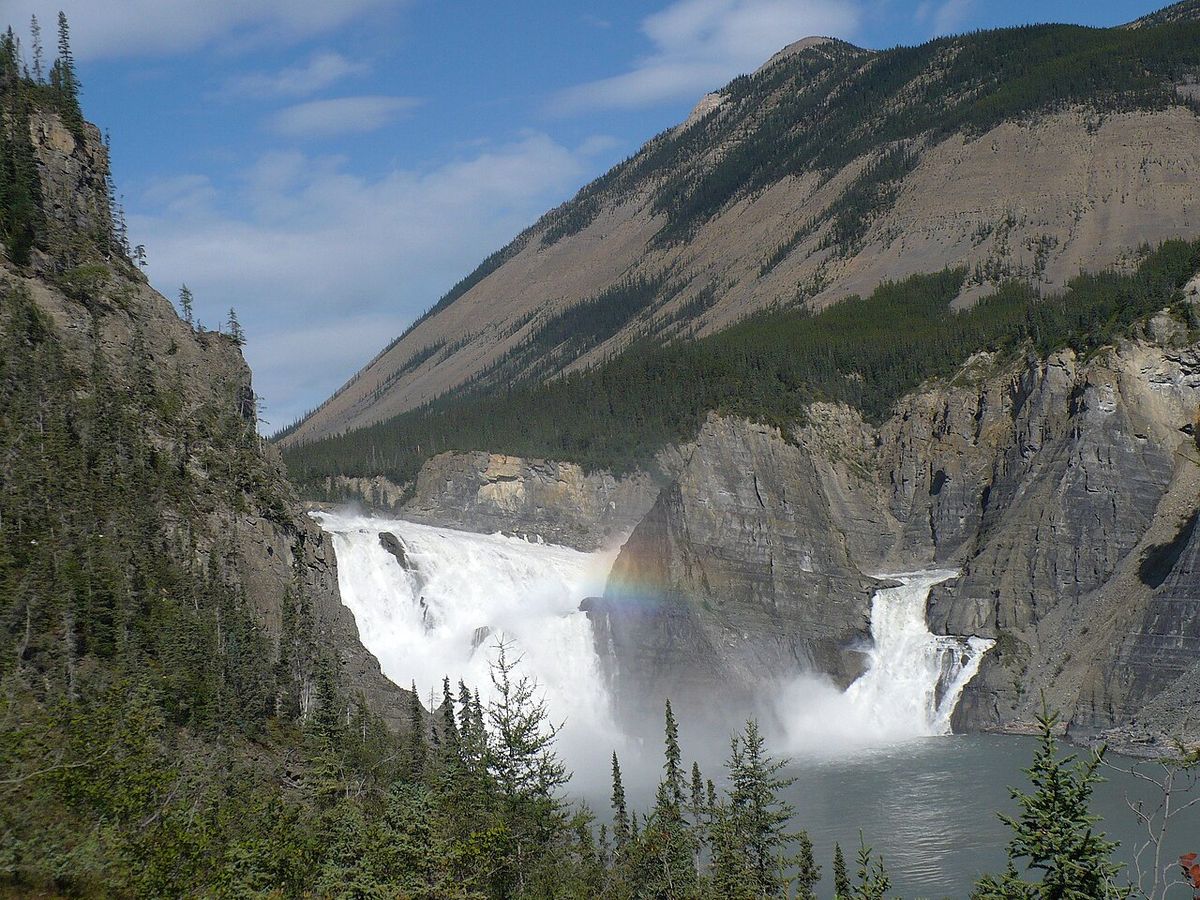
The park's topography is defined by several major mountain ranges. The crest of the Main Ranges, which includes the Waputik, Bow, and Blue Ranges, forms the park's western boundary and the continental divide. The eastern portions of the park consist of the Front Ranges, such as the Sawback and Sundance ranges, where the town of Banff is situated. While Mount Assiniboine on the provincial park border is slightly higher, the tallest peak entirely within Banff is Mount Forbes at 3,612 metres. This complex geology creates the foundation for the park's famous turquoise glacial lakes, deep canyons, and towering waterfalls that visitors come to see.
Major Destinations and Attractions
The town of Banff, located in the Bow River valley, serves as the park's primary commercial and cultural hub. It is home to institutions like the Banff Centre, the Whyte Museum, and the Cave and Basin National Historic Site, the birthplace of Canada's national parks. The Bow River flows through town, with Bow Falls located on its outskirts. Northwest of Banff lies the famous village of Lake Louise, centred around the landmark Chateau Lake Louise on the shore of its namesake lake. Nearby, Moraine Lake in the Valley of the Ten Peaks offers one of the most photographed vistas in Canada, a scene once featured on the twenty dollar bill. These lakes, fed by glacial melt, are renowned for their stunning turquoise colour.
Connecting Lake Louise to Jasper is the world famous Icefields Parkway, a 230 kilometre scenic highway considered one of the most beautiful drives on the planet. The parkway passes countless natural wonders including Hector Lake, Bow Lake, the dramatic Peyto Lake overlook, and the massive Columbia Icefield. It crosses Bow Summit, the highest point in Canada accessible by public road. Other key attractions within the park include the serene Vermilion Lakes, the accessible waterfalls and catwalks of Johnston Canyon, and the historic Banff Upper Hot Springs. The park offers over 1,600 kilometres of trails for hiking and exploration, catering to all ability levels.
Wildlife and Ecology
Banff National Park supports a diverse array of wildlife within its varied ecosystems. Large mammals commonly observed by visitors include elk, bighorn sheep, mule deer, and moose. The park is also home to apex predators such as grizzly bears, black bears, cougars, and wolves, along with smaller carnivores like the wolverine. Hundreds of bird species inhabit the region, from bald eagles to Clark's nutcrackers. This rich biodiversity is managed with a primary focus on preserving ecological integrity, a mandate strengthened by the 1988 National Parks Act. Conservation efforts are continuous and address challenges posed by high visitation, habitat fragmentation, and wildlife corridors.
Visitors are encouraged to view wildlife responsibly and safely. This includes maintaining a significant distance, never feeding animals, and properly storing food and garbage to avoid attracting wildlife to campgrounds and townsites. Parks Canada actively monitors species populations and engages in habitat restoration projects. The health of the ecosystem is a constant consideration in park management decisions, from trail development to traffic management. The park's designation as part of the UNESCO Canadian Rocky Mountain Parks World Heritage Site in 1984 further underscores its global ecological significance and the obligations for its protection.
Recreation and Activities
Banff National Park is a premier four season destination for outdoor recreation. Hiking is arguably the most popular summer activity, with an extensive trail network ranging from easy lakeside walks to challenging alpine ascents. Other summer pursuits include canoeing and kayaking on glacial lakes, mountain biking on designated trails, scenic driving, fishing, and horseback riding. The Banff Gondola provides panoramic views from the top of Sulphur Mountain. Cultural activities are also prominent, with opportunities to learn about Indigenous history and art, attend the Banff Mountain Film Festival, or explore local museums.
Winter transforms the park into a snowy wonderland. The three major ski resorts within the park, Sunshine Village, Lake Louise, and Mount Norquay, offer world class downhill skiing and snowboarding. Cross country skiing and snowshoeing trails are plentiful, and visitors can enjoy ice skating on frozen lakes, dog sledding tours, and relaxing soaks in the Banff Upper Hot Springs. The Icefields Parkway remains open in winter, offering a spectacular but challenging drive for experienced winter motorists. Regardless of the season, planning ahead is crucial, including checking trail conditions, making necessary reservations for shuttles to popular sites like Moraine Lake, and being prepared for rapidly changing mountain weather.
Visitor Information and Stewardship
A visit to Banff National Park requires a Parks Canada Discovery Pass or daily entry fee, which contributes to visitor services and conservation. Key visitor centres are located in the town of Banff and at Lake Louise, providing maps, permits, and expert advice. Given the park's immense popularity, strategic planning is recommended, especially during peak summer months. This includes booking accommodation well in advance, utilizing the park's seasonal shuttle bus system to access Moraine Lake and Lake Louise, and considering visits to lesser known areas to avoid congestion. Parks Canada emphasizes the 'Park Mode' philosophy, encouraging travellers to make responsible choices to help protect the park.
All visitors must adhere to park regulations designed for safety and preservation. These include staying on designated trails, properly disposing of waste, keeping dogs on leash, and never approaching or feeding wildlife. The use of recreational drones is strictly prohibited within park boundaries. The town of Banff, while an incorporated municipality, remains subject to the National Parks Act, and all development is carefully managed to minimize environmental impact. Parks Canada continues to work with Indigenous groups with historic ties to the land to incorporate traditional knowledge and strengthen cultural connections within the park's management framework.
Questions about Banff National Park
When is the best time to visit Banff National Park?
Banff is a year round destination, each season offering distinct experiences. Summer (June to August) provides warm weather, access to all hiking trails, and long daylight hours, but it is also the busiest season. Fall (September to October) features fewer crowds and spectacular golden larch trees. Winter (November to March) is ideal for skiing, snowshoeing, and other snowy activities, with a festive atmosphere in the towns. Spring (April to May) can be variable with melting snow, but it offers a quiet visit before the summer rush.
Do I need a pass to enter Banff National Park?
Yes, all visitors require a Parks Canada Discovery Pass or pay a daily entry fee. Fees are charged per person, per group, or per vehicle and are used to support visitor services, facilities, and conservation efforts within the park. Passes can be purchased online in advance or at park gates and visitor centres. It is important to display your pass as required to avoid fines.
What are the top things to do in Banff?
Top activities include hiking the park's vast trail network and driving the spectacular Icefields Parkway. Visitors can also see celebrated lakes like Lake Louise and Moraine Lake, and explore the town of Banff and the Cave and Basin historic site. Viewing wildlife responsibly is another key activity. In winter, major draws include downhill and cross country skiing, snowshoeing, and enjoying the Banff Upper Hot Springs. Cultural attractions like the Banff Centre and the Whyte Museum also offer rich experiences.
How can I see Lake Louise and Moraine Lake responsibly?
Due to extreme popularity and limited parking, personal vehicle access to Moraine Lake is prohibited. The best way to visit both lakes is to use the Parks Canada shuttle bus system or commercial tours, which require advance reservations during peak season. Alternatively, consider cycling on the dedicated path to Lake Louise or visiting during the early morning or late evening shoulder periods. Planning ahead and using transit helps reduce traffic congestion and environmental impact.
What wildlife might I see, and how should I behave around it?
Common sightings include elk, bighorn sheep, deer, and moose. With luck, you may spot bears, coyotes, or wolves from a distance. Always view wildlife from a safe distance using binoculars or a zoom lens. Never approach, feed, or attempt to attract animals. Store food and garbage securely in your vehicle or designated lockers. If you encounter a large animal on a trail, back away slowly and give it plenty of space. Your safety and the animal's wellbeing depend on responsible behaviour.
How many days should I spend in Banff National Park?
A week or more is recommended to fully appreciate the park's scale and diversity. A stay of seven to nine days allows time to explore the town of Banff and visit Lake Louise and Moraine Lake. This timeframe also permits driving the Icefields Parkway and enjoying several hikes. It may also allow for visits to neighbouring areas like Yoho National Park or Kananaskis Country. This provides a more relaxed and immersive experience in the Canadian Rockies.
Sources: Wikipedia and current public reporting, checked by the Novello Desserts desk. Last updated 2026-10-20.