Inflation ticks up to 3.1 percent as gasoline prices surge 27.8 percent
A sharp jump in gasoline prices tied to Middle East conflict drove the increase, while grocery inflation cooled to its slowest pace in over two years.
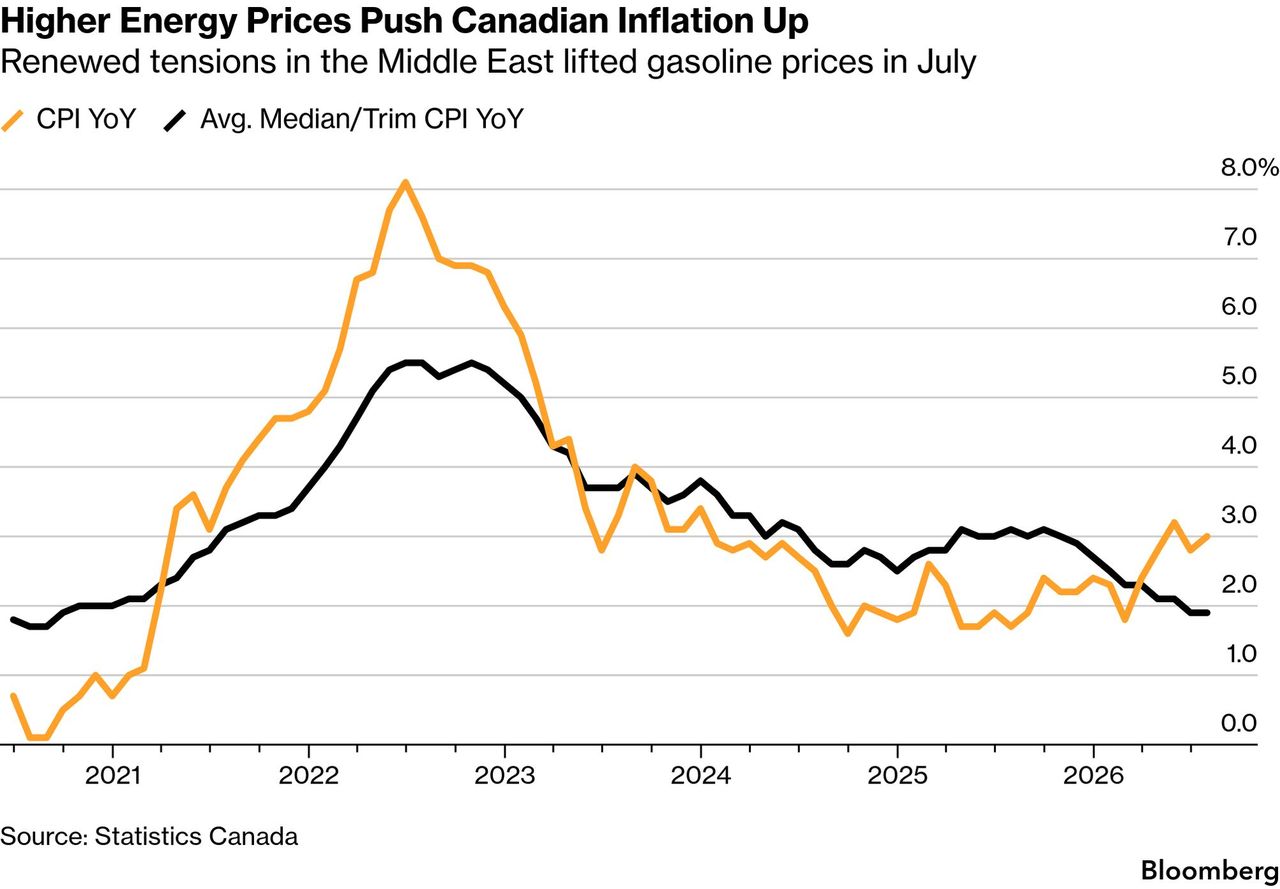
OTTAWA — Canada's annual inflation rate rose to 3.1 percent in September from 3.0 percent in August, Statistics Canada reported, as a 27.8 percent year-over-year jump in gasoline prices outweighed cooling in groceries and shelter.
The squeeze landed at the pump and the furnace rather than the checkout aisle.
Energy costs were 19.0 percent higher than in September 2025, up from 15.4 percent in August, after crude oil reached its highest level since May amid the wars in the Middle East.
READ MORE: Higher diesel prices to add 0.6 percentage points to food inflation, expert says
READ MORE: Food and beverage sales rise but face pressure from trade and energy costs
Fuel oil and other fuels soared 57.8 percent, an increase the agency said fell hardest on Atlantic Canada, where more households use it.
Stripping out gasoline, inflation slowed to 2.2 percent, and groceries moved the other way entirely.
Food bought from stores cost 1.7 percent more than a year earlier, down from 2.8 percent in August and the smallest annual increase since May 2024, when it was 1.5 percent.
Fresh vegetables fell 2.9 percent and sugar and confectionery dropped 2.7 percent, while beef, up 8.7 percent, climbed more slowly than a month earlier.
Statistics Canada cautioned that grocery bills remain raised, with prices up 33.0 percent since September 2020.
Shelter inflation ticked up to 1.8 percent from 1.5 percent, lifted by fuel oil, a 4.9 percent increase in homeowners' home and mortgage insurance and a 1.2 percent rise in maintenance and repair costs.
Two of the largest components of homeownership kept falling, with the replacement cost index down 1.9 percent and mortgage interest costs down 0.2 percent, both unchanged from August.
Tenants saw neither relief nor a fresh squeeze: rents were 2.8 percent higher than a year earlier, the same pace recorded in August.
Gasoline and fuel oil drove year-over-year inflation higher in five provinces, and the East Coast bore the brunt.
Excluding energy, Nova Scotia's rate of 3.3 percent, Prince Edward Island and New Brunswick at 2.6 percent and Newfoundland and Labrador at 2.4 percent all topped the national figure of 2.1 percent, and rents in the region grew faster than anywhere else in the country.
Students returning to campus this fall faced tuition 2.4 percent higher than in 2025, when fees rose 1.7 percent; Ontario's 2.1 percent increase, its steepest since 2018, followed the end of the province's freeze on tuition.
Trevor Tombe, writing for The Hub, argues the headline rate actually understates the pressure on households because of the way Canada measures the cost of owning a home.
"If Canada calculated inflation the way the U.S. does, as I'll show, our rate would be a good deal higher," Tombe writes, calculating that the American method would have put Canadian inflation at roughly 3.7 percent in April, well above the official reading at the time.
The September acceleration could be more a story about one commodity than about broad price pressure, with the swing in gasoline masking a gentle cooling almost everywhere else.
Prices excluding gasoline rose 2.2 percent, slower than in August, while groceries posted their smallest gain in more than two years.
Whether the Bank of Canada treats the energy shock as temporary or as a lasting threat to its target will shape the path for interest rates.
The release does not indicate how the central bank will respond, and neither the agency nor Tombe settles whether it can look past an energy shock now feeding into shelter and regional inflation.
Statistics Canada will publish October's figures on Nov. 16.
With files from The Canadian Press and The Hub | More Signal. Less Noise.
Renée Bouchard writes about food, restaurants and grocery prices across Canada for Novello Desserts.