Balanced diet concept evolves beyond simple food groups, dietitian says
A balanced diet now emphasizes nutrient adequacy, variety and moderation over just including all food groups.
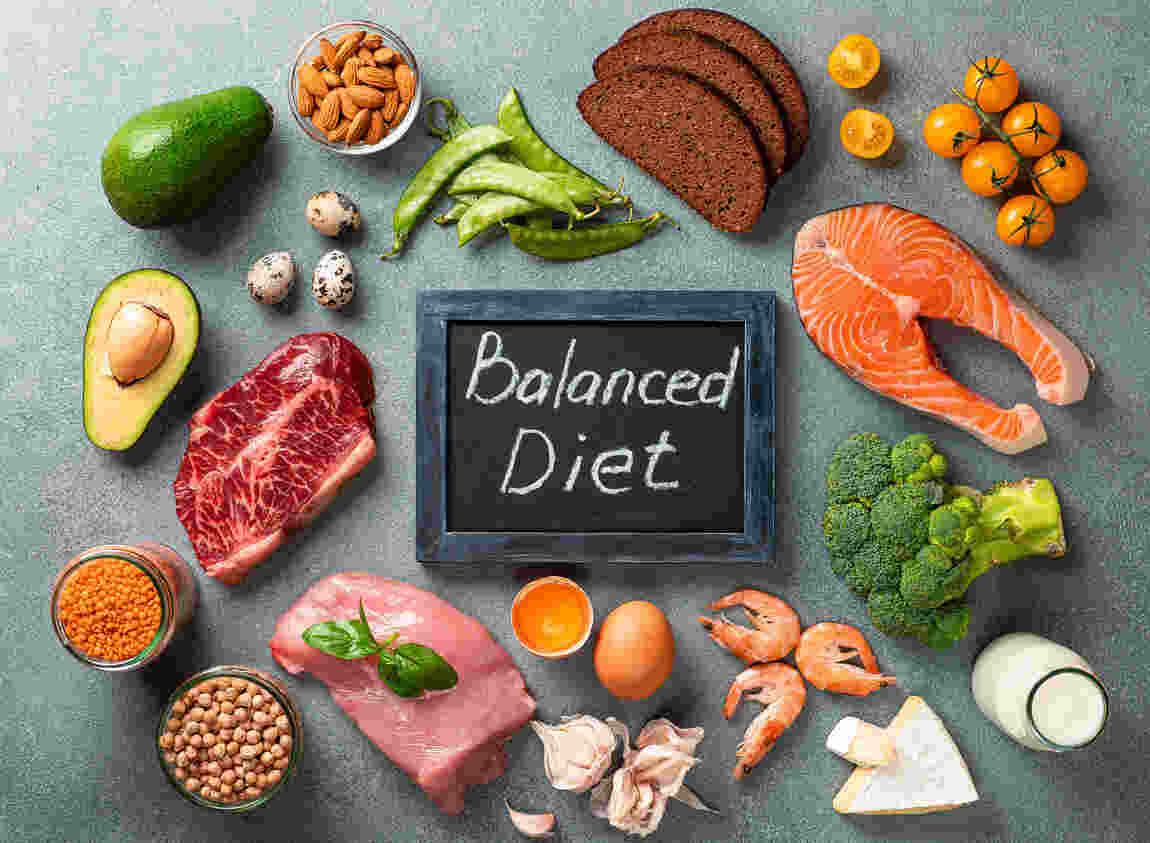
TORONTO — The concept of a balanced diet has evolved beyond simply including all major food groups to emphasize nutrient adequacy, variety and moderation, a Toronto dietitian says.
Leslie Beck, director of food and nutrition at Medcan, said a healthy diet today needs to provide enough energy and essential nutrients, include a wide variety of nutritious foods and contain appropriate proportions of carbohydrates, protein and fats.
"Our current understanding of balance goes beyond simply putting all the food groups on your plate," Beck said.
READ MORE: Debris found from missing air ambulance that vanished off Massachusetts coast
According to the World Health Organization, a healthy diet is built on four core principles: nutrient adequacy, balance, moderation and diversity.
Balance in that framework means matching calorie intake with daily energy needs and getting adequate amounts of protein, carbohydrates and fats.
Canada's first food guide, introduced in 1942, focused on getting enough of the right foods and nutrients to prevent deficiencies.
As chronic diseases became a greater public health concern, nutrition guidance expanded to also include not getting too much of certain dietary components.
Food groups became an easy way to put this advice into practice, encouraging people to eat a variety of foods from the major groups in recommended amounts.
Beck said several often overlooked signs may indicate a diet is less balanced than one realizes.
Eating similar nutritious foods daily limits dietary diversity, as no single food provides everything needed.
Eating a variety of foods within and across food groups provides a broader range of nutrients and protective phytochemicals from plant foods.
A fixation on protein can crowd out other nutritious foods like whole grains, fruit, pulses, nuts and seeds, which supply important fibre, vitamins, minerals and phytochemicals.
If most protein comes from meat, fish and dairy, one misses out on nutrient-packed plant-based foods like pulses, tofu, nuts and seeds, which also provide fibre, folate, magnesium and potassium.
Having vegetables fill roughly half your plate at dinner does not necessarily mean they account for a large share of what you eat over the entire day, Beck said.
Health Canada advises making vegetables and fruit the largest proportion of foods consumed overall.
Besides dinner, vegetables can be added to egg dishes and smoothies at breakfast, plus sandwiches, soups and grain bowls at lunch and snacks during the day.
While leafy green salads are excellent, eating other colourful vegetables expands nutrient and phytochemical intake.
Bright-orange vegetables like carrots and sweet potato provide beta-carotene, while bell peppers offer vitamin C.
Cabbage, cauliflower and broccoli provide unique phytochemicals thought to help guard against cancer.
Cooking vegetables can make certain nutrients like calcium, iron and beta-carotene more available for the body to absorb.
Researchers measure overall diet quality rather than a "balanced diet" per se.
Evidence from observational research suggests people who consistently eat a high-quality diet in midlife are more likely to reach older age free of major chronic disease while maintaining their physical, cognitive and mental health.
A 2025 study published in Nature Medicine found several healthy diet patterns are tied to healthy aging.
"It seems there isn't just one healthy and 'balanced' way to eat," Beck said.
With files from The Globe and Mail
Amara Okafor covers health, medical research and public health in Canada for Novello Desserts.