U.S. House votes for third time to end Iran war as conflict drags into seventh month with growing economic impacts
The House passed another war powers resolution to halt Trump's military actions in Iran with increased Republican dissent, but the measure faces likely veto as midterm elections approach and war costs reach $38 billion.
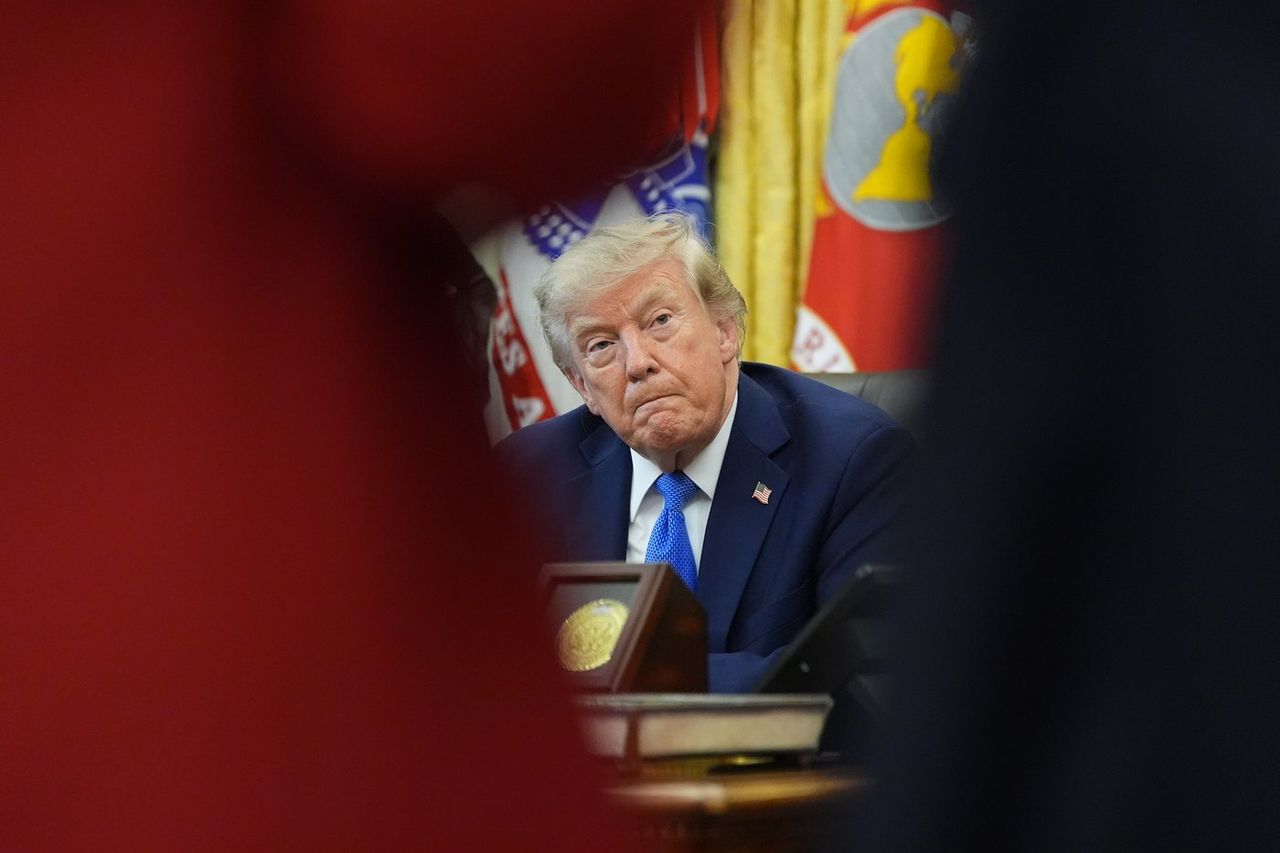
The U.S. House of Representatives has intensified its challenge to President Donald Trump's military campaign in Iran, approving a war powers resolution for the third time since June in an effort to terminate unauthorized hostilities that have now persisted for seven months. The 220-204 vote late Tuesday marked the most significant Republican defection yet, with seven GOP lawmakers joining all Democrats to demand congressional oversight of the conflict.
Deepening political divisions
The latest vote revealed growing fractures within Republican ranks as the midterm elections approach. While previous attempts saw only four Republican supporters, Tuesday's tally included three new GOP votes from Representatives Zachary Nunn and Mariannette Miller-Meeks of Iowa along with retiring South Carolina Representative Nancy Mace. They joined four consistent Republican backers of war powers measures: Tom Barrett of Michigan, Warren Davidson of Ohio, Brian Fitzpatrick of Pennsylvania, and Thomas Massie of Kentucky. This erosion of party unity suggests increasing discomfort with the administration's war policy among some Republican lawmakers.
Mounting economic consequences
The Congressional Budget Office's August assessment quantified the staggering financial burden of the conflict, which had already exceeded $38 billion by the start of that month. Current projections indicate monthly expenditures between $2-3 billion depending on combat intensity, with the war adding 0.5 percentage points to projected inflation through 2027. These economic impacts have become tangible for American voters through disrupted oil shipments via the Strait of Hormuz, contributing to rising gas prices that have emerged as a dominant campaign issue.
Representative Seth Moulton, a Massachusetts Democrat and Marine veteran who served in Iraq, underscored the gap between initial expectations and current reality.
"Remember when Donald Trump said that this war would last just a few weeks?"Moulton challenged his colleagues to fulfill their constitutional role rather than defer to
"another warmongering administration."
Constitutional debate reignited
The repeated war powers votes have brought renewed attention to the constitutional tension between congressional and executive authority over military engagements. While Article I grants Congress sole power to declare war, Article II designates the president as commander-in-chief with inherent authority to conduct military operations. The 1973 War Powers Act attempted to clarify this division by establishing specific timelines for congressional authorization of sustained military actions.
House Foreign Affairs Committee Chairman Brian Mast, a Florida Republican, led opposition to the resolution by framing the conflict as a necessary response to Iranian threats.
"They are a continuous ongoing threat to the United States,"Mast argued, portraying Trump's approach as ending
"forever wars"rather than initiating them. This defense reflects broader Republican efforts to characterize the administration's actions as defensive rather than escalatory.
Political dynamics ahead of midterms
With lawmakers preparing to campaign full-time for November's elections, the Iran conflict has become a defining political issue. An AP-NORC poll conducted in July found most Americans consider the war not worth fighting, presenting challenges for Republican candidates defending the administration's policy. The Senate's brief approval and subsequent reversal of a similar war powers resolution in July - following intense White House lobbying - demonstrates both growing congressional unease and the persistent difficulty of overcoming presidential opposition.
Strategic implications of congressional action
The series of war powers votes reflects deepening concern about open-ended military commitments and their domestic consequences. While largely symbolic given the likelihood of presidential vetoes, these measures establish important markers for future debates about war authority and accountability. The gradual increase in Republican support suggests potential cracks in what has been largely unified GOP backing for Trump's foreign policy, particularly among lawmakers from competitive districts or those not seeking reelection.
Economic pressures and voter concerns
House Speaker Mike Johnson acknowledged the war's economic impacts while predicting eventual relief as international allies assume greater regional security responsibilities.
"You're going to see, as the president said, anytime gas prices will go down again, the cost of groceries will as well,"Johnson told reporters, suggesting improvements might materialize after the November elections. This optimistic projection comes as voters confront the tangible economic effects of the prolonged conflict, with inflation at decades-high levels and energy prices remaining raised.
Future outlook for congressional action
With Trump's veto power remaining intact and Senate Republicans showing reluctance to consistently challenge the president, Congress appears unlikely to force an end to the conflict without significant political shifts following the midterms. However, the war's mounting costs and duration may test Republican unity further, especially if economic pressures persist or intensify. The evolving congressional dynamics surrounding this issue could foreshadow broader debates about executive power and military engagement that will extend well beyond the current administration.
Broader implications for U.S. foreign policy
The recurring war powers votes represent more than just a challenge to current military operations - they reflect a growing congressional assertiveness regarding foreign policy decision-making that could reshape future presidential administrations. These actions test the boundaries of executive authority established during previous conflicts and may establish new precedents for how Congress exercises its constitutional war powers in an era of persistent military engagements.