Toronto storm victims face insurance delays amid surge in claims
Residents across the GTA continue struggling with insurance claims and repair backlogs two weeks after a severe storm caused widespread vehicle and property damage, with overwhelmed systems creating bureaucratic hurdles for affected homeowners and drivers.
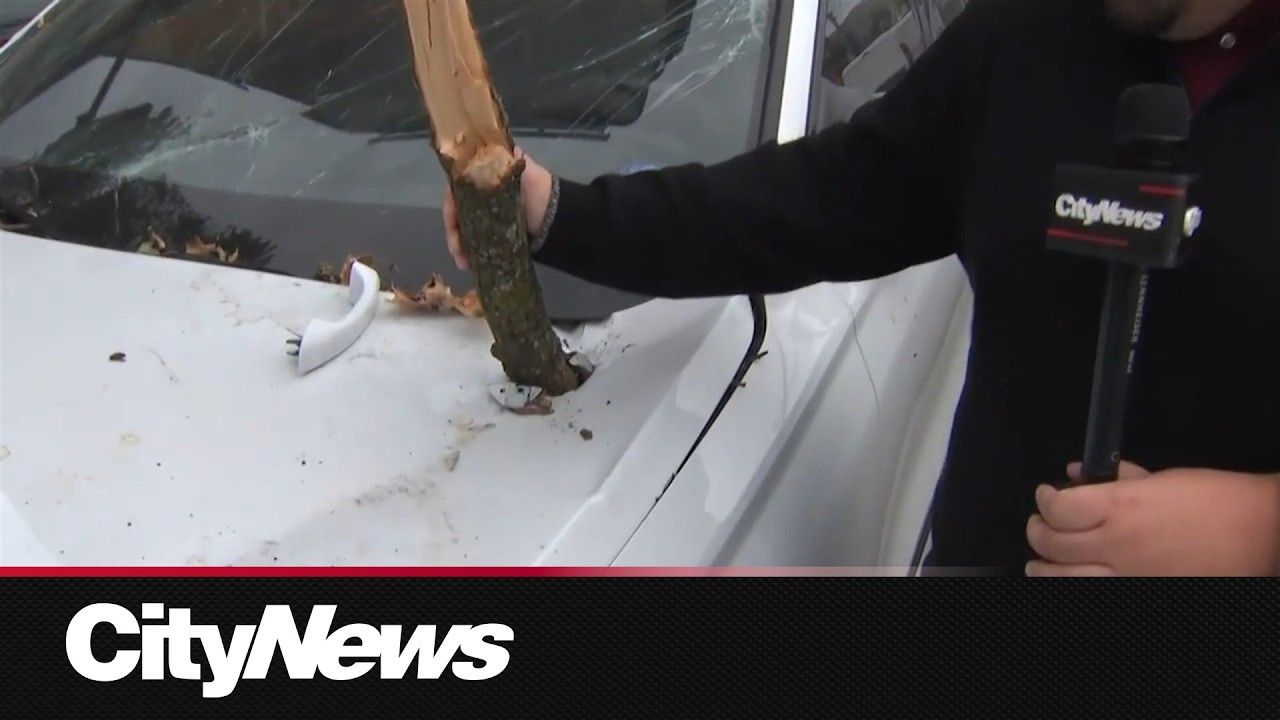
Storm leaves unprecedented damage across Toronto
The September 2 storm system that battered the Greater Toronto Area left a trail of destruction that continues to disrupt lives weeks later. The storm's ferocity became immediately evident as wind gusts exceeding 90 km/h uprooted mature trees and torrential rains dumped over 100 millimetres of water in some neighborhoods, flooding basements and submerging major roadways. Toronto Fire Services recorded 1,500 emergency calls within 24 hours, marking the second-highest call volume in the city's history after the devastating 2013 ice storm. The simultaneous occurrence of multiple hazards - including strong hail that pelted vehicles and properties - created a compound crisis that stretched emergency response systems to their limits.
Insurance systems buckling under claim volume
The sheer scale of insurance claims following the storm has exposed vulnerabilities in claims processing systems. East York resident John McCorkell's experience typifies the bureaucratic maze many policyholders now handle. After a massive tree crushed his parked vehicle, McCorkell initially found the claims process straightforward but soon encountered contradictory information about his vehicle's location and processing status. The situation worsened when his bank delayed providing documentation about a small outstanding loan balance, further stalling compensation.
"They started giving us paperwork to fill out, more paperwork, silly paperwork ... and a lot of people on the phones didn't know what they were talking about really," McCorkell told CityNews.
Adding financial pressure, McCorkell's temporary rental coverage was abruptly canceled despite the unresolved claim. His case illustrates how systemic bottlenecks are creating cascading problems for affected residents, from transportation challenges to financial strain.
Automotive repair industry innovates under pressure
Collision repair centers across Toronto have transformed into emergency response hubs, implementing innovative solutions to handle the unprecedented volume of storm-damaged vehicles. At Carstar Toronto Eastern, manager Raj Singh assessed an electric vehicle with catastrophic damage from a tree branch that penetrated the hood and engine compartment. The severity left Singh uncertain about repairability, noting they must wait for insurance authorization before proceeding. The shop, which typically handles minor collisions, found itself processing claims exceeding its usual scope and scale.
Excellence Auto Collision in Scarborough deployed extraordinary measures to address hundreds of hail damage cases, including flying in scanning specialists from Calgary and implementing cutting-edge assessment technology. The mobile scanning unit represents a significant advancement in damage documentation, using high-resolution cameras and specialized lighting to create comprehensive 360-degree vehicle scans in minutes rather than the hours required for manual inspection.
Technological leap in damage assessment
The hail scanning technology at Excellence Auto Collision demonstrates how innovation is transforming claims processing. Director Mark Millson explained how the system detected 211 dents on a single vehicle in approximately five minutes, with detailed mapping showing 49 dents concentrated on the roof. This technology eliminates the subjectivity and potential errors of manual inspections while providing indisputable documentation for insurers and policyholders.
"Traditionally this would all be counted by hand where somebody would sit there with a light ... very time consuming. Obviously (there's) the ability for human error to miss a dent," Millson said.
The precision of these scans creates transparent records that streamline the claims process, though the technology's limited availability means many claimants still face waiting periods for assessment.
Insurance industry mobilizes response resources
The Insurance Bureau of Canada has activated its consumer information center to assist policyholders handling complex post-storm claims. Anne Marie Thomas, the organization's consumer and industry relations director, noted that while severe weather events are becoming more frequent, the concentration of claims from this single storm has created exceptional challenges. With adjusters prioritizing cases where residents have been displaced from their homes, many property damage claims face extended processing times.
Thomas clarified that comprehensive or all-perils insurance policies should cover hail damage without affecting individual premiums, though widespread payouts could potentially influence regional rate structures. She emphasized meticulous documentation, advising policyholders to photograph all damage and retain receipts for emergency repairs or temporary accommodations.
Handling the post-disaster claims process
For residents dealing with storm damage, the insurance claims process requires both persistence and organization. Thomas recommended maintaining detailed logs of all insurer communications and being prepared to provide multiple documentation forms. She also cautioned homeowners to verify credentials of anyone claiming to represent their insurance provider, as post-disaster environments often attract fraudulent contractors.
The experiences following this storm reveal systemic pressures on urban disaster response systems. The insurance industry faces growing demands to modernize claims processing for climate change-induced weather extremes, while repair businesses must develop capacity to handle sudden demand surges without compromising service quality.
Long-term recovery challenges emerge
Complete recovery from the storm's damage will unfold in phases, with some repairs continuing for months. The automotive repair sector anticipates sustained high demand, particularly for hail damage repairs requiring specialized paintless dent removal techniques. Insurance companies continue working through claim backlogs, with complex cases involving multiple damage types facing the longest resolution times.
The Insurance Bureau of Canada encourages affected residents to contact their consumer information center at 1-844-227-5422 or [email protected] for assistance. As extreme weather events become more frequent, the lessons from this storm may inform how Toronto strengthens its resilience and response systems for future climate-related disasters.
Broader implications for urban climate adaptation
The September storm's aftermath highlights growing challenges cities face in adapting to climate change. The concentration of damage in Toronto's dense urban environment demonstrates how infrastructure and response systems designed for historical weather patterns struggle with contemporary extremes. Insurance industry leaders increasingly view such events not as anomalies but as indicators of a new normal, prompting reevaluation of risk models and response protocols.
For residents, the experience underscores the importance of understanding insurance coverage details before disasters strike. Many policyholders discover coverage limitations only during claims processes, emphasizing the need for clearer communication about policy terms and exclusions. As Toronto rebuilds, the storm's legacy may include not just repaired properties but improved systems for preparing for and responding to future extreme weather events.