Carney proposes private investment in Canada's major airports, sparking debate over costs and control
Prime Minister Mark Carney wants private investors to operate Toronto, Montreal, Calgary and Vancouver airports while Ottawa retains ownership of land and assets, aiming to redirect funds to regional airports but facing political opposition over potential passenger cost increases.
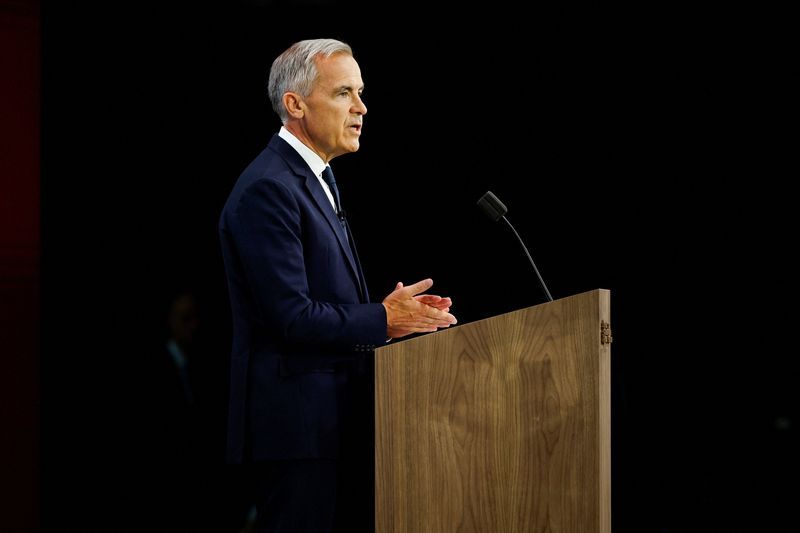
Prime Minister Mark Carney has proposed a significant shift in Canada's airport management structure that could reshape how the country's busiest air travel hubs operate. Speaking at a government-led investment summit in Toronto, Carney outlined plans to bring private sector operators into Canada's four largest airports - Toronto Pearson, Montreal-Trudeau, Calgary International, and Vancouver International - while maintaining federal ownership of the underlying land and core assets.
Details of the privatization proposal
The proposed model would see private investors take over airport operations through concession agreements, essentially long-term leases with strict performance conditions. Transport Canada would retain regulatory oversight of safety and security standards, while day-to-day management of facilities, from runway maintenance to terminal operations, would transfer to private entities. Carney framed this as an opportunity to redirect federal funding currently supporting major airports toward improving smaller regional facilities, potentially reducing costs for travelers using those airports.
Karen Hennessey, a partner specializing in business law at Gowling WLG, explained that these concession agreements would need to be carefully structured to protect public interests.
"This isn't going to be the situation where the concessionaire is allowed to just take over and run it the way they would run any other business,"Hennessey said, noting that government expectations on service levels, safety standards, fee structures and labor relations would need to be clearly defined in contracts.
Comparison with current airport management
Canada's existing airport governance model is unique among developed nations. Since the 1990s, airports have been operated by private, not-for-profit authorities that lease facilities from the federal government. These authorities, such as the Greater Toronto Airports Authority that runs Pearson, are financially independent entities that set their own fees and manage all operational aspects without direct taxpayer funding.
Deborah Flint, CEO of the Greater Toronto Airports Authority, recently acknowledged the current system's successes while expressing openness to private sector involvement. Flint noted the existing model has effectively guided Canada's largest air travel hub through decades of expansion and modernization, but said she shares the government's goal of finding ways to enhance capital investment.
International context and precedents
While privately operated airports remain rare in North America, they are common elsewhere. Research from the Journal of Air Traffic Management indicates that in 2018, 51 percent of the world's 100 busiest airports had some degree of private sector participation. Europe leads with 43 percent private involvement, followed by the Asia-Pacific region at 26 percent. Carney pointed out that Canadian pension funds already invest in foreign airports and could apply that expertise domestically.
International experience provides mixed lessons. Australia's experience with airport privatization shows passengers often face price increases when airports become privatized local monopolies, though service quality generally remains satisfactory. A 2023 University of Alberta study found private operators tend to achieve smoother operations with fewer cancellations and better terminal amenities, but at an average cost of about $20 more per passenger.
Political and industry reactions
The proposal has drawn sharp criticism from opposition parties. NDP Leader Avi Lewis warned against turning
"critical public assets into decades-long money printing machines for CEOs and their shareholders,"while the Bloc Québécois echoed concerns about rising travel costs. Conservative Leader Pierre Poilievre adopted a more cautious stance, saying he would need to review policy details to ensure it doesn't create
"sweetheart deals for corporate power brokers and Liberal insiders."
The Canadian Airports Council, representing airport authorities across the country, offered measured feedback. CEO Monette Pasher stated airports remain open to investment discussions that prioritize affordability and growth, while noting ongoing talks with Ottawa about extending existing airport leases.
Previous privatization attempts in Canada
This isn't the first time Canada has considered privatizing airport operations. In 2016, a federal review led by former cabinet minister David Emerson explored selling long-term leases for major airports, finding that Canada's airport cost structure made air travel more expensive than in comparable countries. However, the Liberal government ultimately abandoned the idea in 2018 after facing opposition from industry groups.
At that time, Massimo Bergamini, then-CEO of the National Airlines Council of Canada, strongly opposed privatization, calling for
"clear repudiation of an idea that carries no demonstrable benefits for travellers, communities or Canada's airlines."The current proposal appears to represent a more limited form of private sector involvement than the full lease sales previously considered.
Implementation challenges and timeline
Hennessey noted that negotiating successful concession agreements will require balancing investor needs with public protections.
"Like any commercial arrangement, there's going to be some balancing to be done to meet those competing interests,"she said. While motivated parties could reach agreements within six to nine months, Hennessey cautioned that
"getting the structure right is more important than moving quickly,"suggesting implementation may take longer.
The government will likely need to introduce legislative changes to enable the new operating model. Parallel discussions are already underway about extending existing airport leases, indicating Ottawa may be pursuing multiple paths to increase private sector participation in airport operations.
Potential impacts on Canadian air travel
The proposal raises significant questions about how privatization might affect Canada's air travel ecosystem. While private operators could bring capital for modernization and operational efficiencies seen abroad, the Canadian experience will depend heavily on regulatory safeguards. Key considerations include whether private management can improve service quality without excessive fee hikes, and how redirected federal funds might benefit regional airports.
With major airports serving as critical economic infrastructure and points of national connectivity, any changes will face scrutiny from airlines, passenger advocates, labor groups and municipal leaders. The government's challenge lies in designing a model that attracts private investment while maintaining affordable access to essential air services across the country.