RCMP tells Air India Flight 182 families no further investigative leads remain in Canada's deadliest terror attack
Victims' families express frustration as RCMP confirms the 1985 bombing case will move to inactive status after 41 years with no active suspects.
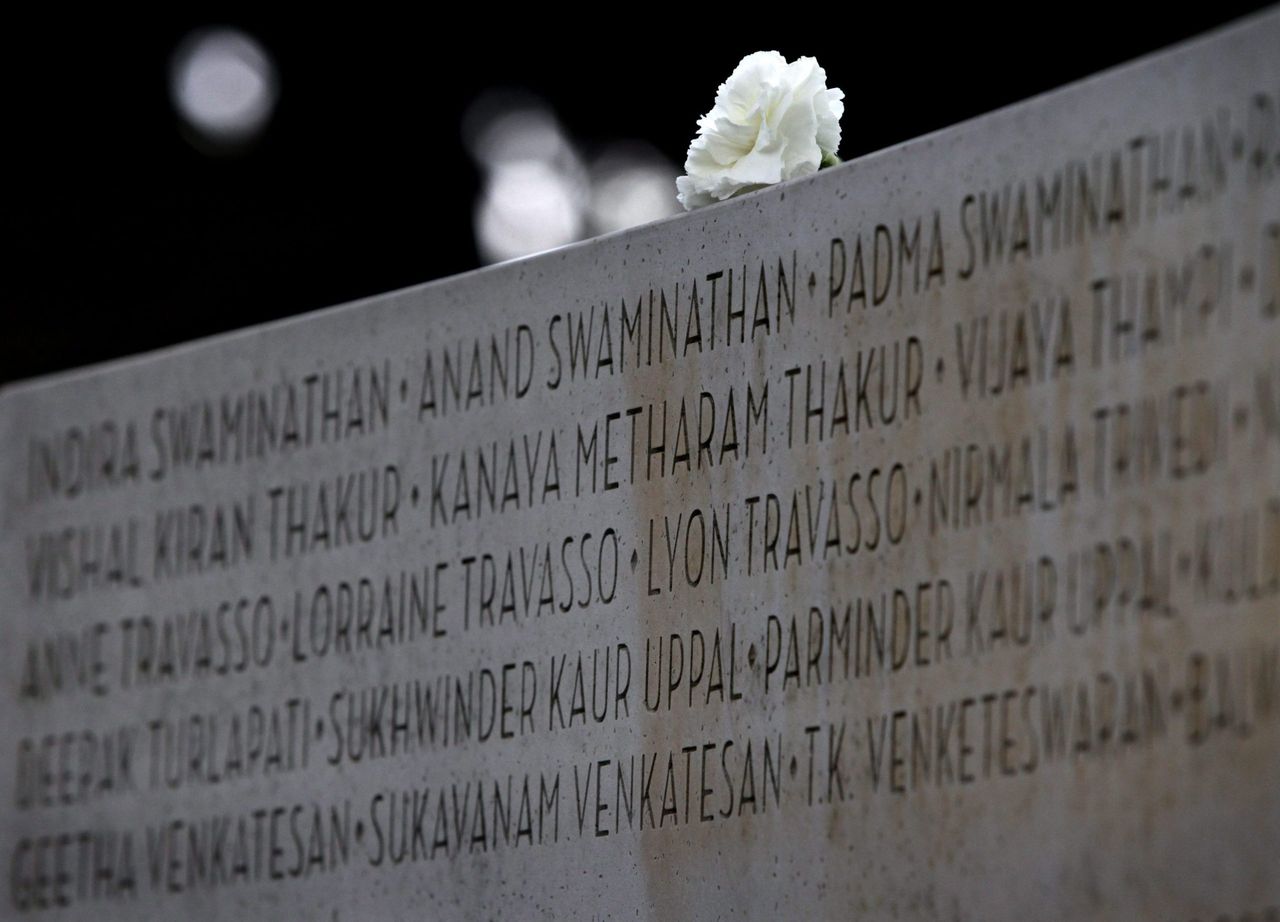
Families of the victims killed in the 1985 Air India Flight 182 bombing have received what may be the final official word from Canadian authorities about seeking justice for Canada's deadliest mass murder. The RCMP informed approximately 65 family members during a recent meeting that no further investigative avenues remain to pursue, effectively moving the case to inactive status after 41 years of investigation.
The devastating update
RCMP investigators confirmed there are currently no persons of interest or suspects under consideration in the case that claimed 329 lives. While the investigation technically remains open, authorities acknowledged no proactive investigative work is being conducted and no agents are actively assigned to pursue leads. Deepak Khandelwal, who lost two sisters in the attack, described the meeting as profoundly disappointing for families who have waited decades for answers.
"This is Canada's largest mass murder, the worst act of aviation terrorism in the world, other than 9/11, and basically the RCMP is throwing their hands up and saying we can't do anything about this,"said Khandelwal. He explained that maintaining an open file without active investigation provides little comfort to families who expected continued efforts to hold perpetrators accountable.
A terrorist attack with Canadian roots
The bombing occurred on June 23, 1985, when explosives hidden in checked luggage detonated aboard Air India Flight 182 over the Atlantic Ocean near Ireland. The explosion killed all 329 passengers and crew members. Among the victims, 286 were Canadian citizens of East Indian descent, making this not just an international aviation disaster but a profound Canadian tragedy. The aircraft had originated in Toronto and was en route to India via London when the bomb detonated.
In a coordinated attack the same day, another bomb exploded at Japan's Narita Airport while being transferred to another Air India flight, killing two baggage handlers. Investigators later determined both bombings were linked to Sikh extremist movements operating in Canada at the time.
Historical context of the attack
The attacks emerged from the political turmoil following the 1984 Indian military operation at the Golden Temple in Amritsar and the subsequent assassination of Prime Minister Indira Gandhi by her Sikh bodyguards. These events radicalized elements of the Sikh diaspora, including in Canada where extremist groups like Babbar Khalsa became active. Talwinder Singh Parmar, the identified mastermind behind the bombing, was a prominent leader of this listed terrorist organization in both Canada and India.
Parmar returned to India after the bombing and was killed by Punjab police in 1992 before facing trial. His death eliminated the possibility of prosecuting the alleged architect of the attack, leaving many questions unanswered about the network behind the bombings.
Canada's failed prosecutions
The subsequent investigation became the longest and most expensive in Canadian history, spanning nearly two decades before reaching trial. In 2005, prosecutors brought charges against two alleged conspirators - Ripudaman Singh Malik and Ajaib Singh Bagri - but both were acquitted after a lengthy trial. Malik was later murdered in 2022 outside his Surrey, B.C. business in an unrelated incident.
The only conviction came against Inderjit Singh Reyat, who pleaded guilty to manslaughter and bomb-making charges. Initially sentenced to 10 years, he received an additional 9 years for perjury during the Malik and Bagri trial. Reyat's limited cooperation and the acquittals of other accused left families feeling justice remained incomplete.
The mystery of Mr. X
RCMP also provided updates about an individual known as "Mr. X" connected to the case. While investigators confirmed they had identified this person, they stated no definitive link to the bombing could be established before the suspect's death last year. Families had requested information about this individual since June 2025 but only received confirmation of his death at the September meeting.
This pattern of delayed information sharing has frustrated families throughout the investigation. Khandelwal noted the RCMP has been inconsistent in keeping families informed about developments, creating additional distress for those seeking closure.
Families demand continued action
Khandelwal criticized the RCMP's lack of transparency about investigative efforts since 2005, noting that when pressed at the meeting, officers
"really couldn't answer the question"about what specific steps had been taken in recent years. With witnesses and suspects dying over time, families argue the window for justice is closing rapidly without proactive investigation.
"We, as the families, believe that this investigation should continue and be moved into an active status,"said Khandelwal.
"We would like them to pursue all angles and there's definitely investigative angles that are open for them to investigate both of the people responsible and also the broader organization responsible for killing 331 innocent people."
Systemic failures in terrorism response
The Air India bombing exposed critical gaps in Canada's national security apparatus during the 1980s. Despite warnings about Sikh extremist activities in Canada, authorities failed to prevent the attack or effectively share intelligence between agencies. The subsequent commission of inquiry led to major reforms in how Canada handles terrorism threats and coordinates between police services.
These changes included the creation of integrated national security enforcement teams and improvements to aviation security. However, the lack of successful prosecutions has left lasting scars on Canada's Indo-Canadian community and raised persistent questions about whether justice was ever truly prioritized for victims who were predominantly racialized Canadians.
The legacy of unresolved justice
The RCMP's decision to effectively close active investigation represents more than an administrative change - it marks the likely final chapter in seeking accountability for Canada's worst terrorist attack. For families who have fought for four decades to see those responsible held accountable, this transition to inactive status confirms their worst fears that full justice may never come.
The case continues to influence how Canada approaches terrorism investigations, particularly those involving domestic radicalization. While security protocols have improved since 1985, the unresolved nature of this crime leaves open questions about whether similar attacks could be prevented today. As Canada faces new extremist threats, the lessons from this tragedy remain relevant to contemporary security challenges.