Peel paramedics launch medical drone pilot project to deliver life-saving supplies in Bolton
Peel Regional Paramedic Services is testing a drone delivery system for emergency medical supplies in Bolton, aiming to reach patients minutes faster than ambulances.
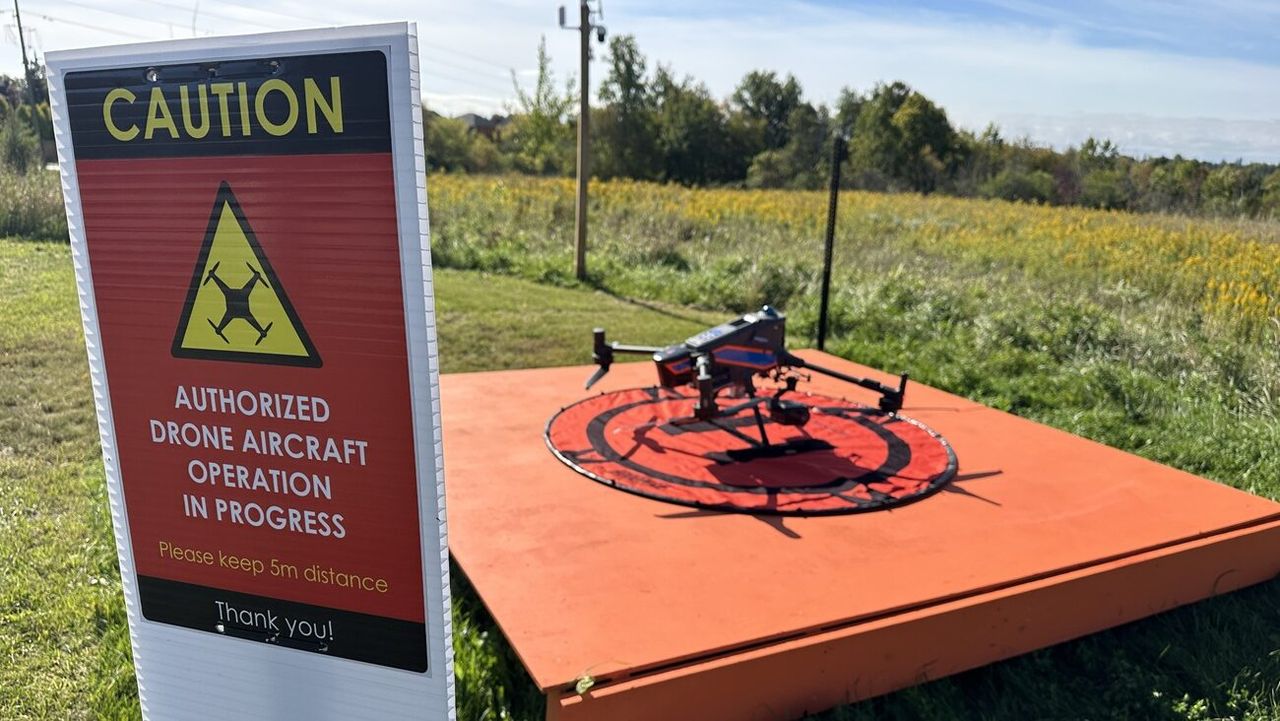
Peel Region paramedics have launched an innovative pilot project that could transform emergency medical response in the community. The medical drone initiative, which began operations this week from a paramedic and fire station near Highway 50 in Bolton, represents a significant advancement in pre-hospital care delivery.
Revolutionizing emergency response
The drone program specifically targets time-sensitive medical emergencies where immediate intervention can mean the difference between life and death. Each drone is equipped with essential medical supplies including automated external defibrillators (AEDs) for cardiac arrests, epinephrine auto-injectors for anaphylactic reactions, naloxone kits for opioid overdoses, and trauma supplies to control severe bleeding. These supplies address four critical emergency scenarios that require rapid treatment.
Paul Snobelen, a community programs specialist with Peel Paramedics, explained the operational advantages of drone deployment:
"We don't compete with traffic, we don't compete with red lights and geography isn't an issue for us.The drones operate within a carefully defined four-kilometre radius that has been approved by Transport Canada, with each flight requiring a pre-filed flight plan for safety and regulatory compliance.
Technical operation and capabilities
The drone delivery process begins when dispatchers identify an emergency that could benefit from immediate medical supply delivery. Specially trained paramedic personnel then program the drone with the exact coordinates of the emergency location. Upon arrival at the scene, the drone identifies a safe drop zone, hovers at approximately 10 feet above ground level, and gently lowers its medical payload in a secure bag.
While these drones have a maximum speed capability of 100 km/h, operators are currently maintaining a more conservative speed of about 40 km/h during this initial testing phase. This allows for thorough evaluation of the system's performance while maintaining safety margins. The drones are equipped to handle some adverse weather conditions, though officials note that reduced visibility and strong winds remain significant operational challenges that may temporarily prevent flights.
The critical time factor in emergencies
Medical research consistently shows that rapid intervention dramatically improves outcomes for several life-threatening conditions. For cardiac arrest patients, survival rates decrease by 7-10% with each passing minute without CPR and defibrillation. Similarly, anaphylactic reactions and opioid overdoses require immediate medication administration to prevent fatal outcomes.
Alison Crossby, Peel Paramedics' community programs unit commander, emphasized the program's potential impact:
"Minutes really do matter in a cardiac arrest or in a life-saving emergency; It can be the difference between somebody recovering and having full cognitive capacity afterwards or not leaving the hospital afterwards.Preliminary data indicates the drones consistently arrive at emergency scenes three to eight minutes faster than traditional ambulance responses, a time difference that could prove clinically significant for many patients.
Implementation and coordination
Following the drone's delivery of medical supplies, the system relies on coordinated communication between multiple parties. The drone operator immediately notifies 911 dispatchers that the package has been delivered. Call takers then provide instructions to bystanders or family members at the scene, guiding them to retrieve the supplies and administer the appropriate interventions. In some cases, paramedics may provide real-time guidance through phone instructions or Facetime connections.
This multi-layered approach ensures that even without medical professionals physically present, patients can receive potentially life-saving interventions while waiting for paramedics to arrive. The program represents a novel integration of technology, emergency medical protocols, and community engagement.
Funding and program development
The $250,000 pilot project received crucial funding support from Sunnybrook Health Sciences Centre, which provided grant and research money. These funds covered all necessary equipment purchases, specialized software development, comprehensive staff training, and initial operational costs. Crossby noted that during the trial period, the service aims to deploy drones to approximately 50% of qualifying emergency calls within their operational radius.
As the program progresses through its pilot phase, paramedics will systematically collect performance data to evaluate effectiveness across multiple metrics. The service has already planned for winter maintenance procedures to ensure continuous operation through colder months. A comprehensive review will follow the pilot's conclusion, though officials have not yet established a timeline for determining whether to expand or make the program permanent.
Integration with traditional EMS
Program leaders emphasize that the drone initiative is designed to complement rather than replace conventional ambulance services. Crossby described the project as
"the future of technology...the future of innovation...the future of healthcare,while making clear that ground paramedics will continue responding to all emergencies. The drones serve as a first-response bridge, delivering immediate interventions until trained medical personnel can arrive to provide comprehensive assessment and care.
This layered response model represents an evolution in emergency medical services, where technology enhances rather than replaces human expertise. The program's focus on Bolton was strategically chosen due to the area's mix of urban and rural characteristics, which present varied response challenges that can help evaluate the system's versatility.
Potential for broader impact
The success of this pilot could have implications far beyond Peel Region. As communities across Canada face similar challenges of increasing call volumes, traffic congestion, and geographic barriers to rapid emergency response, drone technology may offer a scalable solution. The program's data could inform similar initiatives in other municipalities, particularly in rural areas or densely populated urban centers where traditional EMS response faces unique challenges.
The project also highlights the expanding role of paramedics as healthcare innovators, actively developing and implementing new technologies to improve patient outcomes. As emergency medical services continue to evolve, such forward-thinking initiatives demonstrate how strategic innovation can address systemic challenges in healthcare delivery.
Ultimately, as Crossby succinctly stated, the true measure of the program's success lies in its most fundamental potential:
"Saving a life, it's as simple as that.The Bolton pilot represents not just a technological experiment, but a meaningful step toward that goal.