Enbridge expands U.S. oil footprint with $2.55B acquisition of Tallgrass Energy assets
Calgary-based Enbridge strengthens its U.S. crude oil infrastructure with major pipeline and storage acquisitions while preparing for leadership transition.
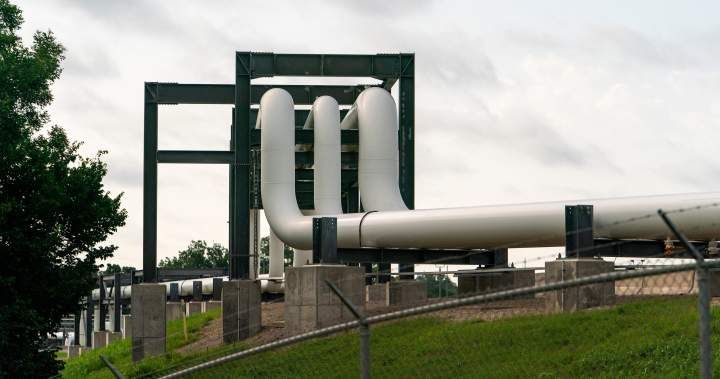
Calgary-based energy giant Enbridge Inc. is making another significant move into the U.S. market with a US$2.55 billion deal to acquire the crude oil business of Tallgrass Energy LP. The transaction, announced Wednesday, marks Enbridge's second major U.S. infrastructure purchase in two weeks following its US$600 million acquisition of Salt Creek Midstream's Texas operations. These back-to-back deals signal Enbridge's aggressive strategy to capitalize on growing American oil production and infrastructure needs.
Key assets in the deal
The acquisition gives Enbridge a controlling 75% stake in the strategically important Pony Express Pipeline, a 460,000-barrel-per-day system that serves as a critical artery moving crude from the Rockies region to Cushing, Oklahoma. Cushing functions as both the delivery point for West Texas Intermediate crude futures and a major storage hub that connects multiple pipeline systems. Enbridge has committed an additional US$300 million investment to expand the Pony Express system's capacity by 55,000 barrels per day to 515,000, reflecting confidence in growing production from the Rocky Mountain region.
Beyond pipeline assets, the deal provides Enbridge with a 51% interest in Wyoming's Powder River Gateway system, approximately 8.4 million barrels of storage capacity distributed across nine terminals, and an established crude marketing business. This comprehensive package complements Enbridge's existing midstream network while providing new connections to emerging production areas.
Strategic rationale
Enbridge CEO Greg Ebel positioned both recent acquisitions as carefully selected opportunities that align with the company's long-term infrastructure strategy.
"Both acquisitions ... represent the types of opportunities that do not come along very often, and even more rarely meet our disciplined evaluation criteria,"Ebel told analysts during a Wednesday conference call. The company's evaluation process focuses on assets that provide stable cash flows, have expansion potential, and fill strategic gaps in Enbridge's network.
In its official statement, Enbridge emphasized its belief that U.S. crude oil production will continue playing a pivotal role in global energy markets for decades to come. The Tallgrass acquisition specifically strengthens Enbridge's ability to transport and store growing volumes of American crude oil while connecting these supplies to key market hubs. This aligns with broader industry trends showing U.S. crude production reaching record levels in recent years, with the Energy Information Administration projecting continued growth through 2024.
Leadership transition underway
The acquisition announcement came just one day after Ebel revealed his planned retirement at the end of 2024, with current head of Enbridge's gas utilities business Michele Harradence slated to become the company's new CEO. Ebel framed the timing of these major deals as demonstrating organizational stability during the leadership transition period.
"Our continued momentum on these strategically important transactions during a time of CEO succession reflects the strength of Enbridge's planning, deep bench strength and execution capabilities,"Ebel told analysts.
Harradence's impending leadership comes as Enbridge executes this expansion of its U.S. crude oil infrastructure. With extensive experience managing Enbridge's natural gas utility operations across North America, she brings operational expertise in regulated energy infrastructure that will prove valuable as the company integrates these new assets.
Regulatory timeline
Enbridge expects the Tallgrass deal to close later in 2026, pending satisfaction of standard closing conditions including U.S. antitrust reviews. The extended regulatory timeline reflects both the complexity of energy infrastructure transactions and increased scrutiny of midstream mergers under current U.S. antitrust policies. The Department of Justice and Federal Trade Commission have shown particular interest in pipeline transactions that might affect competition in specific regional markets.
Expanding U.S. presence
These acquisitions continue Enbridge's multi-year strategy of expanding its U.S. midstream infrastructure portfolio. The company already operates North America's largest crude oil pipeline system, including the Mainline network that transports the majority of Canadian crude exports to U.S. refineries. By adding more U.S.-based assets, Enbridge diversifies its revenue streams while positioning itself to benefit from projected increases in American oil production.
The Powder River Basin and Rocky Mountain regions where these new assets operate have shown steady output growth in recent years, with the U.S. Energy Information Administration reporting Wyoming's oil production increasing nearly 50% between 2016 and 2022. These acquisitions give Enbridge direct access to these growing production areas while strengthening its connectivity to the Cushing hub that serves as the nexus for North American crude oil trading.
Market context
Enbridge's move occurs against a backdrop of shifting investment patterns in North American energy infrastructure. While capital expenditures for new pipeline construction have slowed due to regulatory hurdles and environmental opposition, demand for midstream services continues growing alongside U.S. production. This dynamic has made existing infrastructure assets increasingly valuable, particularly those with available capacity for expansion like the Pony Express system.
The deal also reflects broader trends of Canadian energy companies increasing their U.S. presence to participate in shale production growth while facing challenges expanding infrastructure in their home market. Enbridge's Mainline system remains constrained by capacity limitations, making U.S. acquisitions an attractive alternative for growth.
Why it matters
Enbridge's latest move underscores both the shifting geography of North American energy production and Canadian firms' strategies for participating in that growth. While Canada's oil sands remain a core part of Enbridge's business, the company recognizes that future volume growth will increasingly come from U.S. shale plays and conventional fields.
The acquisitions demonstrate how major Canadian energy companies are adapting to the current investment climate by pursuing opportunities where infrastructure bottlenecks create value. With regulatory hurdles for new pipeline construction remaining high, purchasing existing assets with expansion potential offers a pragmatic path for growth. As leadership transitions to new CEO Michele Harradence, these deals establish a clear strategic direction focused on integrated North American energy infrastructure.