Amelanchier alnifolia
Amelanchier alnifolia, commonly known as the saskatoon berry, is a deciduous shrub native to North America and a prominent member of the rose family. It is celebrated for its sweet, nutty, edible fruit, which has been a staple food for Indigenous peoples in Canada for centuries and remains a culturally significant ingredient in prairie cuisine. The plant is highly adaptable, thriving across western Canada from Alaska through the prairies, and is valued both for its ecological benefits and its commercial potential in orchards and home gardens. Its name is immortalized in the city of Saskatoon, Saskatchewan, reflecting its deep roots in Canadian identity and landscape.
Description and Identification
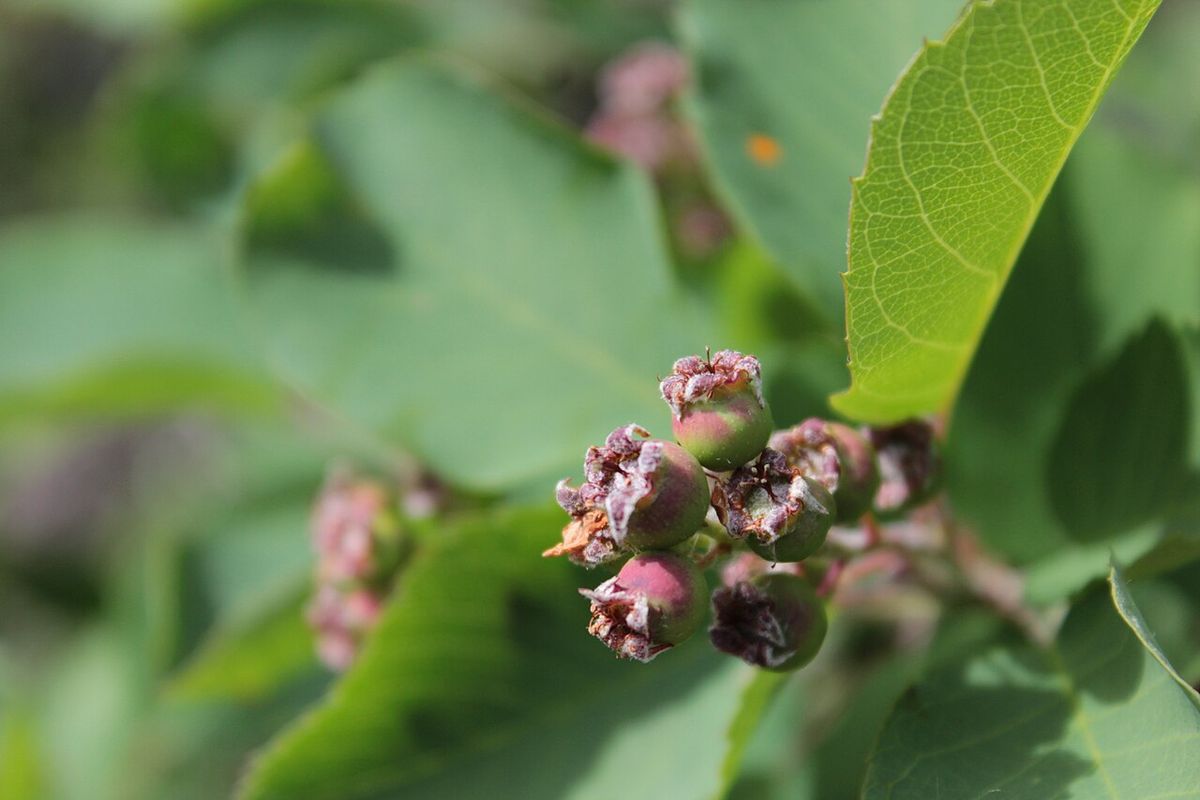
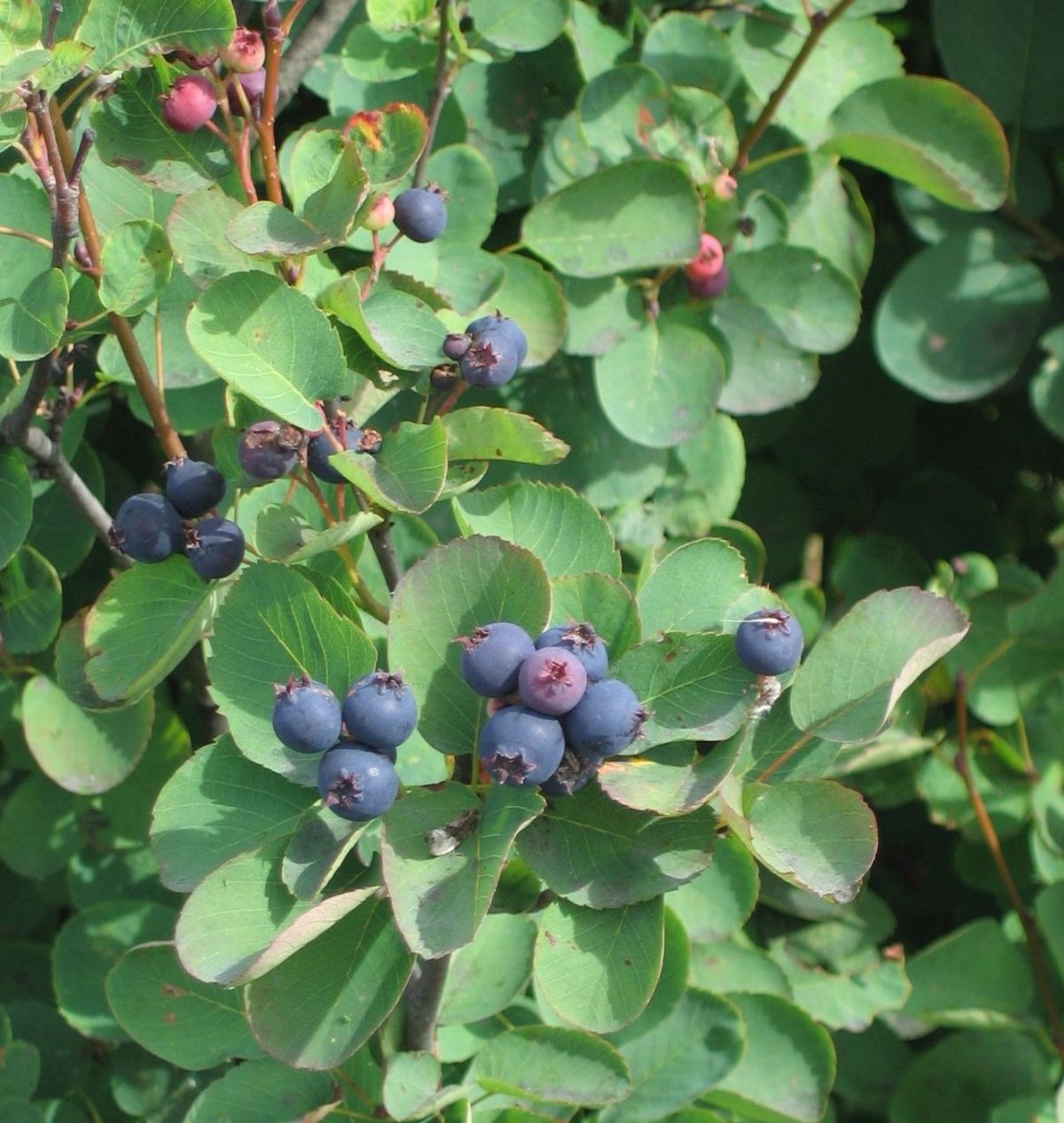
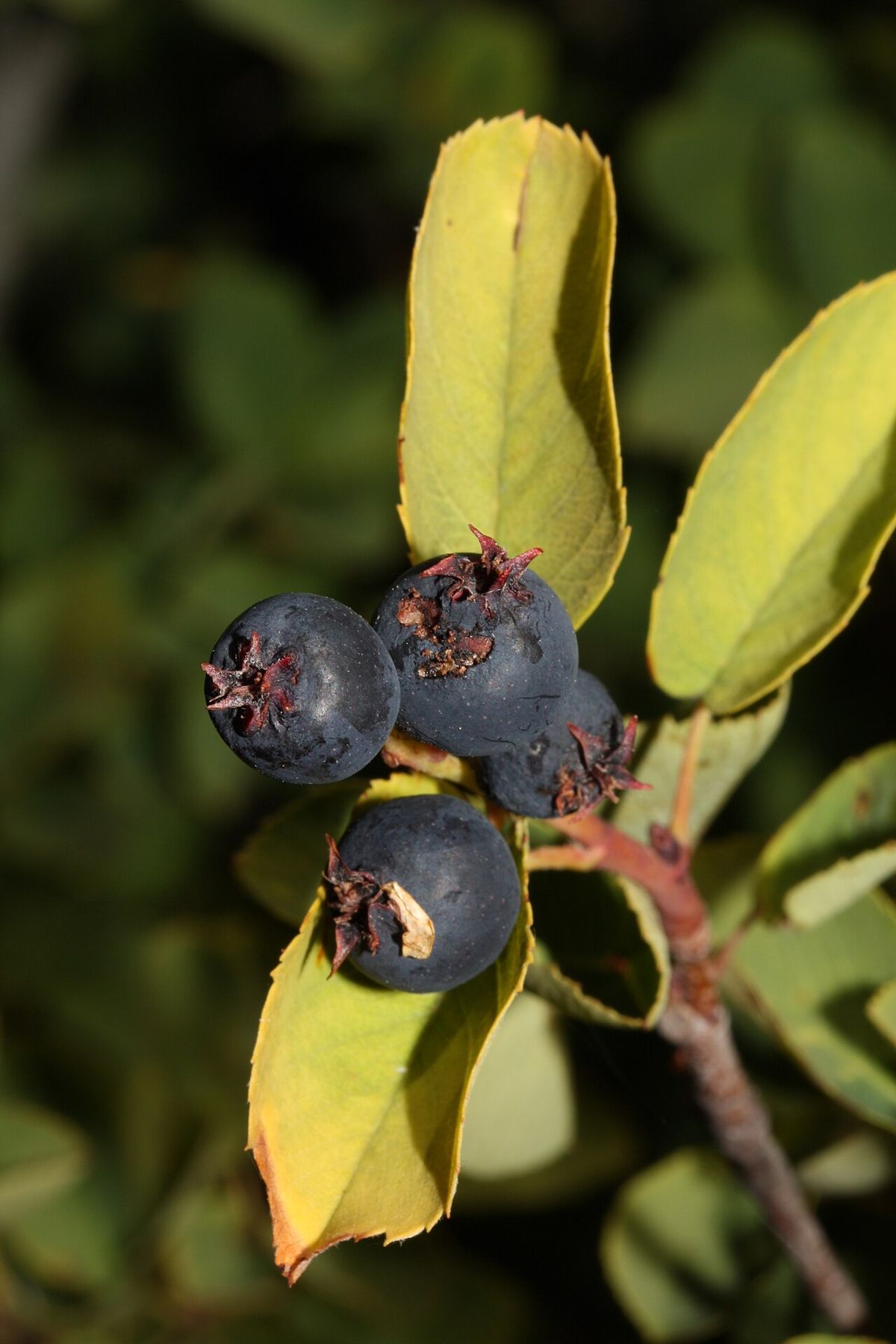
Amelanchier alnifolia is a versatile deciduous shrub or small tree that typically grows between 1 and 8 metres in height, though exceptional specimens can reach 10 metres. Its growth form varies from suckering and forming dense colonies to appearing as a clumped, multi-stemmed plant, and in rich soils a single trunk may develop and attain 30 feet in height. The leaves are oval to nearly circular, measuring 2 to 5 centimetres in length and 1 to 4.5 centimetres in width, with toothed margins primarily on the upper half and supported by a short leaf stem of 0.5 to 2 centimetres. In spring, the plant produces compact clusters of fragrant, delicate white flowers, each about 2.5 to 5 centimetres across with five separate petals, twenty stamens, and five styles, appearing on short racemes of 3 to 20 blossoms. The fruit is a small purple pome, 5 to 15 millimetres in diameter, with a characteristic waxy bloom that ripens to a dark blue-purple colour in early summer, resembling a blueberry. The foliage provides excellent autumn colour, turning shades of orange and red for an extended period, which adds to its ornamental appeal in landscapes.
Distribution and Habitat
The saskatoon berry has an extensive native range across North America, from Alaska through the entirety of western Canada and into the western and north-central United States. It demonstrates remarkable ecological adaptability, growing from sea level in northern regions to elevations of 2,600 metres in California and an impressive 3,400 metres in the Rocky Mountains. This shrub is commonly found in the understory of forests, within canyons, and on open slopes, thriving in a variety of conditions. It prefers a rich, well-drained loamy soil but is notably drought-tolerant and can grow in any sandy or clayey soil that is not water-logged or too dry, avoiding only poorly drained or heavy clay soils lacking organic matter. Shallow soils should be avoided, especially if the water table is high or erratic, as this can hinder plant establishment and health. Its wide distribution and habitat flexibility make it a familiar component of the western Canadian landscape, valued for its hardiness and resilience.
Cultivation and Horticulture
Cultivating saskatoon berries requires specific techniques to ensure successful establishment and long-term productivity. For commercial or orchard planting, seedlings are typically spaced 4.0 to 6.1 metres between rows and 0.46 to 0.91 metres between individual plants within a row. The plants are exceptionally winter-hardy, capable of surviving harsh Canadian climates, but late spring frosts can damage the blooms as late as May, impacting fruit set. Ample sunshine is crucial for proper fruit ripening during the early summer, and large amounts of sunshine are needed for this process. Propagation from seed involves a process of cold stratification, where seeds are soaked for 12 to 24 hours, sown just under the soil surface, covered with plastic, and placed in a refrigerator for approximately 90 days before being brought to a room temperature of 20-22°C (68-72°F) for germination, which can take 30 to 90 days after the warming period. Once established, a healthy saskatoon berry bush can remain productive for 30 years or more, offering a long-term yield for growers, and it is quite drought tolerant once mature.
Several cultivated varieties of Amelanchier alnifolia have been developed to enhance specific traits for gardeners and farmers. Cultivars such as 'Regent' and 'Standing Ovation' are selected for improved fruit production and uniform growth habit. These selections maintain strong ornamental qualities, including showy spring flowers and attractive fall colour. They also offer strong ecological benefits, such as providing nectar for pollinators and fruit for wildlife. Their development aims to provide more predictable performance for managed landscapes and food production systems.
- 'Regent': A compact, cold-hardy cultivar growing 4 to 6 feet tall, selected for abundant, sweet berries and uniform growth, ideal for smaller landscapes and noted for its showy spring flowers and attractive fall colour.
- 'Thiessen': Known for excellent yield, it is promoted for use in edible hedges, natural orchards, or as a food crop for fresh consumption, jams, juices, or drying, offering reliability for food production.
- 'Standing Ovation': Valued for its strong upright, columnar habit, making it suitable for hedges, screens, or focal points, with abundant white flowers, edible fruit, and excellent fall colour in shades of orange and red.
These cultivars demonstrate good adaptability and cold hardiness in northern climates. The species Amelanchier alnifolia has exceptional winter hardiness, although frost can damage blooms. Cultivars like 'Regent' are noted for improved reliability in northern climates. This makes them suitable for a wide range of Canadian gardens and orchards. They are adaptable to most soil types, though they avoid poorly drained or heavy clay soils.
Nutritional and Chemical Composition
Saskatoon berries offer a substantial nutritional profile, comparable to that of blueberries, making them a valuable addition to the diet. They contain significant amounts of total dietary fibre, along with vitamins like riboflavin (B2) and biotin (B7). The berries are also a good source of essential dietary minerals, particularly iron and manganese. Chemically, the fruit is rich in polyphenols, with an average total polyphenol content of 452 milligrams per 100 grams across common cultivars like 'Smoky' and 'Northline', although phenolic values can vary by cultivar. These beneficial compounds include flavonols (61 mg) and anthocyanins (178 mg), which contribute to the berry's antioxidant properties and deep colour. Specific anthocyanins identified in saskatoons include cyanidin, delphinidin, pelargonidin, petunidin, peonidin, and malvidin, while the flavonol quercetin is also present. This detailed chemical composition supports the berry's reputation as a healthful, nutrient-dense food with potential benefits from its diverse array of plant compounds.
Culinary and Traditional Uses
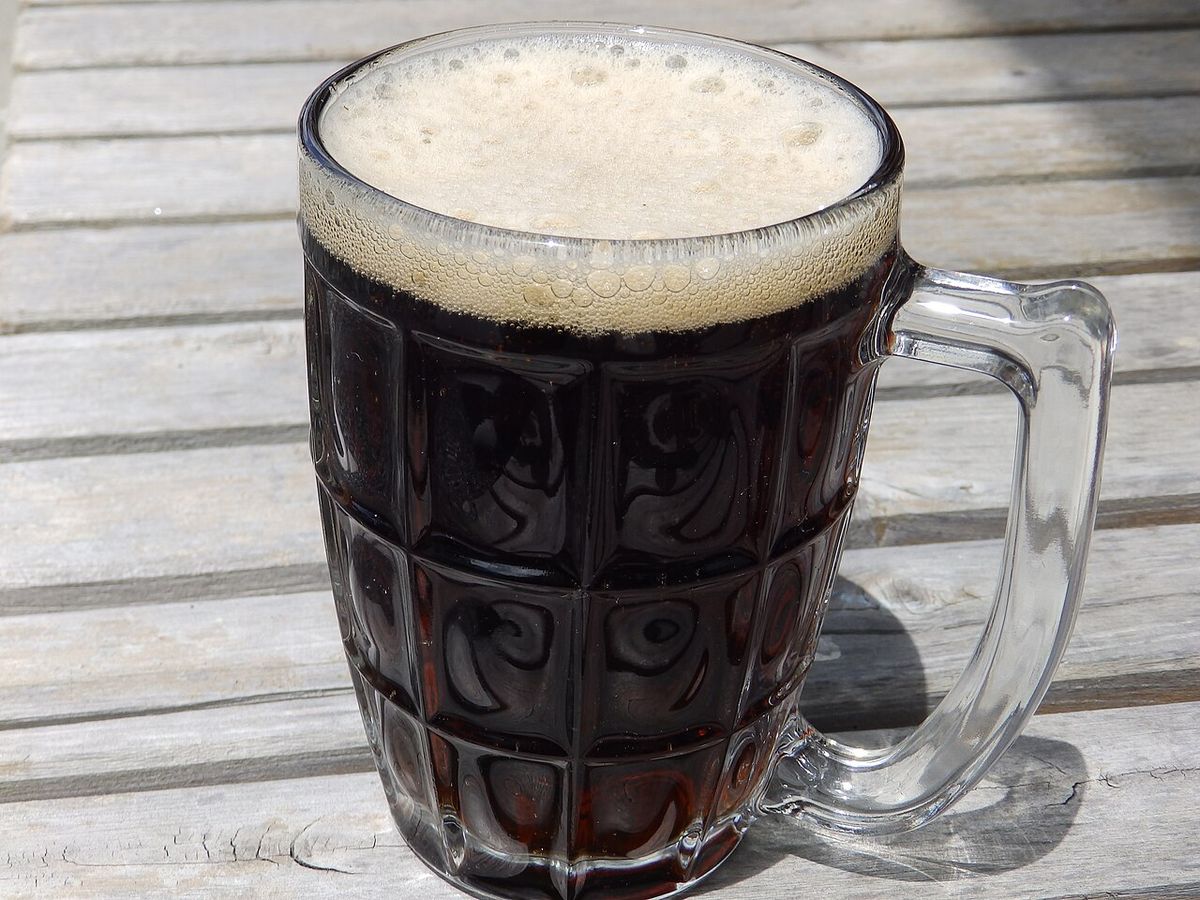
The sweet, nutty flavour of saskatoon berries has secured their place in Canadian culinary tradition, both historically and in modern kitchens. For millennia, Indigenous peoples across Canada have consumed the berries fresh or dried, and they are famously a key ingredient in pemmican, where they were added to dried meat for flavour and as a preservative. Today, the berries are processed into a wide array of popular food and drink products. Saskatoon berry pie is a celebrated dessert on the Canadian prairies, deeply associated with regional identity. The fruit is also commonly made into jams, jellies, and preserves. Beyond these, saskatoons are used to produce wines, ciders, and craft beers. Processed berries are often sugar-infused and dried, resembling dried cranberries, and are incorporated into breakfast cereals, trail mixes, and various snack foods, expanding their commercial reach and providing a uniquely Canadian product for domestic and international markets.
Ecology and Associated Wildlife
Amelanchier alnifolia plays a significant ecological role, supporting a diverse array of wildlife throughout its life cycle. The foliage is browsed by mammals including deer, elk, rabbits, and livestock. The fruit serves as a crucial food source for many mid-sized birds, small mammals like squirrels, and large mammals such as bears. The plant is also an important larval host for several butterfly species, including the pale tiger swallowtail, two-tailed swallowtail, and the western tiger swallowtail. In turn, the early spring blossoms provide a vital nectar source for pollinators emerging from winter dormancy, and the plant is noted as being pollinator-friendly. However, the shrub is susceptible to several pests and diseases which can affect its health and productivity in both wild and cultivated settings, requiring attention in managed landscapes.
The plant faces challenges from various pathogens and insects that can impact its growth and fruit yield. Common diseases include cedar-apple rust, Entomosporium leaf spot, fireblight, brown rot, Cytospora canker, powdery mildew, and blackleaf. Problem insects include aphids, thrips, mites, bud moths, saskatoon sawflies, and pear slug sawflies. Effective management of these issues is important for maintaining healthy plants in orchards and gardens, though in natural settings they form part of the ecosystem's balance. The plant's attractiveness to wildlife and its role as a host species contribute to its value in supporting biodiversity and creating functional edible landscapes.
Cultural Significance and Naming
The saskatoon berry holds considerable cultural significance, particularly in Western Canada where it is intertwined with history, place names, and traditional knowledge. The common name 'saskatoon' derives from the Cree inanimate noun misâskwatômina (plural misâskwatômina). This connection is permanently etched into the Canadian map through the city of Saskatoon, Saskatchewan, which is named after the berry. The city further honours this heritage with a baseball team named the Saskatoon Berries. For Indigenous communities, the plant is more than a food source, it is a seasonal indicator embedded in traditional ecological knowledge. For instance, the Nlaka'pamux observe that when the saskatoon berry starts blooming, bitterroot is ready to be harvested. Similarly, the Syilx or Okanagan people use the blooming of brittle pricklypear cactus as a signal that saskatoon berries are ready to pick. The plant's other names, such as serviceberry, juneberry, and shadbush, reflect comparisons made by European immigrants who found it similar in appearance to the European service tree plants of genus Sorbus and Cormus, and historically it was also called pigeon berry.
Commercial Considerations and Safety
The commercial journey of the saskatoon berry has included regulatory scrutiny that highlights the process of introducing a native food into broader markets. In 2004, the British Food Standards Agency temporarily suspended saskatoon berries from retail sales in the United Kingdom pending safety evaluations. This precautionary measure was taken to ensure the novel fruit met all food safety standards for the European market. The ban was eventually lifted after the necessary assessments were completed, allowing for the continued export and sale of saskatoon products. This episode illustrates the global interest in the berry and the regulatory frameworks that govern non-traditional foods. In Canada, the berry faces no such restrictions and continues to grow in popularity, supported by a developing industry focused on cultivated varieties, value-added products, and the promotion of its unique Canadian heritage. Nurseries like Satinflower Nurseries, located on Coast Salish Territories, propagate native plants including saskatoon, contributing to both ecological restoration and the availability of plants for home cultivation.
Taxonomy and Varieties
Within the species Amelanchier alnifolia, botanists recognize three distinct varieties that correspond to different geographical regions across its extensive range. These varieties exhibit subtle morphological differences adapted to their local environments. The typical variety, A. a. var. alnifolia, is found in the northeastern part of the species' range. A. a. var. pumila is native to the Rocky Mountains and Sierra Nevada regions. A. a. var. semiintegrifolia occupies the Pacific coastal regions from Alaska to northwestern California. The specific epithet 'alnifolia' is a feminine Latin adjective meaning 'alder-leafed', a compound of 'alnus' for alder and 'folium' for leaf, describing the resemblance of its foliage to that of alder trees. This taxonomic structure helps botanists and horticulturists understand the plant's genetic diversity and select appropriate varieties for specific planting zones and purposes across Canada and the United States.
Questions about Amelanchier alnifolia
What does a saskatoon berry taste like?
Saskatoon berries have a distinctive sweet and nutty flavour, often compared to blueberries but with a richer, more almond-like note. This unique taste profile makes them highly desirable for fresh eating as well as for processing into a wide variety of foods. Their flavour holds up well in cooking and baking, which is why they are so popular in pies, jams, and other preserves. The berries' pleasant taste has been appreciated for centuries, first by Indigenous peoples and now by consumers across Canada and beyond.
Where can you find saskatoon berries growing in Canada?
Saskatoon berries are native across much of western Canada, with a range extending from Alaska through British Columbia, Alberta, Saskatchewan, and Manitoba. They are a common shrub in forest understories, canyons, and open areas, thriving from low elevations up to the subalpine zones of the Rocky Mountains. The plant is so connected to the region that the city of Saskatoon, Saskatchewan, is named after it. They can be found growing wild in many areas and are also increasingly cultivated in orchards and home gardens for reliable fruit production.
How do you grow saskatoon berries from seed?
Growing saskatoon berries from seed requires patience and a process called cold stratification to break seed dormancy. First, soak the seeds for 12 to 24 hours before planting them just under the soil surface and watering them in. The planted seeds must then be covered with plastic and placed in a refrigerator for about 90 days, ensuring they stay moist. After this cold period, move them to a room temperature environment of 20-22°C (68-72°F) to germinate. Germination typically occurs 30 to 90 days after warming, though some seeds may take longer, and the planting tray should not be discarded prematurely.
What are saskatoon berries used for?
Saskatoon berries have diverse culinary uses, both traditional and modern. Historically, they were a key ingredient in pemmican, a preserved travel food made by Indigenous peoples. Today, they are famously baked into pies, a prairie tradition, and made into jams, jellies, and syrups. The berries are also processed into commercial products like wines, ciders, and craft beers. Processed berries are often sugar-infused and dried for use in breakfast cereals, trail mixes, and snack foods. They can be eaten fresh, offering a sweet, nutty flavour similar to blueberries.
Are saskatoon berries good for you?
Yes, saskatoon berries are a nutritious food with a health profile similar to blueberries. They are a good source of total dietary fibre and contain valuable vitamins including riboflavin and biotin. The berries provide important dietary minerals such as iron and manganese. The berries are also rich in beneficial plant compounds like polyphenols, flavonols, and anthocyanins, which have antioxidant properties. These nutritional attributes contribute to the berry's reputation as a wholesome and health-supporting fruit within a balanced diet.
What is the difference between a saskatoon berry and a blueberry?
While often compared, saskatoon berries and blueberries are different species from different plant families. Saskatoons are a pome fruit from the rose family (Rosaceae), whereas blueberries are a true berry from the heath family (Ericaceae). Saskatoons typically have a sweeter, nuttier flavour with hints of almond, while blueberries are more tart. Nutritionally, both are excellent sources of fibre and antioxidants, though their specific vitamin and mineral profiles differ slightly. In appearance, ripe saskatoons are a dark purple-blue with a waxy bloom, similar to blueberries, but they contain several small seeds rather than the many tiny seeds found in a blueberry.
Sources and further reading
- Amelanchier alnifolia (Wikipedia)
- Amelanchier alnifolia (Saskatoon serviceberry) (wildflower.org)
- Saskatoon Serviceberry (Amelanchier alnifolia) (byf.unl.edu)
- Amelanchier alnifolia SASKATOON SERVICEBERRY (ferriseeds.com)
- Amelanchier alnifolia (Saskatoon) (satinflower.ca)
Checked by the Novello Desserts desk. Last updated 2026-10-31.