Jollibee
Jollibee is a Filipino multinational fast-food restaurant chain and the flagship brand of Jollibee Foods Corporation (JFC). Founded in 1978 by Tony Tan Caktiong, it has grown from a single ice cream parlour in Quezon City to become the largest fast-food chain in the Philippines and one of the world's fastest-growing restaurant brands. In Canada, Jollibee serves as a significant cultural touchstone for the large Filipino-Canadian community, offering a taste of home through its signature dishes like Chickenjoy fried chicken and Jolly Spaghetti. The chain's international expansion, which includes a growing presence in Canadian cities, reflects both its commercial success and its role in the global diaspora of Filipino cuisine and culture.
History and corporate development
The origins of Jollibee trace back to 1975 when Tony Tan Caktiong and his family opened a Magnolia ice cream parlour in Cubao, Quezon City. The outlet soon began offering hot meals and sandwiches, which rapidly grew more popular than the ice cream. Advised by management consultant Manuel C. Lumba, the family pivoted their business strategy, converting the parlour into a fast-food restaurant which opened as the first Jollibee outlet in 1978. The company was initially named "Jolibe" but was soon changed to the now-familiar Jollibee. Jollibee Foods Corporation was formally incorporated in January 1978, and by the end of that year, the chain had expanded to seven branches within Metro Manila. The first franchised outlet opened in Santa Cruz, Manila, in 1979, establishing a business model that would fuel much of its future growth.
Jollibee's early growth was tested by the entry of the global giant McDonald's into the Philippine market in 1981. The chain successfully competed by deliberately tailoring its menu and marketing to local Filipino tastes, a strategy that cemented its dominance at home. This domestic success provided the foundation for international expansion. The first overseas Jollibee opened in Singapore in 1985 at the Katong Shopping Centre, though this location closed after only a year. More enduring early expansions included openings in the Middle East and Guam that same year. A significant early international foothold was established in Brunei Darussalam on 28 August 1987, with an outlet at the Utama Bowling Centre that remains operational. The chain's North American debut came in 1998 with a location in Daly City, California, and its first European branch opened in Milan, Italy, in 2018.
The corporation's growth trajectory has been remarkably consistent. From 2014 to 2024, Jollibee expanded its international presence almost sixfold. As of January 2024, the global network comprised over 1,668 Jollibee fast-food restaurants. Of these, more than 400 were located outside the Philippines, operating across 17 countries. This expansion is part of a broader corporate strategy by JFC, which has grown into a multinational conglomerate owning several other Philippine fast-food brands like Chowking and Greenwich Pizza, and operating Burger King franchises in its home market.
Core menu and signature products
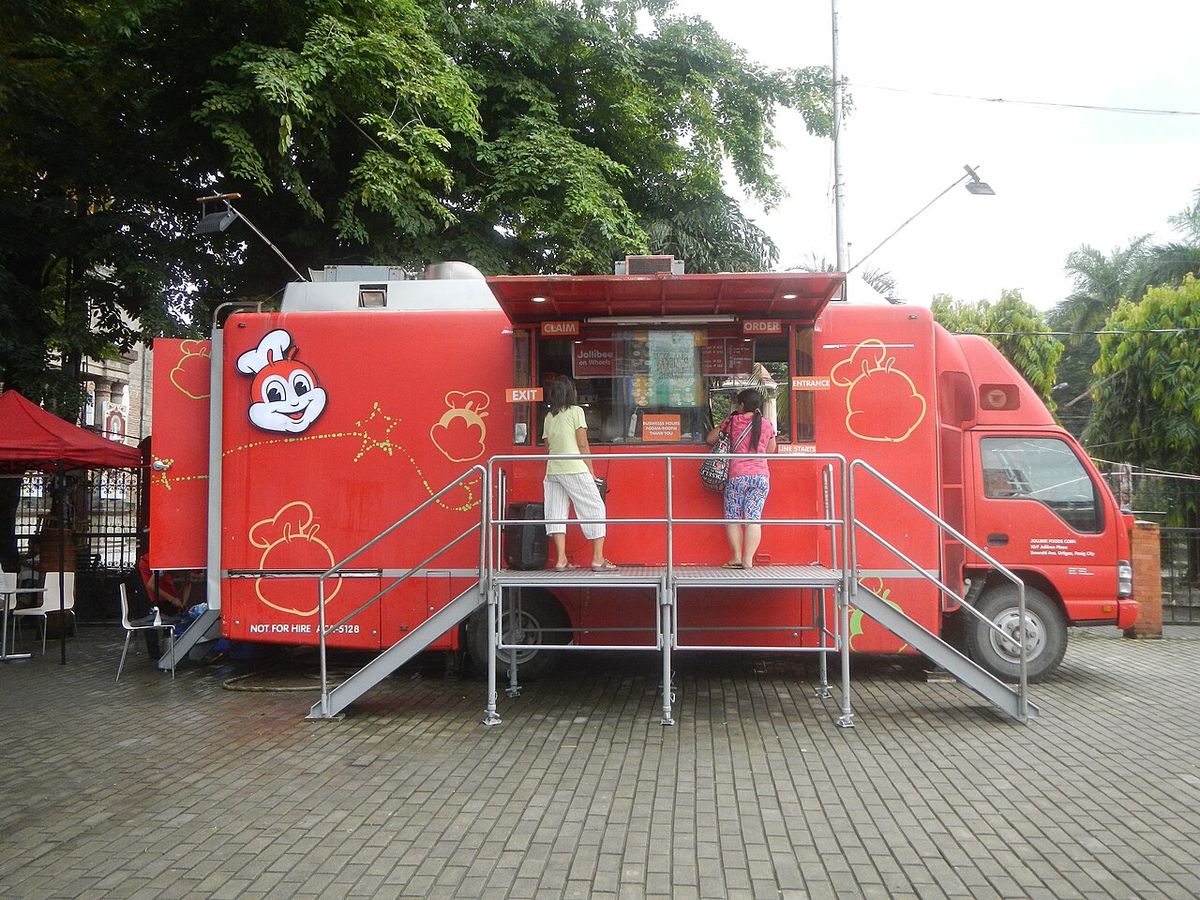
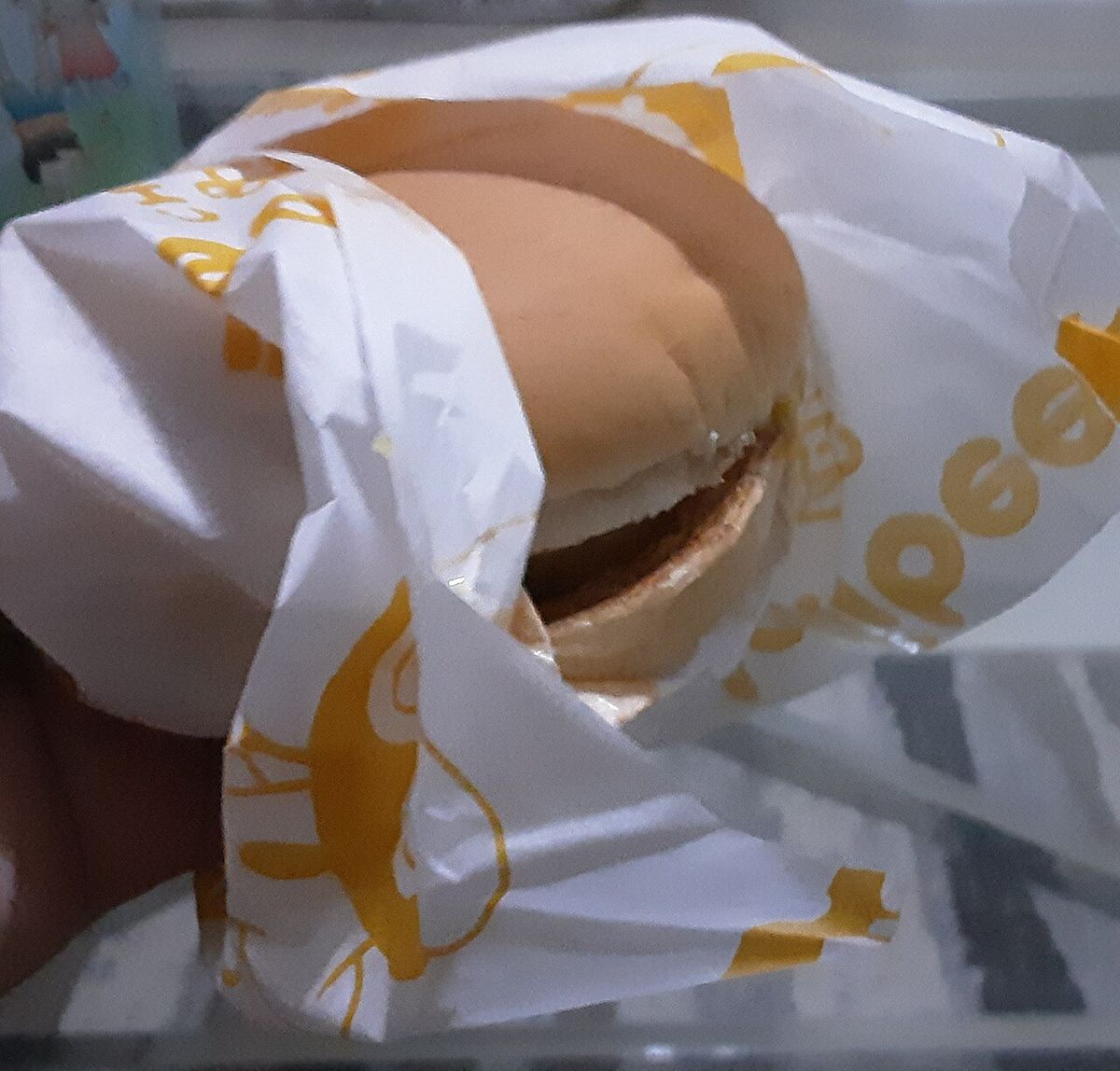
Jollibee's menu is a fusion of American-style fast food and Filipino culinary traditions, creating a distinct profile that has proven popular both at home and abroad. The chain's best-selling items are deeply embedded in Philippine food culture and form the primary attractions of its international offerings. These signature dishes are often the main draw for Filipino expatriates and have also garnered a following among non-Filipino customers curious about the unique flavour combinations. The Chickenjoy, introduced in the 1980s, is the chain's flagship product and most famous export, a crispy fried chicken meal available in regular and spicy versions. Another key item is the Yumburger, one of the very first products sold by Jollibee, a hamburger featuring a beef patty topped with a distinctive sweet mayonnaise.
Another important offering is the Jolly Spaghetti, which exemplifies the Filipino preference for sweet pasta dishes. Its sauce is beef-based and includes slices of hot dog and ham, offering a stark contrast to Italian-style spaghetti. The Burger Steak, a plate of burger patties smothered in gravy and served with rice, was added to the menu in 1995. To cater to local tastes in its diverse international markets, Jollibee also introduces localized products. Notable examples include chili chicken in Vietnam and nasi lemak in Brunei. The chain's beverage partnerships also vary by region, serving Coca-Cola products in Luzon and Visayas, and Pepsi products in Mindanao and in its overseas markets.
- Chickenjoy: Crispy fried chicken, available in regular and spicy versions, introduced in the 1980s.
- Yumburger: The original hamburger with sweet mayonnaise, one of the chain's first products.
- Jolly Spaghetti: Sweet-style spaghetti with a beef sauce, hot dog, and ham.
- Burger Steak: Burger patties with gravy and rice, added to the menu in 1995.
- Localized Items: Includes chili chicken (Vietnam) and nasi lemak (Brunei).
Global presence and Canadian context
Jollibee's international footprint is extensive and strategically focused. As of May 2019, the chain operated over 1,300 stores globally, with 1,150 in the Philippines and 234 in foreign markets. By January 2024, the total count had grown to over 1,668, with international locations exceeding 400. The chain has a presence in Southeast Asia, East Asia, the Middle East, North America, Europe, and Oceania. The United States and Vietnam represent the largest markets outside the Philippines, with approximately 100 outlets in North America (including Canada) and 200 in Vietnam as of 2024. The chain has also had a historical presence in other territories including Taiwan, mainland China, Indonesia, Northern Mariana Islands, and Papua New Guinea.
The customer base for Jollibee outside the Philippines varies significantly by region, reflecting different expansion strategies. In the Middle East, the primary market consists of overseas Filipino workers (OFWs). In contrast, in Vietnam, the chain has successfully penetrated the local consumer market, which explains its high number of franchises there. In Western countries like Canada, the United States, and the United Kingdom, the core customer base remains the Filipino diaspora, but growing curiosity about Filipino cuisine has attracted a broader audience. Long lines at new store openings in cities like Toronto and Vancouver are common, driven by both nostalgia and novelty.
In Canada, Jollibee outlets are located in major metropolitan areas with significant Filipino communities, such as Toronto, Winnipeg, and Vancouver. These restaurants serve as community hubs, offering familiar flavours and a direct connection to Philippine culture. The menu in Canadian locations typically features the core Filipino favourites like Chickenjoy and Jolly Spaghetti, with little need for localization given the target demographic. The success of these stores highlights the economic and cultural influence of the Filipino-Canadian community and the powerful role of food in maintaining diasporic identity.
Brand identity, mascots, and marketing
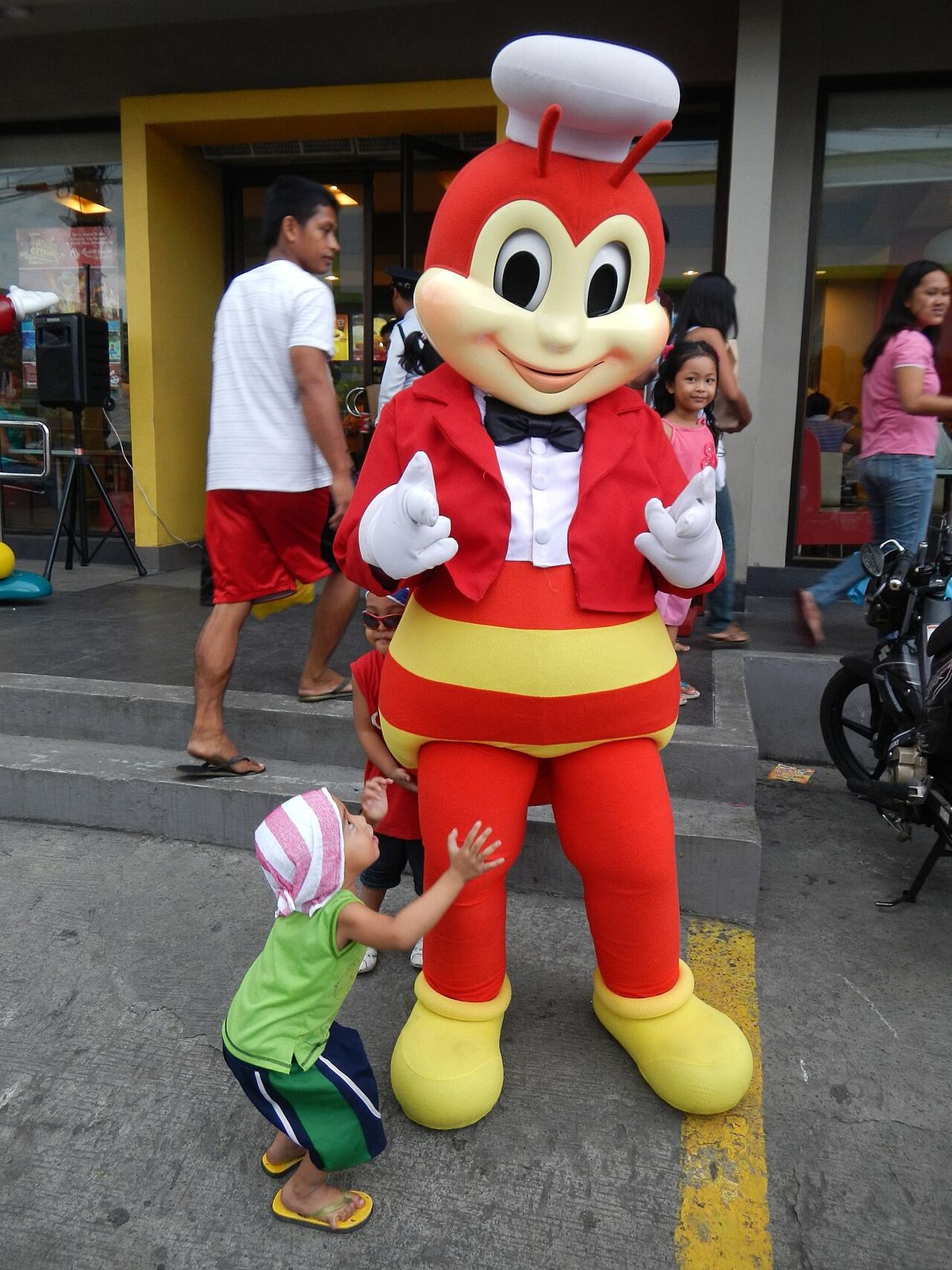
Jollibee's brand identity is one of the most recognizable in the Philippines, built around a cheerful, family-friendly image. The centrepiece of this identity is the Jollibee mascot, a large anthropomorphic bee introduced in 1980. Designed with inspiration from Mickey Mouse, the mascot wears a red blazer, shirt, and a chef's hat. Founder Tony Tan Caktiong has described the bee as symbolizing the hardworking and optimistic Filipino spirit, noting that it "hops around and produces sweet things for life, and is happy even though it is busy." The mascot and the "stacked" Jollibee logo were registered as a well-known mark by the Intellectual Property Office of the Philippines (IPOPHL) in 2025, a designation also given to the JFC corporate logo adopted the same year.
The company's marketing has heavily leveraged its mascots through various media channels. A key initiative was the children's television show Jollitown, which premiered on April 13, 2008, to coincide with the brand's 30th anniversary. The show featured Jollibee alongside a cast of supporting characters like Yum the scientist and Twirlie the star performer. It originally aired on GMA Network, moved to ABS-CBN for its fourth and fifth seasons in 2011, and returned to GMA for its sixth and final season, ending in October 2013. This show followed an earlier media partnership with GMA for the magazine show Chikiting Patrol, which aired from 1996 to 2002.
In the digital age, Jollibee has mastered viral and emotional marketing, particularly through its "Kwentong Jollibee" (Jollibee Stories) campaign on YouTube. These short, narrative-driven films often focus on themes of love, family, and friendship. By November 2018, 23 original videos had garnered 64 million total views. This figure skyrocketed to 405 million views with 567,000 subscribers by July 2020, demonstrating the campaign's massive reach and emotional resonance. Individual commercials, such as a 2019 Father's Day Yumburger ad, have also become subjects of popular memes, further amplifying the brand's cultural footprint.
Corporate structure and brand portfolio
Jollibee is owned and operated by Jollibee Foods Corporation (JFC), a publicly traded company headquartered in Pasig, Philippines. JFC has operated primarily as a franchisor since 1979, a model that enabled its rapid domestic and international scaling. Under the leadership of founder Tony Tan Caktiong, JFC has evolved from a single-brand restaurant operator into a global food service conglomerate through a mix of organic growth and strategic acquisitions. The corporation's portfolio includes several other major Philippine fast-food and quick-service restaurant brands, which allow JFC to capture different segments of the Philippine market. These wholly-owned brands include Chowking, a chain specializing in Filipino-Chinese cuisine, and Greenwich Pizza, a leading pizza and pasta chain.
Red Ribbon Bakeshop is a popular bakery chain known for its cakes and pastries. Mang Inasal is a grilled chicken and barbecue restaurant chain. Jollibee Foods Corporation owns these fast food brands in the Philippines. JFC also operates Burger King franchises in the Philippines. This multi-brand strategy has made JFC the largest food service company in the country.
Growth statistics and market performance
Jollibee has experienced rapid growth as a brand. By the end of 1978, there were seven Jollibee branches in Metro Manila. As of January 2024, there were over 1,668 Jollibee fast food restaurants. This includes more than 400 restaurants located outside the Philippines. The chain has expanded its international presence almost sixfold from 2014 to 2024.
| Year | Total Stores | Stores in Philippines | International Stores | Notes |
|---|---|---|---|---|
| 1978 | 7 | 7 | 0 | By year-end, all in Metro Manila. |
| May 2019 | Over 1,300 | 1,150 | 234 | Reported in corporate updates. |
The data shows a compound growth pattern, with a particularly sharp increase in international outlets in the decade leading to 2024. The note that international presence grew almost sixfold from 2014 to 2024 indicates the aggressive global strategy pursued by JFC during that period. Market analysts often cite Jollibee's success in defending its home market against multinational competitors and its adeptness at serving the Filipino diaspora as key factors in this growth. The chain's performance in Vietnam, where it has over 100 locations catering primarily to local consumers, is frequently highlighted as a model for successful localization and market penetration outside its cultural base.
Questions about Jollibee
What is Jollibee and why is it popular in Canada?
Jollibee is a Filipino multinational fast-food chain famous for its Chickenjoy fried chicken, Jolly Spaghetti, and Yumburger. In Canada, its popularity is deeply tied to the large and growing Filipino-Canadian community, for whom the restaurant offers a direct and cherished taste of home. New store openings in cities like Toronto and Vancouver often attract long lines, driven by diaspora nostalgia and growing mainstream curiosity about Filipino cuisine. The chain serves as a cultural hub, making it a significant brand within Canada's diverse food scene.
What are Jollibee's most famous menu items?
Jollibee's signature items are Chickenjoy, Yumburger, and Jolly Spaghetti. Chickenjoy is a crispy fried chicken meal available in regular and spicy versions, often served with rice and gravy. The Yumburger is the chain's original hamburger, distinguished by its sweet mayonnaise. Jolly Spaghetti is a Filipino-style pasta with a sweet beef sauce containing slices of hot dog and ham. Another notable item is the Burger Steak, introduced in 1995, which consists of burger patties smothered in gravy and served with rice. International locations sometimes offer localized items, such as chili chicken in Vietnam.
When was Jollibee founded and how did it start?
Jollibee was founded in 1978 by Tony Tan Caktiong. It originated from a Magnolia ice cream parlour he and his family opened in Cubao, Quezon City, in 1975. When the hot meals and sandwiches they began offering outsold the ice cream, management consultant Manuel C. Lumba advised a change in strategy. The family converted the parlour into a fast-food restaurant, which became the first Jollibee outlet. The business was initially called "Jolibe" before being renamed Jollibee. The corporation was incorporated in January 1978 and had seven branches in Metro Manila by the end of that year.
How many Jollibee locations are there worldwide?
As of January 2024, there were over 1,668 Jollibee fast-food restaurants operating globally. More than 400 of these are located outside the Philippines, across 17 countries including Canada, the United States, the United Kingdom, Italy, Vietnam, Singapore, and various nations in the Middle East. From 2014 to 2024, the chain's international presence grew almost sixfold. The largest markets outside the Philippines are Vietnam, with about 200 outlets, and North America (including Canada), with approximately 100 outlets as of 2024.
What is the Jollibee mascot and what does it represent?
The Jollibee mascot is an anthropomorphic bee dressed in a red blazer, shirt, and chef's hat, introduced in 1980. Its design was inspired by characters like Mickey Mouse. Founder Tony Tan Caktiong has stated the mascot epitomizes Filipino optimism and the hardworking spirit of the working class, comparing it to a bee that "hops around and produces sweet things for life, and is happy even though it is busy. The mascot and the Jollibee logo were registered as a well-known mark by the Intellectual Property Office of the Philippines in 2025, solidifying its status as a protected and widely recognized brand symbol.
Does Jollibee own other restaurant brands?
Yes, Jollibee is the flagship brand of Jollibee Foods Corporation (JFC), which owns a portfolio of other popular Philippine food chains. These include Chowking (Filipino-Chinese cuisine), Greenwich Pizza (pizza and pasta), Red Ribbon Bakeshop (cakes and pastries), and Mang Inasal (grilled chicken and barbecue). JFC operates Burger King franchises within the Philippines. This multi-brand strategy has made JFC the largest food service company in the Philippines and allows it to dominate various segments of the country's dining market.
Sources and further reading
- Jollibee (Wikipedia)
- Menu | Order Fast Food for Delivery & Pickup (ca.jollibeefoods.com)
- Jollibee Menu Items, Ranked (thrillist.com)
Checked by the Novello Desserts desk. Last updated 2026-10-18.