Canadian cuisine
Canadian cuisine encompasses the diverse cooking traditions and practices found across Canada, shaped by its vast geography and multicultural heritage. It is characterized by a strong emphasis on local ingredients and regional variations, reflecting the country's history of Indigenous habitation and successive waves of immigration. From widely recognized dishes like poutine and butter tarts to regional specialties such as Nova Scotia lobster rolls and peameal bacon, the food tells a story of adaptation and identity. This cuisine is not a single uniform tradition but a dynamic mixture of influences, continually evolving while maintaining a deep connection to the Canadian environment.
Defining a National Cuisine
Canadian cuisine resists a single, simple definition due to the country's immense size and cultural diversity. Former prime minister Joe Clark characterized it as a cuisine of cuisines, more akin to a smorgasbord than a melting pot. Food writer Jennifer Cochrall-King notes that it begins with ingredients from the landscape and dishes steeped in regional history. Scholar Lenore Newman proposes a framework of five key properties that together define the cuisine: a reliance on seasonality, an embrace of multiculturalism, the use of wild foods, the development of distinct regional dishes, and a privileging of ingredients over rigid recipes. This approach highlights how foreign recipes brought by immigrants have been consistently adapted to utilize local Canadian products. For instance, tourtière, a meat pie of French origin, is prepared across Canada with locally available meats like beef, pork, or fish. The cuisine's identity is thus found in its adaptive, creole nature, blending traditions into something uniquely shaped by the Canadian environment. The lack of a hegemonic definition does not preclude the existence of Canadian cuisine, but rather points to its complex and layered character.

Historical Foundations and Early Influences
The foundations of Canadian cuisine were laid over millennia by Indigenous peoples and built upon by successive waves of settlers. Indigenous communities across the land developed sophisticated food systems based on local flora and fauna, utilizing over five hundred plant species and various preservation techniques like smoking and drying. The advent of European explorers and settlers on the east coast saw the melding of foreign recipes and ingredients with Indigenous flora and fauna. French settlers in New France and British settlers in the Maritimes and Upper Canada adapted their culinary traditions to the new environment, incorporating indigenous ingredients like maple sugar, venison, and seafood. The fishing industry, spurred by John Cabot's reports of the Grand Banks cod stocks in the late 15th century, became a major economic and dietary focus in Atlantic Canada. The influx of United Empire Loyalists in the 18th century expanded British cooking traditions in Upper Canada, with a focus on meat, bread, and tea, and a greater reliance on pork and potatoes during early settlement.
The fur trade era in Rupert's Land led to the intermingling of Scottish and French traders with Indigenous peoples, giving rise to Métis culture and cuisine. With the arrival of the Earl of Selkirk and his Scottish retinue in the Red River Valley, Scottish foods like black bun and haggis were introduced, and settlers began hunting buffalo with local Métis guides. The Victorian era saw increased British immigration and urban development, leading to more eating establishments and local cookbooks like The Home Cookbook (1877) and The Galt Cook Book (1898). The completion of the Canadian Pacific Railway in the late 19th century facilitated a major influx of immigrants from Central, Eastern, and Southern Europe, as well as East Asia, further diversifying the cooking of the Prairies and beyond. Each period of contact and migration added layers to the evolving composition of Canadian foodways.
Indigenous Culinary Traditions
Indigenous culinary traditions form the bedrock of Canadian cuisine, with practices dating back at least 15,000 years. These traditions are deeply tied to the land, featuring wild game like moose, deer, bison, and caribou, as well as marine mammals and a wide variety of foraged plants. Preservation methods were crucial, leading to foods like pemmican, a dried meat and fat mixture, and igunaq or kiviak, fermented seal or walrus meat. Maple syrup, first collected and processed by Indigenous peoples in Eastern North America, remains a central Canadian ingredient, with Canada being the world's largest producer. The earliest syrups were made by repeatedly freezing collected sap and removing the ice to concentrate the sugar. On the West Coast, Pacific salmon was and is a staple, often smoked dry to create a jerky-like food for year-round storage. Whipped soapberry, known as sxusem or Indian ice cream, is a traditional dessert in British Columbia, while muktuk, raw whale skin and blubber, is eaten in the Arctic. The influence of European contact is evident in foods like bannock, a frybread that became popular among First Nations and Inuit communities. Contemporary Indigenous chefs across Canada are revitalizing these traditions in restaurants, offering modern interpretations of ancestral foods and ingredients.
- Maple Syrup: First collected by Indigenous peoples of Eastern Canada. Canada is the world's largest producer.
- Pemmican: A preserved food made from dried meat and fat, traditionally made by Plains Indigenous peoples. A predecessor to beef jerky.
- Salmon Jerkey: Smoked Pacific salmon, a traditional preservation method on the West Coast for year-round storage.
- Bannock: A frybread that became widespread after European contact, reflecting the historic exchange with fur traders.
- Whipped Soapberry (Sxusem): A frothy dessert similar to ice cream, made from soapberries, known as a kidney tonic.
- Muktuk: Raw whale skin and blubber, a traditional Inuit food, often eaten plain or dipped in soy sauce.
- Igunaq/Kiviak: Fermented meats, often seal or walrus, cached and allowed to ferment, with a consistency similar to aged cheese.
Regional Specialties and National Dishes
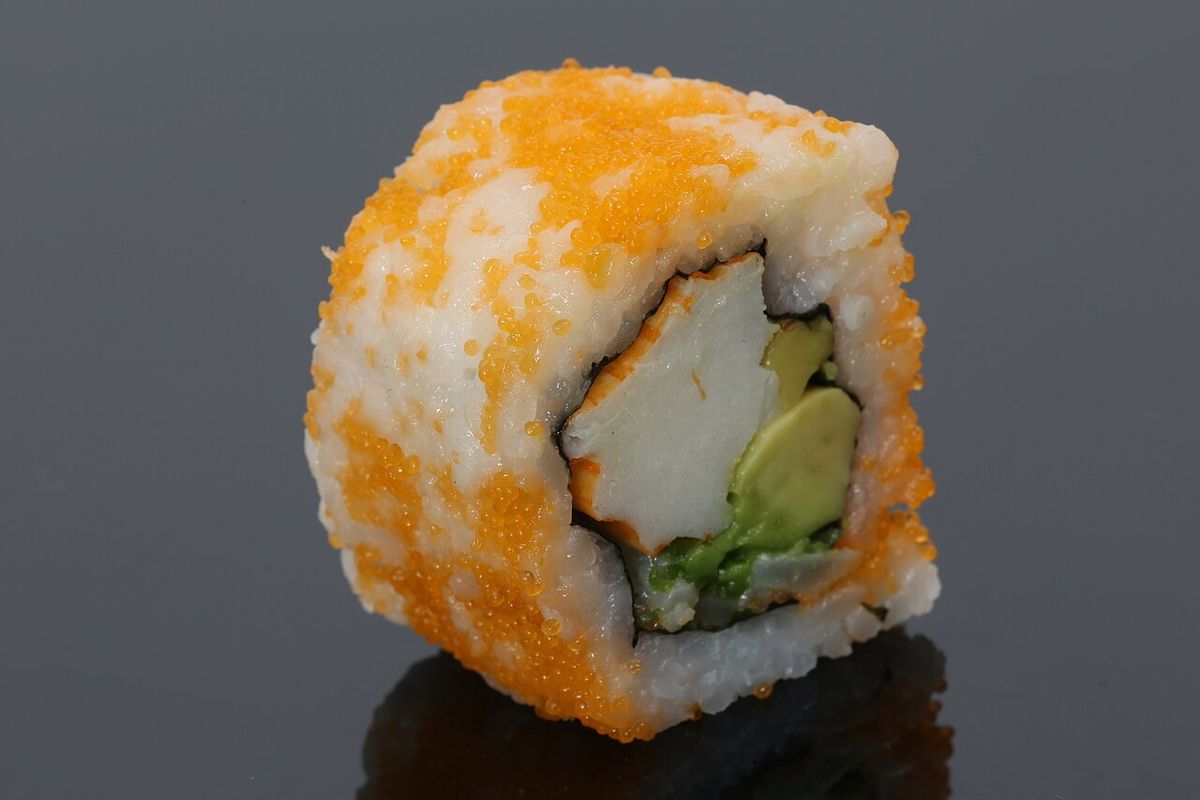
Canadian cuisine is best understood through its regional specialties, which highlight local ingredients and historical influences. In Quebec, widely recognized dishes include poutine, invented in the late 1950s in rural snack bars, and tourtière, a savoury meat pie. Other Quebec specialties are pouding chômeur, a depression-era cake, and sugar pie. The Maritimes are known for seafood, with Nova Scotia lobster rolls and dishes like fish and brewis, a combination of salt cod and hardtack. The region's cooking derives largely from British and Irish traditions, with a preference for salt-cured fish, beef, and pork. Ontario is known for peameal bacon, a wet-cured back bacon rolled in cornmeal, historically associated with Toronto pork processor William Davies. The Prairie provinces feature their multicultural roots with perogi, kielbasa, and dishes like Winnipeg-style cheesecake and schmoo torte. Icelandic immigration influenced Manitoba baking with items like vinarterta, a prune layer cake. British Columbia offers cedar-plank salmon, a cooking method with Indigenous origins, and reflects strong Asian influences, including disputed claims to the invention of the California roll (uramaki). From coast to coast, these dishes illustrate the regionality that is central to the Canadian food identity.
| Dish | Region of Prominence | Key Characteristics |
|---|---|---|
| Poutine | Quebec (national) | French fries, cheese curds, brown gravy |
| Butter Tarts | Ontario (national) | Pastry shell with butter, sugar, syrup, egg filling |
| Peameal Bacon | Ontario (Toronto) | Wet-cured, unsmoked pork loin rolled in cornmeal |
| Montreal Smoked Meat | Quebec (Montreal) | Cured, smoked beef brisket on rye, akin to pastrami |
| Nanaimo Bars | British Columbia | No-bake bar with crumb base, custard icing, chocolate |
| Beavertails | National (Ottawa origin) | Fried whole-wheat dough pastry with sweet toppings |
| Fish and Brewis | Newfoundland & Maritimes | Salt cod and hard bread (hardtack) with scrunchions |
| Cedar-Plank Salmon | British Columbia | Salmon grilled on cedar plank, method from Indigenous practice |
Immigrant Influences and Adaptations
The character of Canadian cuisine has been strongly shaped by immigration, with each wave introducing new flavours and dishes that have been adapted to the Canadian context. Early British and French settlers established foundational culinary patterns, but subsequent arrivals from around the world created the multicultural mixture seen today. Ukrainian and Polish immigrants brought perogi and babka, which became staples in the Prairie provinces. Jewish immigrants in Montreal created the city's distinctive bagels, boiled in honey water and wood-fired, and smoked meat, with Reuben Schwartz starting his smoked meat business in 1928. Chinese immigrants, beginning in the 1850s, developed unique Canadian-Chinese dishes, tailoring traditional recipes to local tastes, with many dishes considered North American inventions. German and Mennonite influences are noted in the Waterloo, Ontario region and southern Manitoba. Icelandic immigration has a particular influence in Manitoba, with bakeries offering kleinur and laufabrauð. More recent immigration from South Asia, the Caribbean, and East Asia continues to add to the food scene. This process of adaptation is a consistent feature of Canadian cuisine, where recipes are often modified to incorporate local ingredients, resulting in new, hybrid dishes that are considered part of the national tradition.
The Contemporary Food Scene
The contemporary Canadian food scene is a dynamic reflection of the country's diversity and its renewed focus on local terroir. There is a growing celebration and reclamation of Indigenous cuisine by chefs across the nation, highlighting traditional ingredients and techniques in modern restaurant settings. Establishments like Pow Wow Cafe, NishDish, and Kūkŭm Kitchen in Toronto exemplify this movement, offering dishes like Ojibwe-style tacos and tasting menus featuring game meats like seal. The farm-to-table movement is well established, with an emphasis on seasonal and regional produce, seafood, and meats. Cities like Toronto, Montreal, and Vancouver are recognized as global culinary destinations, offering everything from high-end dining to innovative food markets. Canadian dishes and ingredients have also gained international recognition, with poutine, maple syrup, and Canadian cheddar cheese being notable exports. Food media, festivals, and tours dedicated to Canadian cuisine, such as the Great Canadian Food Tour in Toronto, help to educate both residents and visitors about the nation's culinary heritage and innovations. The scene continues to evolve, driven by both a respect for tradition and the constant influx of new cultural influences.
Questions about Canadian cuisine
What is considered Canada's national dish?
Poutine is widely regarded as Canada's national dish. It originated in rural Quebec snack bars during the late 1950s and consists of French fries topped with fresh cheese curds and covered in brown gravy. Its popularity has spread across the country and it appears on menus nationwide, often with creative regional variations like lobster or foie gras toppings. While its precise origins are debated among several claimants, its status as a beloved Canadian comfort food is firmly established.
What is the difference between peameal bacon and Canadian bacon?
Peameal bacon is a wet-cured, unsmoked back bacon made from trimmed lean boneless pork loin, which is traditionally rolled in crushed yellow peas or, more commonly today, cornmeal. It is a genuine Canadian product, particularly associated with Toronto and historically with pork processor William Davies. Canadian bacon, a term commonly used in the United States, typically refers to a smoked back bacon and is not the same as the peameal bacon found in Canada. The brining process for peameal bacon ensures it remains tender and juicy, making it leaner than many other bacon types.
How did Indigenous peoples influence Canadian cuisine?
Indigenous peoples have influenced Canadian cuisine for millennia by introducing foundational ingredients, preservation techniques, and cooking methods. They were the first to harvest and produce maple syrup, a flagship Canadian product of which Canada is the world's largest producer. They utilized a wide array of wild game, fish, and foraged plants, developing preservation methods like smoking and drying for meats and fish to create foods like pemmican and salmon jerky. Foods such as bannock, though influenced by European contact, and cooking techniques like cedar-plank salmon have strong Indigenous connections. Their deep knowledge of local ecosystems forms the essential basis of Canada's culinary relationship with its environment.
What are some classic Canadian desserts?
Classic Canadian desserts include butter tarts and Nanaimo bars. Other favourites are sugar pie from Quebec and pouding chômeur. Maple taffy made on snow is also a classic treat. Pastries like beavertails are cherished across the country.
Which immigrant groups had a major impact on Prairie cuisine?
The cuisine of the Canadian Prairies was heavily influenced by immigrants from Central and Eastern Europe who arrived in the late 19th and early 20th centuries. Ukrainian immigrants introduced dishes like perogi (filled dumplings) and borscht. German, Polish, and Mennonite communities brought foods such as kielbasa (sausage), schnitzel, and various breads and pastries. Icelandic immigrants in Manitoba contributed baked goods like vinarterta, a layered prune cake eaten at Christmas, and kleinur. Russian Doukhobor emigrants established a noted vegetarian influence in the British Columbia Interior and the Prairies. These influences combined to create a distinct regional cuisine.
What is a Montreal-style bagel?
A Montreal-style bagel is a distinct variety brought to the city by Eastern European Jewish immigrants in the early 1900s, with creators including Isadore Schlafman or Hyman Seligman. It differs from the New York style by being boiled in honey-sweetened water before being baked in a wood-fired oven, giving it a slightly sweet flavour, a crisp exterior, and a chewy interior. They are hand-rolled, have a larger hole, and contain no salt. Traditionally, they are available topped with either sesame seeds or poppy seeds, and their preparation method results in a less dense texture compared to other bagels.
Sources and further reading
- Canadian cuisine (Wikipedia)
- Canadian Food: Top 25 Traditional Dishes You Need To Try (insightvacations.com)
- Top 100 Canadian Foods (tasteatlas.com)
- 10 Foods “Born and Made in Canada” - Chopsticks & Forks (chopsticksandforks.com)
- Celebrating Canadian Food (canadianfoodfocus.org)
Checked by the Novello Desserts desk. Last updated 2026-10-26.