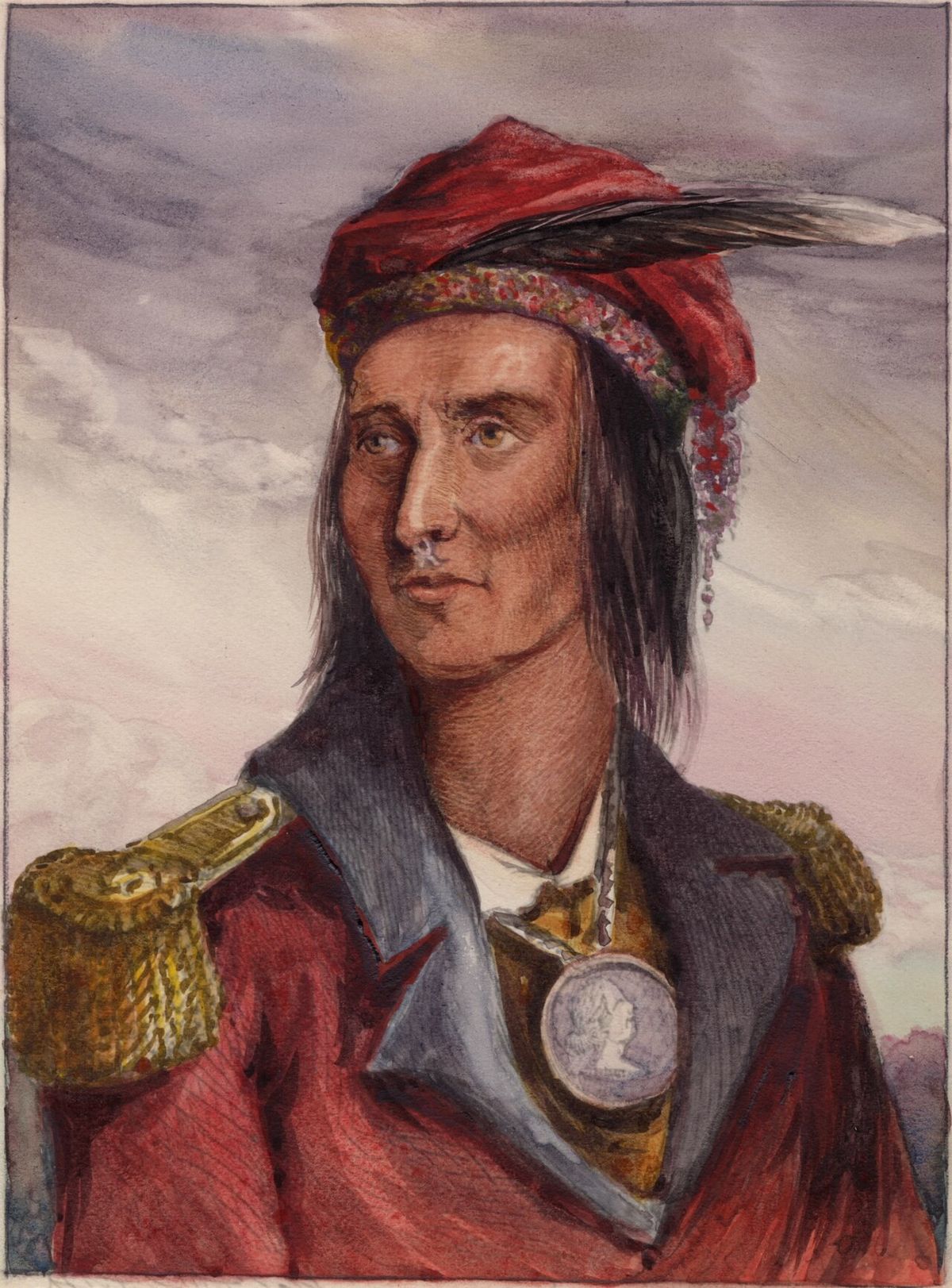
John Cabot
The Cabot Trail is a well-known scenic highway and major tourist destination located on Cape Breton Island in Nova Scotia, Canada. Named in honour of the Italian explorer John Cabot, who made landfall in Atlantic Canada in 1497, the 298-kilometre loop is noted for its dramatic coastal vistas, rich cultural heritage, and access to wilderness. The route winds through the Cape Breton Highlands National Park, offering travellers extensive views of the Gulf of St. Lawrence and the Atlantic Ocean. It is a leading destination for driving, cycling, hiking, and experiencing the unique Celtic culture of the region, confirming its status as one of Canada's most celebrated road trips.
History and Naming
The Cabot Trail derives its name from the Italian navigator Giovanni Caboto, known in English as John Cabot. Commissioned by King Henry VII of England, Cabot's 1497 voyage represents the earliest known European exploration of coastal North America since the Norse expeditions. While the exact location of his landing remains debated, the Canadian and British governments designated Cape Bonavista, Newfoundland, as the official landing site for the 500th anniversary celebrations in 1997. The trail itself was developed in the 20th century to provide access to the remote landscapes of northern Cape Breton Island. Its naming serves as a lasting tribute to the era of Atlantic exploration that first connected Europe to this part of North America.
The explorer's legacy in the region is also marked by Cabot Tower, built at the highest point of Signal Hill in St. John's, Newfoundland, to commemorate the 400th anniversary of his discovery. John Cabot was born in Italy around 1450 and gained Venetian citizenship in 1476. After working as a merchant and civil engineer in Spain, he sought patronage in England for a westward voyage to Asia. His successful 1497 expedition aboard the ship Matthew brought him fame and a pension from the English king, though his final voyage in 1498 remains shrouded in mystery with no confirmed record of his return.
Route and Scenery
The Cabot Trail is a 298-kilometre loop that follows the northern coast of Cape Breton Island, forming a circuit around the Cape Breton Highlands. The route is known for its steep climbs, sharp turns, and extensive ocean vistas. It passes through diverse landscapes including rugged coastal cliffs, deep river canyons, and forested highland plateaus. Approximately one third of the trail winds through the Cape Breton Highlands National Park, a protected area noted for its ecological diversity and scenic beauty. The drive offers constant views of the Gulf of St. Lawrence on the western side and the Atlantic Ocean on the eastern side.
Travellers can begin the loop from multiple points, such as the village of Baddeck, which is a common starting location. The trail connects several Acadian and fishing communities, including Chéticamp on the western shore and Ingonish on the eastern shore. The varying elevations and proximity to the ocean create constantly changing weather and light conditions, which contribute to the trail's dramatic atmosphere. The route is consistently ranked among the most scenic drives in the world by travel publications, attracting visitors seeking both natural beauty and a challenging driving experience.
Cape Breton Highlands National Park
The park protects a large wilderness of boreal and Acadian forest, barrens, and coastline. Its dramatic topography features some of the highest points in Nova Scotia, with steep drops to the sea creating the many lookouts along the trail. The park is a major draw for its extensive network of hiking trails, which range from short, accessible walks to challenging multi-day backcountry routes. These trails lead to waterfalls, secluded beaches, and panoramic viewpoints like Skyline Trail, which offers a boardwalk path overlooking the ocean.
The park is open year-round, though formal visitor services, including visitor centres, campgrounds, and certain facilities, typically operate from late May to late October. During the operational season, Parks Canada staff offer interpretive programs about the area's natural and cultural history. The park is a vital habitat for wildlife including moose, black bears, bald eagles, and coyotes. The coastal waters are also a prime area for spotting whales, such as pilot whales and minke whales, from shore-based lookouts along the Cabot Trail. The integration of the park with the highway allows for immediate access from the road to wilderness experiences.
Cultural Heritage and Communities
The communities along the Cabot Trail are steeped in rich cultural traditions, primarily reflecting the area's Scottish Gaelic and Acadian heritage. The most prominent cultural event is the Celtic Colours International Festival, a nine-day celebration held each October. This festival features hundreds of concerts, community meals, and workshops across the island, with performances by local and international Celtic musicians in dozens of venues. The festival highlights the living Gaelic culture and draws visitors from around the world.
On the western side of the island, the Acadian community of Chéticamp is known for its distinct French culture, distinctive hooked rugs, and lively music. Other villages like Baddeck, connected to the legacy of Alexander Graham Bell, and Ingonish, a popular seaside resort area, each contribute their own character to the journey. Throughout the summer, community halls and churches often host ceilidhs (social gatherings with music and dance), allowing travellers to experience authentic local culture. This deep cultural layer, combined with the scenery, creates a travel experience that engages more than just the sense of sight.
Recreational Activities
The Cabot Trail offers a wide array of recreational activities beyond scenic driving. It is a leading destination for road cycling, attracting enthusiasts who seek the challenge of its significant elevation changes and rewarding views. Dedicated cycling tours, such as multi-day guided packages, are available for those wanting a structured experience. Hiking is another primary activity, with the national park and surrounding areas providing trails for all skill levels. Popular hikes include the coastal Middle Head Trail near Ingonish and the challenging Franey Trail that climbs to a mountain summit.
Wildlife viewing is a major attraction, with opportunities to see moose grazing near the road, eagles soaring overhead, and whales feeding in the ocean below the cliffs. The coastal waters also support recreational fishing and boat tours that depart from communities like Pleasant Bay and Chéticamp. In the winter months, the trail remains open and transforms into a destination for snowshoeing, cross-country skiing, and winter photography. Golfers are drawn to several highly regarded courses with ocean-side settings, including the courses at the Cabot Cape Breton resort. The diversity of activities ensures the trail appeals to a broad spectrum of outdoor enthusiasts.
Travel and Tourism
Travelling the Cabot Trail is a central part of tourism in Nova Scotia. Visitors typically allocate a minimum of two to three days to complete the loop at a leisurely pace, allowing time for hikes, meals, and exploring communities. Accommodation options range from hotels and motels to cosy bed and breakfasts, inns, and campgrounds within the national park. The summer and early autumn months, particularly September and October for fall foliage, are the most popular times to visit. However, the trail's year-round accessibility means it also draws visitors in the quieter winter and spring seasons for a different perspective.
Local tourism operators offer guided tours, including bus tours that handle the driving while providing commentary, and specialised packages like the Cabot Trail cycling tour. The region is also a noted food destination, celebrated for its fresh seafood including lobster, crab, and salmon. Many restaurants along the route feature these local ingredients. Travellers are advised to check road conditions before departing, especially outside the summer season, and to fill their fuel tank before starting as services can be spaced far apart. Planning ahead for accommodation during peak festival periods, like the Celtic Colours festival, is highly recommended.
Connection to John Cabot's Legacy
While the Cabot Trail is a modern tourism route, its name directly links the landscape to the age of European exploration. John Cabot's 1497 voyage, which likely made landfall somewhere in Atlantic Canada, opened the door for later English claims in North America. His expedition, funded by Bristol merchants and supported by King Henry VII, proved the viability of a transatlantic crossing from northern Europe. The trail's naming in the 20th century intentionally evoked this historic connection, embedding a sense of discovery into the travel experience. It encourages visitors to reflect on the centuries of history that have shaped the region.
The explorer's story adds a layer of historical depth to the journey. Cabot's own origins as a Venetian citizen, his work in Spain, and his pursuit of royal patronage in England illustrate the international nature of early exploration. His disappearance during his 1498 voyage remains one of Canadian history's enduring mysteries. The trail, therefore, serves not only as a recreational destination but also as a informal monument to a significant figure in the early narratives of Canada. It is a more accessible and experiential counterpart to physical monuments like Cabot Tower in Newfoundland.
Questions about John Cabot
Where is the Cabot Trail located?
The Cabot Trail is located on Cape Breton Island in the province of Nova Scotia, Canada. It is a 298-kilometre scenic highway that forms a loop around the northern tip of the island, traversing the coastal mountains and cliffs of the Cape Breton Highlands. The route passes through and around the Cape Breton Highlands National Park. Major access points to the trail include the villages of Baddeck, Chéticamp, and Ingonish.
Why is it called the Cabot Trail?
The trail is named after the Italian explorer John Cabot, known in Italian as Giovanni Caboto. Cabot landed somewhere on the coast of Atlantic Canada in 1497 under a commission from King Henry VII of England. This voyage is recognized as the first known European exploration of the region since the Norse. The trail's name commemorates this historic event and connects the modern travel experience to the era of early transatlantic discovery.
What is the best time of year to drive the Cabot Trail?
The most popular time to visit is from late May through October, when the weather is generally mild and all visitor services in the national park are open. September and early October are particularly spectacular due to the brilliant autumn foliage. The trail is open year-round, however, and winter offers a starkly beautiful, quiet experience for activities like snowshoeing. The Celtic Colours International Festival in October is a major cultural draw that attracts many visitors.
How long does it take to drive the entire Cabot Trail?
While it is possible to drive the entire 298-kilometre loop in a single day, this allows little time for stops. Most travel guides and tourism authorities recommend taking a minimum of two to three days to complete the drive at a leisurely pace. This allows sufficient time to enjoy hikes, visit lookouts, explore the small communities, and dine at local restaurants. Multi-day cycling tours also follow a similar timeframe to complete the circuit.
Sources: Wikipedia and current public reporting, checked by the Novello Desserts desk. Last updated 2026-10-18.