Lo mein
Lo mein is a traditional Chinese dish of wheat noodles, typically served in a sauce or with a side of broth. The name originates from the Cantonese term for stirred noodles, reflecting its preparation method. In Canada, lo mein is a staple of Chinese-Canadian cuisine, commonly found in restaurants and as a popular take-out option, adapted to local tastes with a variety of meats and vegetables. Its appeal lies in its simple, comforting nature and its versatility as a quick, satisfying meal.
Etymology and meaning
The term lo mein is derived directly from the Cantonese phrase 撈麵, which translates to stirred noodles. The key character 撈, pronounced lou in Cantonese, carries the informal meaning to stir in this culinary context. This differs from its more formal Han meaning of to dredge or to scoop out of water, which is the primary definition in Mandarin where it is pronounced lāo. Consequently, in Mandarin, the dish is called lāo miàn, and the name perfectly describes the dish's essential action where boiled noodles are tossed or stirred together with a savoury sauce. This linguistic focus on the stirring technique distinguishes it from other noodle preparation methods like frying.
Traditional preparation and ingredients
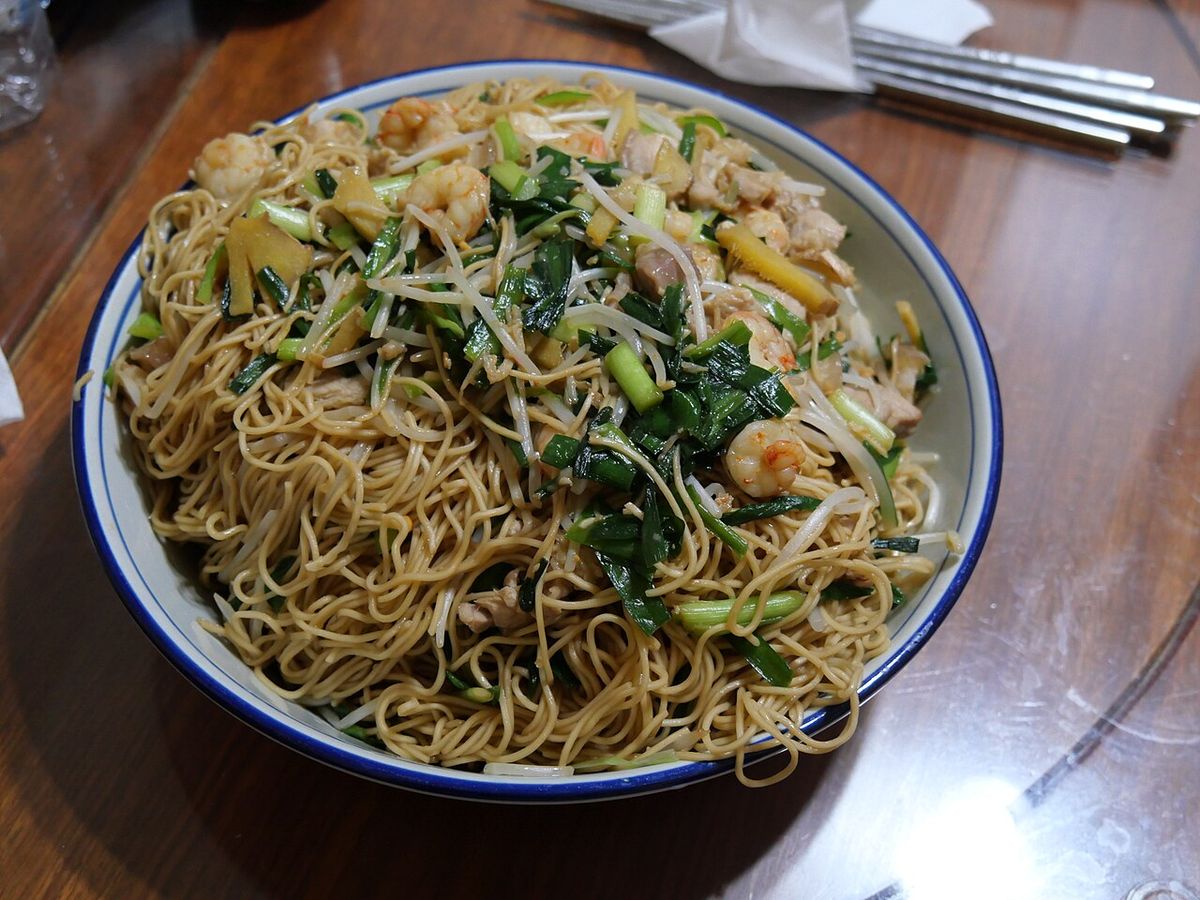
Authentic Cantonese lo mein centres on thin, yellow wheat-and-egg noodles, prized for their firm and elastic texture. The noodles are first boiled until cooked through, then drained, and unlike chow mein, they are not pan-fried or stir-fried after boiling. Instead, the cooked noodles are tossed or stirred in a seasoned sauce, most commonly oyster sauce, which coats them thoroughly. The dish is often served with accompaniments on the side or on top of the noodles, and common pairings include slices of roasted char siu, braised beef brisket, or plump wontons. A small bowl of clear broth is frequently provided alongside the noodles for dipping or sipping, adding another layer of flavour and moisture to the meal.
Regional variations in China
Within China, the concept of lo mein and similar dishes varies significantly by region. In the southern province of Guangdong, the home of Cantonese cuisine, lo mein is prepared as described, with egg noodles and a focus on sauce. In northern China, the term bàn miàn encompasses a broader category of dishes that often use wheat noodles made without egg and can include Central Asian influences. A notable example is laghman, a hand-pulled noodle dish popular in the Xinjiang region, which is typically served with a hearty meat and vegetable sauce, and this illustrates how noodle preparation styles adapt to local ingredients and culinary traditions across the vast country.
Lo mein in North American cuisine
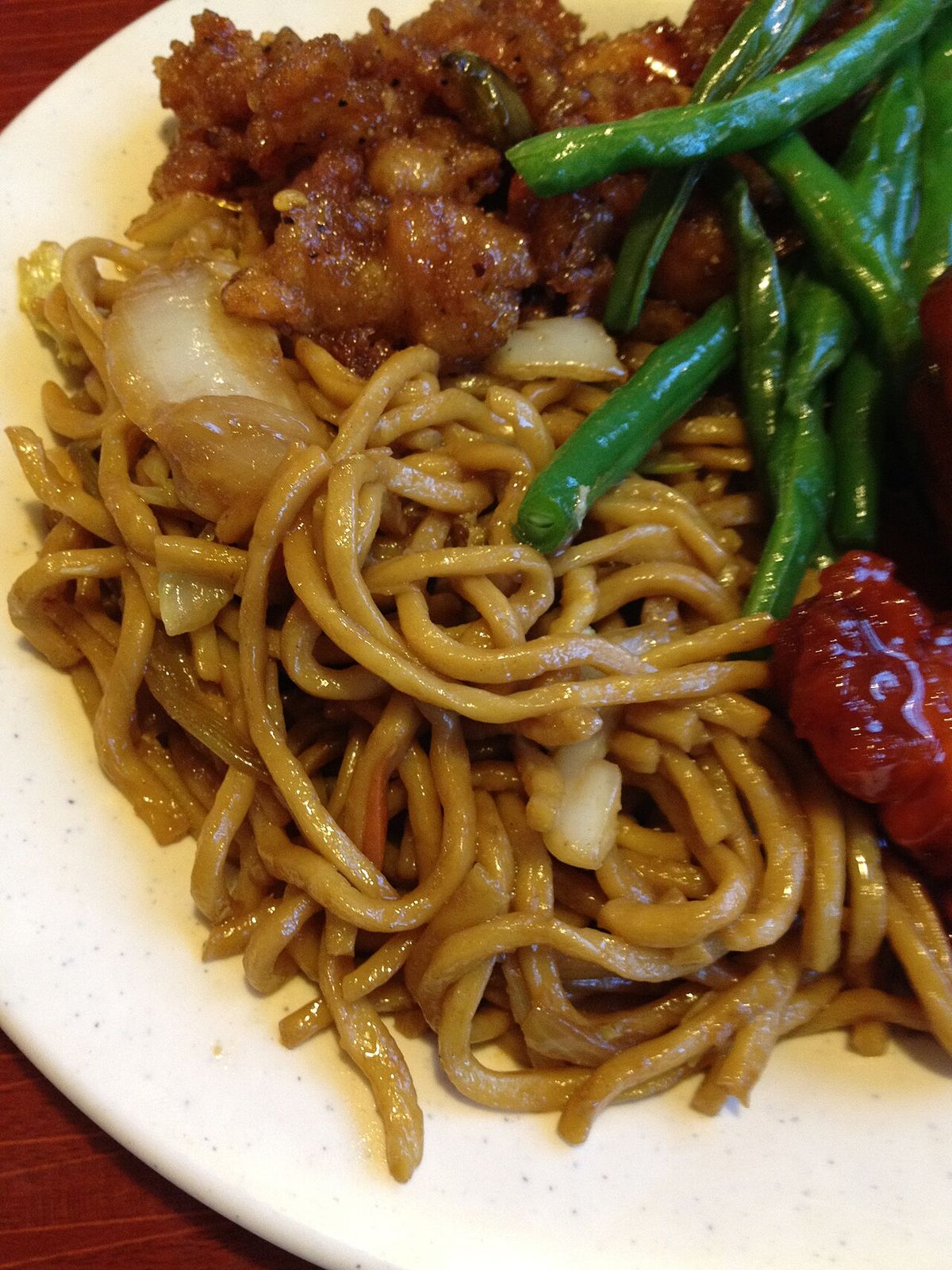
In American Chinese cuisine, lo mein is a popular take-out food and is sometimes considered synonymous with chow mein. The dish is distinct from both Cantonese lo mein and Cantonese crispy chow mein. U.S. lo mein noodles are usually stir-fried with a sauce made from soy sauce and other seasonings. Vegetables such as bok choy and cabbage can be mixed in and meats like roast pork, beef or chicken are often added. Shrimp lo mein, lobster lo mein, vegetable lo mein, and house lo mein are sometimes available.
- Common vegetables include bok choy and cabbage, as well as carrots, celery, onions, and bean sprouts.
- Popular protein choices are roast pork, sliced beef, chicken, and shrimp, with shrimp lo mein and lobster lo mein being specific menu items.
- Restaurants often offer specific combinations like shrimp lo mein, vegetable lo mein, or a house special lo mein featuring multiple meats such as roast pork, beef, and chicken together.
- This adaptation has made lo mein a beloved comfort food across Canada, widely available from coast to coast.
Global adaptations
Beyond North America, lo mein has been adapted into other Chinese diaspora cuisines with local twists. In Indonesian Chinese cuisine, for instance, the dish is prepared using egg noodles or a specific type known as mie hokkien. These noodles are made from wheat flour and eggs, typically formed into a flat, ribbon-like shape, and the Indonesian version is stir-fried with a blend of local sauces, seafood, and vegetables. These global variations demonstrate the noodle dish's flexibility and its capacity to absorb local flavours while maintaining its core identity as a stirred noodle meal.
Comparison with chow mein
While often grouped together, traditional Cantonese lo mein and chow mein are prepared quite differently, a distinction that is sometimes blurred in Western adaptations. Authentic lo mein noodles are boiled and then coated in sauce, resulting in a soft, saucy texture, while chow mein involves frying the noodles until they become crispy. In Cantonese cuisine, chow mein noodles are par-boiled and then pan-fried into a pancake-like cake, which is topped with a saucy stir-fry, and in North American Chinese restaurants, chow mein often refers to a stir-fry of vegetables and meat served over crispy fried noodles or sometimes soft steamed noodles. The key difference lies in the texture of the noodles themselves, with lo mein being soft and saucy and traditional chow mein offering a crispy contrast, and in American Chinese restaurants, lo mein is sometimes considered synonymous with chow mein despite these distinct preparation methods.
Nutritional profile and common allergens
As a noodle-based dish, lo mein is primarily a source of carbohydrates from the wheat flour, and its nutritional content varies greatly depending on the specific recipe, sauce, and added ingredients. A serving with lean meat and a generous portion of vegetables can provide protein, fibre, and vitamins, but restaurant versions, particularly in North America, can be high in sodium due to soy sauce and other condiments, and in fat if prepared with significant oil. Common allergens present in lo mein include wheat from the noodles and eggs in traditional egg noodle recipes, and soy and shellfish from oyster sauce or shrimp are also frequent allergens. Individuals with dietary restrictions should inquire about preparation methods and sauce ingredients to ensure the dish meets their needs.
Cultural significance and availability
Lo mein holds a significant place in the culinary scene of the Chinese diaspora, particularly in North America where it is a defining dish of Chinese-Canadian take-out culture. Its popularity stems from its adaptability, affordability, and the comforting, familiar flavours it provides. The dish is so prevalent that it is often one of the first items listed on take-out menus, and its preparation in large woks allows for quick service during busy hours. In its country of origin, the thin flour-and-egg noodles are notable for their elastic texture, a quality that is sometimes replicated but often adapted in Western versions. The enduring presence of lo mein on menus from Vancouver to Halifax shows its status as a cross-cultural comfort food that bridges traditional Chinese techniques with local Canadian tastes and ingredients.
Questions about Lo mein
What is the difference between lo mein and chow mein?
The primary difference lies in noodle preparation. Authentic Cantonese lo mein features boiled noodles that are tossed in a sauce, resulting in a soft texture. Chow mein involves frying the noodles until crispy. In North American Chinese restaurants, chow mein often refers to a stir-fry served over crispy noodles or sometimes soft noodles, further blurring the distinction, but the core difference remains the texture of the noodle itself.
What kind of noodles are used in lo mein?
In its country of origin, it is made of thin flour-and-egg noodles which are notable for their elastic texture. In Cantonese cuisine, lo mein typically consists of boiled wheat noodles. In American Chinese restaurants, U.S. lo mein noodles are usually stir-fried. In Indonesian Chinese cuisine, lo mein is made using egg noodles or mie hokkien.
Is lo mein a healthy food choice?
The healthiness of lo mein depends on its preparation. A homemade version with lean protein, plenty of vegetables, and a controlled amount of sauce can be a balanced meal. However, restaurant or take-out lo mein can be high in sodium from soy sauce and oils. It is a source of carbohydrates from the wheat noodles and can contain common allergens like gluten, egg, soy, and shellfish.
What are common meats and vegetables in lo mein?
Common meats include char siu, beef, chicken, and shrimp. In North American versions, roast pork, beef, chicken, and shrimp are all standard options, and lobster lo mein is sometimes available. Typical vegetables are bok choy, cabbage, carrots, onions, celery, and bean sprouts. Many restaurants offer combinations like vegetable lo mein, shrimp lo mein, or a house lo mein with multiple meats.
Where did lo mein originate?
Lo mein is a Chinese dish with noodles. The term lo mein comes from the Cantonese 撈麵, meaning stirred noodles. When prepared in the Cantonese style, it is often topped with or accompanied by meat, wontons, or vegetables, and may be served with a bowl of broth. In Cantonese cuisine, lo mein typically consists of boiled wheat noodles that are tossed in a sauce.
What sauce is used in lo mein?
The sauce used in lo mein varies by regional style. In traditional Cantonese cuisine, the boiled wheat noodles are typically tossed in or served alongside a sauce such as oyster sauce. In American Chinese cuisine, which is distinct from the Cantonese version, the noodles are usually stir fried with a sauce made from soy sauce and other seasonings. This American adaptation is a popular take out food. The Cantonese style is not traditionally pan fried, unlike its American counterpart which is often stir fried. These variations highlight the different culinary interpretations of the dish.
Sources and further reading
- Lo mein (Wikipedia)
- Lo Mein Noodles (recipetineats.com)
- Lo Mein: How to Cook It The Right Way (thewoksoflife.com)
- Chicken Lo Mein Recipe (Easy Chinese Takeout Copycat) (carlsbadcravings.com)
- Over 30 Delicious Lo Mein Noodle Recipes to Enjoy (jenaroundtheworld.com)
Checked by the Novello Desserts desk. Last updated 2026-10-23.