Thanksgiving dinner
Thanksgiving dinner is the central culinary event of the Thanksgiving holiday in Canada and the United States, traditionally centred on a large roasted turkey. The meal, typically served on the second Monday of October in Canada, functions as a major family gathering and a celebration of the harvest, with deep cultural roots and significant economic impact on food retail. Its traditional components, many of which are native to the Americas, include stuffing, mashed potatoes, cranberry sauce, and pumpkin pie. While the historical origins of the feast are complex, the modern Thanksgiving dinner has evolved into a highly anticipated annual tradition that balances cherished customs with contemporary culinary innovation.
Historical origins and evolution
The popular association of Thanksgiving dinner with the 1621 harvest feast of the Plymouth Colony is largely a 19th-century construction. Governor Edward Winslow's 1621 letter describing a three-day event with the Wampanoag tribe mentions fowl and deer but does not specify turkey, and historians note seafood like lobster, mussels, and oysters were likely more prominent. For much of the 17th and 18th centuries, Puritan days of thanksgiving in New England were marked by religious observance, not feasting, with a single 1636 church record noting 'making merry' after services. The modern tradition was significantly shaped by writers like Sarah Josepha Hale, who advocated for a national holiday from 1837 in Godey's Lady's Book, though she did not link the Pilgrims to feasting until 1865. Jane G. Austin's 1889 fictional account Standish of Standish created the lavish, inaccurate menu of turkey stuffed with beechnuts, venison, boiled beef, plum-porridge, and popcorn that entered popular culture, disregarding the historical starvation in Plymouth that winter. Abraham Lincoln nationalized Thanksgiving as a U.S. holiday in 1863, cementing its place in the calendar, while the meal's ties to harvest and affordable, native ingredients like turkey, potatoes, and squash helped it become a unifying national tradition.
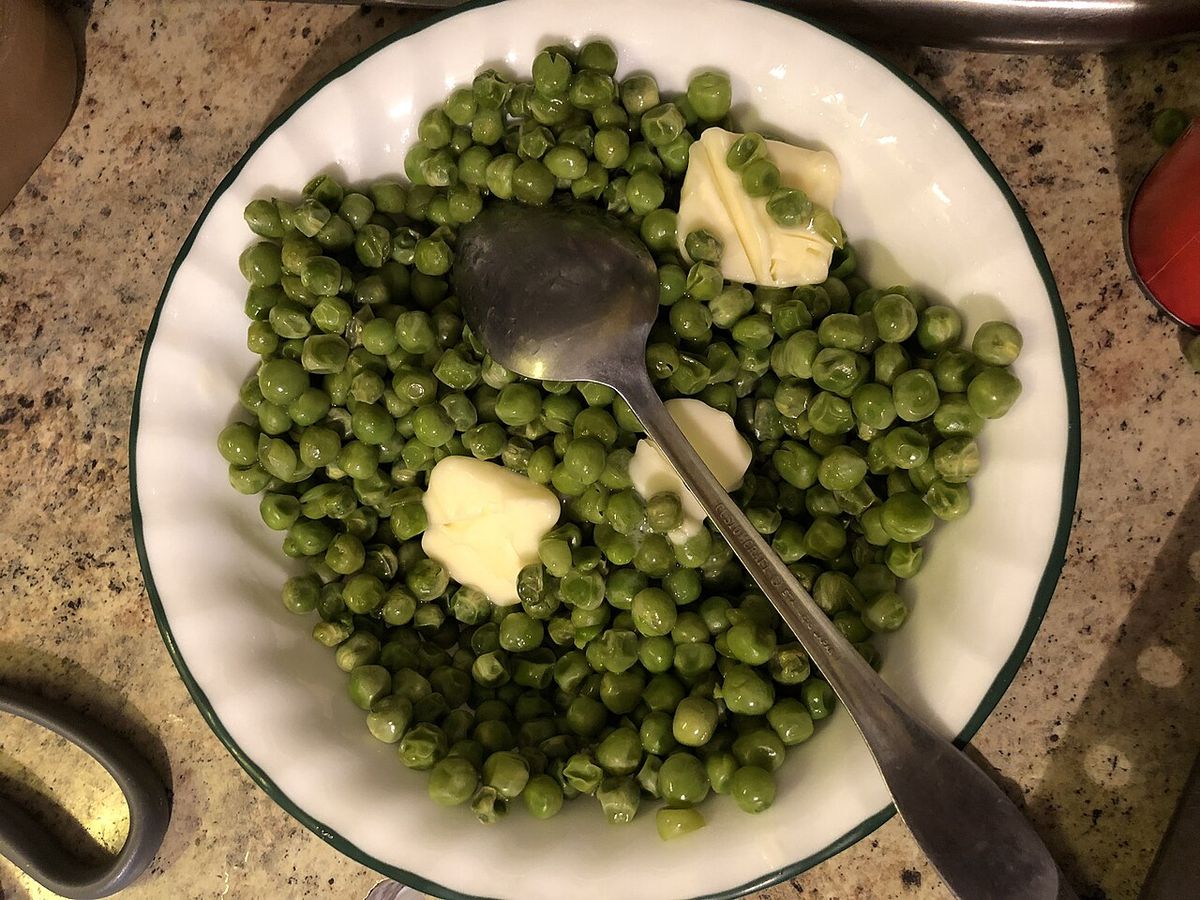
The 20th century saw the dinner become commercialized and standardized through breeding, technology, and wartime policy. The Beltsville Small White turkey, bred by the USDA and introduced commercially in 1947, was created for consumer demand for a small bird with more white meat and no dark feathers. It was supplanted by the larger Broad Breasted White, bred specifically for large feasts, which can grow over 40 pounds and now constitutes over 99% of turkeys consumed. In 1953, an overestimation of turkey demand led the Swanson company to create the first frozen TV dinner using flash-frozen turkey, gravy, stuffing, mashed potatoes, and peas, a technology inspired by Inuit practices and previously used for airline food. Wartime rationing also affected traditions, such as from 1942 to 1946 when sugar was rationed, and in 1947 when a voluntary 'Poultryless Thursday' campaign nearly discouraged turkey and pumpkin pie for Thanksgiving until the National Poultry and Egg Board lobbied President Truman. These developments solidified the dinner's form and its role in both home kitchens and commercial food systems across North America.
The centrepiece: turkey and its preparation
Roast turkey is the most common main dish for Thanksgiving, so much so that the holiday is often called 'Turkey Day'. American turkey growers raised approximately 270 million birds in 2006, producing five billion pounds of meat valued at almost eight billion dollars, with one fifth of annual consumption coming from Thanksgiving alone. The domestic Broad Breasted White turkey is genetically distinct from the wild native birds known to early settlers and figures like Benjamin Franklin, who held the wild turkey in high regard as an American icon. These commercially bred birds can exceed 40 pounds but often require artificial insemination and can have health issues due to their size. The tradition of the presidential turkey pardon, often attributed anecdotally to Abraham Lincoln in 1863, became a formalized annual ceremony with great fanfare from 1989 onward, where the presented bird is spared from the dinner table and sent to a park, though the National Turkey Federation has presented a live turkey to the president each year since 1947.
Preparation methods for the Thanksgiving turkey are diverse, though roasting remains the most traditional approach described in early works like Sarah Josepha Hale's 1827 novel Northwood. The bird is frequently stuffed with a savoury bread pudding before cooking, with sage, onions, and celery as standard aromatics, while other ingredients like chopped chestnuts, crumbled sausage, carrots, cranberries, or apples may be added. If cooked outside the bird, the mixture is generally called dressing and requires added stock. In recent decades, deep-frying turkey has grown in popularity for its crispy skin and moist meat and shorter preparation time, despite associated safety risks. Alternative cooking methods include grilling, smoking, braising, or sous vide. A critical accompanying sauce is giblet gravy, made from the turkey's liver, heart, gizzard, and neck often included by the butcher, and enriched with pan drippings to achieve a thick, pourable consistency with a silky texture and complex flavour that can be prepared in advance.
Traditional and contemporary side dishes
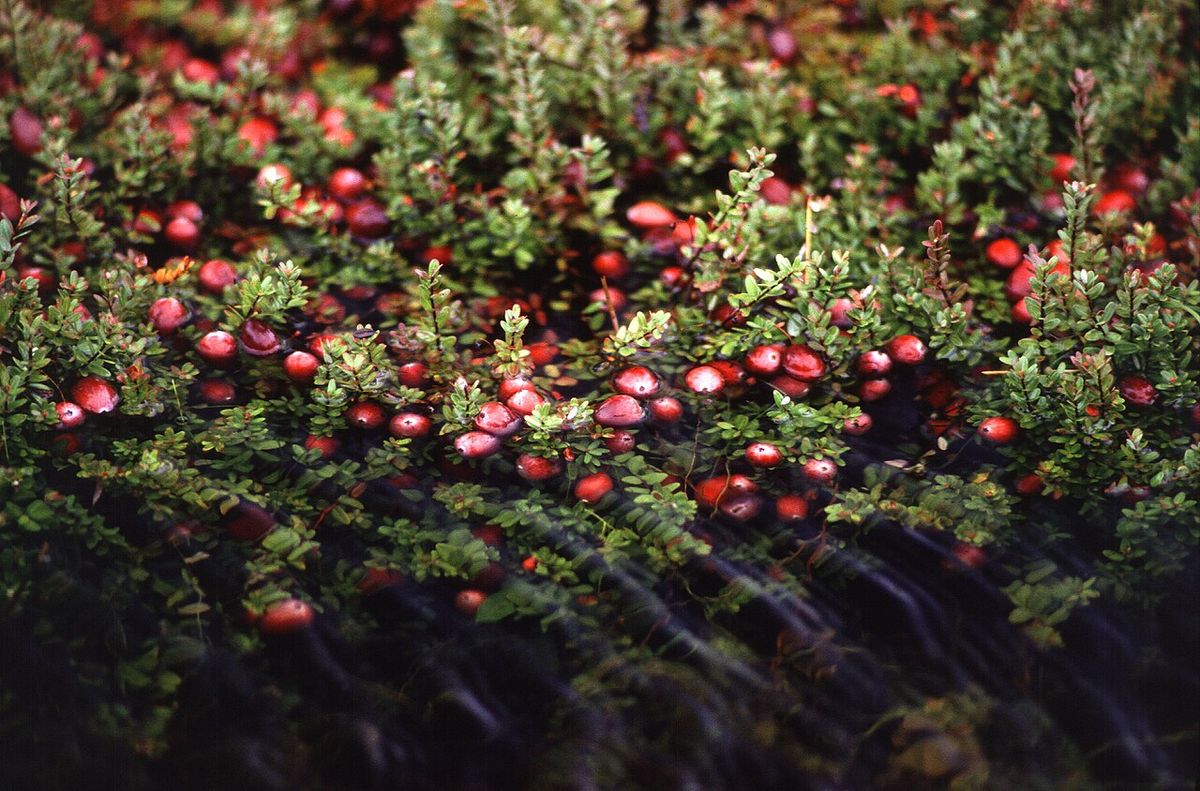
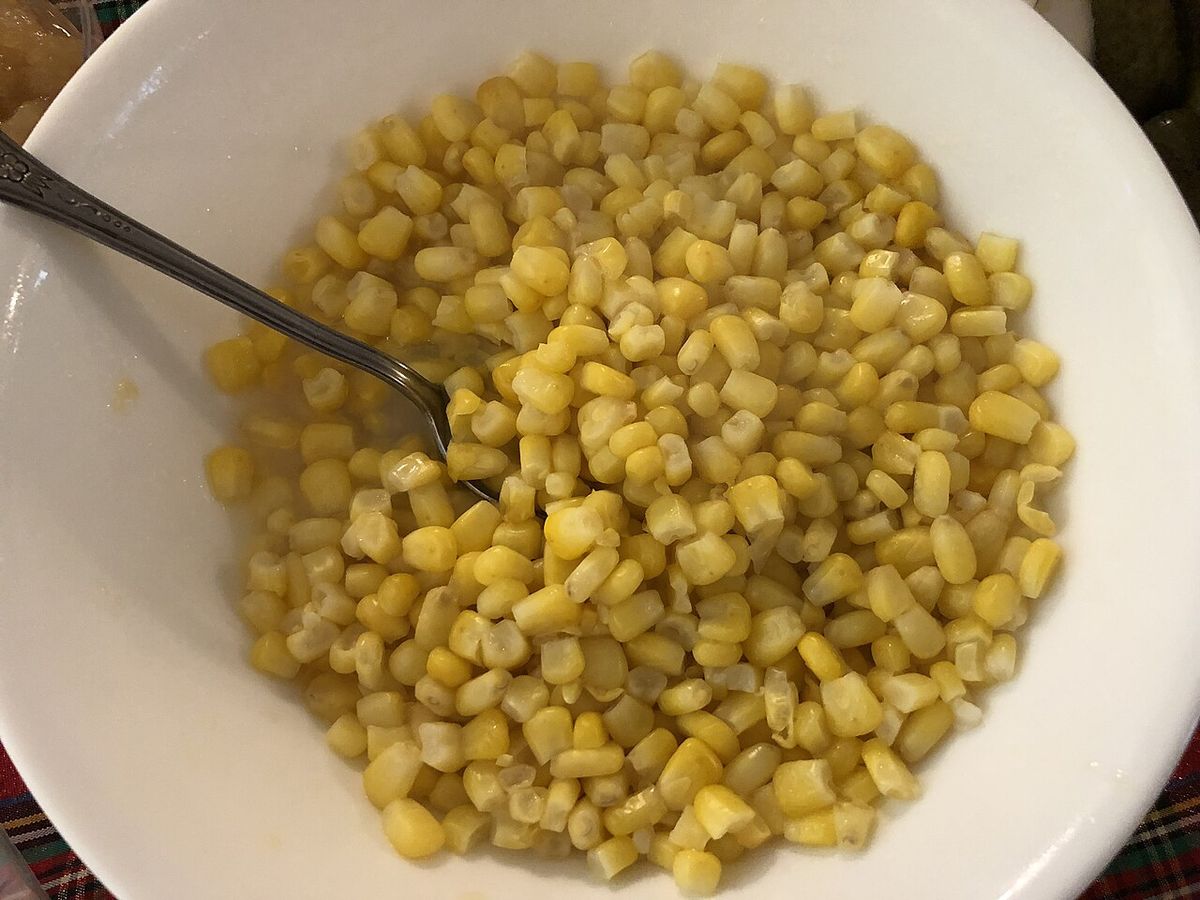
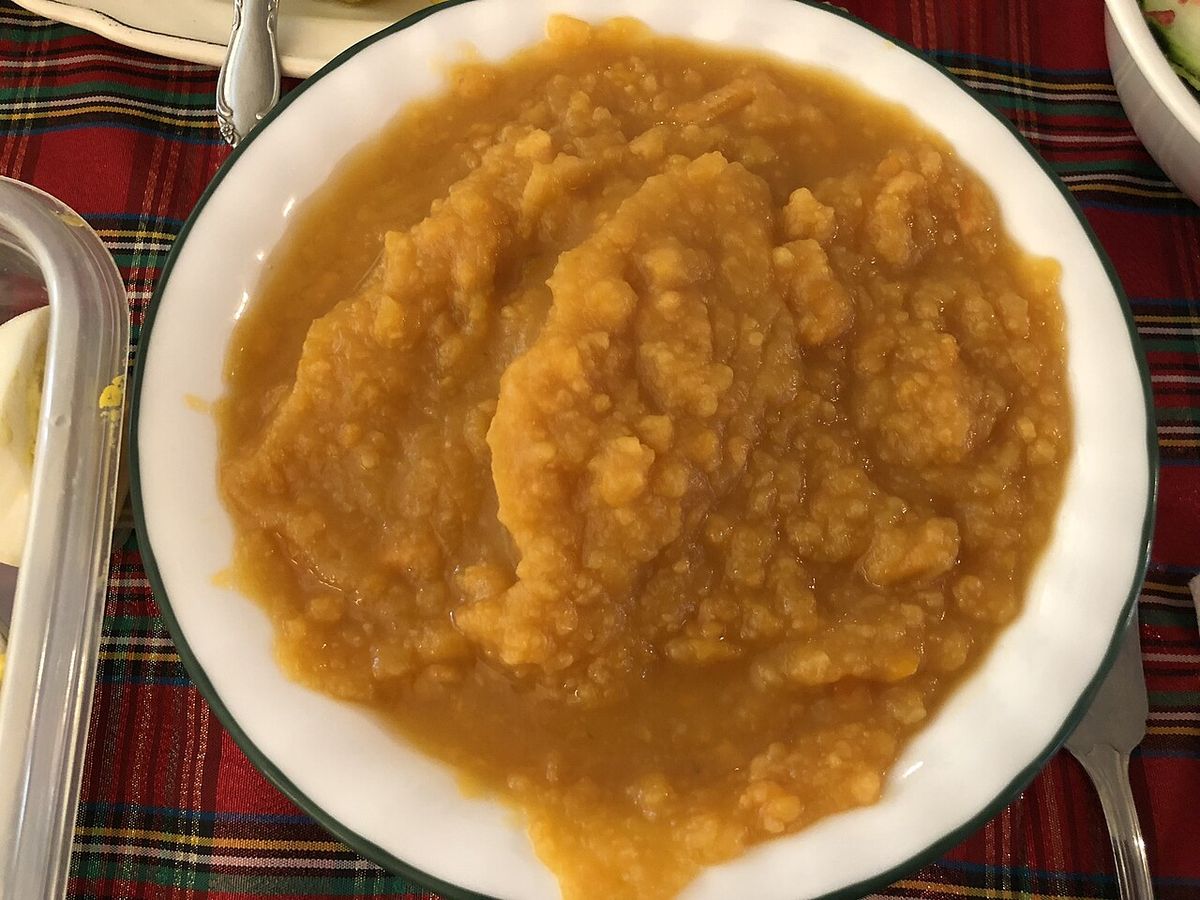
The Thanksgiving plate is defined by its array of side dishes, which many consider the true stars of the meal, to the point that a meal of only sides is called a Sidesgiving. Mashed potatoes and gravy, stuffing, and cranberry sauce are widely regarded as indispensable, with cranberry sauce first mentioned alongside turkey in Amelia Simmons's 1796 cookbook American Cookery. A savoury alternative, cranberry relish featuring sour cream, horseradish, and onion, was invented by Craig Claiborne in 1959 and popularized by NPR's Susan Stamberg as an annual tradition. Common vegetable sides include mashed or roasted squash, turnips, and sweet potatoes, the latter often prepared with brown sugar, molasses, or marshmallows, while other vegetables may include carrots, parsnips, beets, asparagus, Brussels sprouts, cauliflower, and creamed corn. Green bean casserole, a mid-century classic, remains a frequent addition, with modern recipes often opting for a homemade mushroom cream sauce instead of canned soup.
Contemporary menus reflect both tradition and innovation, with food publications and home cooks constantly refreshing their repertoires for holidays like Thanksgiving 2026. Popular modern recipes include crispy-topped Hasselback potatoes, ultra-creamy mashed potatoes passed through a ricer mixed with ample butter and cream, and quick lemon-garlic Brussels sprouts hash as a snappy respite. Salads, such as a shaved Brussels sprout salad with apples and walnuts or a lemon-garlic kale salad, are increasingly common as a tangy, green counterpoint to richer dishes. The concept of a Sidesgiving, where the meal consists entirely of side dishes with no central meat, has gained traction, accommodating diverse dietary preferences and shifting the focus entirely to the accompaniments, which can include grain-free stuffing or roasted beets with a balsamic glaze.
- Stuffing or dressing: A savoury bread pudding, often cooked inside the turkey, with regional names and ingredients like cornbread and sausage.
- Mashed potatoes: Typically served with turkey giblet gravy, with slow-cooker or Instant Pot versions saving time.
- Cranberry sauce: A tart condiment, either jellied, chunky, or as a cranberry applesauce or orange relish.
- Sweet potato casserole: Often topped with marshmallows or pecans, a dish with natural sweetness.
- Green bean casserole: A classic with green beans, cream sauce, and crispy onions.
- Dinner rolls: Soft, buttery yeast rolls like Easy Homemade Yeast Rolls are a staple.
- Brussels sprouts: Frequently roasted with pancetta and maple syrup or shaved raw in a salad.
- Pumpkin pie: The dessert described as occupying the most distinguished niche since the 19th century.
Alternative main dishes and multicultural influences
While turkey dominates, many households serve alternative or additional main dishes based on preference, heritage, or regional availability. Baked ham is a common alternative, while roasted goose, duck, or chicken reference European Christmas traditions. Italian American and Italian Canadian families might serve capon, and prime rib is a centrepiece for some Irish American and Irish Canadian households, symbolizing prosperity because beef was once a rarity in Ireland. Regional specialties include quail in Texas, Dungeness crab on the West Coast where the season starts in early November, and venison in the Northeastern U.S. during deer hunting season. In Alaskan and Inuit Nunangat communities, whale meat may be served, and commentator John Madden famously advocated for turducken, a deboned turkey, duck, and chicken nested together.
Immigration has influenced the Thanksgiving table, leading to an approach where traditional dishes are transformed with flavours and techniques from other cuisines. Celebrations often feature a mix of standard and multicultural dishes, especially for larger gatherings where guests' tastes vary. Examples include beef empanadas as an appetizer or snack, a main course of reverse-seared beef roast, or a slow-cooker turkey breast with lemon-garlic gravy for easier preparation. Vegetarian and vegan options have a long history, with menus discussed as early as 1897 by the Vegetarian Club of the University of Chicago. Modern meat substitutes include tofu, seitan, or lentil-based roasts like tofurkey, while vegetable-based mains like stuffed squash are also popular. The 1926 White House Thanksgiving is infamously linked to an alternative main dish, when a live raccoon sent from Mississippi for the feast was instead kept as a pet named Rebecca by President Calvin Coolidge and his wife Grace.
Desserts, beverages, and the conclusion of the feast
Thanksgiving dessert is a expected finale to the meal, with pumpkin pie holding the most distinguished place as a traditional favourite since at least the early 19th century. Sarah Josepha Hale's 1827 novel Northwood described it as 'an indispensable part of a good and true Yankee Thanksgiving'. Other classic pies include apple, mince, and sweet potato, while pecan pie is a Southern staple and sweet potato pie features a rich filling in a shortbread crust. A popular hybrid is the pumpkin pecan pie, combining velvety pumpkin filling with a caramelized pecan topping. Cheesecakes, particularly Basque cheesecake sometimes flavoured with pandan, and sticky buns that reheat well are also contemporary favourites for the holiday table. Pumpkin bread with brown butter and bourbon is another sweet option that can soak up gravy.
Beverages served range from coffee, mentioned in historical menus like the 1887 White House Cook Book, to modern non-alcoholic aperitifs like a Dirty Lemon Tonic. The meal's end often involves copious leftovers, which are a cherished part of the tradition extending the holiday. Leftover turkey is commonly used in sandwiches, gumbo, or enchilada pie, as noted by contemporary cooks who appreciate the slow-cooker turkey breast for this purpose. Many side dishes like stuffing, mashed potatoes, and casseroles also reheat well or can be frozen for a later meal. The abundance of food is a key characteristic, with planning often erring on the side of excess to ensure plenty for guests and subsequent meals, a practice that connects the feast to themes of gratitude and community sharing.
Planning, preparation, and commercial offerings
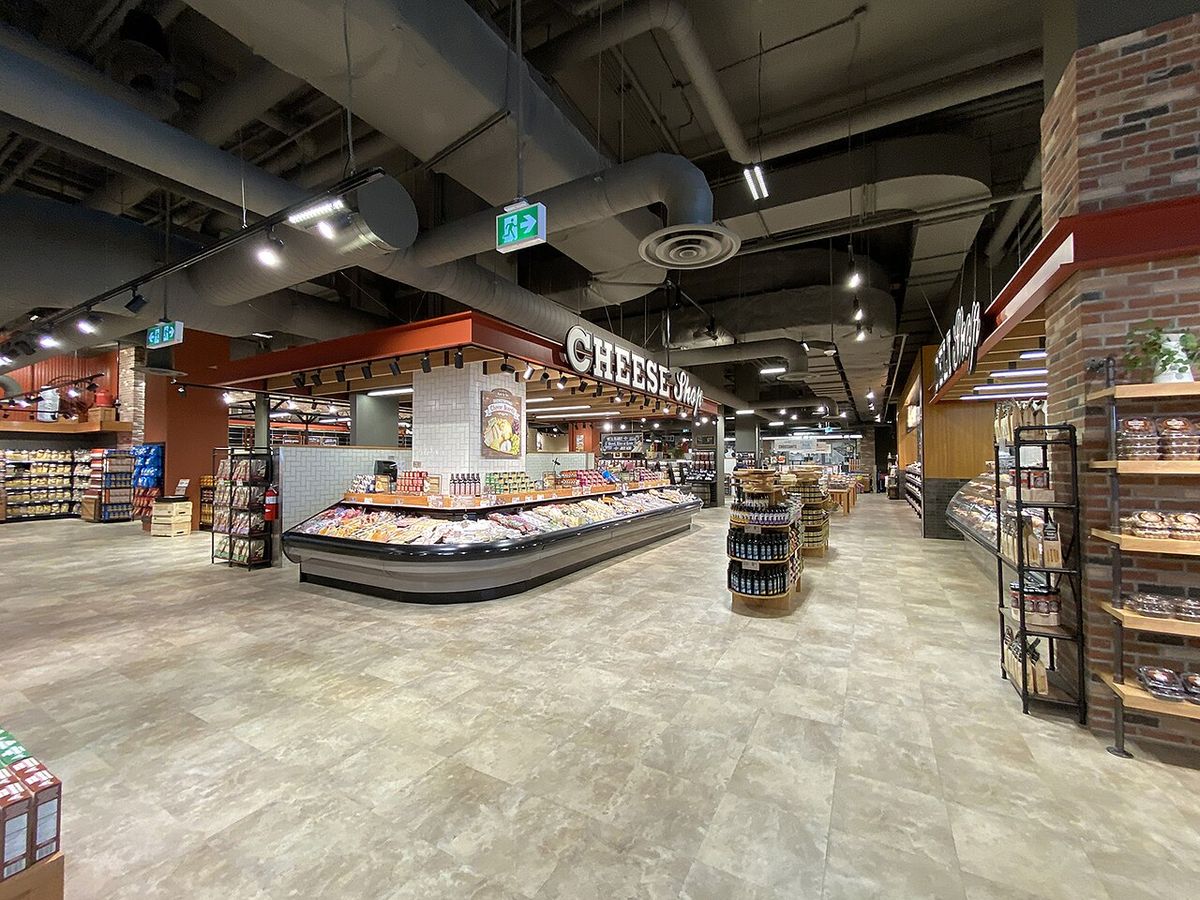
Planning a Thanksgiving dinner is a significant undertaking, with emphasis on advance preparation to manage the complexity of cooking multiple dishes for a crowd. Many components can be made ahead. Cranberry sauce, gravy bases, and pie dough can be prepared days in advance, while vegetables can be pre-chopped and stuffing assembled. Strategies like using a slow cooker for turkey breast or mashed potatoes help save oven space, and dishes like scalloped potatoes or a green bean casserole can be assembled the day before. For those seeking convenience, complete prepared meals are widely available from grocery chains and specialty retailers. Canadian grocer Farm Boy, for example, offers a Thanksgiving Dinner for two and a Complete Thanksgiving Dinner for six to eight, featuring chef-prepared roast turkey, apple sausage stuffing, gravy, cranberry sauce, and sides requiring only reheating, along with optional extras like turkey gravy and cranberry ginger sauce from their chef department.
The economic footprint of the meal is substantial, influencing retail and agriculture each autumn. In the United States, Thanksgiving is the largest eating event of the year measured by retail food and beverage sales and individual food intake. In 2024 alone, 983 million dollars was spent on turkeys. This commercial aspect extends to grocery stores offering extensive holiday deals and specialty products, from fresh turkeys to pre-made desserts like pumpkin, apple, and pumpkin pecan pies from in-store bake shops. The tension between homemade tradition and commercial convenience defines much of the modern holiday planning experience, allowing celebrants to choose their own balance between cooking from scratch and leveraging prepared items while managing kitchen space and time with family.
Cultural significance and modern adaptations
Thanksgiving dinner holds significant cultural weight as a ritual that reinforces family bonds and national identity in both Canada and the United States. The act of gathering to share a meal composed of historically resonant ingredients like turkey, corn, squash, and cranberries creates a sense of continuity and shared heritage tracing back to native foods of the Americas. The saying of grace before the meal formally connects the feast to the holiday's original purpose of giving thanks, a practice from its early establishment. Despite its deep traditional roots, the dinner is not static and sees annual evolution in home kitchens and food media. Modern adaptations are common, driven by dietary needs, culinary curiosity, and multicultural family backgrounds, with basic dishes transformed by immigrant cuisines.
The meal also serves as a platform for personal and family culinary expression, where a new recipe can become an annual keeper or a point of debate, as trying a new recipe risks complaints from relatives. Food media amplifies this evolution, with annual recipe roundups for Thanksgiving 2026 highlighting both classic techniques and new ideas like brown butter pumpkin bread, schmaltzy chicken and stuffing skillets, or non-alcoholic aperitifs. Publications like Bon Appétit and The New York Times feature staff recommendations for dishes like buttered stuffing with leeks or a cranberry curd tart. This blend of stability and change ensures the Thanksgiving dinner remains a living tradition, capable of honouring the past while accommodating the tastes and values of contemporary Canadian and American families, whether they serve a classic roast or a full Sidesgiving.
Questions about Thanksgiving dinner
What is traditionally served at a Canadian Thanksgiving dinner?
A traditional Canadian Thanksgiving dinner centres on roast turkey, accompanied by stuffing, mashed potatoes with gravy, and cranberry sauce. Common vegetable sides include roasted squash, sweet potato casserole, green beans, and Brussels sprouts. For dessert, pumpkin pie is the classic choice, though apple, pecan, and sweet potato pies are also popular. The meal shares most core elements with its American counterpart but is celebrated on the second Monday of October, and menus often feature locally available produce and variations like tourtière in some French-Canadian households.
Can you make Thanksgiving dinner ahead of time?
Yes, many components of Thanksgiving dinner can be prepared in advance to reduce stress on the day. Cranberry sauce, pie crusts, and stocks can be made days ahead. Casseroles, stuffing, and some vegetable dishes can often be assembled a day before and refrigerated until baking. Gravy can be prepared using stock and reheated with turkey drippings. Even rolls can be shaped and proofed in advance. Strategic advance prep is a key strategy for managing the large meal, and many side dishes like mashed potatoes and stuffing also freeze well for later use.
What are some common alternatives to turkey for Thanksgiving?
Common alternatives to turkey include baked ham, roast chicken, duck, or goose. Prime rib is a popular choice for some families, while capon is favoured in some Italian Canadian households. Regional alternatives include Dungeness crab on the West Coast, venison in the Northeast, and quail in the South. For vegetarians and vegans, options range from tofu or seitan-based roasts like tofurkey to hearty vegetable dishes such as stuffed squash. The meal can also become a 'Sidesgiving', featuring only side dishes like macaroni and cheese, casseroles, and salads without a central meat protein.
Why is turkey pardoned at Thanksgiving?
The presidential turkey pardon is a modern ceremonial tradition. While an apocryphal story attributes the first pardon to Abraham Lincoln in 1863, the formal annual presentation of a live turkey to the U.S. President dates back to at least 1947 by the National Turkey Federation and commercial farmers as far back as 1873. Initially, these birds were slaughtered for the White House meal. Since 1989, the sitting president has typically 'pardoned' the turkey in a public ceremony, after which the bird is sent to a farm or park to live out its life, though their natural lives are often short. The event is now a lighthearted media spectacle associated with the holiday.
What was the first Thanksgiving dinner really like?
The 1621 harvest feast in Plymouth, often cited as the 'first Thanksgiving', was different from the modern meal. According to Governor Edward Winslow's account, the three-day event included the Wampanoag tribe and featured fowl and deer provided by hunters. Historians note that seafood like lobster, eels, mussels, and oysters were likely abundant and central to the feast, with mussels easily harvested from shoreline rocks. There is no period evidence that turkey was specifically served, and church records of the time show days of thanksgiving involved prayer, not feasting. The lavish menu of turkey, stuffing, and pies is a 19th-century fictional creation that became embedded in popular culture through writers like Jane G. Austin.
How did the TV dinner originate from Thanksgiving?
The first commercial frozen TV dinner was a direct result of Thanksgiving overproduction. In 1953, the Swanson company overestimated demand and was left with hundreds of tons of leftover turkey. A salesman proposed packing the turkey with sides into partitioned aluminum trays. Using flash-freezing technology developed in the 1920s after observations of Inuit fish preservation, they created a pre-made meal of turkey, gravy, stuffing, mashed potatoes, and peas. Marketed as a 'TV Dinner', its convenience capitalized on the rise of television, allowing families to eat quickly in front of the set, and it became a massive commercial success, creating an entirely new category of prepared food.
Sources and further reading
- Thanksgiving dinner (Wikipedia)
- 33 Thanksgiving Recipes Our Food Staffers Make Every Year (cooking.nytimes.com)
- Our Fan Favorite Thanksgiving Side Dishes for 2026 (wholefully.com)
- Hassle-Free Thanksgiving Dinner Ideas (farmboy.ca)
- Canadian Thanksgiving Recipe Ideas (seasonsandsuppers.ca)
Checked by the Novello Desserts desk. Last updated 2026-10-29.