Wonton
A wonton is a type of Chinese dumpling consisting of a thin, typically square wrapper enveloping a savoury filling, most commonly of seasoned ground pork and shrimp. It is a foundational element across numerous regional Chinese cuisines, with the Cantonese style being particularly prominent in the West due to the historical prevalence of Cantonese restaurants overseas. In Canada, wontons are a familiar and beloved feature of Chinese Canadian cuisine, found in soups, fried as appetizers, and enjoyed as a comforting homemade meal. Their preparation and consumption, especially during Lunar New Year where their ingot-like shape symbolizes wealth, reflect a deep culinary tradition that has been adapted and embraced in multicultural Canadian food culture.
Etymology and Historical Origins
The name 'wonton' has evolved through Chinese history and dialects, reflecting its long culinary journey. In Mandarin, the dish is called huntun (馄饨), while the common English term 'wonton' derives from the Cantonese pronunciation wan4 tan1 (雲吞), which poetically translates to "cloud swallow. This name references the appearance of the dumplings floating in broth. Ancient Han Chinese initially considered it a type of sealed bun and called it hun dun, meaning 'chaos' or 'turbidity,' a name that later evolved with a change in written character radicals from water to food. One folk tale links the dish's creation to Xi Shi, a renowned beauty from the Spring and Autumn period, who supposedly created the dumplings for a Wu Kingdom emperor and named them for their chaotic, wrinkled appearance.
Characteristics and Differences from Jiaozi
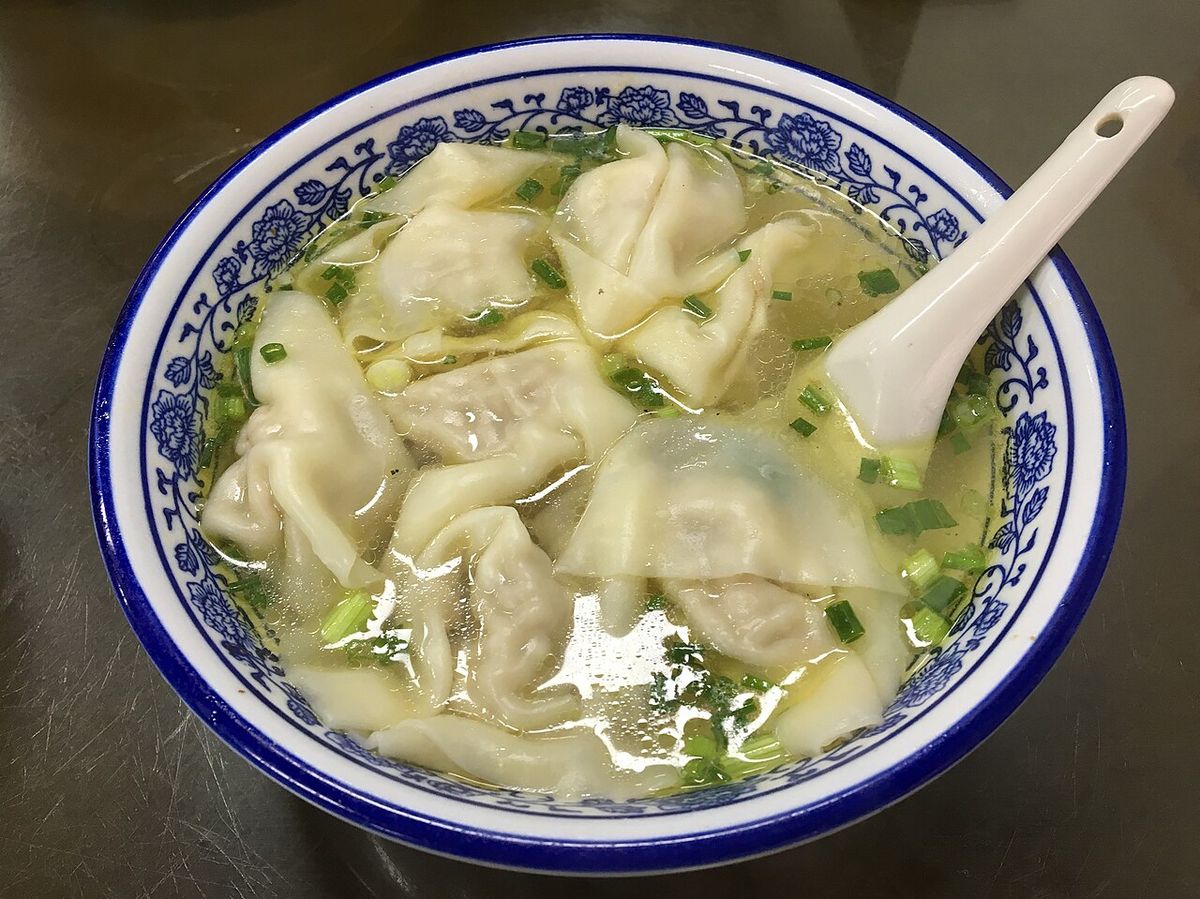
While both are types of filled dumplings, wontons and jiaozi possess distinct characteristics in wrapper, shape, filling, and serving style. Wonton wrappers are typically thin, square, and often yellow due to the inclusion of egg in the dough, measuring about 6 by 6 centimetres. After boiling, these thin skins become semi-transparent and have a smooth texture. The filling is generally less voluminous than in jiaozi, commonly featuring a blend of ground pork and shrimp. Wontons are traditionally folded into simple shapes like triangles or globular bundles, with some regional styles resembling a Chinese gold ingot, or yuanbao. In contrast, jiaozi are wrapped in thicker, circular white dough wrappers, contain more filling, and feature pleated edges. The serving method also differs significantly, as wontons are most commonly served in a broth-based soup, while jiaozi are typically eaten with a dipping sauce and can be boiled, steamed, or pan-fried. The structural requirements of the wrapper differ because wontons are usually boiled or deep-fried, whereas jiaozi, especially when made as potstickers, require a thicker wrapper to withstand pan-frying and steaming.
Regional Variations in China
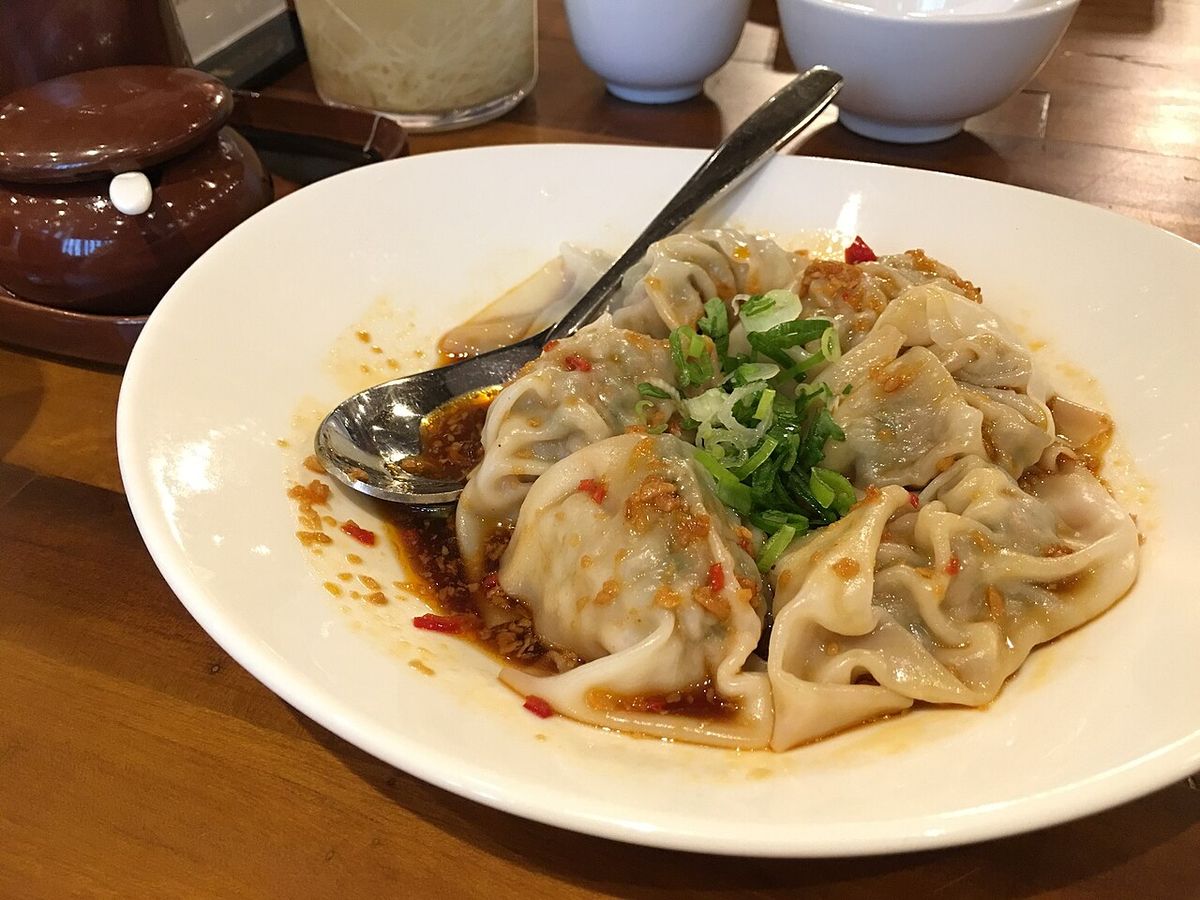
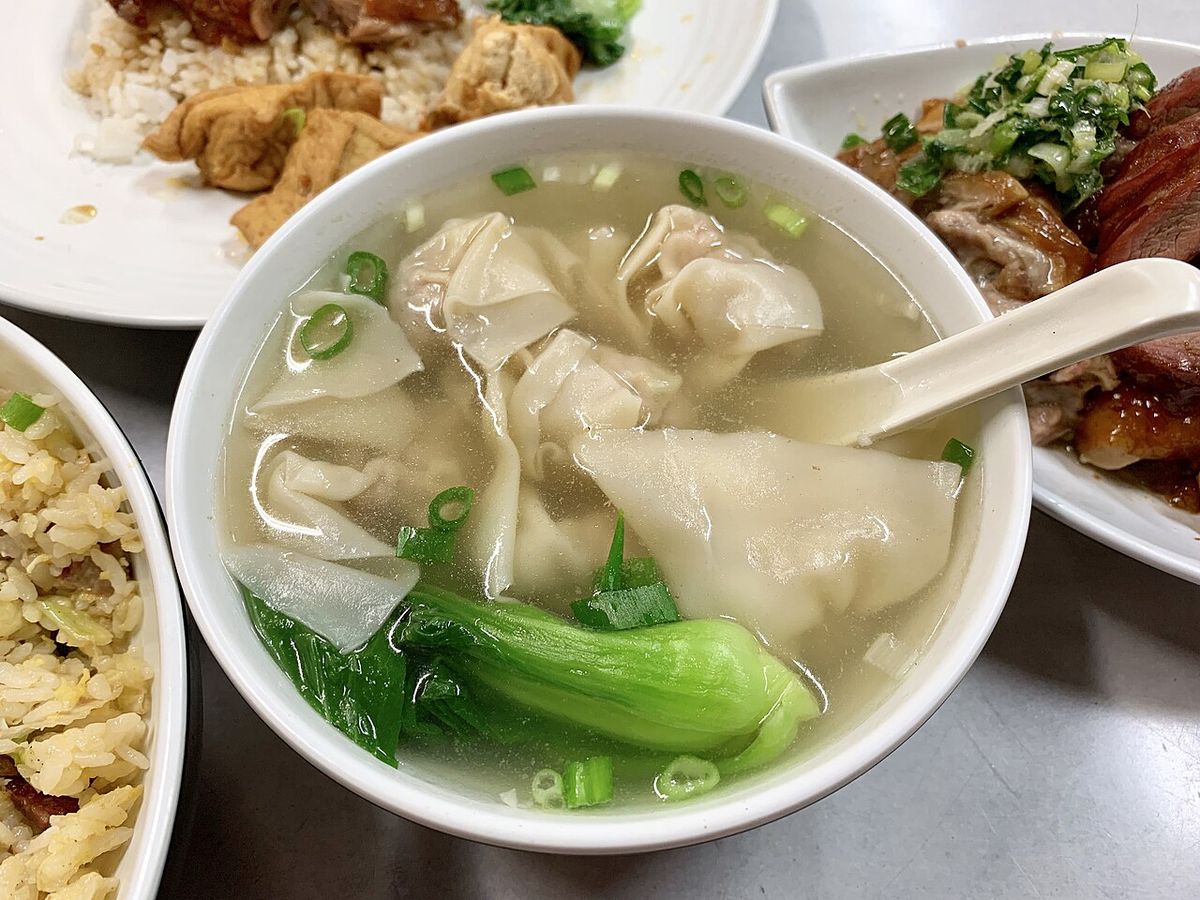
Wonton preparation and presentation vary greatly across China's regions, each offering a unique take on the classic dumpling. Cantonese wontons are arguably the most internationally recognized, featuring a filling of shrimp and minced pork served in a clear soup made from pork bones, shrimp shells, and dried flounder, often accompanied by thin egg noodles. In Sichuan cuisine, wontons are known as chaoshou (抄手), or 'folded arms,' and are famously served in a spicy sauce of sesame paste and chili oil as 'red oil wonton.' Shanghai cuisine distinguishes between small, casually wrapped wontons for breakfast and larger, carefully shaped ones for meals, with fillings like pork and shepherd's purse. Ningbo cuisine offers both steamed wontons and wonton soup, while in the Jiangzhe area, large ingot-shaped wontons are served in broth with accompaniments like egg omelette and seaweed. Archaeological evidence shows that dumplings and wontons from the 7th and 8th centuries CE have been found at sites in Turpan. The smallest Cantonese serving is called sai yung, which consists of just two wontons with noodles, and a popular Shanghai fast-food chain has been known to offer more than 50 varieties of large wontons.
Notable regional names for wontons include 'huntun' in Mandarin, 'wantan' in Cantonese, and 'Pián-si̍t' in Hokkien. In Cantonese, the name 'wantan' poetically means 'cloud swallow.' Regional styles across China vary significantly, with examples from Beijing, Sichuan, Hubei, Jiangnan, Jiangxi, Guangdong, and Fujian. Cantonese wontons, often filled with shrimp and pork, are particularly popular in Western countries. Sichuan cuisine features a style called 'chaoshou,' often served in a spicy red oil sauce.
- Cantonese (Guangdong): Wan tan, small with pork-shrimp filling in noodle soup.
- Sichuan: Chaoshou, semi-pentagonal shape served in spicy red oil sauce.
- Shanghai/Jiangnan: Distinction between small and large wontons. Fillings often include pork and shepherd's purse. A popular Suzhou-originated variety is "three delicacies wonton" with pork, shrimp, and beef liver.
- Fujian (Hokkien): Called pian shi (扁食), using very thin wrappers with a pork paste filling.
- Ningbo: Steamed or in soup, with pork and shrimp filling.
Preparation, Fillings, and Wrappers
The art of making wontons involves preparing a simple dough skin, creating a seasoned filling, and mastering a folding technique. The wrapper dough is made from wheat flour, water, salt, and often egg, which gives it a distinctive yellow hue and elasticity. To assemble, a square wrapper is placed in the palm, a small amount of filling is centred, and the edges are moistened and pressed together to seal, expelling air to prevent bursting during cooking. The most classic filling, particularly in Cantonese style, combines ground pork and chopped shrimp, bound with a small amount of cornstarch and seasoned with salt, white pepper, oyster sauce, and sesame oil. Fattier cuts of pork like pork shoulder or belly are preferred for their juiciness and flavour, while leaner cuts like pork loin are advised against. In modern kitchens, pre-made wonton wrappers are widely available in the refrigerated or frozen sections of supermarkets, including many in Canada, making homemade wontons accessible. These store-bought wrappers are typically thin and square, distinct from the thicker, round wrappers used for potstickers which are designed for a different cooking process. Some recipes call for rinsing the ground pork in water to remove myoglobin, which can impart a bloody or irony flavour, before draining and mixing with other ingredients. Detailed online tutorials from experienced cooks note that a proper Cantonese filling should have a bit of chewiness, so the pork is chopped into small bits rather than minced excessively fine.
Cooking Methods and Serving Styles
Wontons are versatile and can be prepared using several cooking methods, each yielding a different texture and dish. The most traditional method is boiling them in a flavourful broth to create wonton soup, a comforting dish where the dumplings are the star. They can also be deep-fried until crispy and golden brown, served as an appetizer often accompanied by duck sauce, plum sauce, sweet and sour sauce, or hot mustard. A less common but effective method is pan-frying, which creates a crispy bottom similar to a potsticker, a technique suitable for the simple triangular fold shape. The shape of the wonton can influence the preferred cooking technique, with simple triangular folds being suitable for all methods, while more globular shapes are typically boiled. Serving styles are equally diverse, ranging from the simple soup with greens to more elaborate presentations with noodles, or even served 'dry' with sauce and no broth, as in Singaporean wonton mee. In Shanghai, small wontons are a popular accompaniment to breakfast or brunch, while large wontons can serve as a light lunch or dinner, and they can also be eaten with just sesame oil and soy sauce like a dumpling.
Wontons are commonly boiled and served in soup, which is a traditional method. They can also be deep-fried and served as an appetizer. In American Chinese cuisine, fried wontons are often eaten with duck sauce or sweet and sour sauce. Another popular format is wonton noodles, where the dumplings are served in a soup with thin noodles. In Shanghai, small wontons are a common breakfast item, while larger, carefully wrapped wontons can serve as a light dinner.
- Wonton Soup: Wontons boiled and served in a clear, aromatic broth, sometimes with condiments like pickles, ginger, and cilantro.
- Fried Wontons: Deep-fried until crisp, served as an appetizer with dipping sauces. A version with cream cheese and crab is called crab rangoon.
- Wonton Noodles: Boiled wontons served over or alongside thin egg noodles in soup, a Cantonese staple.
- Red Oil Wonton: Boiled Sichuan-style wontons dressed in a spicy sesame-chili oil sauce.
- Wonton Strips: Deep-fried strips made from leftover wonton wrappers, often a complimentary appetizer in North American Chinese restaurants.
- Xiao Huntun: Literally "little wonton," made with a minute amount of filling and a squashed shape, always served in soup.
Global Adaptations and Cultural Significance
As Chinese diaspora communities spread worldwide, wontons were adapted into numerous local cuisines, creating unique fusion dishes. In American and Canadian Chinese restaurants, wontons are staples, served both in soup and as fried appetizers, with crab rangoon being a notable invention featuring cream cheese and crab. In Southeast Asia, wontons are integral to hawker food cultures, such as in Singapore where 'dry wanton mee' is popular, and in the Philippines where they appear in the noodle soup pancit Molo and are called pinseques fritos when fried. In Indonesia they are called pangsit, in Thailand kiao (where the soup is kiao nam made with chicken stock), and in Vietnam hoành thánh, each locale incorporating local flavours and ingredients. In Peru's chifa cuisine, fried wantán is served with rice or tallarín saltado, and also appears in wonton soup. In Eastern Europe, including Russia and Estonia, similar dumplings called pelmeni are usually filled with minced meat and eaten with vinegar and sour cream. The wonton also holds cultural significance during Lunar New Year, where its resemblance to a gold ingot makes it a symbolic food for wealth and prosperity, traditionally eaten on the second day of the celebrations. This blend of culinary tradition and symbolic meaning highlights the wonton's enduring appeal across cultures and generations, connecting family heritage and festive ritual, and in northern China it is commonly eaten as a hearty, warming breakfast.
Wontons in Canadian Context
Wontons have become a familiar and integrated part of Canada's diverse culinary scene, commonly found in Chinese Canadian restaurants from coast to coast. They are a standard item on menus, typically offered as wonton soup or fried wontons, with crab rangoon being a common appetizer choice. The growth of well-stocked Asian supermarkets across Canadian cities has also made ingredients like wonton wrappers, oyster sauce, and sesame oil readily accessible, empowering home cooks to prepare the dish. Many Canadian families, including those of Chinese heritage, have cherished family recipes passed down through generations, often shared online and through community networks. Online recipe tutorials from Canadian-based creators, some garnering over 1.8 million views, demonstrate the dish's popularity for home cooking. The dish's comfort food qualities, relative ease of preparation, and ability to be made in bulk and frozen align well with Canadian home cooking practices. The wonton's prominence during Lunar New Year festivities is observed in Canadian communities, connecting cultural celebration with culinary tradition and the symbolic wish for prosperity in the new year.
Ingredients for making wontons at home in Canada are increasingly easy to source. Wonton wrappers, typically thin, square, and yellow, are commonly found in the frozen or refrigerated sections of many grocery stores. Common fillings use ground pork, chicken, or shrimp, seasoned with ingredients like soy sauce, ginger, and green onion. Fatty cuts of pork like pork shoulder are ideal for a juicy filling. Many supermarkets now stock these core ingredients, making homemade wontons more accessible.
- Wonton Wrappers: Found in the refrigerated or frozen sections of most major supermarkets and all Asian grocery stores.
- Protein: Ground pork shoulder (Boston butt) is the preferred cut, available at most butchers and grocery stores.
- Shrimp: Available fresh or frozen, often sold peeled and deveined.
- Seasonings: Soy sauce, oyster sauce, sesame oil, and white pepper are standard in most supermarket international aisles.
- Specialty Items: Ingredients like dried flounder for authentic broth can be found in Chinese herbal or specialty grocery stores in major urban centres.
For those without access to a local Asian market, many core ingredients can also be purchased through online retailers. This allows Canadians in any region to attempt traditional wonton recipes. Items such as specific wrappers, sauces, and seasonings are often available for online purchase. This accessibility supports the preparation of authentic dishes like Cantonese pork and shrimp wontons. Consequently, geographic location is less of a barrier to making this classic Chinese dish at home.
Questions about Wonton
What is the difference between wontons and dumplings (jiaozi)?
Wontons and jiaozi are both Chinese dumplings but differ in several key ways. Wontons use a thin, square, often yellow wrapper made with egg, while jiaozi use a thicker, circular, white wrapper. Wonton fillings are typically smaller in volume, commonly featuring pork and shrimp, whereas jiaozi have more substantial fillings. In terms of cooking and serving, wontons are traditionally boiled and served in a soup, while jiaozi are more versatile, being boiled, steamed, or pan-fried and usually eaten with a dipping sauce.
What are the most common fillings for wontons?
The most classic and common wonton filling is a mixture of ground pork and chopped shrimp, seasoned with ingredients like salt, white pepper, oyster sauce, and sesame oil. A small amount of cornstarch is often added as a binder. Regional variations exist, such as the pork and shepherd's purse filling in Shanghai, or the pork-only filling for Sichuan red oil wontons. Fattier cuts of pork like shoulder or belly are preferred for their moisture and flavour.
Where can I buy wonton wrappers in Canada?
Wonton wrappers are widely available in Canada. They can be found in the refrigerated or frozen sections of most major supermarkets, often located near the tofu or in the international foods aisle. Asian grocery stores will have the largest selection, including different brands and sizes. The wrappers are typically thin, square, and yellow, distinct from the thicker, round potsticker wrappers.
What is Crab Rangoon?
Crab Rangoon is a popular appetizer in American and Canadian Chinese cuisine. It consists of a wonton wrapper filled with a mixture of cream cheese, crab meat (often imitation crab), and seasonings like green onion and garlic. The wontons are then deep-fried until crispy and golden. They are typically served with a sweet and sour sauce or plum sauce for dipping and are a common menu item in North American Chinese restaurants.
What does 'wonton' mean in Cantonese?
In Cantonese, wontons are called wantan, which translates to 'cloud swallow.' This name originates from the appearance of the cooked dumplings, as they float in the broth like small clouds. The term uses the characters for cloud (雲) and swallow (吞). This poetic name is specific to the Cantonese language and culinary tradition. In Mandarin, the same dumpling is called huntun. The Cantonese style is notably the most popular version found in Western restaurants due to the historical prevalence of Cantonese cuisine overseas.
Why are wontons eaten during Chinese New Year?
Wontons are eaten during Chinese New Year because their shape can resemble a Chinese gold ingot, known as a yuanbao, which symbolizes wealth and prosperity. Consuming them is a tradition believed to invite good fortune in the coming year. Specifically, they are eaten on the second day of the New Year to worship the God of Fortune. This symbolic practice is part of the dish's long history in Chinese culture, dating back centuries. The association with gold ingots comes from the triangular shape created by folding the square wrapper, which mimics the form of ancient currency.
Sources and further reading
- Wonton (Wikipedia)
- Dad's Wontons: The Chinese Restaurant Way (madewithlau.com)
- Shanghai Style Wontons 上海菜肉雲吞 (auntieemily.com)
Checked by the Novello Desserts desk. Last updated 2026-10-24.