Emancipation Day
Emancipation Day is a Canadian observance held annually on August 1 to commemorate the day the Slavery Abolition Act of 1833 came into force across the British Empire in 1834, legally ending slavery. It serves as a day to recognize the history and legacy of slavery in Canada and the enduring impacts of anti-Black racism. While officially recognized nationwide by a unanimous House of Commons vote in 2021, Black communities in Ontario, Nova Scotia, and elsewhere have marked the day for over a century. Emancipation Day provides an opportunity for reflection, education, and a commitment to addressing systemic inequalities faced by Black Canadians.
Historical Roots and the Path to Emancipation
The legal foundation for Emancipation Day in Canada is the British Slavery Abolition Act of 1833, which took effect on August 1, 1834. This legislation did not immediately free all enslaved people, as only those under the age of six were granted immediate liberty. Enslaved individuals older than six were redesignated as "apprentices," compelled to work 40 hours per week without pay for their former owners as a form of compensation. Full and unconditional emancipation for these apprentices was not achieved until midnight on July 31, 1838. Canada had its own earlier history with slavery, as Black and Indigenous peoples were enslaved in the territories that now form the country. The first jurisdiction in the British Empire to move against slavery was Upper Canada, now Ontario, where Lieutenant Governor John Graves Simcoe passed the 1793 Act Against Slavery. This act banned the importation of slaves and stipulated that children born to enslaved women would be bound until age 25, a significant limitation that was later superseded by the imperial act.
Official Recognition and Commemoration in Canada
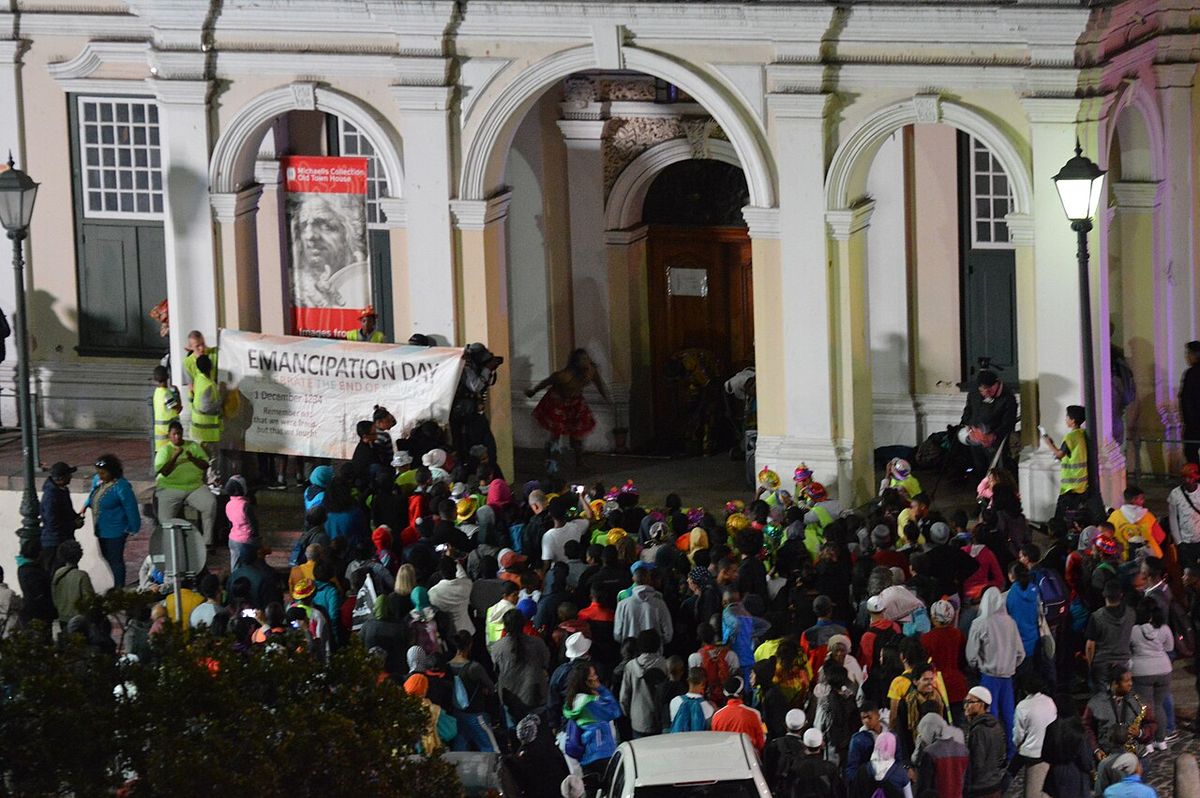
Although long commemorated within Black communities, Emancipation Day received formal nationwide recognition on March 24, 2021, when the Canadian House of Commons voted unanimously to designate August 1 as Emancipation Day across Canada. In 2022, the celebrations of Emancipation Day were declared a National Historic Event by Parks Canada. Several provinces had established recognition earlier, with Ontario designating August 1 as Emancipation Day through a provincial act in 2008. The preamble to Ontario's legislation highlights the importance of recognizing the heritage of the Black community and the ongoing international struggle for human rights. Nova Scotia's Legislative Assembly set August 1 as Emancipation Day on April 13, 2021, with the province also recognizing August 23 as the International Day for the Remembrance of the Slave Trade and its Abolition. The day is marked by provincial ceremonies, community-led events, and educational initiatives aimed at fostering a more complete understanding of Canadian history.
Historical Community Celebrations and Traditions
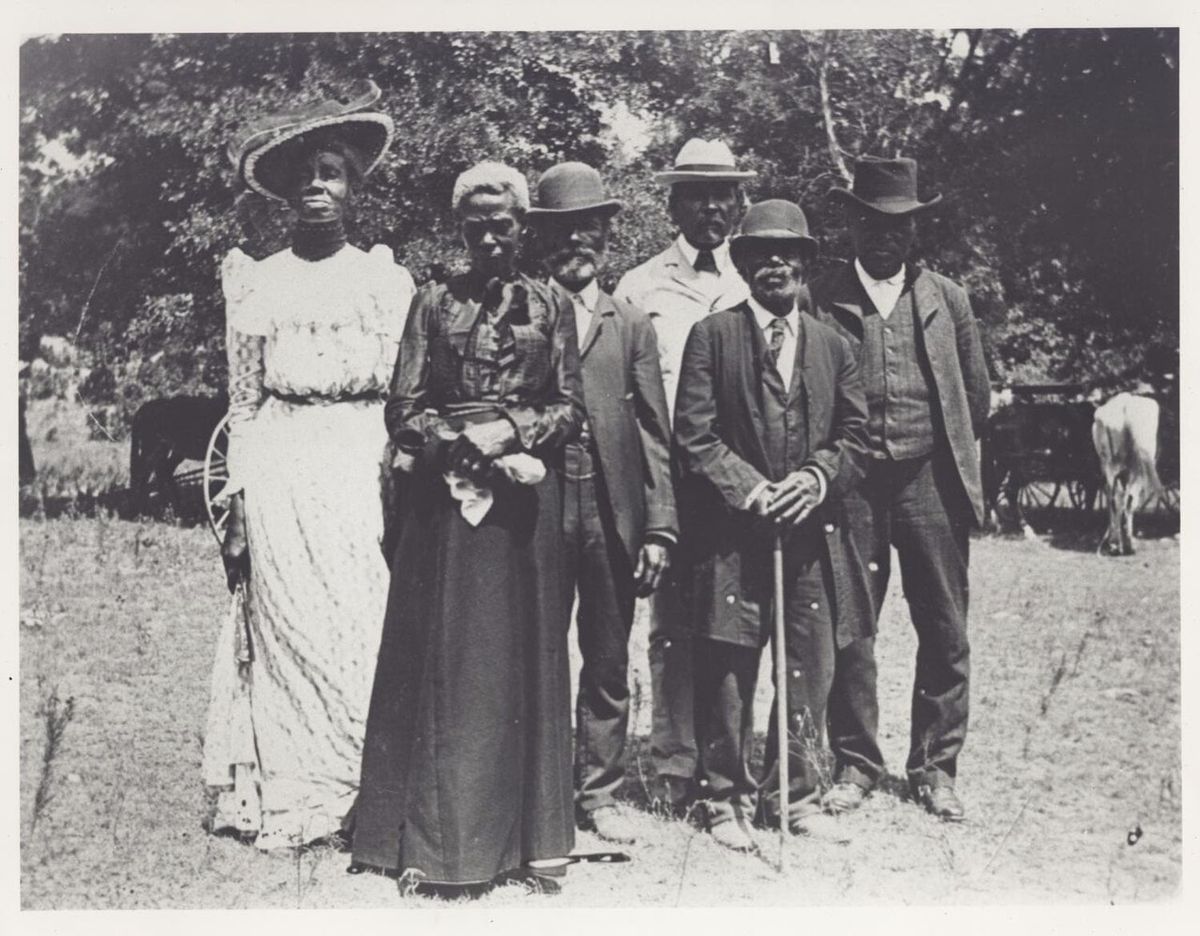
Long before federal recognition, Black Canadian communities created traditions to mark emancipation. In Ontario, notable historical commemorations included The Big Picnic, organized by the Toronto Division of the Universal Negro Improvement Association starting in 1924 at Lakeside Park in Port Dalhousie, which attracted thousands from the 1920s to the 1950s. The first Emancipation Day Parade was held in Windsor in 1932, organized by Walter Perry, and grew to feature notable guests like Martin Luther King Jr, Stevie Wonder, and Eleanor Roosevelt. This event, known as the "greatest freedom show on Earth," ended in the late 1960s due to Perry's death and civic concerns following the Detroit Riot of 1967. The town of Owen Sound has celebrated Emancipation with a picnic for over 157 years, now held as an Emancipation Festival. These community gatherings served as vital spaces for celebration, solidarity, and the affirmation of freedom and dignity. The Windsor parade, in particular, featured a roster of distinguished guests over the years.
- Martin Luther King Jr., civil rights leader.
- Mary McLeod Bethune, educator and civil rights activist.
- Stevie Wonder, musician.
- Benjamin Mays, minister and mentor to Dr. King.
- Fred Shuttlesworth, civil rights leader.
- Martha Reeves and The Vandellas, musical group.
- Eleanor Roosevelt, former First Lady of the United States.
Contemporary Observances and the Toronto Caribbean Carnival
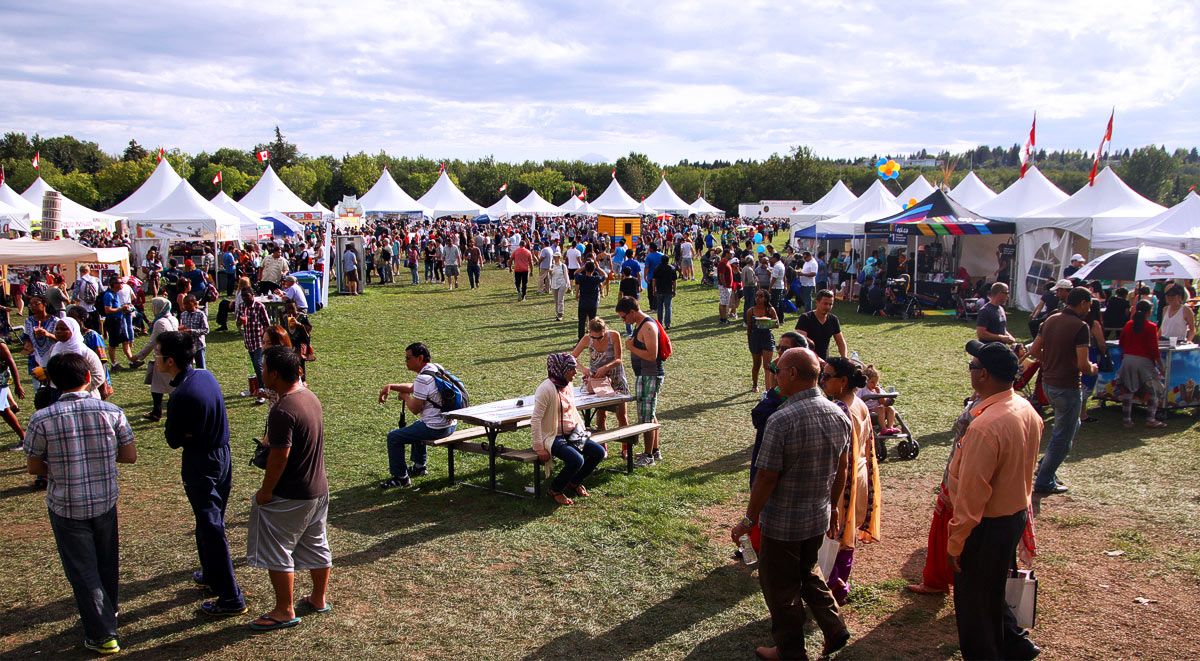
Modern observances of Emancipation Day in Canada blend reflection with cultural celebration, most prominently through the Toronto Caribbean Carnival. This major festival, originally called Caribana until 2006, is a two-week celebration that culminates on the Civic Holiday long weekend in early August, coinciding with Emancipation Day. First held in 1967 as a gift from the Caribbean community for Canada's centennial, the Carnival's roots are deeply tied to emancipation. The tradition of parading is linked to historical celebrations of freedom from slavery in the Caribbean. The 2026 Toronto Caribbean Carnival, for instance, was scheduled from July 30 to August 3, with the Grand Parade on August 1. The festival includes the Kings and Queens Festival, the grand parade, and Olympic Island activities, serving as a public expression of cultural resilience and joy rooted in a history of resistance and liberation. The Carnival's programming typically includes several key components.
- The Grand Parade, featuring thousands of masqueraders in elaborate costumes.
- The Kings and Queens Festival, a competition for the best-designed costumes.
- Olympic Island activities, offering music and family events.
- Numerous concerts and cultural shows throughout the two-week period.
The Legacy of Slavery and the Call to Action
Emancipation Day is not solely a historical commemoration but a call to acknowledge and address the continuing legacy of slavery and systemic anti-Black racism in Canada. As stated in public education materials, the effects of slavery continue to shape the experiences of Black communities through persistent systemic barriers and unequal treatment. The day invites Canadians to reflect, educate, and engage in the ongoing fight against intersectional forms of anti-Black racism and discrimination. Organizations like the Black Legal Action Centre, established in 2017, frame the day as a reminder that justice requires action, not just reflection. Their work in legal advocacy, public education, and law reform aims to challenge discrimination and remove systemic barriers, continuing the work of those who fought for emancipation. The day highlights that the promise of equality must be reflected not only in laws but in the lived experiences of all Black Canadians.
Emancipation Day Observances Across the Americas
Emancipation Day is observed on various dates throughout the Americas, reflecting different colonial histories and abolition timelines. Many former British colonies in the Caribbean mark the day on or around August 1. For example, Jamaica and Barbados observe it on August 1, while The Bahamas, Guyana, and Dominica celebrate on the first Monday in August, often called August Monday. Trinidad and Tobago declared it a national holiday in 1985, replacing Columbus Discovery Day. In Bermuda, a unique two-day holiday called Cup Match, featuring a cricket match, is held on the Thursday and Friday before the first Monday in August, with the Thursday named Emancipation Day. In former Dutch colonies like Suriname and the islands of the Dutch Caribbean, emancipation is commemorated on July 1, known as Keti Koti. French territories such as Martinique and Guadeloupe observe it on May 22 and May 27, respectively. This table illustrates the diversity of dates and names for this significant observance.
| Country/Territory | Date of Observance | Notes |
|---|---|---|
| Canada | August 1 | Nationwide recognition since 2021. |
| Jamaica | August 1 | Public holiday, part of Independence Week. |
| The Bahamas | First Monday in August | Public holiday since at least 1973. |
| Trinidad and Tobago | August 1 | Replaced Columbus Discovery Day in 1985. |
| Bermuda | Thursday before first Monday in August | Part of Cup Match holiday. |
| Suriname | July 1 (Keti Koti) | Official public holiday since 1955. |
| Martinique | May 22 | Marks slave resistance in 1848. |
| Guadeloupe | May 27 | Commemorates abolition. |
| Saint Vincent and the Grenadines | August 1 | 18,102 people became apprentices in 1834. |
| Saint Lucia | August 1 | Celebrated on the fixed date. |
Educational Resources and Continued Learning
Marking Emancipation Day involves a commitment to education about Black history in Canada and the ongoing realities of racism. Numerous public resources are promoted to facilitate this learning. Recommended materials often include reading on Black achievements in Canada and Black history from 1960 to the present. Podcasts like the limited series "Strong and Free," which explores topics from a Black Canadian perspective, are suggested for listening. Short audio format videos, such as "Portraits of Black People," provide information on Canadian Black history and contributors. Training sessions on topics including Black History Month, Anti-Racism, and Juneteenth are also offered by various organizations. These resources aim to help Canadians understand a more complete history that includes the history of slavery, segregation, and the systemic marginalization that followed emancipation, fostering meaningful dialogue and informed action. Several specific resources are commonly highlighted for public engagement.
- Reading: "Celebrating Black Achievements in Canada" from the Canadian Women's Foundation.
- Reading: "Black History in Canada: 1960 to Present" for historical context.
- Podcast: "Strong and Free" series, with episodes like "West Indian Domestic Scheme: Nurturing a Nation."
- Video Series: "Portraits of Black People," short audio format videos on contributors.
- Training: Sessions on Black History Month offered by various organizations.
- Training: Anti-Racism workshops to understand systemic barriers.
- Training: Educational modules on Juneteenth and its significance.
Specific Commemorations in Other Nations
Beyond Canada, Emancipation Day observances feature unique local traditions and historical details. In Barbados, the day is part of a longer "Season of Emancipation" that runs from April 14 to August 23, incorporating events like the anniversary of Bussa's rebellion on April 14 and the birthday of Marcus Garvey on August 17. Celebrations in the Bahamas are traditionally centred in Fox Hill, Nassau, a former slave village where residents, according to folklore, learned of their freedom a week later than others on New Providence. In Saint Vincent and the Grenadines, official records show that 18,102 individuals transitioned to apprentice status on August 1, 1834, with 2,959 children under six and 1,189 elderly or infirm individuals freed immediately. Jamaica's observances include a traditional vigil on July 31, with church bells rung at midnight to re-enact the first moments of freedom, and a reenactment of the reading of the Emancipation Declaration, often held in Spanish Town. These specific practices illustrate the deep local resonance of the emancipation story across the diaspora.
Questions about Emancipation Day
What is Emancipation Day in Canada?
Emancipation Day in Canada is observed on 1 August. It commemorates the day the Slavery Abolition Act 1833 came into force in the British Empire in 1834, thus ending slavery in Canada. Black Canadian communities have commemorated this day since the 1800s. In March 2021, the Canadian House of Commons voted unanimously to recognize 1 August as Emancipation Day across Canada.
When did slavery actually end in Canada?
While the Slavery Abolition Act took effect on August 1, 1834, it did not immediately free all enslaved people. Only children under six were freed outright. Older enslaved individuals were made "apprentices" and forced to work without pay for their former masters. Full and unconditional emancipation for these apprentices was finally achieved at midnight on July 31, 1838. Upper Canada had passed the 1793 Act Against Slavery, which was the first law in the British Empire to limit the slave trade.
How is Emancipation Day celebrated in Canada?
Emancipation Day is marked by official ceremonies, community-led events, educational programs, and cultural festivals. A major contemporary celebration is the Toronto Caribbean Carnival, a large festival held in early August whose roots are tied to emancipation celebrations. Historically, communities in Windsor, Owen Sound, and Toronto held large picnics and parades. Today, observances often include moments of reflection, wreath-laying ceremonies, and public discussions aimed at educating people about Black history and the ongoing fight for racial justice.
Why is the Toronto Caribbean Carnival associated with Emancipation Day?
The Toronto Caribbean Carnival, held on the Civic Holiday long weekend in early August, coincides with Emancipation Day. Its origins are deeply connected to Caribbean traditions of celebrating freedom from slavery. The carnival tradition in the Caribbean emerged after emancipation in 1834 as a public expression of the freedom gained. The Toronto version, first held in 1967, carries forward this legacy, making the parade and festivities a cultural celebration rooted in the history of resistance and liberation commemorated on Emancipation Day.
What was the 1793 Act Against Slavery in Upper Canada?
The 1793 Act Against Slavery was passed in Upper Canada, now Ontario, under Lieutenant Governor John Graves Simcoe. It was the first legislation in the British Empire to move against slavery. The act prohibited the importation of new slaves into the colony. It also mandated that children born to enslaved women would be enslaved only until they reached the age of 25, after which they would be free, as opposed to being enslaved for life. This law was a significant, though limited, step that was later superseded by the broader British Slavery Abolition Act of 1833.
How can I learn more about Black history and anti-Black racism in Canada?
Many resources are promoted around Emancipation Day to encourage learning. These include reading materials on Black achievements and history in Canada, podcasts like "Strong and Free" that explore Black Canadian topics, and short video portraits of influential Black Canadians. Organizations also offer training sessions on anti-racism and related themes. Engaging with these resources helps build a more complete understanding of Canada's history of slavery, segregation, and the systemic barriers that Black communities continue to face, supporting the ongoing work for equity and justice.
Sources and further reading
- Emancipation Day (Wikipedia)
- Emancipation Day 2026: Honoring the Past, Advancing ... (blacklegalactioncentre.ca)
- Emancipation Day 2026 (ona.org)
- Emancipation Day Canada (cultureally.com)
Checked by the Novello Desserts desk. Last updated 2026-10-27.