Civic Holiday
Civic Holiday is a public holiday observed across much of Canada on the first Monday in August, providing a midsummer long weekend for rest and recreation. Its significance to Canadians lies in its local and provincial character, as it is celebrated under a wide variety of names that reflect regional heritage, history, and community figures. While widely observed, it is not a federally legislated statutory holiday, leading to a patchwork of recognition where some workers receive the day off and others do not. The day's origins are municipal, tracing back to the late 19th century when cities like Toronto began instituting a summer day of recreation for their residents.
Provincial and Territorial Observances
The observance and naming of the first Monday in August varies significantly across Canada, creating a complex national picture. In Nunavut and the Northwest Territories, the day is officially and simply known as Civic Holiday and is a territorial statutory holiday. Several provinces have established it as a full provincial statutory holiday under their own distinctive names. British Columbia celebrates British Columbia Day, a statutory holiday established by legislation in 1974 under the BC NDP government of Dave Barrett. New Brunswick observes New Brunswick Day, first proposed by Premier Richard Hatfield in 1974 and first celebrated on August 4, 1975. Saskatchewan marks Saskatchewan Day, which became a statutory holiday in 1975 after a proposal by Labour Minister Gordon Snyder.
Other provinces widely observe the day but without granting it full statutory holiday status under provincial employment law. In Alberta, the day is known as Heritage Day, a name declared in 1974 by Culture Minister Horst A. Schmid to celebrate the province's cultural heritage. Though officially replaced by Family Day in February in 1990, Heritage Day remains widely recognized. Manitoba celebrates Terry Fox Day, honouring the Winnipeg-born athlete and activist, with the first observance on August 3, 2015. In Nova Scotia, the Halifax-Dartmouth area and Annapolis Royal celebrate Natal Day, a tradition dating to 1895, while the rest of the province may observe a civic holiday on the same date. Ontario and Prince Edward Island do not recognize the day as a province-wide statutory holiday, leading to a mix of observances by municipalities and employers.
Municipal Holidays in Ontario
Ontario presents a detailed mosaic of local observances, as the first Monday of August is not a statutory holiday under the provincial Employment Standards Act. Its status is instead determined by municipal proclamations, employment contracts, and collective agreements. The day is often generically called Civic Holiday or the August Civic Holiday, but many cities have adopted specific names to honour local historical figures. This practice allows communities to tailor the holiday's meaning to their own heritage and founding stories. The variety of names highlights the holiday's civic, rather than national, origins and its role in celebrating local identity.
Toronto's history with the day is particularly foundational. In 1869, Toronto City Council called for a midsummer 'day of recreation,' and in 1875 it fixed the first Monday in August as the Civic Holiday. In 1969, the city renamed it Simcoe Day in honour of John Graves Simcoe, the first lieutenant-governor of Upper Canada and a proponent of the Act Against Slavery. Other Ontario municipalities have followed similar paths, adopting names that reflect their unique histories. These local designations are not merely ceremonial. They are embedded in municipal proclamations and community celebrations, though a motion to extend the Simcoe Day name province-wide failed. A list of notable municipal holiday names in Ontario illustrates this local focus.
Notable Municipal Holiday Names in Ontario- Simcoe Day in Toronto (named in 1969).
- Colonel By Day in Ottawa (named in 1996, for Lieutenant-Colonel John By).
- John Galt Day in Guelph (named in 2006, for the city's founder).
- Joseph Brant Day in Burlington (for the Mohawk leader and treaty negotiator).
- Founders' Day in Brantford (named in 1982, honouring a different figure or organization annually).
- McLaughlin Day in Oshawa (named in 1983, for automaker Robert McLaughlin).
- Alexander Mackenzie Day in Sarnia (named in 1998, for the second Prime Minister).
- Benjamin Vaughan Day in Vaughan (for the city's namesake).
Despite not being a statutory holiday, the day is commonly observed by federal, provincial, and many municipal government offices in Ontario, typically through collective agreements. Banks across the province also close. However, for private sector employees, whether they receive the day off or premium pay for working depends entirely on their employer's policy or their employment contract, leading to the widespread confusion that characterizes the holiday in the province. This situation means workers must check their specific agreements to know their rights for the August long weekend.
Historical Development and Origins
The Civic Holiday's origins are deeply rooted in municipal initiatives of the late 19th century, born from a desire to provide urban workers with a scheduled summer break. As Canadian cities grew and industrial work schedules became more regimented, civic leaders saw value in designating a day for public recreation and leisure. The holiday was conceived as a practical respite during the warmest part of the year, situated between Canada Day in early July and Labour Day in early September. This local, pragmatic beginning is why the holiday lacks a single national founding narrative or a unified legal framework across the country.
Toronto's early adoption set a precedent. The city's action in 1869 and its formal establishment of the date in 1875 demonstrated a model that other municipalities could follow. The concept spread organically, with communities across central and western Canada adopting a similar summer pause. The word 'civic' itself points directly to this municipal authority, distinguishing it from holidays mandated by senior levels of government.
Provincial governments later began to formalize the day within their own jurisdictions, often attaching names that promoted provincial pride or commemorated specific themes. The legislative efforts in provinces like British Columbia, Saskatchewan, and New Brunswick in the mid-1970s represent this second wave of development, transforming a common local custom into an official provincial holiday. This layered history, municipal origins followed by provincial adoption, explains the current patchwork of names and legal statuses observed across Canada today. The holiday's evolution from a civic day off to a named celebration of heritage is a key part of its story.
Employment Status and Practical Observance
The legal status of the Civic Holiday is a primary source of its complexity and the frequent confusion surrounding it. It is not a federal statutory holiday, meaning federally regulated workplaces are not required to treat it as a day off. Provincial and territorial rules vary dramatically, creating a spectrum from full statutory holiday to optional observance. This variance has direct consequences for workers' rights to a day off or to premium pay, making it essential for employees to consult their specific employment agreements or collective bargaining contracts. The situation is most ambiguous in provinces like Ontario where the day is commonly observed but not legislated.
In provinces where it is a statutory holiday, such as British Columbia, Saskatchewan, and New Brunswick, employees are entitled to the standard public holiday benefits outlined in provincial employment law. In provinces like Ontario and Alberta, where it is widely observed but not statutory under general employment standards, entitlement depends on the employer. Many public sector workers, including government employees and bank staff, receive the day off through sector-specific agreements. For private sector employees, observance is inconsistent, with many retail, hospitality, and service industry workers required to work as usual without additional pay unless their contract states otherwise.
The first Monday in August is a public holiday in Canada, but its name and status vary significantly. In Nunavut and the Northwest Territories, it is the official statutory 'Civic Holiday'. Provinces like British Columbia, New Brunswick, and Saskatchewan have their own statutory holidays, such as British Columbia Day and Saskatchewan Day. In contrast, provinces including Ontario, Alberta, Manitoba, and Nova Scotia do not designate it as a provincial statutory holiday, though it is widely observed by governments and businesses. This creates a national patchwork of statutory recognition and customary observance.
| Jurisdiction | Common Name | General Status |
|---|---|---|
| Nunavut, NWT | Civic Holiday | Territorial statutory holiday |
| British Columbia | British Columbia Day | Provincial statutory holiday |
| Saskatchewan | Saskatchewan Day | Provincial statutory holiday |
| New Brunswick | New Brunswick Day | Provincial statutory holiday |
| Alberta | Heritage Day | Widely observed, not statutory |
| Manitoba | Terry Fox Day | Widely observed, not statutory |
| Ontario | Various municipal names | Municipal, not provincial statutory |
| Nova Scotia | Natal Day (HRM) | Widely observed, not statutory |
| Quebec | Not generally observed | Replaced by Fête nationale (June 24) |
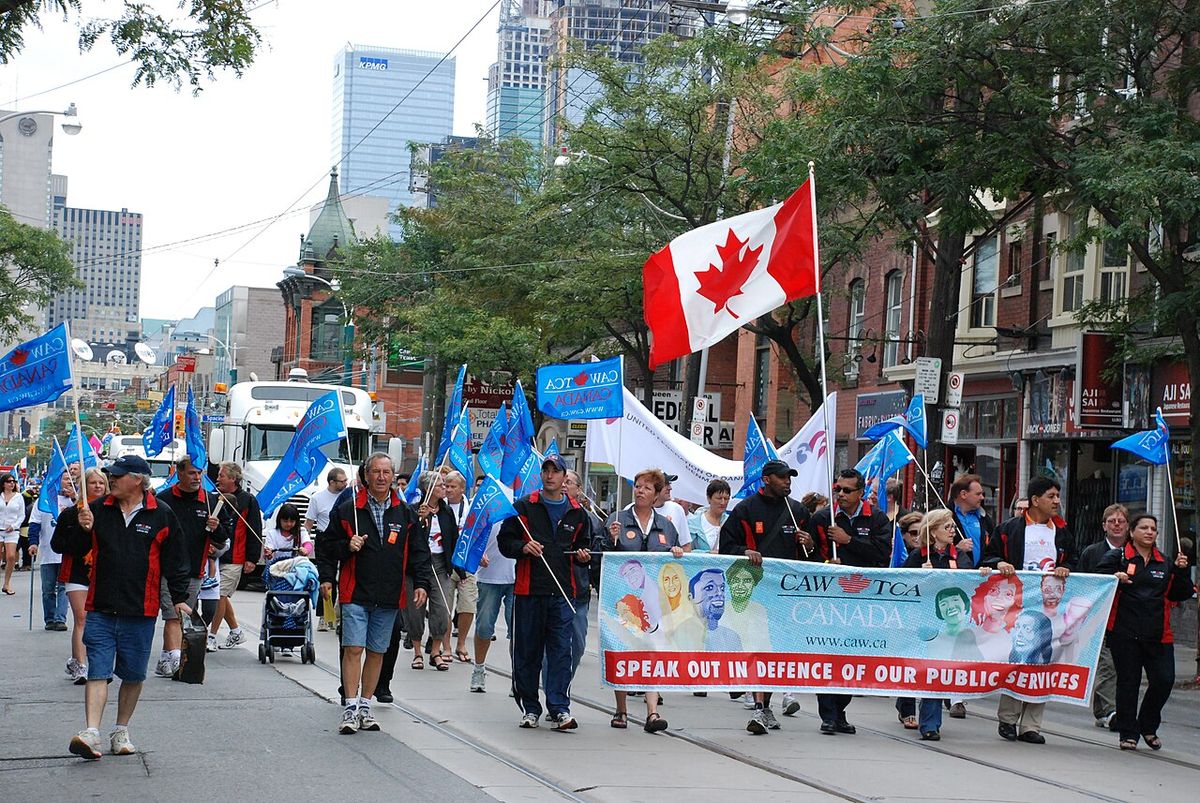
For the average Canadian, the practical observance of the holiday often centres on the long weekend. It is famously one of the busiest travel periods of the summer, with highways to cottage country and campgrounds experiencing heavy traffic. Community events, such as the Dartmouth Natal Day Road Race in Nova Scotia or the Toronto Caribbean Carnival (Caribana) weekend in Ontario, also define the holiday for many. This blend of rest, recreation, and local celebration remains true to the holiday's original 19th-century purpose of providing a communal summer break.
Non-Observing and Alternative Summer Holidays
Not all Canadian jurisdictions observe a holiday on the first Monday in August, with some having established alternative summer celebrations on different dates. Quebec does not observe the Civic Holiday, as its primary summer civic celebration is Saint-Jean-Baptiste Day (Fête nationale) on June 24. In Yukon, Discovery Day is observed on the third Monday of August, commemorating the 1896 discovery of gold that sparked the Klondike Gold Rush. This provides a territorial summer holiday but on a different date aligned with local history. Newfoundland and Labrador and Prince Edward Island have their own unique systems for summer holidays that differ from the national norm.
The situation in Newfoundland and Labrador is particularly unique and localized. Provincial law provides for civic holidays tied to specific regatta dates in different communities, rather than a fixed Monday. St. John's civic holiday is the date of the Royal St. John's Regatta, typically the first Wednesday in August. Harbour Grace's holiday is usually the fourth Saturday in July for its regatta. Other municipalities may choose their own date, with some selecting the first Monday in August and others, like Corner Brook, choosing the third Monday in February. In 2020, due to the cancellation of the Royal St. John's Regatta during the COVID-19 pandemic, St. John's made a one-time exception and aligned with the rest of the country by setting the civic holiday for the first Monday of August. This temporary change highlighted the flexibility of the province's system.
Prince Edward Island presents another case of mixed observance. The first Monday in August is not an official provincial statutory holiday, though some businesses may close. Federal workers in the province receive the day off, but provincial and municipal services operate on varying schedules, with some choosing to close for the Gold Cup Parade instead. The capital, Charlottetown, further complicates matters by having its own distinct Natal Day celebration in early June, separate from the August date. These alternative observances mean that for residents of these provinces, the first Monday in August does not carry the same uniform significance it holds elsewhere in Canada.
Cultural Significance and Modern Celebrations
The cultural significance of the Civic Holiday lies in its embodiment of localism and its celebration of community spirit and heritage. Unlike holidays with unified national narratives, this day allows provinces and municipalities to highlight their own histories, founders, and cultural diversity. In Alberta, Heritage Day is associated with the Edmonton Heritage Festival, a major multicultural event featuring food, dance, and crafts from around the world. In Manitoba, Terry Fox Day connects the holiday to a national icon of perseverance and charitable endeavour, inspiring community runs and fundraising events that continue his legacy. In Ontario, the multitude of municipal names turns the day into a lesson in local history, reminding residents of the individuals who shaped their communities.
The holiday also serves as a key date for major summer festivals that capitalize on the long weekend. The Toronto Caribbean Carnival, one of North America's largest street festivals, is held the same weekend, drawing huge crowds. In Nova Scotia, Natal Day festivities in the Halifax region include parades, concerts, and the long-running Dartmouth Natal Day Road Race. These events transform the statutory day off into a busy community gathering that reinforces local pride and togetherness. The holiday maintains its original purpose as a sanctioned pause for leisure and family time during the short Canadian summer, with many families travelling to cottages or campgrounds.
The holiday is often used as a midsummer break for recreation, such as travelling to cottages or camping. Its roots trace back to the nineteenth century when cities began giving workers a summer break. The ongoing debate about its statutory status in places like Ontario shows how the expectation of a long weekend is deeply integrated into Canadian life. This blend of local heritage celebrations and summer activities makes the day a flexible and community focused event. It serves as a celebration of local history and community spirit across the country.
Questions about Civic Holiday
Is Civic Holiday a statutory holiday in Ontario?
Civic Holiday is not a statutory holiday under Ontario's Employment Standards Act. The province has nine statutory holidays, and the first Monday in August is not among them. Whether an employee in Ontario gets the day off or receives premium pay for working depends entirely on their employment contract, collective agreement, or their employer's policy. However, it is widely observed by federal, provincial, and many municipal government offices, and banks across the province are closed.
Why does the holiday have so many different names across Canada?
The holiday has many names because it originated as a municipal, rather than a national, observance. Cities and later provinces adopted the summer holiday and often gave it a name reflecting local history or identity. For example, Toronto named it Simcoe Day after a founding lieutenant-governor, Manitoba named it Terry Fox Day after a hometown hero, and British Columbia calls it BC Day to celebrate provincial heritage. This local customization is a defining feature of the holiday's character across the country.
Do all Canadian workers get Civic Holiday off?
No, not all Canadian workers get the day off. Entitlement varies by jurisdiction and employer. In provinces where it is a statutory holiday, like British Columbia and Saskatchewan, most workers are entitled to the day off or premium pay. In provinces where it is not statutory, like Ontario and Alberta, many public sector and office workers may get it off through agreements, but many private sector employees, especially in retail and services, do not. Federally regulated workers do not have a statutory entitlement to this holiday.
When was the Civic Holiday first established?
The concept of a civic holiday on the first Monday in August began in the late 19th century. Toronto is credited with an early formal adoption, introducing a day of recreation in 1869 and setting the date as the first Monday in August in 1875. Other municipalities followed suit over subsequent decades. Provincial governments began to formally recognize and name the holiday much later, primarily during the 1970s, with Saskatchewan Day established in 1975 and British Columbia Day in 1974.
What happens in provinces that do not observe the Civic Holiday?
Provinces that do not observe the first Monday in August as Civic Holiday typically have alternative summer celebrations. Quebec observes Saint-Jean-Baptiste Day on June 24. Yukon celebrates Discovery Day on the third Monday of August. In Newfoundland and Labrador, civic holidays are often tied to local regatta dates, such as the Royal St. John's Regatta, rather than a fixed Monday. These jurisdictions have chosen dates and celebrations that align more closely with their own distinct historical and cultural events.
What is the history behind Toronto's Simcoe Day?
Simcoe Day in Toronto honours John Graves Simcoe, the first lieutenant-governor of Upper Canada. The city first introduced a midsummer holiday for a day of recreation in 1869, and in 1875 the Toronto City Council fixed the first Monday in August as the Civic Holiday. In 1969, the council renamed this existing holiday Simcoe Day to recognize his founding of York, which became Toronto, as the capital of Upper Canada and his role as the leading proponent of the Act Against Slavery. A motion to extend this name change across Ontario failed, so the designation remains specific to Toronto.
Sources and further reading
- Civic Holiday (Wikipedia)
- 2026 Paid Holidays, Treasury Board Secretariat (gov.nl.ca)
- Civic Holiday 2026 in Ontario: Why It Isn't Actually a Stat ... (remitly.com)
- The History of Civic Holiday in Canada (4seasonscountryclub.ca)
- Civic Holiday 2026 - the August long weekend (statutoryholidays.com)
Checked by the Novello Desserts desk. Last updated 2026-10-25.