Public holidays in Canada
Public holidays in Canada, known as statutory holidays or 'stats', are legislated days off work that reflect the nation's cultural, nationalistic, and religious heritage. These holidays are established at both the federal and provincial levels, leading to a diverse patchwork of observances across the country. While five core holidays are recognized nationwide, provinces and territories legislate additional days, resulting in significant regional variation. The system governs paid time off for most workers and includes common cultural observances that, while not official holidays, are deeply ingrained in Canadian life.
Nationwide and Federal Statutory Holidays
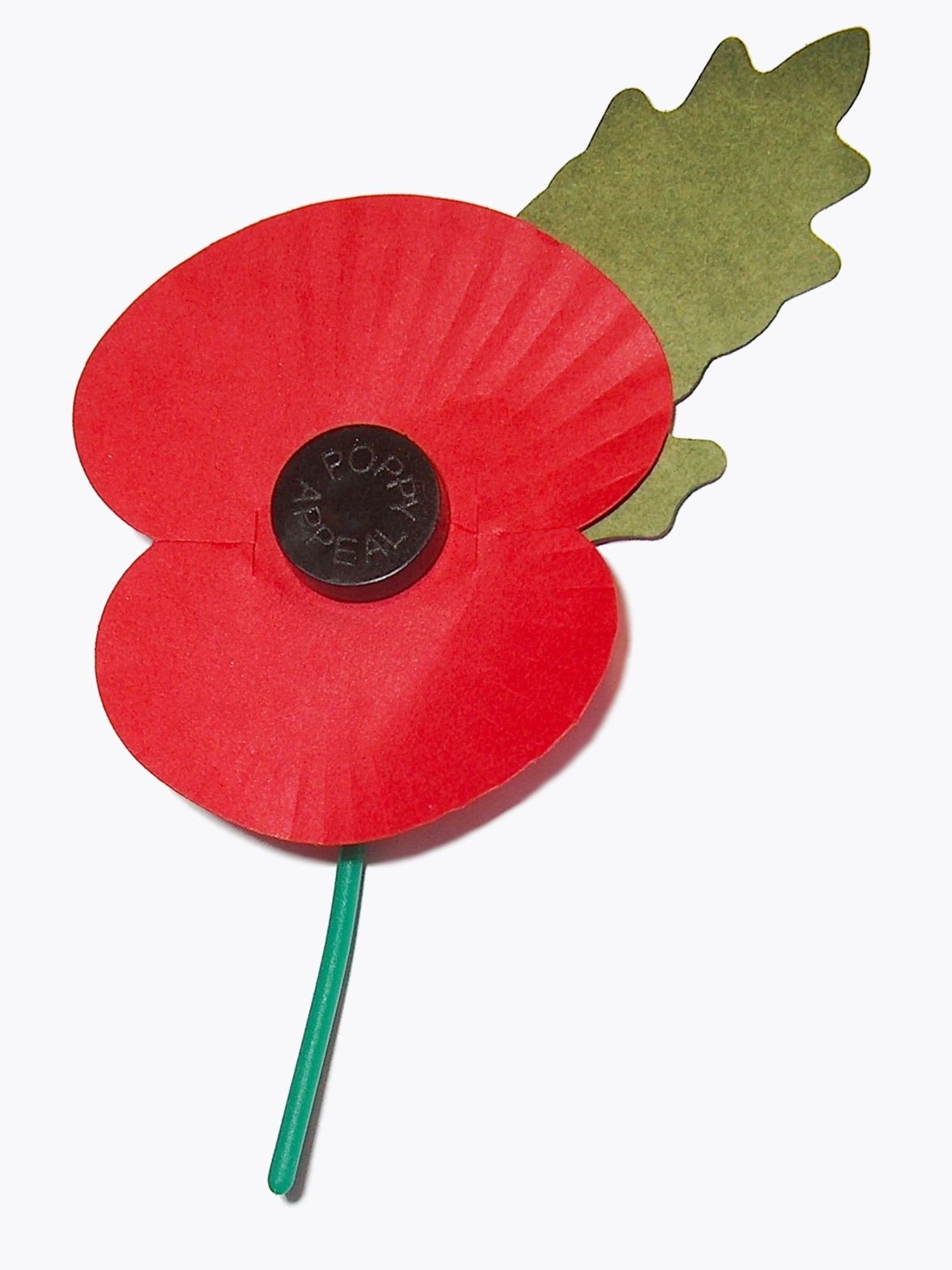
Five statutory holidays are recognized across all of Canada's provinces and territories. These are New Year's Day, Good Friday, Canada Day, Labour Day, and Christmas Day. For workers in federally regulated industries, such as banking and postal services, an additional six holidays are mandated. These federal holidays include Easter Monday, Victoria Day, Thanksgiving, Remembrance Day, and Boxing Day, along with the National Day for Truth and Reconciliation on September 30. The status of these federal holidays for other workers depends entirely on provincial or territorial legislation. This creates the foundational layer of the Canadian holiday system, upon which each region builds its own specific observances.
When a statutory holiday falls on a weekend, standard practice in most provinces is to observe the holiday on the following Monday. This ensures most workers receive a paid day off on a regular workday. Federal rules specify that if New Year's Day, Canada Day, Remembrance Day, Christmas Day, or Boxing Day falls on a non-work day, employees are entitled to a holiday with pay on the working day immediately before or after. For other holidays falling on a weekend, employers must provide an alternative paid day off. These provisions help maintain the benefit of the holiday for employees regardless of the calendar.
Provincial and Territorial Variations
The Canadian federation grants significant autonomy to provinces and territories in establishing holidays, leading to a complex national landscape. All jurisdictions observe the five nationwide days, but their additional statutory holidays differ markedly. For example, Family Day or a similar February holiday is statutory in Alberta, British Columbia, Ontario, Saskatchewan, and several other regions, but not in Quebec or Newfoundland and Labrador. Remembrance Day on November 11 is a full statutory holiday in most provinces but is not one in Ontario, Quebec, or Manitoba, where it has a different legal status. Similarly, Boxing Day is statutory in Ontario and several territories but is optional or not recognized in many other provinces.
Each region has unique holidays celebrating local history and culture. Alberta observes Alberta Family Day, while Manitoba celebrates Louis Riel Day on the same February Monday. Saskatchewan has Saskatchewan Day on the first Monday in August, and British Columbia marks British Columbia Day. Newfoundland and Labrador has a distinct list of designated paid holidays for government employees, including Saint Patrick's Day and Orangemen's Day. The Northwest Territories and Nunavut recognize National Indigenous Peoples Day as a statutory holiday. Quebec's list includes the Fête nationale (Saint-Jean-Baptiste Day) on June 24 and National Patriots' Day on the Monday preceding May 25, instead of the Victoria Day observed elsewhere.
Some holidays have optional or non-statutory status depending on the province. The Civic Holiday on the first Monday in August is a statutory holiday in some provinces like British Columbia under the name B.C. Day, but in Ontario it is only a statutory holiday if so designated by municipal bylaw. In Nova Scotia, Natal Day on the first Monday in August is a common day off in Halifax but is not a provincial statutory holiday. These variations mean that a worker's holiday entitlements can change significantly simply by moving from one province to another.
Employment Entitlements and Pay
For employees covered by provincial or federal labour standards, statutory holidays generally entitle them to a day off with regular pay. If an employer requires work on a statutory holiday, compensation rules apply. Typically, the employee must be paid at a premium rate, such as time and a half or double time, for the hours worked on the holiday. Alternatively, the employee may receive a substitute day off with pay in lieu of the holiday. These rules are designed to compensate workers for labour performed on days when most of the population is at leisure. Statistics Canada data indicates that firms across the provinces provide an average of 11 paid statutory holidays per year.
Specific industries and unionized workplaces may have different arrangements governed by collective agreements. In Nova Scotia, for instance, several types of employment are exempt from the standard provincial holiday rules. The province also has unique, strict legislation for Remembrance Day, making it illegal to sell goods or offer employment for gain on November 11, with limited exemptions. In Quebec, many details of employment law differ, including the employer's choice between giving Good Friday or Easter Monday as a holiday. Understanding the specific regulations in one's province and employment contract is crucial for knowing one's exact holiday rights.
Common Cultural and Optional Observances
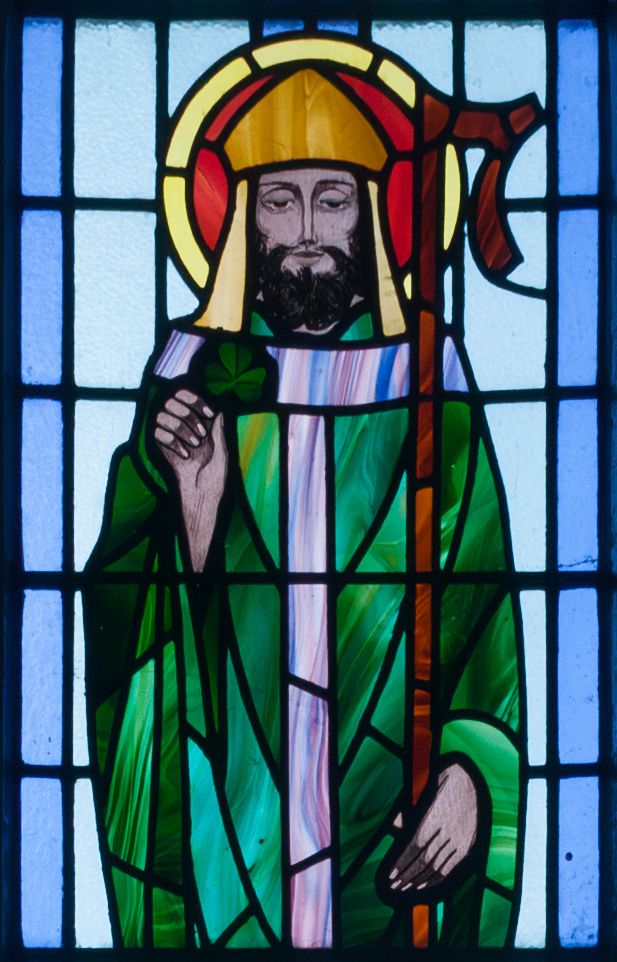
Beyond legislated statutory holidays, Canadians widely observe a number of cultural holidays and optional days off. These are not mandated by law but form an important part of the social calendar. Major cultural events include Valentine's Day, Saint Patrick's Day, Halloween, Mother's Day, and Father's Day. Many employers, particularly in the public sector and school systems, also provide additional time off around the year-end holidays. This often includes at least a half-day on December 24 (Christmas Eve) or December 31 (New Year's Eve), and sometimes the entire week between Christmas and New Year's Day. Some provinces have formalized optional holidays, such as Alberta designating Heritage Day and the National Day for Truth and Reconciliation as optional general holidays.
Newfoundland and Labrador's government employees receive a list of designated paid holidays that are not statutory for the general public, including Saint Patrick's Day and Orangemen's Day. Quebec's construction industry has a mandated two-week break in late July, known as the Construction Holiday, which influences vacation timing across the province. Prince Edward Island optionally observes Gold Cup Parade Day on the third Friday in August, particularly in the Charlottetown area. These optional days, while not guaranteeing time off for all, contribute to the rich mix of local traditions and workplace practices across Canada.
Historical and One-Off Holidays
Canadian governments have occasionally declared one-off holidays for special events, most commonly following the death of a reigning monarch. A holiday was declared on February 15, 1952, after the death of King George VI. More recently, September 19, 2022, was named a National Day of Mourning following the death of Queen Elizabeth II. This day was a holiday for federal government employees. The provinces of British Columbia, New Brunswick, Newfoundland and Labrador, Nova Scotia, and Prince Edward Island also enacted provincial equivalents. However, Alberta, Ontario, Manitoba, Saskatchewan, and Quebec did not declare a provincial holiday, demonstrating how even one-off observances can vary by jurisdiction.
There have also been proposals to create new permanent statutory holidays. A frequent suggestion is a February holiday to celebrate Canadian heritage, potentially tied to National Flag of Canada Day on February 15. In 2014, a private member's bill sought to make Remembrance Day a legal holiday with the same status as Canada Day, and it passed second reading in the House of Commons but did not become law. The Northwest Territories made history in 2001 by becoming the first jurisdiction to pass legislation making National Aboriginal Day a formal statutory holiday, now observed on June 21. These historical and proposed changes show the evolving nature of Canada's holiday calendar.
Regional Highlights and Unique Cases
Certain provinces and territories have holiday schedules that stand out for their distinctiveness. Newfoundland and Labrador is unique in that July 1 is observed as Memorial Day, not Canada Day, making it the only province where Canada Day is not a statutory holiday. The province also lacks a province-wide holiday on the first Monday in August, which may be seen as redundant due to the Royal St. John's Regatta. This regatta is observed as a civic holiday in St. John's on the first Wednesday in August, or the next suitable day in case of poor weather. Nova Scotia's Heritage Day is held on the third Monday in February and celebrates notable people, events and locations from the province's history. For example, in 2015, Heritage Day celebrated Black Nova Scotian civil rights activist and businesswoman Viola Desmond.
In Ontario, the August Civic Holiday is not defined by provincial law but is established by municipal by-laws, leading to different names like Simcoe Day in Toronto. Manitoba designates Terry Fox Day as its optional Civic Holiday. Quebec's calendar is notable for including Saint-Jean-Baptiste Day and National Patriots' Day while not observing Victoria Day or a civic holiday in August. The territories often lead in recognizing holidays related to Indigenous peoples, with the Northwest Territories, Nunavut, and Yukon all having statutes for National Indigenous Peoples Day or a similar observance. These regional specifics underscore the decentralized nature of holiday governance in Canada.
2026 Statutory Holiday Calendar Overview
The calendar for statutory holidays in 2026 illustrates the typical annual schedule and the application of weekend observance rules. Nationwide holidays in 2026 include New Year's Day on Thursday, January 1, Good Friday on April 3, Canada Day on Wednesday, July 1, Labour Day on Monday, September 7, and Christmas Day on Friday, December 25. Many provinces will observe Family Day or an equivalent on Monday, February 16. Victoria Day falls on Monday, May 18, and Thanksgiving on Monday, October 12. As Boxing Day (December 26) falls on a Saturday in 2026, it will be observed on the following Monday, December 28, in provinces where it is a statutory holiday and where weekend substitution rules apply.
This upcoming year also shows the variation in provincial adoption of federal holidays. The National Day for Truth and Reconciliation on September 30 will be a statutory holiday for federal employees and in provinces like British Columbia, but not in all jurisdictions. Remembrance Day on Wednesday, November 11, will be a full stat holiday in most western provinces and the Atlantic region, but not in central Canada. The civic holidays in August, such as British Columbia Day on August 3 and Saskatchewan Day on August 3, will provide a summer break in those provinces. This annual cycle reaffirms the layered and regionally specific character of Canadian public holidays.
Questions about Public holidays in Canada
How many statutory holidays are there in Canada?
There is no single number, as it varies by province and employment sector. Five holidays are recognized nationwide. Federally regulated employees receive 11 paid statutory holidays. On average, across all firms in Canada, workers receive about 11 paid statutory holidays per year. Each province legislates its own additional holidays, so the total for an individual worker depends on their location and whether their employer recognizes optional holidays.
Is Remembrance Day a statutory holiday everywhere in Canada?
No, Remembrance Day is not a statutory holiday in all provinces. It is a full statutory holiday in British Columbia, Alberta, Saskatchewan, New Brunswick, Prince Edward Island, Newfoundland and Labrador, and all three territories. In Ontario, Manitoba, and Quebec, it is not a statutory holiday for most workers. In Nova Scotia, it is governed by special laws that restrict commerce but it is not a standard paid day off for all employees. Its status must be checked against provincial legislation.
What happens when a statutory holiday falls on a weekend?
Standard practice in most provinces is to observe the statutory holiday on the following Monday, granting a long weekend. Federal rules are more specific. If New Year's Day, Canada Day, Remembrance Day, Christmas Day, or Boxing Day falls on a Saturday or Sunday, a federally regulated worker gets a holiday with pay on the working day immediately before or after. For other federal holidays on a weekend, the employer must provide an alternative paid day off. Provincial rules may differ slightly, so local labour standards should be consulted.
What is the Civic Holiday in August?
The Civic Holiday on the first Monday in August is a common but inconsistently legislated summer observance. It is a statutory holiday under various names in several provinces, such as British Columbia Day, Saskatchewan Day, and New Brunswick Day. In Ontario, it is not a provincial statutory holiday but many municipalities declare it a holiday by local bylaw, often calling it Simcoe Day or other names. In provinces like Nova Scotia, it is not statutory but is a common day off in Halifax as Natal Day. Its status and name depend entirely on the province and sometimes the city.
Do all Canadians get Victoria Day off?
No, not all Canadians get Victoria Day as a statutory holiday. It is a federal holiday, so federally regulated employees nationwide receive it. It is also a statutory holiday in most provinces, including Ontario, British Columbia, and Alberta. However, it is not a statutory holiday in Quebec, Newfoundland and Labrador, Nova Scotia, or New Brunswick. In Quebec, the Monday preceding May 25 is observed as National Patriots' Day instead. In provinces where it is not statutory, some employers may still choose to give the day off.
What was the last one-off national holiday in Canada?
The last one-off national holiday was on September 19, 2022, declared as a National Day of Mourning following the death of Queen Elizabeth II. It was a holiday for federal government employees. Several provinces, including British Columbia, New Brunswick, Newfoundland and Labrador, Nova Scotia, and Prince Edward Island, also declared a provincial holiday for that day. However, Alberta, Ontario, Manitoba, Saskatchewan, and Quebec did not enact a provincial holiday, showing how even one-off observances are not uniformly applied across the country.
Sources: Wikipedia and current public reporting, checked by the Novello Desserts desk. Last updated 2026-10-20.