Anticosti Island
Anticosti Island is a vast, sparsely populated island in the Gulf of St. Lawrence, forming a municipality within Quebec's Côte-Nord region. The island is a premier destination for outdoor enthusiasts, renowned for its world-class salmon fishing, white-tailed deer hunting, and dramatic coastal landscapes featuring waterfalls, canyons, and fossil-rich cliffs. Its exceptional geological record, which provides the most complete fossil strata from the Ordovician and Silurian periods in eastern North America, led to its inscription as a UNESCO World Heritage site in 2023.
Geography and Climate
Anticosti Island stretches 222 kilometres in length and reaches a maximum width of 56 kilometres, dominating the entrance to the St. Lawrence River estuary. It is separated from the Quebec mainland to the north by the Jacques Cartier Strait and from the Gaspé Peninsula to the south by the Honguedo Strait. The island's topography is divided into three regions, with lowlands on the eastern and western ends and a central plateau that rises to just over 300 metres. Its 520 kilometres of coastline are notoriously rocky and hazardous, a trait that historically earned it the nickname 'Cemetery of the Gulf' due to over 400 recorded shipwrecks. The interior is marked by numerous rivers, deep canyons, and the largest lake, Lake Wickenden, which feeds the Jupiter River. The rocks exposed on the island form a continuous sedimentary stratum more than 2,000 metres thick, representing the most complete strata of its kind in eastern North America.
The island experiences a humid continental climate, moderated by the maritime influence of the Gulf of St. Lawrence. This results in cool summers with a July average of 15.3°C and cold, snowy winters where February averages -10.9°C. Snowfall is particularly abundant, often accumulating over three metres in the central and western parts of the island. The maritime influence reduces extreme temperature swings but contributes to the frequent fog and challenging conditions for navigation that define its maritime history. The coastline offers little shelter for ships, with only Gamache, Ellis, and Fox Bays providing some refuge from the open Gulf.
History and Ownership
Anticosti Island has a long history as a hunting ground for Indigenous peoples, with the Montagnais name Notiskuan meaning 'where bears are hunted' and the Mi'kmaq name Natigôsteg meaning 'forward land'. European exploration began with Jacques Cartier in 1534, who named it Isle de l'Assomption, and the first settlement was established by Louis Jolliet, who was granted the seigneury in 1680. Jolliet erected a fort and settled with his family, but it was captured by Massachusetts troops in 1690 during King William's War. Ownership passed through his family until the British conquest in 1763, after which the island changed hands between Newfoundland and Lower Canada several times before becoming part of Quebec at Confederation in 1867.
For much of the 19th century, it was used primarily for timber harvesting with little permanent development, owned at one point by seigneur Gabriel-Elzéar Taschereau. The Anticosti Island Company bought it in 1874 and founded villages at English Bay and Fox Bay, but by the 1890s overhunting had nearly eradicated the fish and wildlife. A major change began in 1895 when French chocolate magnate Henri Menier purchased the island for $125,000. Menier developed the village of Port-Menier, built a cannery, and introduced non indigenous animals to create a private game preserve. His introduction of about 220 white-tailed deer in 1896 and 1897 had a lasting ecological impact.
After Menier's death in 1913, his brother Gaston sold the island to the Wayagamack Pulp and Paper Company in 1926 for $6 million. The forestry era lasted for five decades, with Consolidated Paper Corporation taking over in 1931. In 1937, a controversial offer to purchase the island from a Dutch and German consortium sparked fears of foreign espionage, though an investigative committee found no evidence of non commercial purpose. In 1974, the Quebec government purchased Anticosti from Consolidated Bathurst Ltd. for $23,780,000, bringing it into public stewardship. It was initially managed by the Ministry of Recreation, Hunting and Fishing, and a municipal structure was established in 1983.
Ecology and Introduced Species
The island's forests are characteristic boreal stands of white spruce, balsam fir, and black spruce, with minor stands of white birch and trembling aspen. About a quarter of the island is covered by peat lands. The vascular flora was estimated at 700 species in 2004, with nearly a tenth considered rare plants that colonize open habitats near rivers and bogs. Anticosti is a refuge for the rare ram's head lady's slipper orchid, which flourishes here while declining elsewhere in eastern North America. Prior to European settlement, only seven indigenous land mammal species were present, including the now extirpated black bear and American marten. The surrounding waters are rich with marine life, including grey seals, harbour seals, and at least thirteen species of cetaceans, from minke and fin whales to the endangered North Atlantic right whale and beluga.
Henri Menier's vision of a hunter's paradise initiated what has been called an unprecedented biological experiment. Sixteen species were introduced, with ten proving successful, including moose, beaver, snowshoe hare, muskrat, ruffed grouse, and spruce grouse. Unsuccessful introductions included bison, caribou, elk, mink, and fisher. The most consequential introduction was the white-tailed deer. From the initial 220 animals, the population has exploded, with an estimated 160,000 deer on the island as of recent counts, representing a density of about 4.7 deer per square kilometre. This dense, predator free population has drastically altered the ecosystem. Balsam fir trees once covered about 40 percent of the island, but deer eat the tender sprouts and prevent fir regeneration, slowly shifting the forest composition toward white spruce. The brook trout, Atlantic salmon and American eel frequent the island's rivers, and some 221 bird species have been observed, including nearly 60 percent of Quebec's known bald eagle breeding sites.
UNESCO World Heritage Status and Fossil Record
On 19 September 2023, Anticosti Island was inscribed on the UNESCO World Heritage List for its outstanding universal value to science. The island's sedimentary rock layers form the most complete fossil record in the world from the Ordovician and Silurian periods, spanning roughly 10 million years of Earth's history. These exceptionally well preserved strata provide a detailed window into marine life from 445 million years ago, including detailed records of fossilized reefs, shells, and early marine organisms like trilobites. The rocks present a continuous sequence more than 2,000 metres thick, documenting oceanic conditions and the first major extinction event in the fossil record.
The nomination was supported by extensive scientific research, and the site's management plan ensures the protection of these irreplaceable paleontological resources. A fossil exhibition was established in Port-Menier's interpretation centre, located in the former church, in the summer of 2022. The exhibition features specimens donated by the Safari Anticosti outfitter and was prepared in consultation with André Desrochers, scientific director of the UNESCO nomination steering committee. It highlights the tragic events that led to the first extinction of life on Earth and is offered in both French and English. This World Heritage designation increases Anticosti's profile as a destination for scientific tourism and geo tourism, complementing its established reputation for outdoor adventure.
Tourism, Activities, and Local Services
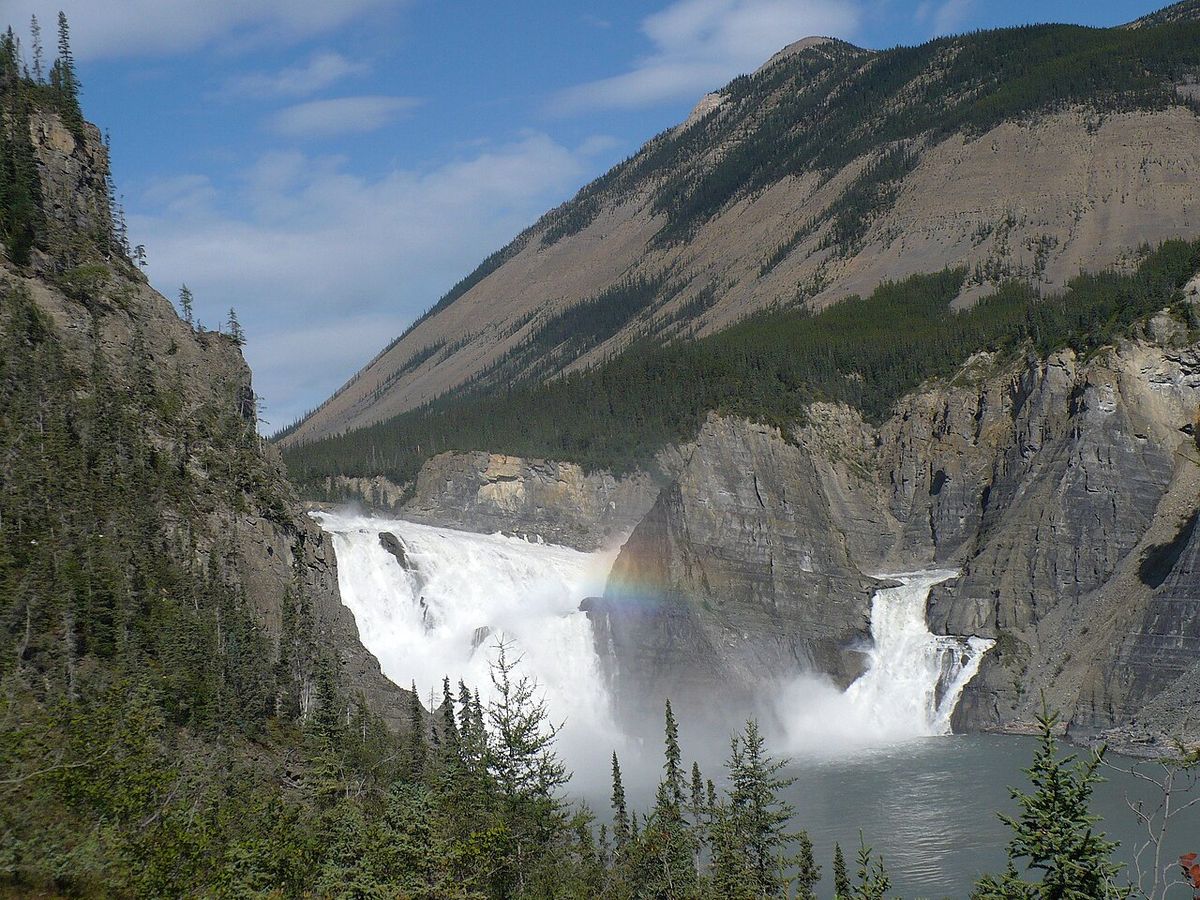
Anticosti Island attracts between 3,000 and 4,000 hunters annually, primarily for its abundant white-tailed deer and moose populations. It is equally famous for its salmon and trout fishing, with 24 rivers and streams managed by Sépaq Anticosti and five private outfitters who hold exclusive rights to 7,263 square kilometres of the island. Beyond hunting and fishing, the island offers a wide range of outdoor pursuits. Hiking trails lead to spectacular features like the 70 metre high Vauréal Falls and Canyon, while sea kayaking, horseback riding, and mountain biking are popular ways to explore the rugged landscape. Visitors can also swim in the island's many lakes and rivers, or explore coastal areas like the Heath Point Ecological Reserve.
Guided scuba diving or Nordic snorkeling tours are available to explore the clear, cold waters and historic shipwrecks. Land based activities include photo safaris, visits to heritage sites like abandoned villages and lighthouses, and tours of local attractions such as the Ferme Manowin oyster farm. The Anticosti ecomuseum and the Port-Menier craft shop, where local artisans like tanner and trapper France Garant sell handmade fur accessories, offer cultural insights. The island also has a smokehouse producing cold smoked salmon, trout, and seafood. The island's tourism infrastructure includes a seasonal tourist office in Port-Menier, the Bureau d'information touristique Info-Anticosti, which operates from 14 June to 1 September in 2025.
Most of Anticosti Island, some 4,213 square kilometres, is under the management of Sépaq Anticosti, a division of the provincial parks and wildlife reserves agency. Another 572 square kilometres is protected within the Anticosti National Park, which supports activities like hiking, nature viewing, and kayaking. Accommodation ranges from Sépaq inns and cabins to lodges operated by private outfitters, with some bed and breakfasts and a campground in Port-Menier. Tour packages, such as those offered by Anticosti Ecotours or guide Danièle Morin, provide structured adventures including water based tours on certified inflatable boats and varied land activities.
Access, Transportation, and Community
Reaching Anticosti Island requires planning, as access is limited to air and sea. The commercial shipping company Relais Nordik provides passenger and cargo ferry service to Port-Menier twice weekly from April to mid January. By air, Air Liaison operates regular scheduled flights from Sept Îles and Havre St Pierre to Port-Menier Airport. For travel to remote outfitting camps on the eastern part of the island, charter flights use the aerodromes at Rivière aux Saumons, which was paved in 2010, and the gravel Rivière Bell airstrip. These are used by outfitters and charter companies during the tourist season for private air services.
Once on the island, the main artery is the unpaved Henri Menier Road, also called the Transanticostienne Road, which runs from Port-Menier to the eastern tip. Numerous forest roads branch off this main route, providing access to rivers, trails, and tourist sites. Car rentals are available in Port-Menier for independent exploration. Given the island's size and remote nature, many visitors opt for packaged tours with outfitters who provide transportation, lodging, and guiding services as part of their hunting, fishing, or adventure packages.
The permanent community of Anticosti is small, with the 2016 census recording 218 residents, nearly all residing in Port-Menier. The local economy is heavily oriented toward tourism and resource management. Sépaq Anticosti is a major employer, managing tourism operations across much of the island. The five private outfitting operations also provide significant seasonal employment and contribute to the economy. Community life centres on Port-Menier, which retains much of its original architecture from the Menier era. Local services include the Coopérative Alimentaire de l'Île d'Anticosti, a craft shop, and the seasonal tourist office. The municipality supports cultural initiatives like the fossil exhibition and maintains heritage sites, including a heritage circuit at La Pointe du Château with interpretation panels along the St. Georges Canal.
Historical Controversies and Shipwrecks
The history of Anticosti Island includes several notable controversies beyond its early colonial conflicts. The 1937 proposed sale of the island to a consortium of Dutch and German capitalists caused a significant public outcry in Canada. When a team of German surveyors visited the island that autumn, a story in the Montreal Gazette on 2 December 1937 claimed they were really agents of Adolf Hitler, comprised of naval, military, and fortifications experts. This sparked immediate fears that the island could be used as a foreign base. A committee was established to investigate but concluded there was no evidence the project had anything other than a commercial purpose. The offer, which promised thousands of jobs and a sulphite mill, expired on 15 September 1938 when the purchase deadline passed, and the controversy subsided.
The perilous nature of the island's coastline is a consistent theme in its history. With over 400 shipwrecks recorded off its shores, Anticosti earned the grim moniker 'Cemetery of the Gulf'. The rocky shores, large shoals to the south, and frequent fog made navigation extremely hazardous. In the 19th century, because of the high number of wrecks, stores of provisions were maintained around the island to aid sailors who might be washed ashore. This maritime danger also dictated settlement patterns, with many of the early permanent residents being lighthouse keepers employed by the Canadian government to man the many navigational aids erected around the island's perimeter. This legacy is now part of the island's tourist appeal, with scuba divers exploring the historic wrecks in its cold, clear waters.
Questions about Anticosti Island
How do you get to Anticosti Island?
Access to Anticosti Island is by air or sea. The primary point of entry is the village of Port-Menier. Air Liaison provides regular scheduled flights from Sept Îles and Havre St Pierre to Port-Menier Airport. From April to mid January, the Relais Nordik ferry service runs twice weekly to Port-Menier, carrying both passengers and cargo. For travel to remote outfitter camps on the eastern part of the island, charter flights use the aerodromes at Rivière aux Saumons and Rivière Bell, which are serviced by private air companies during the tourist season.
Why is Anticosti Island a UNESCO World Heritage site?
Anticosti Island was inscribed as a UNESCO World Heritage site on 19 September 2023 due to its exceptional fossil record. The island's sedimentary rock layers contain the most complete and well preserved fossil strata from the Ordovician and Silurian periods found anywhere in the world. These rocks provide a continuous record of marine life spanning about 10 million years, offering crucial scientific insight into ancient sea ecosystems and extinction events that occurred approximately 445 million years ago. The strata are over 2,000 metres thick and represent the most complete sequence of these periods in eastern North America.
What is there to do on Anticosti Island for tourists?
Anticosti Island offers a wide range of outdoor and cultural activities. It is world renowned for white-tailed deer and moose hunting, as well as Atlantic salmon and trout fishing. Visitors can hike to spectacular sites like Vauréal Falls and Canyon, go sea kayaking, horseback riding, or mountain biking. Other activities include guided scuba diving tours to explore shipwrecks, fossil viewing at the interpretation centre, visiting the Anticosti ecomuseum and local craft shop, and taking part in photo safaris. The island's numerous lakes, waterfalls, and rivers also provide opportunities for swimming, and visitors can tour local producers like the smokehouse or Ferme Manowin.
Where do you stay on Anticosti Island?
Accommodations on Anticosti Island are primarily geared toward the outdoor tourist. Sépaq Anticosti operates several comfortable inns and rustic cabins at various locations across its managed territory, often as part of hunting or fishing packages. The five private outfitters on the island also offer all inclusive lodge stays within their exclusive territories. In the village of Port-Menier, there are a limited number of inns and bed and breakfast establishments. The island also has a campground for more independent visitors. Many tours and packages include accommodation as part of their service.
Why are there so many deer on Anticosti Island?
The large population of white-tailed deer, estimated at over 160,000 animals, is the result of a deliberate introduction by Henri Menier in 1896 and 1897. He released about 220 deer to stock the island as a private game preserve. With no natural predators like wolves or bears, which were extirpated, and an abundance of forage, the deer population thrived and expanded exponentially. This high density has significantly impacted the island's ecosystem, particularly by over browsing balsam fir seedlings and preventing forest regeneration, which is slowly shifting the forest composition toward white spruce.
What is the best time of year to visit Anticosti Island?
The best time to visit depends on your interests. The peak tourist season for fishing, hiking, and general outdoor exploration is from late June through September, when temperatures are mildest. The hunting season for white-tailed deer typically runs from late August through November, attracting thousands of hunters. The Relais Nordik ferry operates from April to mid January, providing access outside the summer months, though some services and attractions in Port-Menier are seasonal and operate from mid June to early September. Winter offers a stark, snowy landscape for experienced adventurers, but services are limited.
Sources: Wikipedia and current public reporting, checked by the Novello Desserts desk. Last updated 2026-10-22.