Exhibition Place
Exhibition Place is a publicly owned mixed-use district in Toronto, Ontario, located by the shoreline of Lake Ontario, just west of downtown. The 197-acre (80 ha) site includes exhibit, trade, and banquet centres, theatre and music buildings, monuments, parkland, sports facilities, and a number of civic, provincial, and national historic sites. The district's facilities are used year-round for exhibitions, trade shows, public and private functions, and sporting events. From mid-August through Labour Day each year, the Canadian National Exhibition (CNE), from which the name Exhibition Place is derived, is held on the grounds.
Historical Development of the Grounds
The history of Exhibition Place begins with its early military and agricultural uses. The land was originally part of a military reserve established alongside Fort York in the 1790s. In 1840, the British military constructed New Fort York, later named Stanley Barracks, on the western portion of the reserve. The area's exhibition history commenced with the Provincial Agricultural Fair of Canada West, which used a permanent 'Palace of Industry' building constructed in 1858 at King and Shaw Streets. As the fair outgrew that site, the City of Toronto leased a section of the western military reserve in 1878, moving the Palace of Industry to the new location near the current Horticulture Building. This move established the grounds as a permanent exhibition site, first hosting the Toronto Industrial Exhibition in 1879, which later evolved into the Canadian National Exhibition.
A major building campaign transformed the site in the early 20th century. Following an agreement in 1903 where the federal government transferred the remaining military land to the city, architect G. W. Gouinlock designed fifteen permanent buildings between 1903 and 1912. Five of these structures, the Fire Hall/Police Station, Government Building, Horticulture Building, Music Building, and Press Building, were collectively designated a National Historic Site of Canada in 1988. The period also saw the construction of notable landmarks like the Princes' Gates in 1927 and the adoption of a grand 50-year Beaux-Arts master plan in 1920, inspired by the World's Columbian Exposition in Chicago.
The site's use shifted dramatically during both World Wars. In the First World War, the Government Building served as a barracks, and the Stanley Barracks was used as an internment camp. During the Second World War, the CNE was suspended from 1942 to 1946, and the grounds became a primary military training centre. Facilities like the Coliseum were converted into the RCAF Manning Depot, and the Automotive Building became the naval shore facility HMCS York. After the war, the grounds were used as a demobilization centre before the CNE resumed in 1947. Post-war development saw a shift towards Modernist architecture, represented by buildings like the Food Building (1954) and the Shell Oil Tower (1955), and the construction of the Gardiner Expressway through the northern part of the site in the late 1950s.
Architecture and Key Landmarks
The architecture of Exhibition Place reflects over a century of changing styles, from Beaux-Arts and Art Deco to Modernism. The 1920s Beaux-Arts vision produced monumental structures like the Government of Ontario Building (1926) and the Princes' Gates triumphal arch. The Art Deco style is present in the 1936 Bandshell and the ornamentation of the 1931 Horse Palace. The mid-20th century introduced bold Modernist designs, including the fourth Grandstand with its cantilevered roof, the Queen Elizabeth Building (1957), and the parabolic arch Dufferin Gate built in 1959. Later additions like the Better Living Centre (1961) and the Enercare Centre (1999) continued the functional modernist trend, while recent developments like BMO Field (2007) represent contemporary sports architecture.
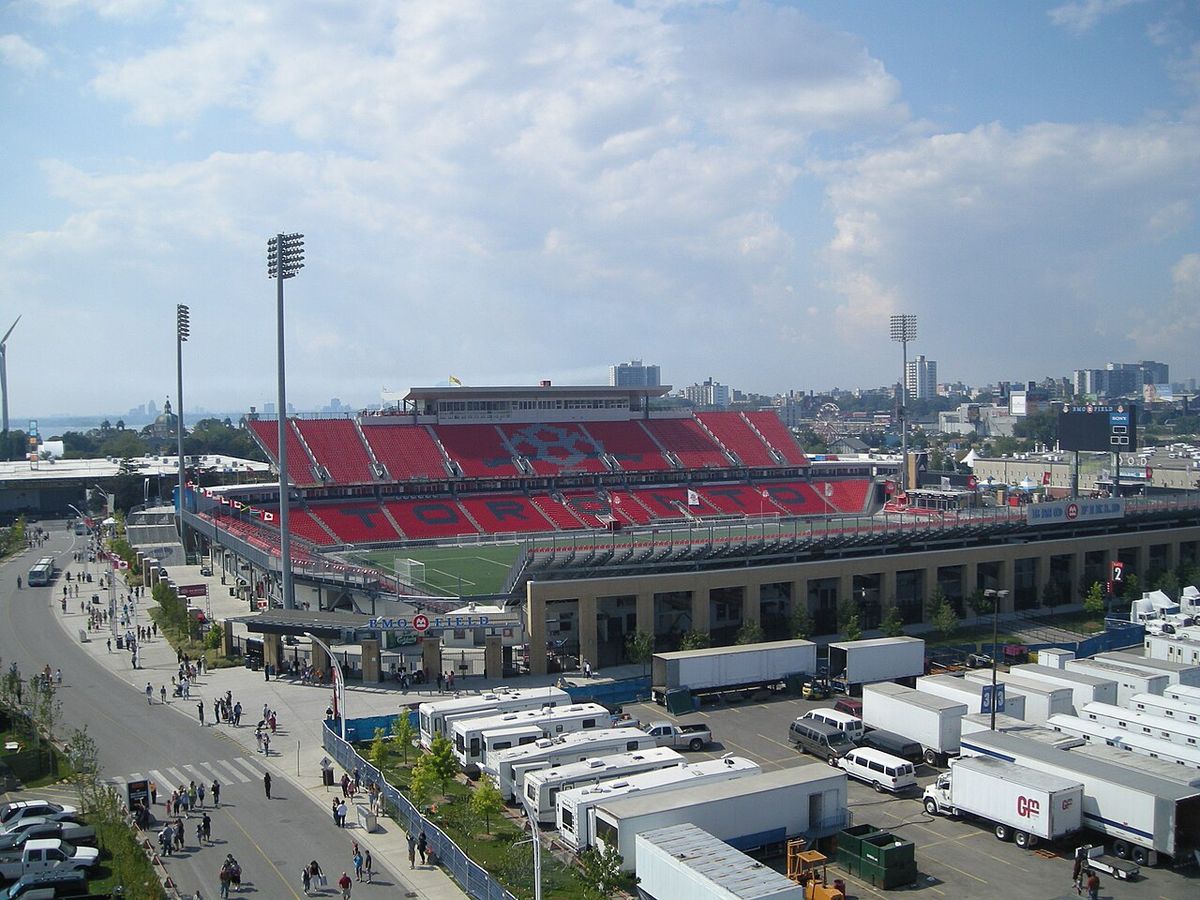
Several key landmarks define the character of the grounds. The Princes' Gates at the eastern entrance remain a ceremonial archway named for Prince Edward and Prince George. The Coca-Cola Coliseum, originally opened in 1921, is a multi-purpose arena that is home to the Toronto Marlies American Hockey League team and hosts the Royal Agricultural Winter Fair. BMO Field is a soccer-specific stadium that is home to Toronto FC of Major League Soccer. The Enercare Centre is Canada's largest exhibition hall, while the Beanfield Centre (formerly the Automotive Building) is a LEED Silver certified conference centre. The site also features the ExPlace Wind Turbine, a demonstration project for renewable energy, and the restored Officers' Quarters of the Stanley Barracks, the oldest surviving stone building on the site.
- Princes' Gates (1927): Beaux-Arts triumphal arch at the eastern entrance.
- Coca-Cola Coliseum (1921): Historic arena and equestrian centre.
- Bandshell (1936): Art Deco open-air concert venue.
- Beanfield Centre (1929): Former Automotive Building, now a conference centre.
- Enercare Centre (1999): Canada's largest exhibition hall.
- BMO Field (2007): Soccer stadium and home of Toronto FC.
- Stanley Barracks Officers' Quarters (1841): Oldest surviving structure on site.
Major Events and Year-Round Operations
Exhibition Place is a dynamic, year-round destination hosting a vast array of events that attract millions of visitors. Its operations contribute approximately CA$11 million annually to the City of Toronto and employ 133 full-time staff, with numbers swelling to 700 during major events. The most famous event is the Canadian National Exhibition, held from mid-August through Labour Day. The CNE is a massive fair featuring agricultural exhibits, a midway, food vendors, and concerts, and it expands the active grounds to 260 acres. Another major event is the Royal Agricultural Winter Fair, held each November in the Coliseum, which is the world's largest combined indoor agricultural fair and international equestrian competition.
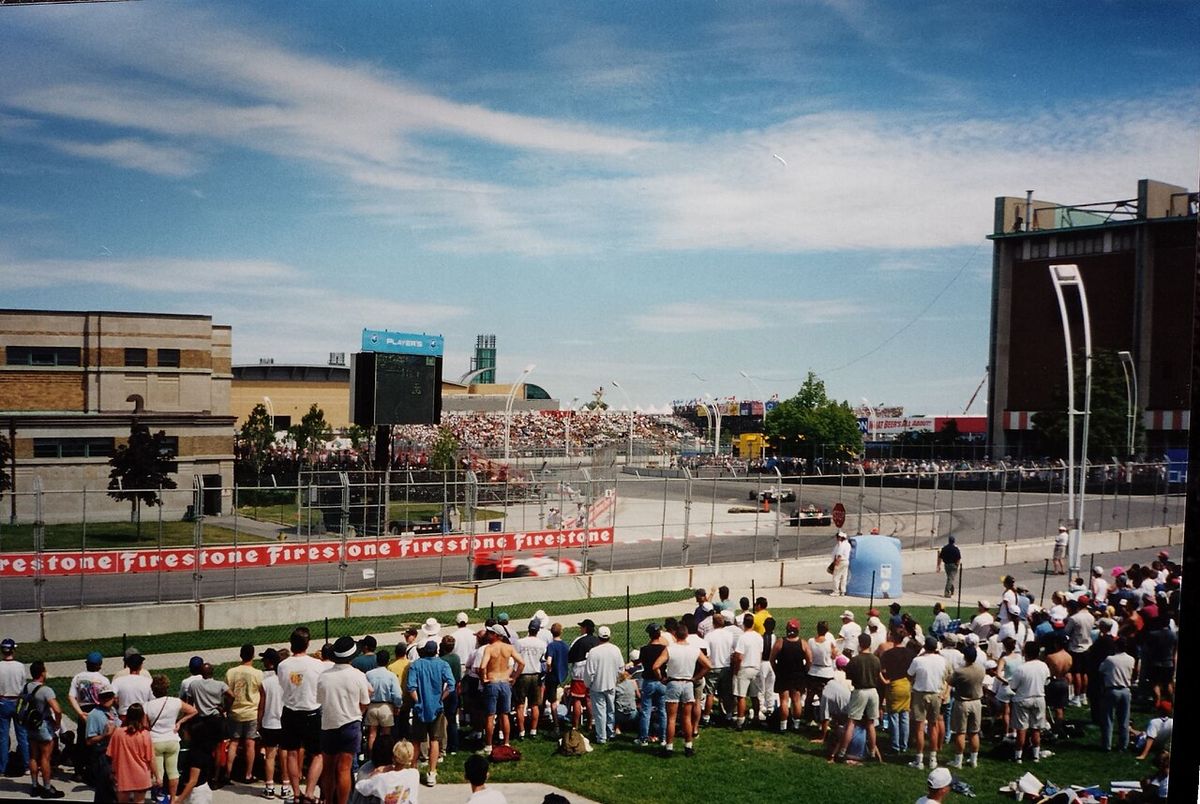
Beyond these well-known fairs, the grounds host over 100 events annually. The Enercare Centre and Beanfield Centre are hubs for major trade shows and conventions, including the Toronto International Boat Show and the Restaurants Canada trade show. The site is also a premier sports venue, hosting the Honda Indy Toronto race on its streets every summer since 1986 and being a key venue for the 2015 Pan American Games. Permanent entertainment tenants provide consistent activity, with the Toronto Marlies playing hockey from October to April, Toronto FC playing soccer from spring to fall, and Medieval Times offering daily dinner theatre. The Liberty Grand and other spaces host private galas and cultural festivals throughout the year.
| Event Type | Examples | Primary Venue |
|---|---|---|
| Annual Fair | Canadian National Exhibition (CNE) | Entire Grounds |
| Agricultural Fair | Royal Agricultural Winter Fair | Coca-Cola Coliseum |
| Trade Shows | Toronto International Boat Show | Enercare Centre |
| Sports Events | Honda Indy Toronto, Toronto FC/Marlies games | Streets, BMO Field, Coliseum |
| Cultural Festivals | Navrang Navratri Festival Canada | Various Halls |
| Consumer Shows | Toronto Ski & Snowboard Show | Enercare Centre |
Venues and Facilities
The Exhibition Place family of venues offers flexible spaces for events of all scales, from intimate meetings to citywide conventions. The Enercare Centre is the largest facility, comprising multiple interconnected halls that can host the biggest trade shows in the country. The Beanfield Centre is a modern conference centre ideal for meetings and mid-sized conventions, noted for its sustainable LEED Silver certification. The historic Bandshell offers a unique open-air setting for concerts and festivals, and the Liberty Grand, housed in the former Ontario Government Building, serves as an elegant event space for weddings and galas.
Additional specialized venues support the site's diverse programming. The Queen Elizabeth Theatre is a mid-sized theatre and event hall with bright, open interiors. The site also features a state-of-the-art broadcast studio designed for hybrid events, blending in-person and virtual experiences. The Medieval Times dinner theatre operates year-round in the Arts & Crafts Building, providing family entertainment. Support facilities include extensive parking areas, on-site food and beverage services, and the 192 acres of grounds themselves, which are used for outdoor festivals, community walks, and the Honda Indy Toronto race circuit. The administration also offers guided heritage and community walking tours to explore the site's history and natural areas.
Governance, Sustainability and Community Role
Exhibition Place is administered by the Board of Governors of Exhibition Place, an entity appointed by the City of Toronto. Its mandate has evolved to emphasize financial self-sufficiency and year-round utilization. A key recent initiative is the Vision Plan for Exhibition Place, which guides the site's future development. The organization is committed to sustainable event management and green initiatives across its 192-acre waterfront site. Other sustainability efforts include waste reduction programs, energy-efficient building operations, and the preservation of green spaces within the largely paved district.
The site plays a significant community role, fostering inclusive growth and connecting with Toronto's diverse populations. It creates welcoming spaces and opportunities that reflect the city's multicultural fabric, supported by partnerships and accessible events. A specific program, Mino Bimaadiziwin, supports Indigenous placemaking and celebrates Indigenous arts and culture, aligning with the actions in Toronto's Reconciliation Action Plan. Exhibition Place acknowledges that it is located on the traditional territory of many nations, including the Mississaugas of the Credit, the Anishnabeg, the Chippewa, the Haudenosaunee, and the Wendat peoples. The grounds also serve as a recreational resource for local residents, offering parkland, walking paths, and public art, and hosting free community events alongside its large-scale commercial functions.
The Canadian National Exhibition (CNE)
The Canadian National Exhibition, colloquially known as 'The Ex', is the signature event for which Exhibition Place is named and remains its most famous attraction. Dating back to 1879, it is Canada's largest annual fair and one of the most successful in North America. The 2026 edition is scheduled to run from August 21 to September 7, typical of its annual late-summer timing around Labour Day. During the CNE, the active grounds expand to approximately 260 acres to accommodate the immense scope of the event. The fair is a central part of Toronto's cultural calendar, blending tradition with contemporary entertainment and drawing visitors from across the province and the country.
The CNE offers a vast array of attractions spread across the Exhibition Place grounds. Traditional agricultural and educational exhibits are housed in buildings like the Horticulture Building and the Better Living Centre, featuring food, arts, crafts, and government displays. The Midway, operated by Conklin Shows with temporary rides erected each year, provides thrill rides and carnival games. The Bandshell hosts a series of free music concerts, while the Coliseum features headline shows and performances. A major highlight is the Canadian International Air Show, which takes place over Lake Ontario just south of the grounds on Labour Day weekend. The fair also includes extensive food offerings, shopping pavilions, and special exhibits, ensuring there is something for every visitor.
- Dates: Typically runs for 18 days from mid-August to Labour Day (e.g., August 21-September 7, 2026).
- Attendance: Draws over a million visitors annually.
- Key Features: Agricultural exhibits, food building, shopping, midway rides, concerts, air show.
- Entertainment: Free concerts at the Bandshell, featured shows at the Coliseum.
- Partnerships: Landmark music partnership with NXNE festival in 2026.
- Historical Significance: Has been held annually since 1879, with breaks only during wartime.
Questions about Exhibition Place
What is Exhibition Place?
Exhibition Place is a 192-acre publicly owned mixed-use district on the Toronto waterfront. It is a major destination for conventions, exhibitions, sports, and entertainment, best known as the home of the Canadian National Exhibition (The Ex). The site includes historic buildings, modern trade centres like the Enercare Centre, sports stadiums such as BMO Field and the Coca-Cola Coliseum, and parkland. It hosts over 100 events annually and attracts approximately 5.3 million visitors each year.
When is the Canadian National Exhibition (CNE) held?
The Canadian National Exhibition is held annually from mid-August through Labour Day. For example, the 2026 CNE is scheduled to run from August 21 to September 7. The fair typically operates for about 18 days, with grounds open from 10 am to midnight on most days. It is the event for which Exhibition Place is named and is Canada's largest annual fair, featuring a midway, concerts, agricultural exhibits, and the Canadian International Air Show.
What major sports teams play at Exhibition Place?
Two major professional sports teams are permanent tenants at Exhibition Place. Toronto FC of Major League Soccer plays its home matches at BMO Field, which opened on the site in 2007. The Toronto Marlies of the American Hockey League play their home games at the Coca-Cola Coliseum from October through April each year. The Coliseum is also the primary venue for the Royal Agricultural Winter Fair's equestrian competitions.
What are the main venues for conventions and trade shows?
The primary convention and trade show venues are the Enercare Centre and the Beanfield Centre. The Enercare Centre is Canada's largest exhibition hall, ideal for massive trade shows like the Toronto International Boat Show. The Beanfield Centre is a LEED Silver certified conference centre, well-suited for meetings, conventions, and galas. These facilities allow Exhibition Place to host major citywide events like the Restaurants Canada trade show year-round.
What historical sites are at Exhibition Place?
Exhibition Place contains several significant historical sites. Five buildings designed by architect G. W. Gouinlock between 1903 and 1912 were collectively designated a National Historic Site of Canada in 1988. These are the Fire Hall/Police Station, Government Building, Horticulture Building, Music Building, and Press Building. The oldest structure is the Officers' Quarters of the Stanley Barracks, built in 1841. The site also includes monuments, the Princes' Gates (1927), and the location of the former Fort Rouillé from 1750.
Is there public transit to Exhibition Place?
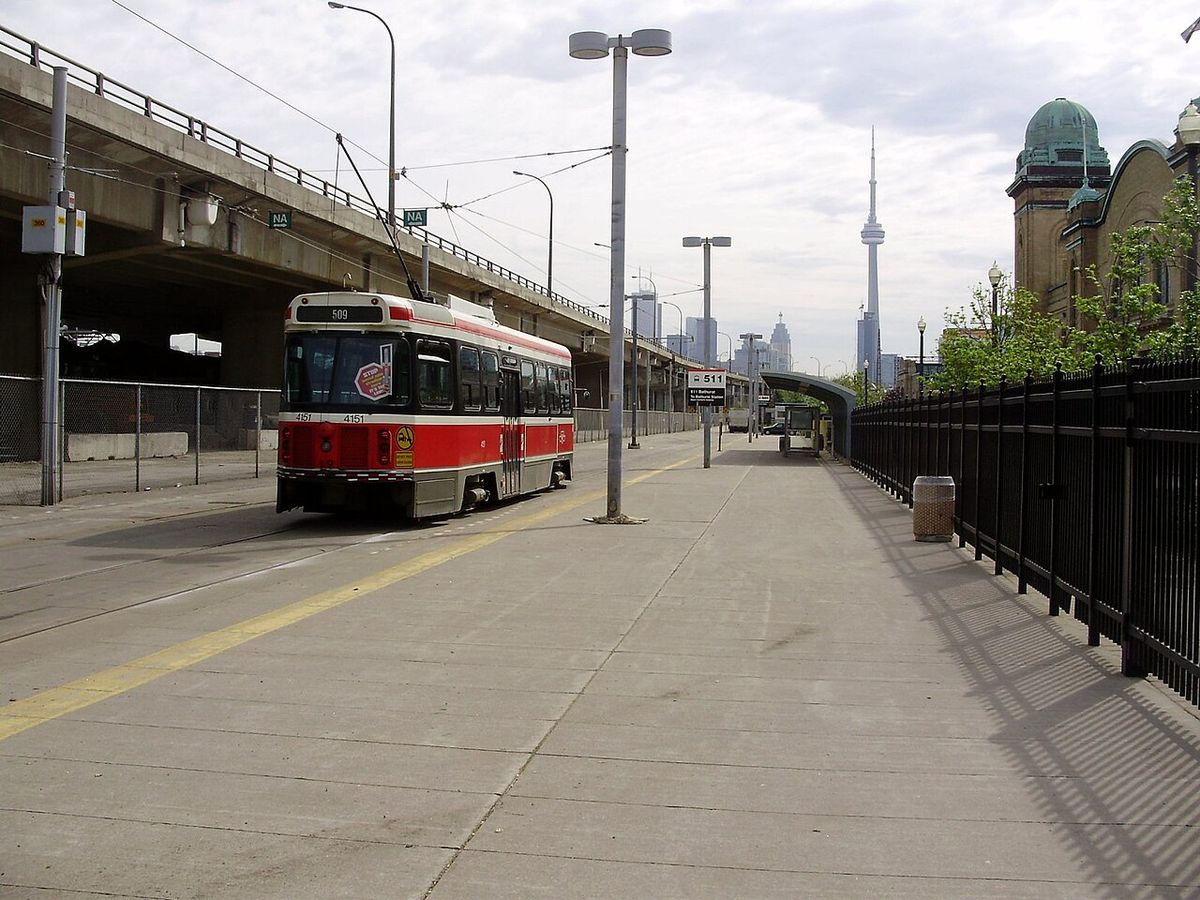
Yes, Exhibition Place is well served by public transit. It is located by the shoreline of Lake Ontario just west of downtown Toronto, making it accessible via the Toronto Transit Commission. This transit access is particularly important during major events like the Canadian National Exhibition, which attracts millions of visitors annually. The site's central location and connectivity support its role as a premier destination for conventions and entertainment throughout the year.
Sources and further reading
- Exhibition Place (Wikipedia)
- Exhibition Place: Home (explace.on.ca)
- CNE Toronto, The Canadian National Exhibition (destinationtoronto.com)
Checked by the Novello Desserts desk. Last updated 2026-10-29.