Fairmont Hotels & Resorts
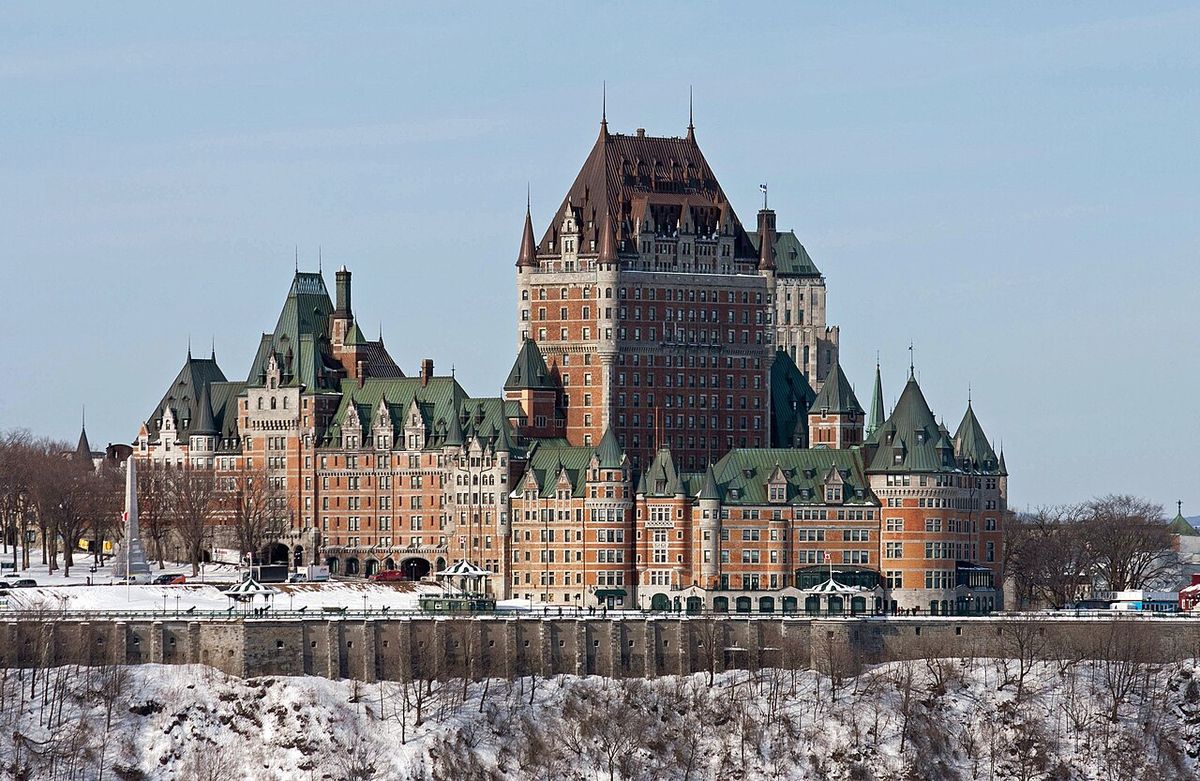
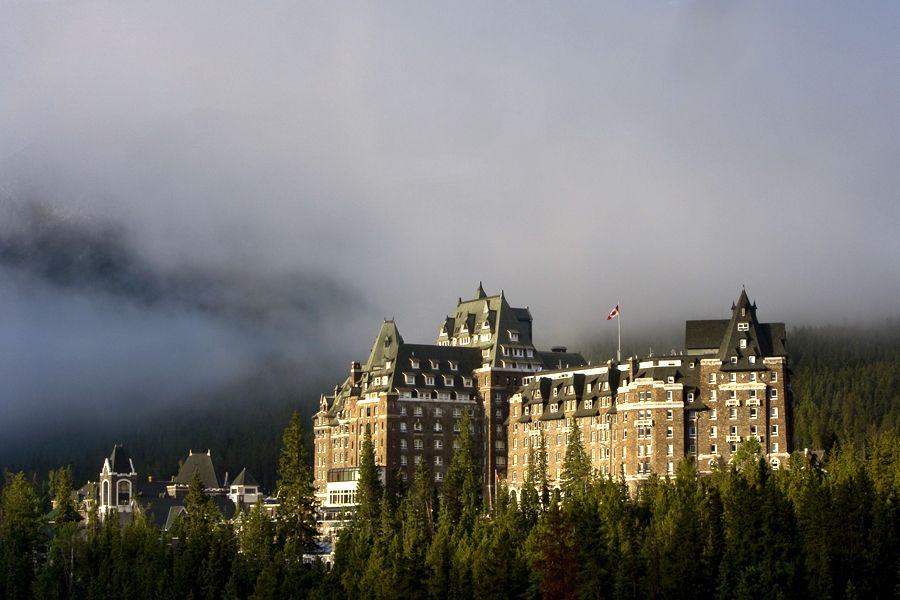
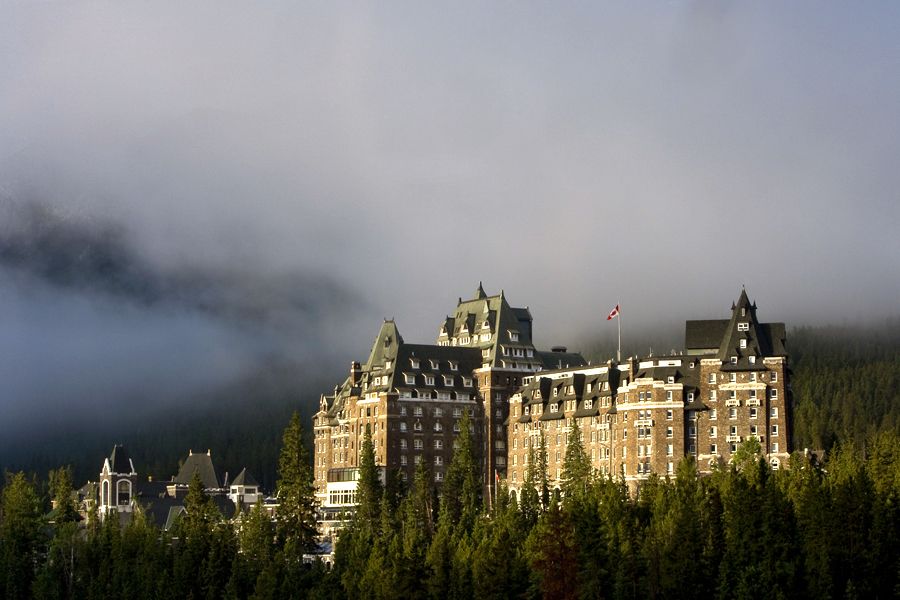
Fairmont Hotels & Resorts is a Canadian luxury hotel chain with a portfolio of more than 70 properties worldwide. Its origins trace back to the grand railway hotels built by Canadian Pacific in the late 19th century, which merged with the American Fairmont chain in 1999 to form a single global brand. The company is renowned for its collection of historic Canadian landmark hotels, including the Château Frontenac in Quebec City, the Fairmont Banff Springs, and the Fairmont Empress in Victoria. Today, as part of the French hospitality group Accor, Fairmont represents a significant piece of Canada's hospitality heritage while operating an expanding network of luxury hotels across the Americas, Asia, Europe, and the Middle East.
Origins and Predecessors
The Canadian Pacific Hotels division began operating hotels along the Canadian Pacific Railway lines as early as 1886, establishing a network of grand resorts and urban palaces to serve railway passengers. In 1988, CP Hotels solidified its dominance in the Canadian market by purchasing the hotel division of its rival, Canadian National Railway, which included properties like the Château Laurier in Ottawa and the Jasper Park Lodge. The chain expanded internationally in the 1990s with the acquisitions of Delta Hotels and Princess Hotels before setting its sights on the American Fairmont brand. Concurrently, the Fairmont name originated in the United States with the opening of the Fairmont San Francisco in 1907, a landmark that survived the 1906 earthquake. Under the ownership of Benjamin Swig starting in 1945, the Swig family developed Fairmont Hotels Management into a small chain of luxury properties across the United States throughout the 1960s and beyond. Key acquisitions and openings during this period included the Roosevelt Hotel in New Orleans in 1965, renamed the Fairmont New Orleans, the Fairmont San Jose in 1987, and the management of New York's Plaza Hotel in 1995. By 1998, this American chain managed seven prominent properties, establishing the Fairmont name as a symbol of upscale hospitality.
Merger and Brand Formation
The merger that created the modern Fairmont brand occurred in April 1999 when Canadian Pacific Hotels, along with investment partners Kingdom Hotels International and Maritz Wolff & Co., purchased Fairmont Hotels Management. Canadian Pacific Hotels took a controlling 67 percent majority stake in the acquisition. This strategic move was followed by a major corporate reorganization of the parent company, Canadian Pacific Limited, in 2001. As part of this restructuring, Canadian Pacific Hotels and Resorts decided to rebrand its entire portfolio under the more internationally recognized Fairmont name, renaming itself Fairmont Hotels & Resorts. The newly formed company retained most of the signature historic hotels from the CP collection under the Fairmont banner while transferring several other properties to its Delta Hotels subsidiary. Later in 2001, Canadian Pacific Limited executed a corporate 'starburst,' spinning off its various divisions into separately traded public companies.
Fairmont Hotels & Resorts became one of these independent, publicly traded entities, allowing it to focus exclusively on the luxury hotel market. This period marked the true beginning of Fairmont as a unified global brand, combining the historic Canadian railway hotel legacy with the American luxury management expertise of the original Fairmont chain. The merger provided an immediate foothold in key American cities while anchoring the brand's identity in its famous collection of Canadian landmark hotels. The corporate separation gave the new company the autonomy to pursue its own growth strategy and investment decisions in the global hospitality market.
Expansion and Acquisitions
Following its independence, Fairmont began a period of strategic growth and brand development in the early 2000s. The company introduced its signature Willow Stream Spa brand in 2001 with a flagship location at the Fairmont Empress in Victoria, a concept that would be rolled out to numerous other properties. The brand also launched the Fairmont Heritage Place timeshare concept in 2003, with its first location in Mexico. A major shift in ownership occurred in early 2006 when the company was sold for US$3.9 billion to the private investment firm Colony Capital, LLC. Colony Capital, which already owned the Raffles and Swissôtel brands, consolidated these luxury chains with Fairmont to form a new entity called Fairmont Raffles Hotels International (FRHI).
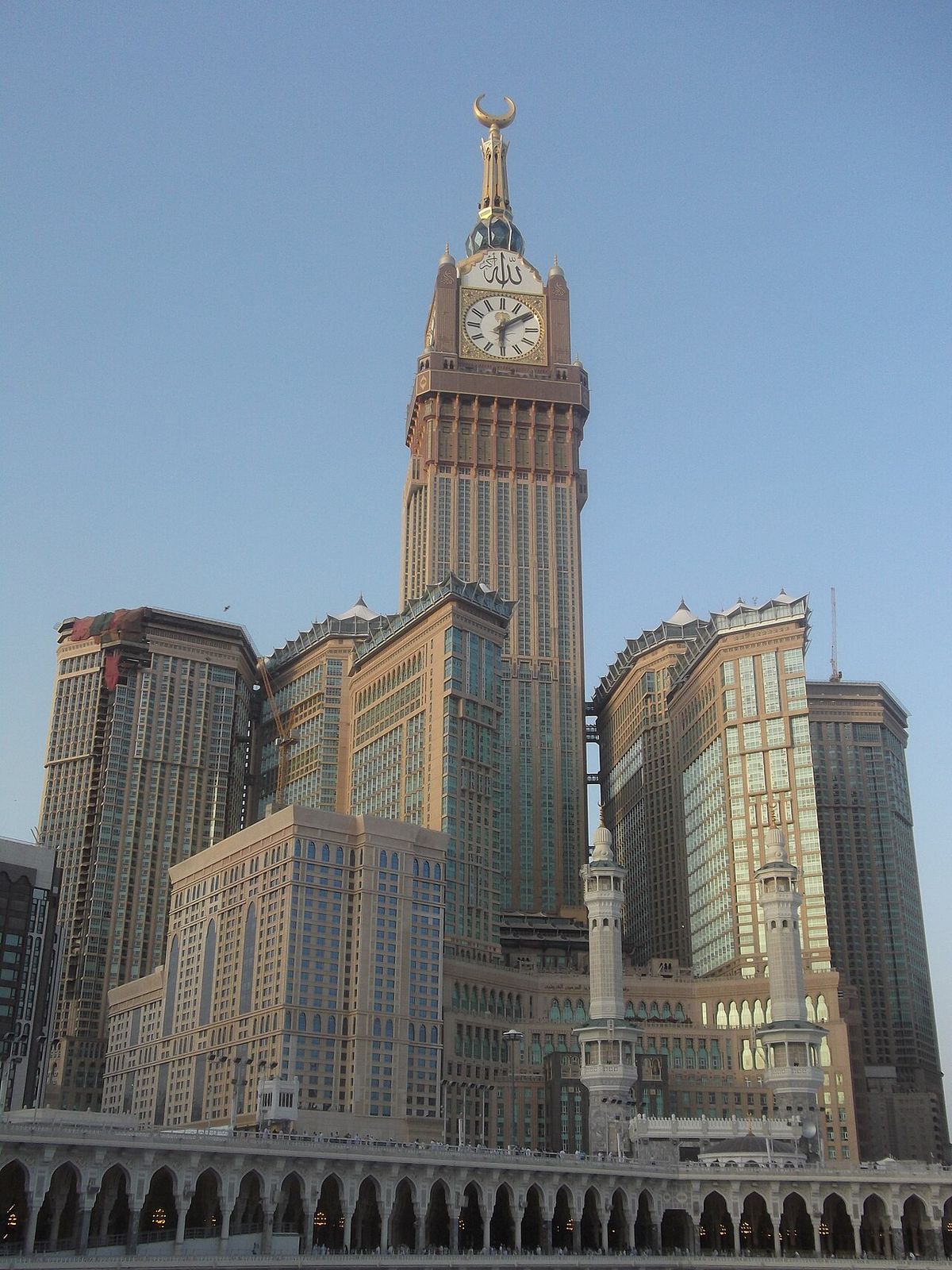
While the three brands continued to operate under their individual names, they shared corporate resources and strategy under the FRHI umbrella. Under this new structure, Fairmont accelerated its global expansion, particularly targeting the Middle East and Asia. Notable openings during this era included the Makkah Royal Clock Tower Hotel in Saudi Arabia in 2010, the Peace Hotel in Shanghai in 2010, and properties in Baku, Azerbaijan and Jaipur, India. The brand also expanded in North America, acquiring the historic Claremont Hotel in Berkeley, California in 2014. This phase of growth transformed Fairmont from a primarily North American operator into a brand with a substantial and growing international footprint.
Integration into Accor and Recent Growth
In 2015, the French hospitality giant AccorHotels announced its intention to acquire FRHI, a move completed in 2016. This acquisition brought the Fairmont, Raffles, and Swissôtel brands into Accor's luxury portfolio, significantly boosting the group's presence in the North American market. As part of the world's fifth-largest hotel group, Fairmont has continued its global expansion with a series of strategic openings. The brand entered new markets with the Fairmont Quasar Istanbul in Turkey in 2017 and made its debut in South America with a hotel in Brazil in 2019. More recent openings include the Fairmont Taghazout Bay in Morocco and the Fairmont Ambassador Seoul in South Korea, both in 2021. Fairmont's growth trajectory shows no signs of slowing, with a continued focus on key international destinations.
The company has announced investments in new properties in Egypt to complement its existing Cairo hotel. A significant opening is scheduled for 2025 with the debut of Fairmont Tokyo, a 217-room hotel in the Shibaura district, marking the brand's entry into the Japanese market. This expansion demonstrates Fairmont's evolution from a collection of historic North American hotels into a truly global luxury brand, while still maintaining the operational heritage and famous status of its Canadian flagship properties. The backing of Accor provides the scale and resources necessary for this continued international growth while preserving the distinct identity of the Fairmont name.
Famous Canadian Properties
The heart of the Fairmont brand remains its famous collection of historic Canadian hotels, many of which are designated National Historic Sites. These properties are not just hotels but integral parts of Canada's cultural and architectural landscape, attracting visitors from around the world. These hotels collectively represent a living history of Canadian hospitality, architecture, and railway development, and they continue to be flagship properties for the Fairmont brand worldwide. Their preservation and continued operation reflect the brand's commitment to its heritage.
Brand and Operations
Fairmont Hotels & Resorts operates as a luxury brand within the Accor portfolio, alongside sister brands Raffles and Swissôtel. The company's operational model primarily involves managing hotels owned by other entities, though it has historically owned some properties directly. A key component of the brand's identity is its commitment to preserving and celebrating the unique history and character of its properties, especially its historic Canadian castles. This is balanced with the delivery of modern luxury amenities, personalized service, and sustainability initiatives under the brand's 'Fairmont Sustainability Partnership' program. The company also emphasizes local experiences, connecting guests with the culture and environment of each destination.
The brand's spa and wellness offerings are centralized under the Willow Stream Spa brand, launched in 2001, which features treatments inspired by local elements. Fairmont also operates a loyalty program, now integrated into Accor's ALL, Accor Live Limitless program, allowing guests to earn and redeem points across a vast network of hotels. From a corporate structure perspective, global strategy, branding, and development are managed by the Accor group, while individual hotels maintain operational teams focused on day-to-day guest service. This structure allows Fairmont to leverage the scale and resources of a major global hotel operator while maintaining the distinctive, high-touch service standards expected of a luxury heritage brand.
Global Portfolio and Market Presence
The brand maintains a significant presence in major urban centres, resort destinations, and UNESCO World Heritage sites. Following its acquisition by Accor, Fairmont's growth strategy has focused on entering new luxury markets and key gateway cities where the brand was previously absent. The 2025 opening of Fairmont Tokyo is a clear example of this strategy, targeting one of the world's most important luxury travel markets. The brand has also seen substantial growth in the Middle East, with properties in Dubai, Abu Dhabi, Mecca, and the Palm Jumeirah. The following table illustrates the geographic spread and growth of the Fairmont brand in key regions since the early 2000s, highlighting its evolution from a North American-centric chain to a global player.
| Region | Key Openings/Milestones | Notable Properties |
|---|---|---|
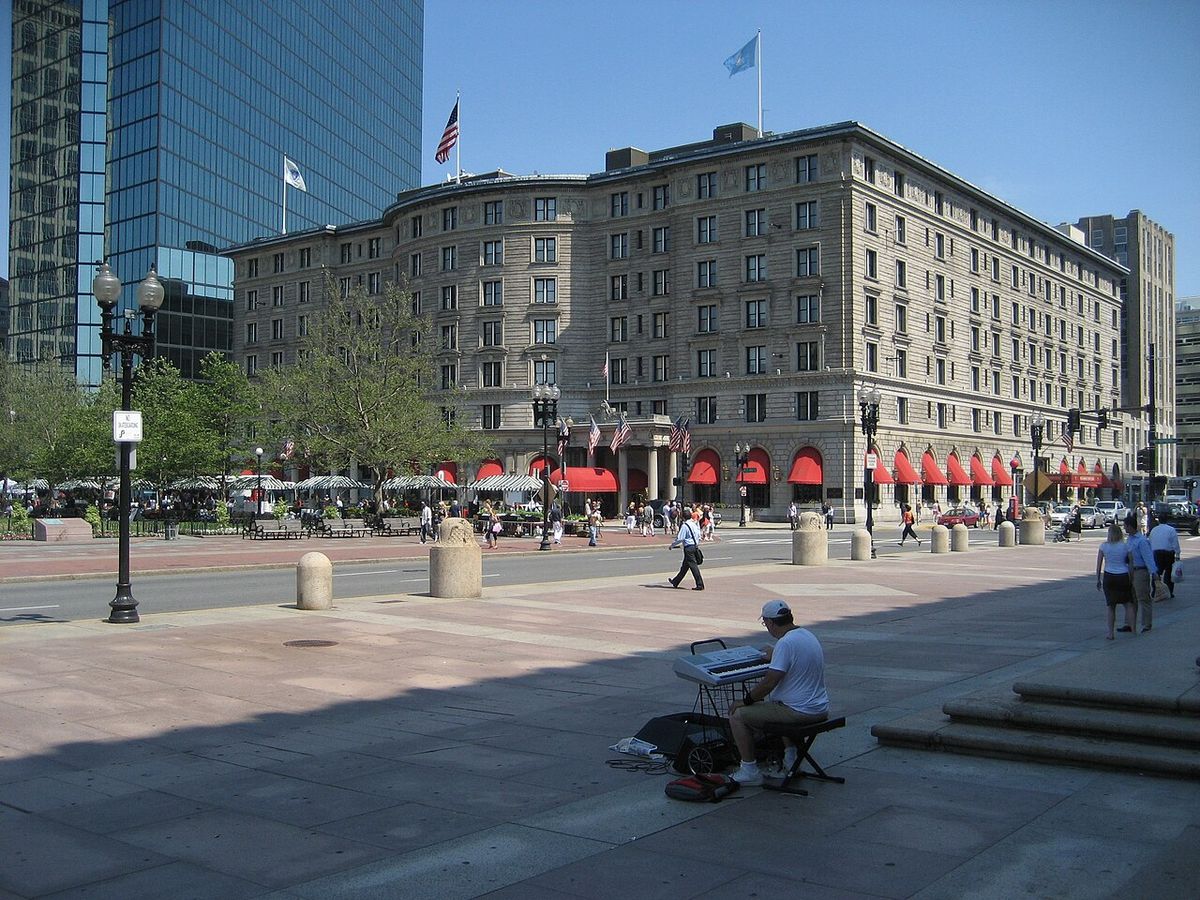
| United States | Expanded in early 2000s. Claremont acquisition in 2014 | Fairmont San Francisco, Fairmont Copley Plaza (Boston) |
| Asia | Peace Hotel Shanghai (2010). India (2012). Seoul (2021) | Fairmont Peace Hotel, Fairmont Jaipur, Fairmont Ambassador Seoul |
| Europe/Africa | Istanbul (2017). Taghazout Bay, Morocco (2021) | Fairmont Quasar Istanbul, Fairmont Taghazout Bay |
| Japan | Market entry scheduled for 2025 | Fairmont Tokyo (Shibaura) |
Questions about Fairmont Hotels & Resorts
Is Fairmont a Canadian company?
Fairmont Hotels & Resorts is a Canadian-born brand with deep roots in Canada's history, though it is now owned by a French multinational. The company originated from the merger of Canadian Pacific Hotels, a division of the historic Canadian Pacific Railway, with the American Fairmont chain in 1999. Its corporate headquarters remain in Toronto, Ontario, and its most famous properties are the grand Canadian railway hotels like the Château Frontenac and the Banff Springs. Since 2016, Fairmont has been a luxury brand within the portfolio of Accor, a hospitality group based in France.
When did Fairmont merge with Canadian Pacific Hotels?
The merger process began in April 1999 when Canadian Pacific Hotels, along with investment partners, purchased the American-based Fairmont Hotels Management chain, with CP Hotels taking a 67 percent controlling interest. The full rebranding to the Fairmont name occurred in 2001 during a major corporate reorganization. Canadian Pacific Hotels and Resorts officially changed its name to Fairmont Hotels & Resorts, adopting the name of the company it had acquired. Later that same year, the parent company, Canadian Pacific Limited, spun off Fairmont as an independent, publicly traded company.
Who owns Fairmont Hotels & Resorts?
As of 2016, Fairmont Hotels & Resorts is owned by the French hospitality group Accor. Accor acquired Fairmont as part of its purchase of Fairmont Raffles Hotels International (FRHI), the holding company that also included the Raffles and Swissôtel brands. Prior to this, from 2006 to 2016, Fairmont was part of FRHI, which was owned by a consortium led by the investment firms Colony Capital and Kingdom Holding Company. The brand's journey to Accor included its earlier history as an independent public company after being spun off from Canadian Pacific in 2001.
Where was the first Fairmont hotel located?
The first hotel to bear the Fairmont name was the Fairmont San Francisco, which opened in 1907. The hotel's construction was nearly complete when the 1906 San Francisco earthquake struck. Although damaged by the subsequent fires, it was renovated by architect Julia Morgan and opened the following year. The land for the hotel was originally purchased in the 1890s by mining magnate James Graham Fair. This property established the Fairmont brand in the United States and remains a flagship hotel, long before the merger with Canadian Pacific Hotels brought the Fairmont name to Canada.
When is Fairmont opening its first hotel in Japan?
Fairmont Hotels & Resorts is scheduled to open its first hotel in Japan in 2025. The property, named Fairmont Tokyo, will be located in the Shibaura district of Tokyo and will feature 217 guest rooms. This opening marks a significant expansion for the brand into one of the world's key luxury travel markets. The debut in Japan is part of Fairmont's ongoing global growth strategy under its parent company, Accor, to establish a presence in major gateway cities and desirable destinations where the brand was previously absent.
What are the most famous Fairmont hotels in Canada?
The most famous Fairmont hotels in Canada are the historic grand railway hotels assembled by its predecessor, Canadian Pacific Hotels. These include the Banff Springs Hotel, the Château Frontenac, the Empress Hotel, and the Fairmont Royal York. This collection originated from hotels built along the Canadian Pacific Railway lines starting in 1886. The chain grew further when CP Hotels purchased the Canadian National Railway's hotel division in 1988, acquiring properties like the Château Laurier. These signature hotels were retained under the Fairmont banner after the 2001 rebranding and remain well-known Canadian landmarks.
Sources and further reading
- Fairmont Hotels & Resorts (Wikipedia)
- Luxury Hotels Around the World | Fairmont Hotels & Resorts (fairmont.com)
- Best Fairmont Hotels in Canada: Iconic Luxury Resorts (canadabydesign.com)
Checked by the Novello Desserts desk. Last updated 2026-10-23.