Île d'Orléans
Île d'Orléans is a historic island situated in the Saint Lawrence River, approximately five kilometres east of Quebec City. Recognized as a National Historic Site of Canada since 1990, the island is celebrated as the birthplace of francophone culture in North America, with a large percentage of French Canadians tracing their ancestry to its early settlers. Spanning 190 square kilometres, the island comprises six villages, agricultural fields, and over 600 heritage buildings, attracting more than 600,000 visitors annually. Its proximity to Quebec City and its concentration of history, local produce, and artisanal crafts make it an essential cultural and tourist destination.
Geography and Physical Characteristics
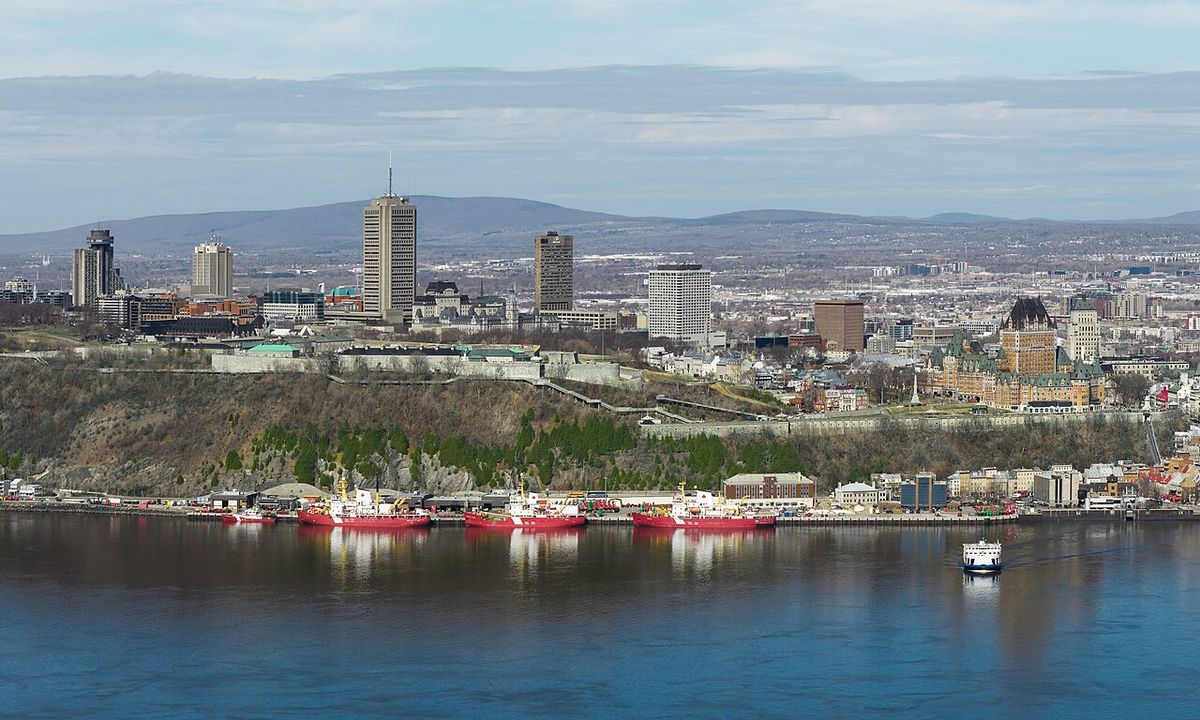
Île d'Orléans is located in the Saint Lawrence River estuary, marking the point where the river's fresh water begins to mix with salt water. The island is separated from the mainland by two channels, the Île d'Orléans Channel to the northwest and the Grands Voiliers Channel to the southeast. With an irregular shape featuring jagged coves and capes, the island measures 34 kilometres in length and up to 8 kilometres wide, with a circumference of 75 kilometres. The terrain is hilly, with small valleys and gradual crests reaching a maximum height of about 150 metres at Sainte-Pétronille and Saint-Laurent. Administratively, the island constitutes the L'Île-d'Orléans Regional County Municipality within the Capitale-Nationale region. The land use is predominantly agricultural, with 95 percent of the 190 square kilometre area dedicated to farming, contributing to its reputation as the "Garden of Quebec". The main streams on the island include the Rivière Dauphine, Rivière Lafleur, Rivière Maheu, Rivière du Moulin (in Saint-Laurent and Saint-Pierre), Rivière Pot au Beurre, and Rivière de la Savane.
Historical Significance and Colonization
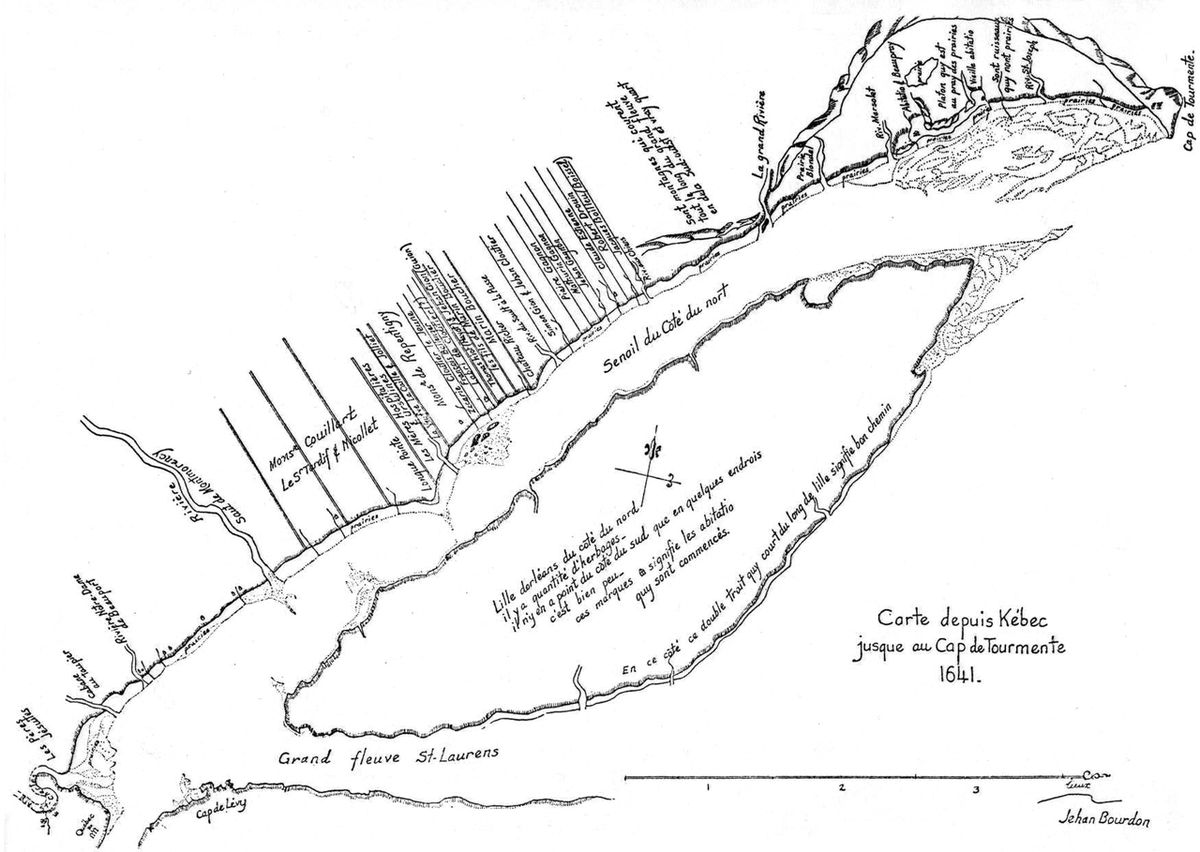
The island, long inhabited by Indigenous peoples who called it Minigo, or "Enchantress," was first encountered by European explorer Jacques Cartier in 1535 near the present-day village of Saint-François. Cartier initially named it Île de Bascuz for its wild grapes, but officials later renamed it Île d'Orléans in honour of the Duke of Orléans, son of King Francis I. Colonization by French settlers, primarily from Normandy and Poitou, began in earnest after 1648 under the seigneurial system of New France. The first parish, Sainte-Famille, was founded in 1661, and another four parishes were established in 1679 and 1680. By 1685 the population had grown to 1,205 inhabitants and 917 livestock. A key infrastructural development was the completion in 1744 of the Chemin Royal, a 67-kilometre road that encircles the entire island. During the Seven Years' War, British General James Wolfe occupied the island and used the Manoir Mauvide-Genest, built in 1734 by surgeon Jean Mauvide, as his headquarters before the Battle of the Plains of Abraham in 1759. The 19th and early 20th centuries saw a thriving maritime industry, with several boatbuilding yards operating, particularly in Saint-Laurent, which was home to about twenty rowboat builders in the 1830s. The completion of the Île d'Orléans Bridge in 1935 increased accessibility, but the island has maintained its historic character, leading to its designation as a National Historic Site of Canada in 1990.
Municipalities and Key Attractions
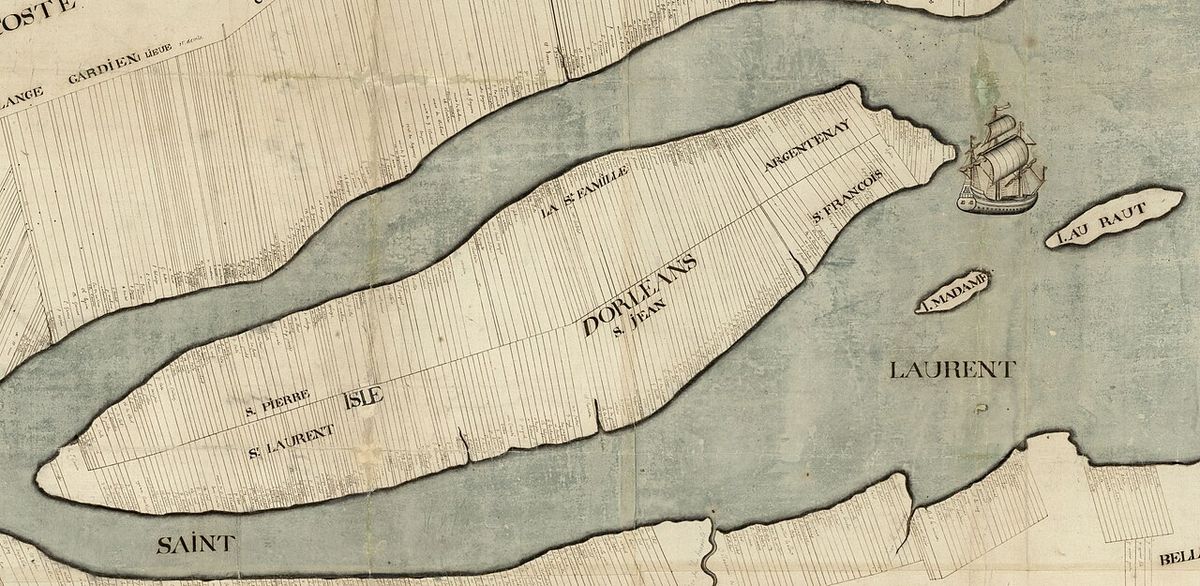
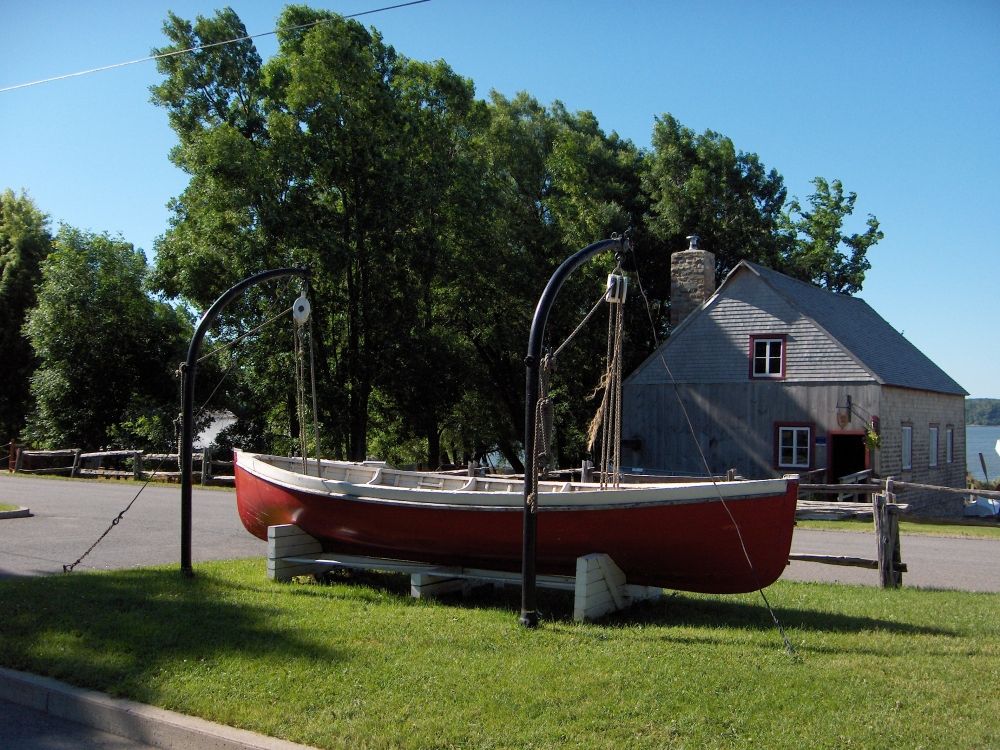
The island is divided into six municipalities, each with distinct characteristics and attractions accessible via the circular Route 368. Saint-Pierre, the first village encountered after crossing the bridge, is home to the historic Saint-Pierre Church, built between 1717 and 1719, and the Espace Félix Leclerc, a museum and performance hall honouring the famed singer-songwriter who is buried there. Sainte-Pétronille, at the western tip, offers a renowned viewpoint overlooking Montmorency Falls and Quebec City, and features the Vignoble Sainte-Pétronille winery and the Chocolaterie de l’Île d’Orléans. Saint-Laurent is known for its maritime history, with the Musée maritime de Saint-Laurent located in a preserved 19th-century chalouperie, or rowboat workshop, within the maritime park. Saint-Jean features the Manoir Mauvide-Genest, a seigneurial manor built in 1734 that is now a National Historic Site offering guided tours. Sainte-Famille, one of the oldest parishes, contains the Church of the Sainte-Famille from 1743 and heritage interpretation centres like Maison Drouin and Maison de nos Aïeux. Saint-François, at the eastern end, has an observation tower providing panoramic views of the St. Lawrence estuary, Cap Tourmente, and islands like Madame and Au Ruau. Key attractions across the island include:
- Espace Félix Leclerc: Museum and cultural centre in Saint-Pierre, with a giant sculpture of the artist at Bellevue.
- Manoir Mauvide-Genest: 1734 seigneurial manor in Saint-Jean, a National Historic Site.
- Musée maritime de Saint-Laurent: Museum of wooden boatbuilding heritage in the maritime park.
- Observation Tower in Saint-François: Views of the St. Lawrence estuary where fresh and salt waters mix.
- Vignoble Sainte-Pétronille: Winery with views of Montmorency Falls, offering wood-fired pizza in summer.
- Chocolaterie de l’Île d’Orléans: Artisanal chocolate and ice cream shop in Sainte-Pétronille.
- Confiturerie Tigidou: Shop specializing in jams made exclusively from island berries, with a 1920s-inspired interior.
- Fromages de l’isle d’Orléans: Cheese producer offering historically inspired varieties like the Paillasson de l’Isle.
- Seigneurie de l’Île: Site in Sainte-Famille with five gardens and lavender fields open from June to October.
- Tea House of Île d'Orléans: Establishment in Saint-Jean that cultivates its own herbal teas.
Agricultural Economy and Local Produce
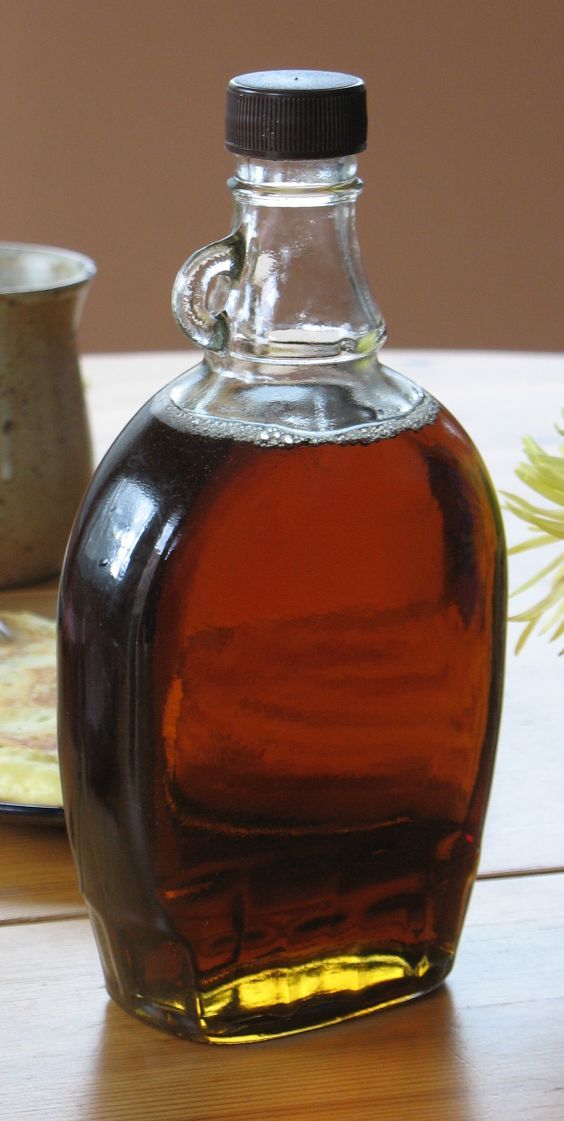
Agriculture has been the island's primary economic activity since its settlement, earning it the nickname the "Garden of Quebec." The fertile soil supports a variety of crops, with strawberries, apples, potatoes, blueberries, and raspberries being prominent. Maple syrup production from sugar maple stands is another traditional activity. Productions have diversified from subsistence farming to specialized agriculture focusing on strawberries, potatoes, vegetables, and small fruits. In recent decades, the economy has expanded into agritourism, viticulture, and artisanal food production. Several vineyards are found mostly in Saint-Pierre, with the exception of Vignoble Sainte-Pétronille. These venues often pair wine tastings with local cuisine, such as signature platters created by chef Laurent Godbout at Saint-Pierre Le Vignoble. Numerous farms operate pick-your-own berry operations and sell seasonal harvests at roadside stands from mid-June to mid-October. Artisanal producers create goods such as cheese at Fromagerie Ferme Audet (featuring goat's milk ice cream) and Fromages de l’isle d’Orléans, chocolate, jam at Confiturerie Tigidou, craft vinegars at Du Capitaine in Saint-François, and lavender products at Seigneurie de l’Île. While the historic trades of fishing and boatbuilding have faded, tourism has flourished, driven by the island's cultural heritage and scenery. The sector supports numerous bed-and-breakfast inns, regional cuisine restaurants, art galleries, and craft shops, catering to over 600,000 visitors each year. The island also sees significant activity from Quebec City residents who maintain secondary homes along its periphery.
Architectural and Cultural Heritage
Île d'Orléans is widely regarded as a living museum of New France traditions and a microcosm of historic Quebec. Its architectural heritage is exceptional, with more than 600 buildings classified or recognized as heritage properties, including about twenty designated as historical monuments by the government. These structures range from 17th and 18th-century ancestral stone houses and seigneurial manors to parish churches and century-old barns. The island's cultural legacy is actively preserved by organizations like the Corporation des Artisans de l'Île d'Orléans, which sustains ancestral know-how in cheesemaking and weaving. The island has long been a source of inspiration for artists, most notably the painter Horatio Walker, who had a house on Rue Horatio-Walker in Sainte-Pétronille. It holds a special place in Quebec's musical heritage, referenced in songs by several renowned chansonniers. Félix Leclerc, a towering figure in Quebec music and culture, made the island his home and is commemorated throughout Saint-Pierre. His song "Le Tour de l'île" is a direct homage. Other musicians who have referenced the island in their work include Yves Duteil in "La langue de chez nous," Jean-Pierre Ferland in "Chanson pour Félix," Sylvain Lelièvre in "Le fleuve," Monique Leyrac in "La fille de l'île," and Tire le Coyote in "Calfeutrer les failles." The island has also been the subject of documentaries, such as Albert Tessier's 1939 silent film "L'île d'Orléans, reliquaire d'histoire" and National Film Board productions like "Les oiseaux blancs de l'île d'Orléans" (1977) and "Le fromage à l'île d'Orléans" (1978).
Visitor Experience and Transportation
Île d'Orléans is a popular destination for day trips, weekend getaways, and cycling tours from Quebec City, located just 15 kilometres downstream. The sole road access is via the Île d'Orléans Bridge from Beauport, which is toll-free. The recommended way to explore is by car or motorhome, travelling counterclockwise on the perimeter Route 368, known as Chemin Royal, which allows for spontaneous stops at farms, viewpoints, and villages. The drive from downtown Quebec City to the bridge takes approximately 30 minutes via Highway 440 East. For those without a car, alternative transportation includes a public bus service, seasonal tourist shuttles from Quebec City, taxis, and rideshares, though the latter can cost between 60 and 75 dollars per trip. Experienced cyclists can also cross the bridge to tour the island. Once there, activities vary by season. Summer is ideal for visiting farm stands, attending outdoor festivals, and enjoying picnics with local produce. Winter offers a quieter charm with snow-covered scenery, cozy accommodations, and seasonal shops. Key experiential activities include participating in audio-guided walking tours through the "Littoral, The Constellations of Île d'Orléans" project, where residents share personal stories about insularity and the river. Visitors can rent scooters for exploration, as noted by Toronto travellers Claudia Nieroda and Kaan Blofield, and visit the Tea House of Île d'Orléans, which serves herbal teas from its own eco-friendly micro-farm. The island's villages, with their red-roofed churches and neoclassical homes, are frequently ranked among the prettiest in Quebec.
Annual Tourism and Visitor Activities
Tourism is a vital component of the island's modern economy, with visitation consistently exceeding 600,000 people per year. The influx supports a wide range of hospitality and service businesses. The island's appeal draws visitors for its historical sites, agricultural tourism, culinary experiences, and scenery. Popular guided tours from Quebec City often combine a visit to the island with nearby attractions like Montmorency Falls, with operators offering half-day trips and specialized taste and drink tours. The following table illustrates the primary categories of visitor activities and their corresponding examples, based on offerings detailed across promotional and historical materials.
| Visitor Activity Category | Specific Examples | Locations and Details |
|---|---|---|
| Historical & Cultural Sites | Manoir Mauvide-Genest, Maison Drouin, parish churches, Espace Félix Leclerc | Guided tours, museum visits, heritage walks. Over 600 heritage buildings. |
| Agritourism & Local Produce | Roadside farm stands, pick-your-own berries, vineyards, maple syrup stands | Fruit and vegetable picking, wine and cider tasting, purchasing directly from producers. |
| Artisanal Food & Drink | Chocolaterie, confiturerie, fromageries, vinegar producer, lavender shop | Tastings, purchasing local specialties like goat's milk ice cream and wood-fired pizza. |
| Scenic Views & Outdoor Activity | Chemin Royal drive, observation towers, maritime park, cycling routes, beach | Driving tours, photography from viewpoints, hiking, cycling, picnicking at Saint-François beach. |
| Accommodation & Dining | Bed-and-breakfast inns, regional cuisine restaurants like Café La Midinette | Overnight stays, enjoying meals featuring local ingredients, many with views of the river. |
| Arts & Crafts | Art galleries, craft shops, Horatio Walker's house, artisan corporation | Viewing and purchasing works from local artists and craftspeople. |
Accessibility and Trip Planning
Planning a visit to Île d'Orléans is straightforward due to its proximity to Quebec City and clear infrastructure. The official tourist website provides maps, event suggestions, and information on not-to-be-missed activities. Visitors are encouraged to sign up for the Destination Québec cité newsletter for updates. For a comprehensive experience, allocating a full day is recommended to complete the 67-kilometre Chemin Royal loop and make several stops. Key planning considerations include checking seasonal hours for farm stands and museums, as many peak operations run from mid-June to mid-October, though winter has its own offerings. Accommodation should be booked in advance, especially during summer weekends and the fall harvest season. The island's tourist welcome office in Saint-Pierre can provide maps and guidance. For those interested in specific products, creating an itinerary around villages is effective: start with wine and chocolate in Sainte-Pétronille, move to maritime history in Saint-Laurent, explore seigneurial history in Saint-Jean and Sainte-Famille, and finish with estuary views and cheese in Saint-François. The audio walking tour project, "Littoral, The Constellations of Île d'Orléans," offers a unique, resident-led perspective available through a mobile app or guided tour formats.
Questions about Île d'Orléans
How do you get to Île d'Orléans from Quebec City?
The island is accessed via the Île d'Orléans Bridge (Pont de l'Île) from Beauport, which connects to Route 368 on the island. The drive from downtown Quebec City takes approximately 30 minutes via Highway 440 East, covering a distance of about 15 kilometres to the bridge. The bridge is toll-free. Alternative transportation options include a public bus service, seasonal tourist shuttles, taxis, and rideshare services. Experienced cyclists may also bike across the bridge to explore the island.
What are the main villages to visit on Île d'Orléans?
The island is composed of six municipalities, each with its own character. Saint-Pierre features the Espace Félix Leclerc and historic church. Sainte-Pétronille offers stunning views of Montmorency Falls and Quebec City. Saint-Laurent is known for its maritime museum. Saint-Jean is home to the historic Manoir Mauvide-Genest. Sainte-Famille has one of the oldest parishes and heritage homes. Saint-François, at the eastern tip, has an observation tower overlooking the St. Lawrence estuary. The recommended route is to drive the perimeter Chemin Royal (Route 368) to visit them all.
Why is Île d'Orléans historically significant?
Île d'Orléans is considered the cradle of francophone culture in North America, as it was one of the first areas in Quebec to be permanently settled by the French, starting in the mid-17th century. A large percentage of French Canadians can trace ancestry to its early residents. The island's layout still reflects the seigneurial system of New France. Its rich collection of over 600 heritage buildings and its role in preserving traditional Quebecois life led to its designation as a National Historic Site of Canada in 1990.
What local foods and products is the island known for?
The island is renowned as an agricultural hub, famously called the "Garden of Quebec. Key products include strawberries, apples, potatoes, blueberries, and raspberries, available seasonally at roadside stands. Maple syrup is a traditional product. The island has a growing viticulture scene with several vineyards. Artisanal food production is prominent, featuring cheeses like the Paillasson de l’Isle, chocolates, jams, craft vinegars, and products made from lavender and goat's milk. Many farms offer pick-your-own experiences during the summer harvest.
What is there to do on Île d'Orléans in the winter?
Winter on the island offers a quieter, picturesque experience with snow-covered scenery. Many shops, artisans, and accommodations remain open, providing a cozy atmosphere. Visitors can enjoy local flavours at restaurants, explore artisanal shops, and stay in bed-and-breakfast inns. While some outdoor agricultural activities are seasonal, the scenic beauty of Chemin Royal and the villages is striking. Specific winter activities are promoted by the local tourism office, encouraging visitors to discover the island in a new light.
Is Île d'Orléans walkable or do you need a car?
While the island's villages have walkable cores, a car is the most practical and recommended mode of transportation to fully explore Île d'Orléans. The Chemin Royal loop is 67 kilometres long, connecting six villages and numerous dispersed attractions like farms, wineries, and viewpoints. A car allows for flexibility and spontaneous stops. For those without a car, options include cycling for the athletic, public buses, tourist shuttles, and taxis, though these provide less freedom to explore at one's own pace compared to a private vehicle.
Sources and further reading
- Île d'Orléans (Wikipedia)
- Île d'Orléans (tourisme.iledorleans.com)
- Best Spots on a Tour of Île d'Orléans | Visit Québec City (quebec-cite.com)
- Île d'Orléans (Quebec): the practical guide (authentikcanada.com)
Checked by the Novello Desserts desk. Last updated 2026-10-27.