Ontario grocers with beer licenses face wine kiosk restriction
A requirement to install a kiosk selling only Ontario wines is stopping some independent grocers from selling wine.
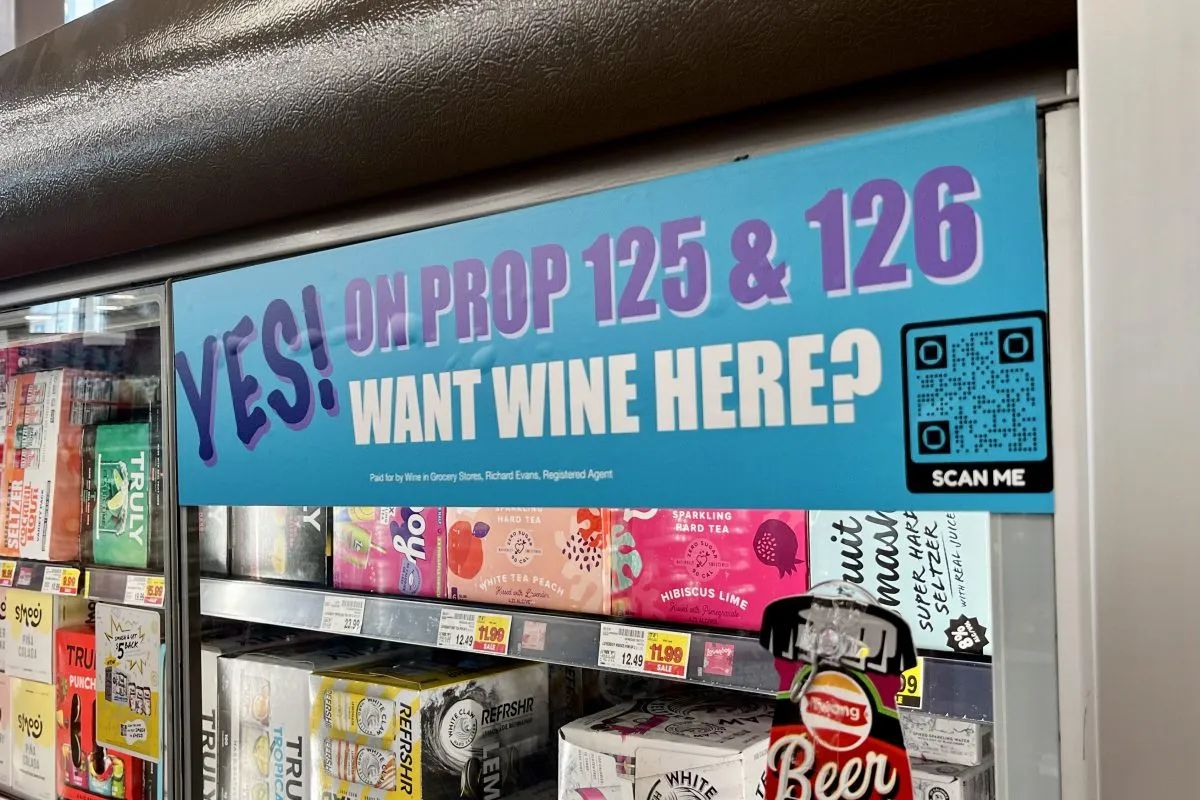
Independent grocers in Ontario who already sell beer must install a kiosk selling only Ontario wines if they want to sell wine, a rule that does not apply to convenience stores.
Robert Galati, who owns Galati Market Fresh in North York, says the requirement is stopping him from applying for a wine license.
“I did not want to go down this road. I want to sell all wines,” Galati says. “Why would I want to commit to a kiosk that is going to tie me up only with Ontario wines for five or 10 years?”
He estimates about 150 grocers in the province are in the same situation.
READ MORE: Trump accuses Canada of being 'entitled' as alcohol import ban takes effect
READ MORE: Food and beverage sales rise but face pressure from trade and energy costs
Gary Sands, senior vice-president of policy and advocacy at the Canadian Federation of Independent Grocers, says the wine kiosk rule remains a stumbling block despite other recent changes that have levelled the playing field for food retailers.
Ontario lifted a requirement for licensed grocers to accept bottle and can returns last November, eliminated a wholesale discount that favoured other retailers, and gave grocers full access to the LCBO catalogue at the same prices.
Sands says the intent of the kiosk regulation is to stimulate Ontario wine sales, but the reality is “the opposite.”
“While provinces are looking at removing interprovincial trade barriers, I think the Ontario government needs to look at its own internal trade barriers and remove those. This is one of them,” he says.
He adds that many independent grocers do not have the space to install a dedicated wine kiosk.
Galati agrees space is an issue for many, but says his primary complaint is being limited to Ontario wine. He hopes to sell wine from around the world.
Beer sales at his store have fallen since convenience stores began selling beer, but he believes his customers would buy wine if he had a kiosk.
Sands says his organization has told the government that removing the barrier would lead independents to sell more Ontario wines, especially given current trade tensions with the U.S.
“If consumers have a choice, right now they’re going to be opting for anything Canadian.”
Galati is confident pressure on the government will lead to the rule changing within the next year.
“Something like this is a no-brainer.”
David La Mantia, whose La Mantia’s Country Market Fresh in Lindsay has had a full beer and wine license for years, says alcohol brings in traffic even though profit margins are low.
“Wine is steady or up slightly because we’ve expanded our selection. The ready-to-drink category is definitely up and seems to be the growth area,” he says.
He says a promise that consignment wines would be made available to grocers to help them differentiate from the LCBO has not happened.
“Our bottle shop competitors at restaurants have full access to all these consignment wines, yet we’re denied access,” La Mantia says. “You’re kind of fighting with one arm tied behind your back.”
With files from Canadian Grocer
Renée Bouchard writes about food, restaurants and grocery prices across Canada for Novello Desserts.