CATSA explores biometric scanning for domestic flights by 2031
The agency says the technology would improve efficiency, but critics warn it threatens privacy and could lead to mandatory use.
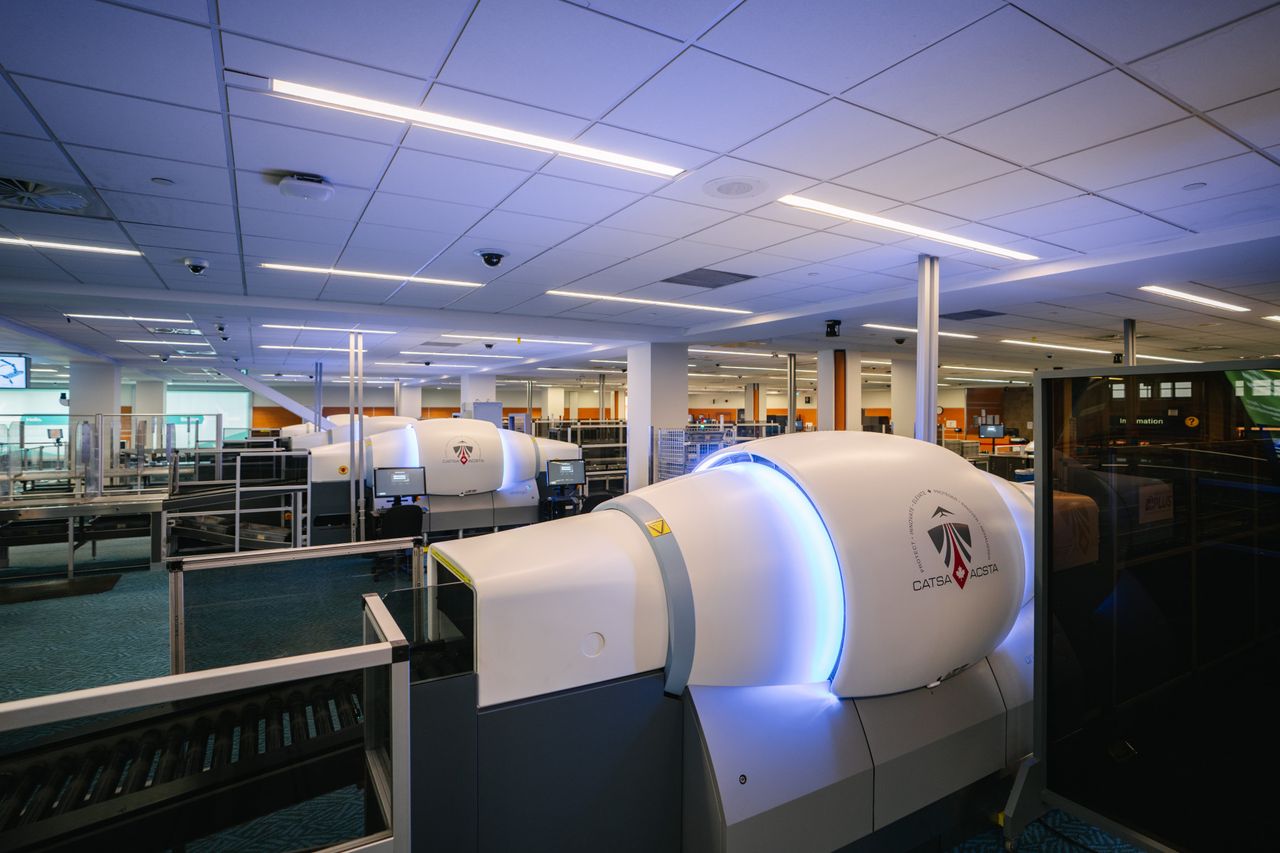
The Canadian Air Transport Security Authority is exploring the use of biometric scanners for passengers on domestic flights by 2031.
"The Authority in collaboration with Transport Canada and key partners is exploring the feasibility of biometric technology at the security screening checkpoint," said Anna Maddison, a spokesperson for CATSA.
In its corporate plan tabled in the House of Commons on Sept. 16, CATSA said biometric scanners would be used for pre-board screening to "improve efficiency."
READ MORE: Trump's drug price policy could raise costs for Canadians, experts warn
READ MORE: Delays at Canada's busiest airports drop 85 percent this summer, NAV Canada reports
The federal cabinet currently has no formal plans for a mandatory national digital identification system or a centralized database of Canadians' biometric information.
John Carpay, president of the Justice Centre for Constitutional Freedoms, argues the technology poses a significant threat to privacy.
Biometric technology threatens our individual liberty, our privacy rights, and our control over one’s personal information.
He said a government requirement for Canadians to surrender fingerprints or facial information as a condition of domestic air travel would not be justified as reasonable and necessary.
Carpay questioned whether the technology would actually speed up boarding, noting that passengers already wait in jet bridges while others stow luggage.
"Would facial recognition and fingerprint scanning actually improve efficiency?" he wrote. "Are flight departures delayed because airline employees are taking three to five seconds to look at the passport or driver’s licence of each passenger before they board the airplane?"
He argued that saving a few seconds at identity verification would do nothing to improve overall efficiency.
Carpay also raised concerns about how the data would be stored, who would have access to it, and for how long it would be retained.
"When government authorities use facial scans and fingerprints, it remains unclear who will possess this personal information, where it is stored, how long it is retained, who can access it, whether it can be shared with others, and whether it can eventually be used for purposes beyond the original reason of verifying one’s identity when boarding an airplane," he wrote.
He warned that biometric information, once stolen, cannot be replaced like a passport or driver's licence.
The only safe biometric database is one that doesn’t exist.
Carpay said the promise of "voluntary" biometric scanning is worthless, citing how COVID-19 vaccine mandates were introduced after initial promises they would remain voluntary.
"Once the system for ‘voluntary’ biometric scanning is in place, there is nothing inherent in the technology that prevents its use from being expanded," he wrote.
He urged Ottawa to first explain why it wants to collect this information, arguing that existing identification documents already serve the purpose.
"If that purpose can be accomplished without collecting biometric information, there is no compelling reason to make Canadians surrender their fingerprints or facial information as a condition of travelling within Canada," Carpay wrote.
CATSA has indicated that any decision to implement biometric scanning is up to the elected government.
With files from Justice Centre for Constitutional Freedoms