Canada's time change divide grows as Quebec moves to end clock switching
Quebec plans to end the twice-yearly time change, joining several other provinces that have already stopped switching clocks.
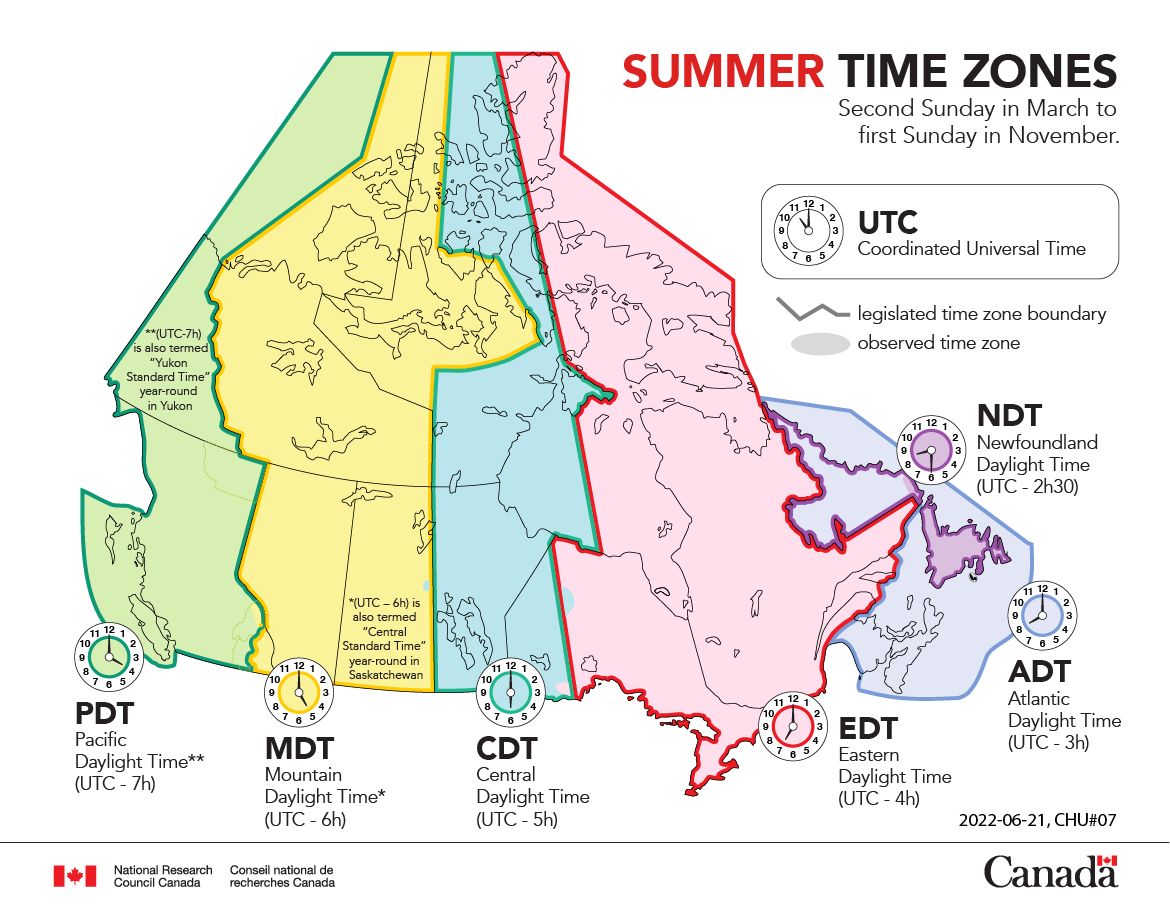
QUEBEC · Quebec's government intends to abolish the twice-yearly time change, Premier Paul St-Pierre Plamondon announced. The province has not decided whether it will keep standard time or daylight time year-round. He said Quebecers will likely set their clocks back one hour for the final time this weekend. A decision on which time to adopt permanently will follow consultations with experts in the coming months.
St-Pierre Plamondon said studies show the time change harms health and is difficult for children. He invited the public to follow the government's work on the issue. A previous online consultation in 2024 found overwhelming support for ending the practice. About 91 per cent of 214,000 respondents wanted to stop changing clocks, and 72 per cent favoured permanent daylight time.
Quebec would join a growing number of jurisdictions that have stopped the practice. Most of British Columbia, Alberta, Manitoba and the Northwest Territories no longer change their clocks, as do Yukon and most of Saskatchewan. These provinces and territories have chosen permanent daylight time. Most of Ontario and the Atlantic provinces will still fall back this weekend, though northwestern Ontario will stay on daylight time to match Manitoba.
READ MORE: Baby bonuses fail to lift birth rates as research points to motherhood penalty
READ MORE: Patients cycling off GLP-1 drugs risk diminished effects, researchers warn
Health experts warn that permanent daylight time may be the less healthy option. Research published in the Canadian Medical Association Journal concluded health evidence favours permanent standard time. It better aligns with the body's natural circadian rhythm. Permanent standard time is the time we return to in the fall.
Joseph De Koninck, a University of Ottawa psychology professor emeritus, said the spring change is most disruptive. It causes people to lose an hour of sleep, creating a mismatch between their internal clock and solar time. "We are able to adapt, but it's not optimal for our health," De Koninck said. The body uses light to synchronize its biological clock, and a sudden one-hour adjustment is difficult.
Michael Antle, a University of Calgary psychology professor, said permanent standard time would have been better for Alberta. The province's northern location already brings late winter sunrises, which daylight time makes an hour later. "It's not the choice I would have made," Antle said of Alberta's decision. Daylight time means society agrees to start the day an hour earlier, which can conflict with natural body clocks.
This conflict leads to what Antle calls "social jetlag." When morning light comes later, people's bodies may not be ready for work or school. He cited studies linking later sunsets to less sleep and higher rates of obesity, diabetes and heart disease. Russian research also found increased winter depression among youth during permanent daylight time.
Antle distinguishes between the acute disruption of changing clocks and the chronic effects of permanent daylight time. The spring shift makes people feel out of sync for weeks, while permanent daylight time extends that mismatch all winter. He prefers permanent standard time, though continuing the twice-yearly change would be a compromise. It would preserve later summer evenings without the prolonged winter misalignment.
The darker mornings under permanent daylight time have practical impacts. Ski hills in Alberta's Bow Valley are delaying opening times this winter so staff have more daylight to prepare slopes. Most schools and workplaces, however, cannot easily adjust their hours based on sunlight. Night owls with daytime jobs may struggle most, as they already find early waking difficult.
Canada's patchwork of time systems could allow researchers to study neighbouring populations under different rules. Antle said he wished for baseline data before Alberta's change. Future studies could examine mental health, collisions, and school or workplace performance. De Koninck said researchers now have tools to track sleep habits and compare adaptation across provinces.
De Koninck expects public reaction in Western Canada may come before researchers gather years of data. People may not grasp the reality of permanent daylight time until they experience a winter of very late sunrises. "Those who've tried it haven't liked it," he said. The broader concern, he added, is the health impact of prolonged sleep disruption. "If you feel sleep deprived, then you have a host of issues, psychological and physical," De Koninck said.
With files from CBC News
Amara Okafor covers health, medical research and public health in Canada for Novello Desserts.