Muscular Dystrophy Canada launches national patient registry
The NMD-RWx registry aims to gather lived-experience data to inform research and policy for neuromuscular disorders.
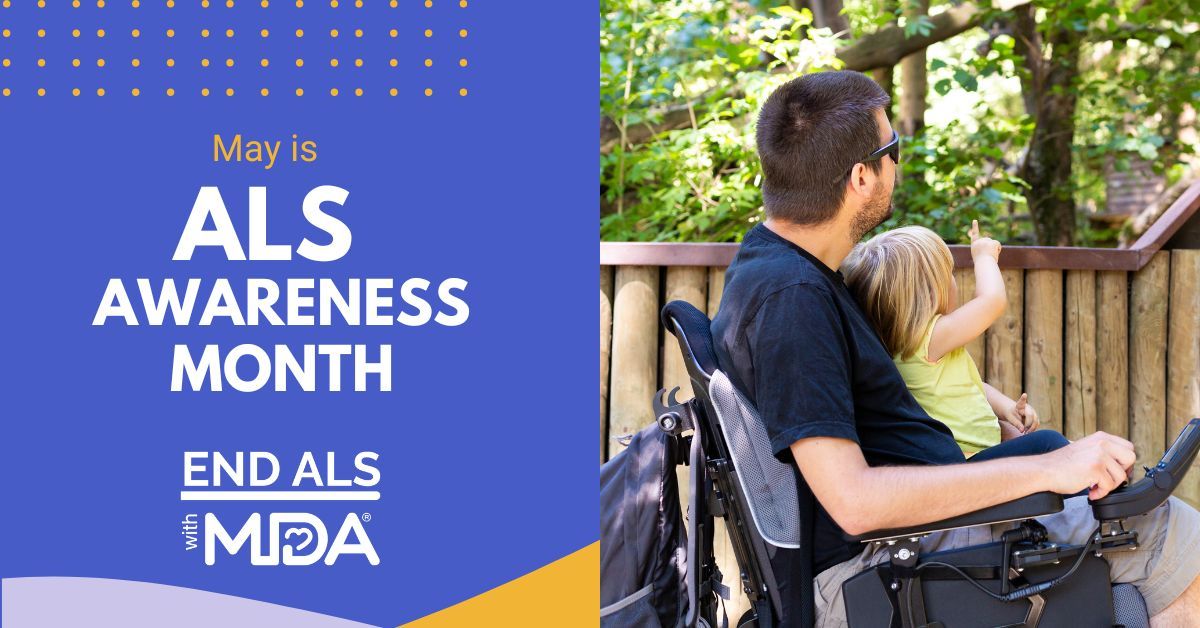
Muscular Dystrophy Canada has launched a new national registry aimed at collecting Canadian-specific information from people living with neuromuscular disorders and their families.
The Neuromuscular Disease Real-World eXperience Registry, known as NMD-RWx, is designed to gather patient-reported information that can be used to support research, clinical trials, policy development and improvements in care.
Muscular Dystrophy Canada says the registry was developed with input from people living with neuromuscular disorders, as well as their families and caregivers.
READ MORE: Trump's drug price policy could raise costs for Canadians, experts warn
The organization says Canada has lacked a comprehensive national registry that captures lived experience across a broad range of neuromuscular disorders.
“Today marks an important step forward for the neuromuscular community in Canada,” Muscular Dystrophy Canada CEO Stacey Lintern said.
Lintern said the registry is intended to ensure experiences from patients and families are included in the evidence used to guide research, policy and health-care decisions.
Rather than replace existing clinical or diagnosis-specific registries, NMD-RWx is intended to add information about areas such as quality of life, access to treatment, symptoms, functioning and barriers to care.
The registry uses a two-tier participation model.
The first tier is a national headcount intended to provide a clearer picture of how many Canadians are living with neuromuscular disorders, which conditions they have and where they live.
Participants can take part in the national count without completing a detailed health questionnaire.
The second tier is an optional annual questionnaire covering health, quality of life, symptoms, functioning, treatment experiences and access to care, equipment and supports.
By repeating the questionnaire each year, researchers will be able to track changes in health and care needs over time.
Muscular Dystrophy Canada says the registry is intended to capture information that is often missing from traditional clinical databases, including fatigue, mental health, access barriers and the day-to-day impact of living with a neuromuscular disorder.
Danielle Campo-McLeod, who lives with a neuromuscular disorder, said participating gives patients an opportunity to make sure those experiences are reflected in future decisions.
“It’s not just about my diagnosis, it’s about fatigue, mental health, handling the system, and planning for the future,” Campo-McLeod said.
The registry will use standardized patient-reported measures so information can be compared across conditions, regions and over time.
Muscular Dystrophy Canada says participation is voluntary and the registry includes privacy protections, ethical oversight and informed consent.
Enrollment is open to people living with neuromuscular disorders, as well as parents, caregivers and family members.
Amara Okafor covers health, medical research and public health in Canada for Novello Desserts.