Beefsteak
A beefsteak, commonly referred to simply as a steak, is a flat cut of beef typically prepared by grilling, pan-searing, or broiling. It is a globally recognized dish with significant cultural and culinary variations, from the steak frites of France to the bistec encebollado of Latin America. In Canada, steaks are a staple of restaurant menus, backyard barbecues, and special occasion dinners, reflecting the country's appreciation for high-quality beef. The dish's popularity is driven by its versatility, the range of available cuts from tenderloin to flank, and the personal preference for degrees of doneness from rare to well-done.
Definition and Basic Preparation
A beefsteak is defined as a flat cut of beef with parallel faces, usually cut perpendicular to the muscle fibers. Individual servings in restaurants typically range from 120 to 600 grams in raw weight. The primary cooking methods involve dry heat, such as pan-searing on a hot surface, grilling over an open flame, or broiling in an oven. The goal of these methods is to create a flavorful, seared crust while achieving the desired internal doneness. More tender cuts from the loin and rib are cooked quickly with these dry-heat techniques and served whole. Less tender cuts from the chuck or round often benefit from moist-heat cooking methods like braising or are mechanically tenderized, as seen with cube steak. Steak can also be cooked using the sous vide method, where it is vacuum-sealed and cooked in a precisely controlled water bath before a final sear.
International Variations and Cultural Significance
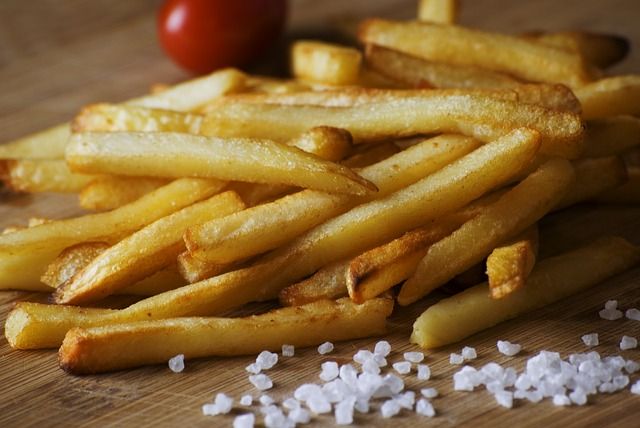
Beefsteak is prepared and served differently around the world, reflecting local ingredients and culinary traditions. In France, steak, locally called bifteck, is famously served with fried potatoes as steak frites, often accompanied by a green salad or classic French sauces. Italian cuisine features bistecca alla fiorentina, a thick T-bone steak from the Chianina cattle breed, typically seasoned simply with salt, pepper, and olive oil. In Mexico and Spain, bistec refers to dishes of salted and peppered beef sirloin strips, with bistec encebollado (with onions) being a common preparation across Latin America. Indonesian cuisine shows Dutch influence with dishes like bistik jawa and selat solo. In the United Kingdom, steakhouses often age beef for several weeks, serving it with chips, vegetables, and sauces like peppercorn or Béarnaise. The United States is known for its steakhouses, which specialize in high-grade, often dry-aged beef, served with sides like baked potatoes, creamed spinach, or shrimp for a 'surf and turf' combination. In Australia, steak is a pub and bistro staple, usually served with a choice of sauce and either french fries or mashed potato, and often ranked by cut and quality on menus.
Common Cuts of Steak
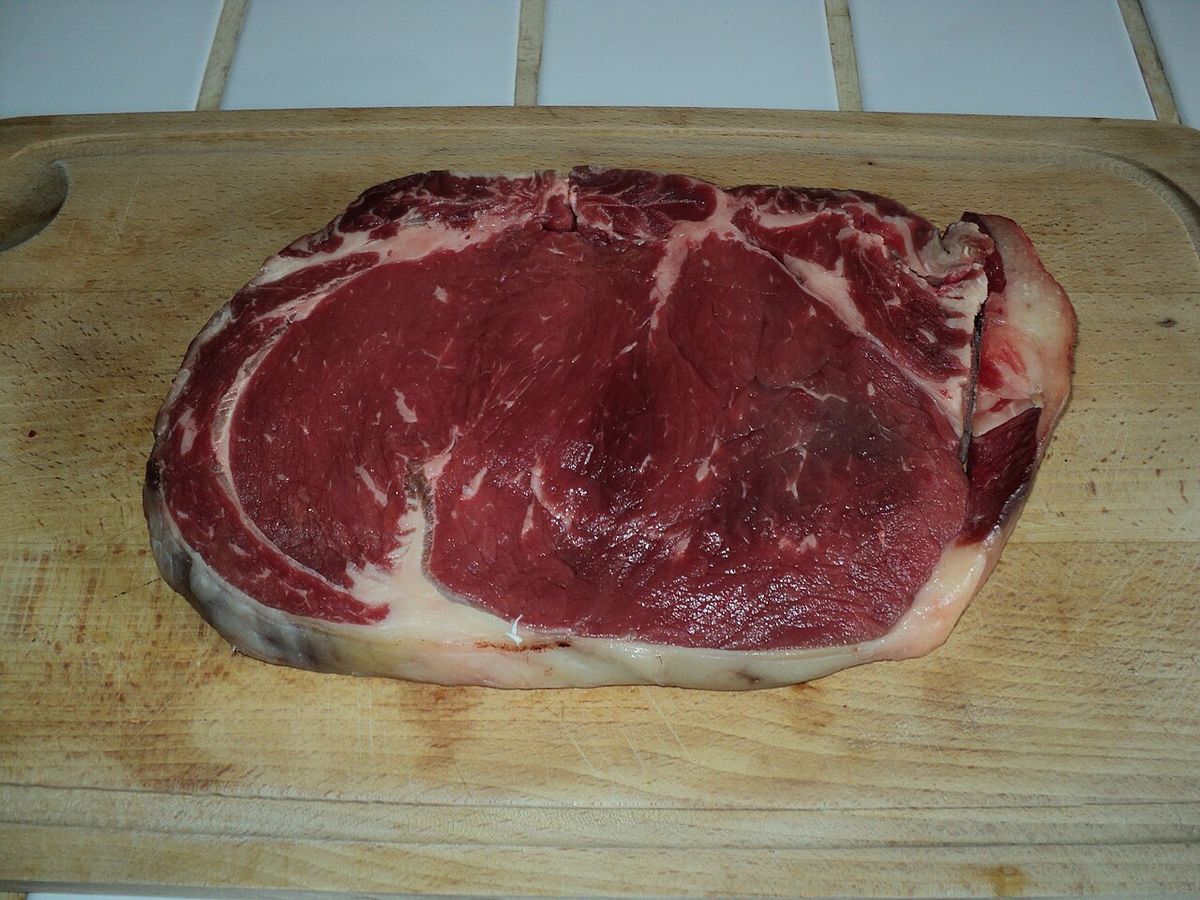
The flavour, tenderness, and appropriate cooking method for a steak are largely determined by the specific cut, which comes from different primal sections of the cow. Tender cuts are generally from areas that do little work, such as the loin and rib. Popular tender cuts include filet mignon from the small end of the tenderloin, ribeye steak from the rib primal, and strip steak from the short loin. Cuts from the chuck or round, such as chuck steak or round steak, are less tender and often more affordable, making them suitable for braising or marinating. Other notable cuts include the T-bone and porterhouse, which contain portions of both the strip loin and tenderloin separated by a T-shaped bone, and the flank steak, a lean cut from the abdomen used in dishes like fajitas and London broil. The flat iron steak, cut from under the shoulder blade, is known as 'butlers' steak' in the UK and 'oyster blade steak' in Australia and New Zealand.
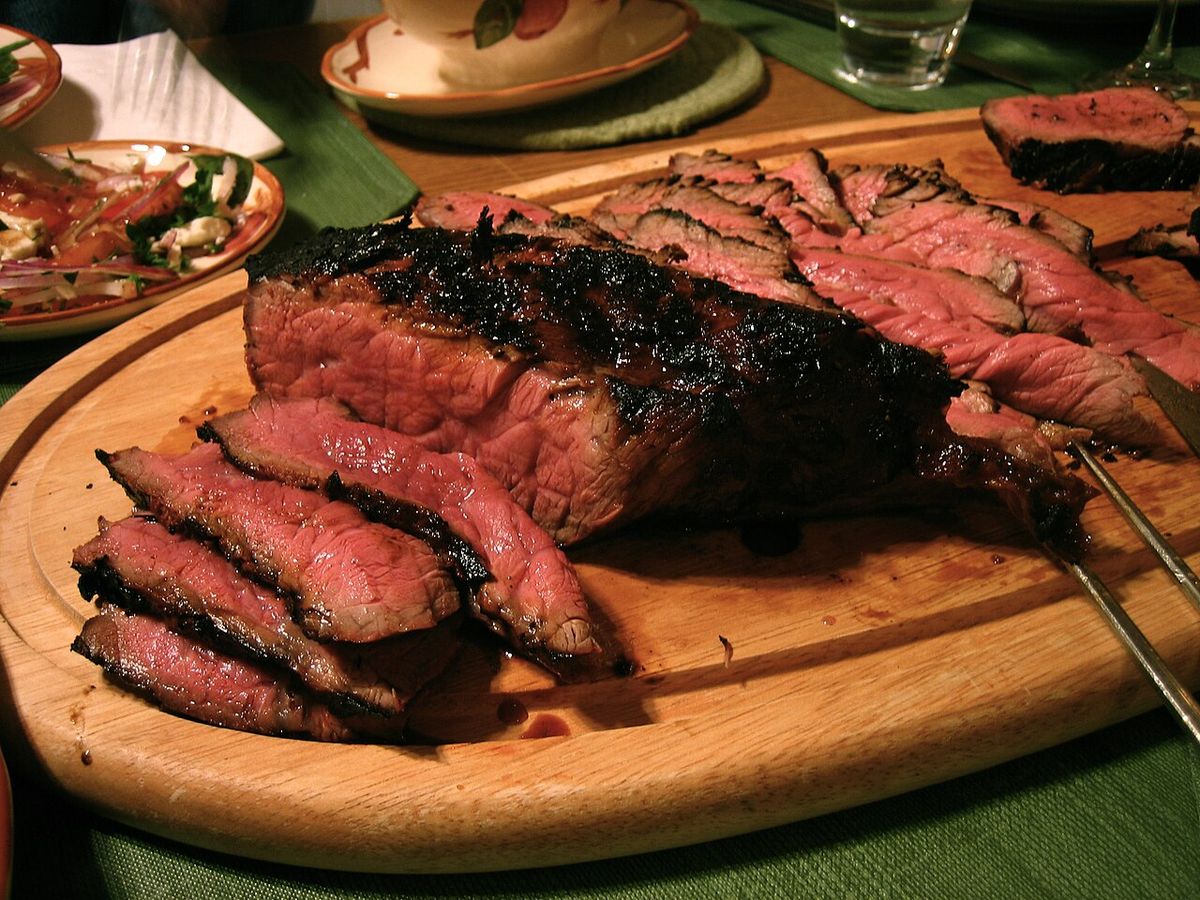
Key steak cuts and their characteristics include the filet mignon, which is a cut from the small end of the tenderloin and is the most tender and usually the most expensive cut by weight. The T-bone steak and porterhouse are cuts from the tenderloin and strip loin, connected with a T-shaped bone, and are among the most expensive steaks on a menu. A rib eye steak, also known as Scotch fillet or entrecôte, comes from the primal rib and includes the longissimus muscle and the spinalis or cap. A flank steak is from the underside of the cow and is a relatively long and flat cut used in dishes like London broil, though it is not as tender as steaks from the rib or loin. A skirt steak is made from the diaphragm and is very flavorful but rather tough, and it is used in many international cuisines such as Mexican fajitas. A flat iron steak is a cut from under the shoulder blade, known for being flavorful but a bit tougher because it is not cut cross-grain.
- Filet Mignon: From the tenderloin. The most tender and often most expensive cut.
- Ribeye: From the rib primal. Known for rich marbling and flavour. Also called Scotch fillet or entrecôte.
- New York Strip (Strip Steak): From the short loin. Tender with a firm texture. Also known as Kansas City strip.
- T-Bone/Porterhouse: From the short loin. Includes strip and tenderloin. Distinguished by tenderloin size.
- Flank Steak: From the abdomen. Lean, flavorful, best when marinated and sliced thinly.
- Skirt Steak: From the plate. Very flavorful but tough, used in fajitas and arrachera.
- Hanger Steak (Onglet): From the diaphragm. Flavorful, sometimes called the butcher's tenderloin.
- Chuck Steak: From the shoulder. Less tender, often used for braising. A 7-bone steak is a cut from the chuck.
- Tomahawk Steak: A bone-in rib steak with a long, cleaned rib bone resembling a tomahawk axe.
- Tri-Tip: A boneless, triangular cut from the bottom sirloin butt.
Degrees of Doneness and Cooking Styles
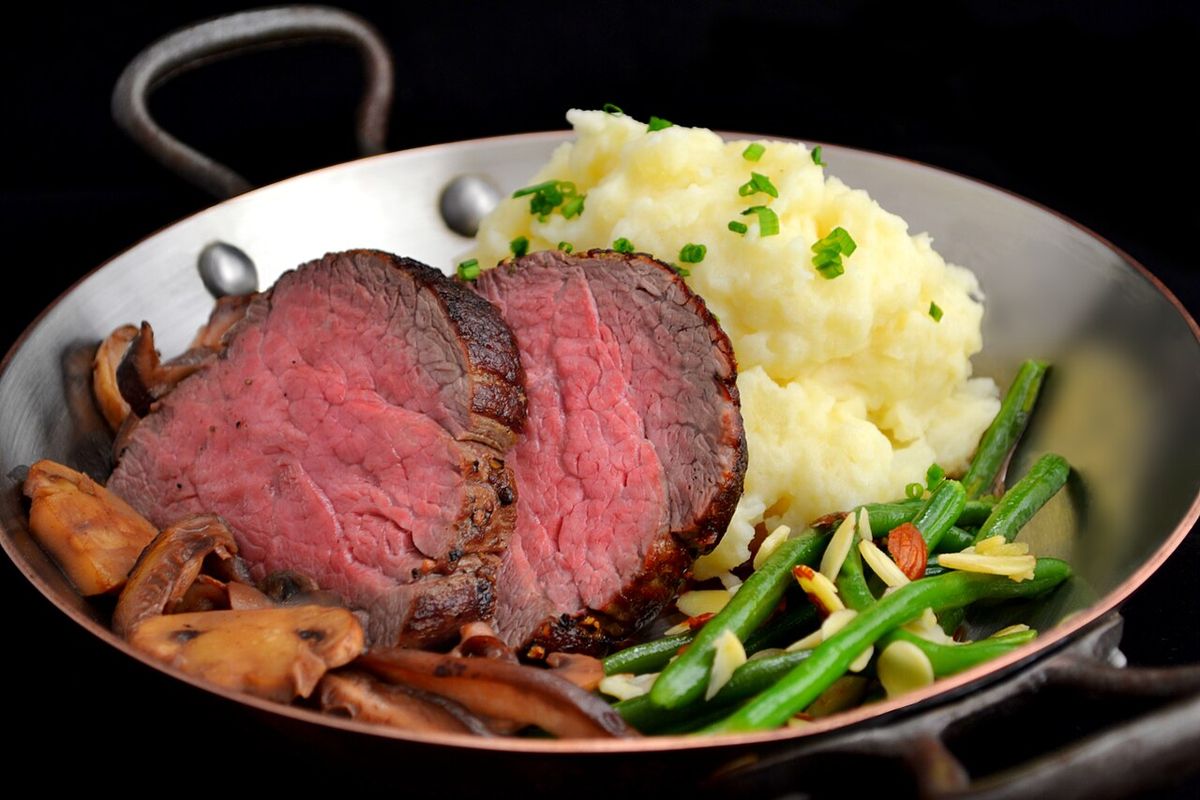
The internal cooking temperature of a steak, known as its doneness, is a matter of personal preference and is described by a standard vocabulary. The spectrum ranges from very lightly cooked to thoroughly cooked, with core temperatures providing a guideline. Rare steak has a core temperature of approximately 52°C (126°F), featuring a fully red, cool centre. Medium rare, at about 55°C (131°F), is a reddish-pink centre and is often considered the standard for optimal flavour and juiciness at steakhouses. Medium steak reaches 63°C (145°F) with a fully pink, hot centre. Medium well is lightly pink at 68°C (154°F), while well done steak, at 73°C (163°F) and above, is grey-brown throughout. Styles like 'Pittsburgh rare' or 'black and blue' describe a steak that is charred on the outside but very rare on the inside, a method also known in Germany as 'English-style'. A 'Chicago-style' steak is cooked to the desired doneness and then quickly charred on the outside. The following table outlines the standard degrees of doneness and their corresponding descriptions and French terminology.
| Doneness | Description | French Term |
|---|---|---|
| Blue Rare | Seared outside, cool red interior. May require oven warming. | Bleu |
| Rare | Grey-brown outside, fully red, slightly warm centre. | Saignant |
| Medium Rare | Reddish-pink, warm centre. | Entre saignant et à point |
| Medium | Hot, fully pink centre. | À point, Anglais |
| Medium Well | Lightly pink surrounding the centre. | Demi-anglais, entre à point et bien cuit |
| Well Done | Grey-brown throughout, slightly charred. | Bien cuit |
Cooking Techniques and Home Preparation
Achieving a restaurant-quality steak at home involves mastering key techniques and understanding the principles of heat application. The fundamental goal is to develop a deeply browned, flavorful crust through high-heat searing while cooking the interior to the desired doneness. For stovetop cooking, a heavy cast-iron or stainless steel skillet preheated until very hot is essential to create an instant sizzle and proper sear. Grilling over direct, high heat is another popular method that imparts a smoky flavour. The reverse sear method, which involves slow-cooking the steak in a low oven first before finishing with a quick sear, is praised for ensuring even doneness and a perfect crust. Regardless of method, allowing the steak to rest after cooking is crucial for the juices to redistribute throughout the meat, resulting in a juicier final product. Home cooks are encouraged to use a meat thermometer to accurately gauge internal temperature for consistent results. Techniques like basting with garlicky butter during cooking, as seen in recipes for steak with bourbon garlic cream sauce, add layers of flavour. For tougher cuts, mechanical tenderizing with a mallet to create cube steak or using a marinade with acidic components like lemon juice or red wine vinegar can improve texture.
Popular Steak Recipes and Contemporary Trends
Contemporary steak recipes range from classic preparations to modern twists, often designed for home cooks to replicate restaurant experiences. Trendy recipes highlighted in recent culinary media include Steak Diane, featuring a 9-10 ounce filet mignon with a rich cognac and mushroom pan sauce built with shallots, garlic, and Dijon mustard. Cowboy butter steak, where a bone-in ribeye is basted with a zesty, smoky compound butter, gained significant popularity on social media. Recipes for steak frites remain enduring favourites, with variations like dirty martini steak frites incorporating olive brine, blue cheese crumbles, and served with frozen fries. Grilled dishes such as picanha steak, a Brazilian churrascaria specialty cooked on skewers with just kosher salt, and marinated flank steak for kebabs served over herby orzo demonstrate global influences. For weeknight dinners, quick recipes like 30-minute herby lemon garlic steak and rice or 35-minute filet mignon steaks offer convenient options. Marinades, such as Anna Olson's red wine vinegar and Dijon mustard blend for top sirloin from 2026, are used to tenderize and flavour leaner cuts. Other popular recipes include Cajun butter steak, steak kebabs bowls with a garlicky tahini dressing, and a simple skillet dish with flank steak, crispy potatoes, and a garlic mustard butter sauce.
Accompaniments, Sauces, and Presentation
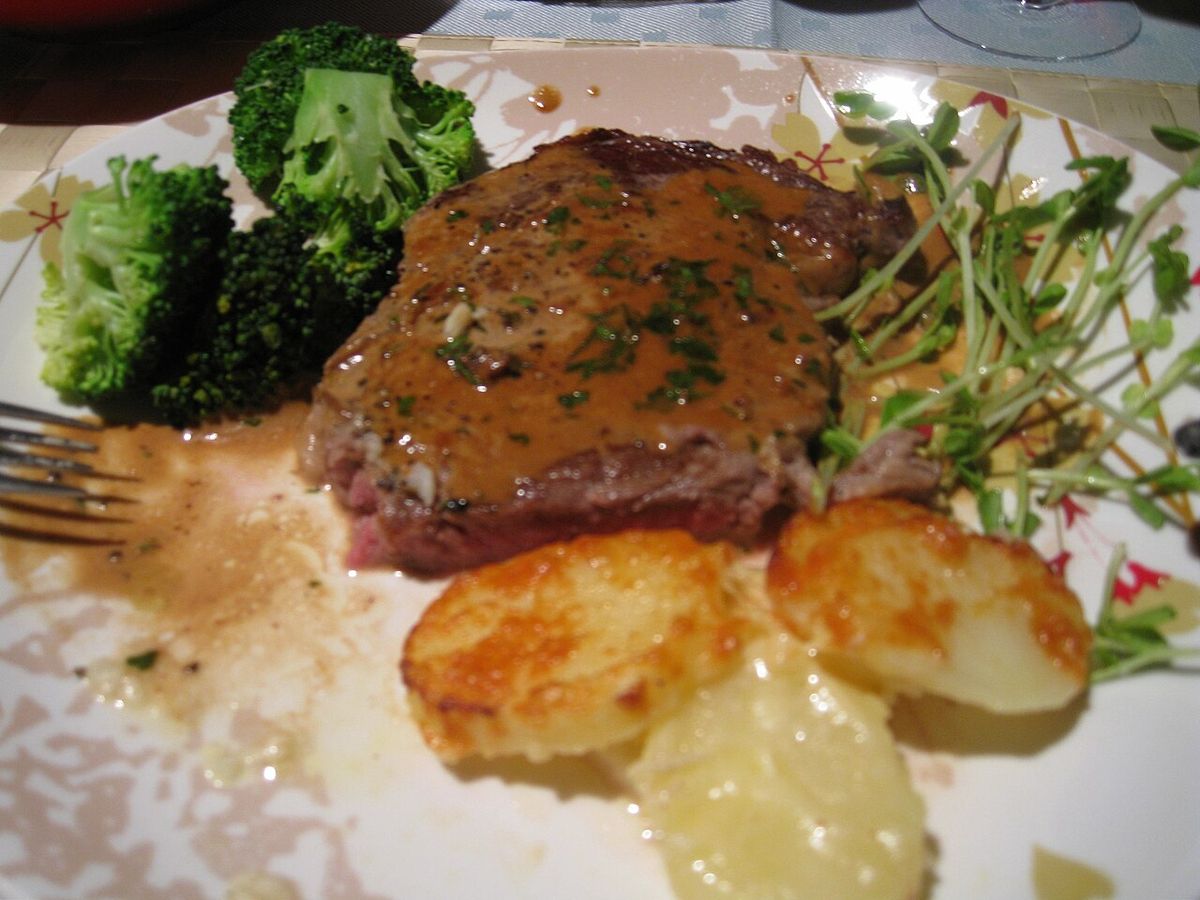
A steak dinner is traditionally composed of the central protein accompanied by starchy sides, vegetables, and often a sauce. The choice of side dish varies by region but commonly includes some form of potatoes, such as french fries (steak frites), mashed potatoes, baked potatoes, or steak fries. In many North American steakhouses, a side salad or cooked vegetables like creamed spinach, asparagus, or green beans are also served. Sauces play a significant role in enhancing flavour, with classics like peppercorn sauce, Béarnaise, bordelaise, and mushroom sauce being frequently offered. In more casual settings, steaks might be served with fried onions, mushrooms, or onion rings. The presentation aims to highlight the steak itself, often served on a warm plate with sides arranged neatly around it, allowing the quality of the beef to remain the focal point of the meal. In the United States, prepared condiments known as steak sauces are generally on the table in steakhouses. In Australia, a complementary choice of side salad or steamed vegetables is commonly offered alongside the steak and potato choice.
Special Designations and Related Dishes
Beyond standard steaks, there are special designations and related dishes that expand the category. USDA beef grades, such as Prime, Choice, and Select, indicate the quality and marbling of the beef, with higher grades typically used in steakhouses. Dry-aging is a process where beef is stored under controlled conditions for several weeks to intensify flavour and improve tenderness. Dishes that are called 'steak' but are not traditional cuts include Salisbury steak, a ground beef patty made with onions and breadcrumbs, also known as hamburger steak. Steak tartare is a dish of finely chopped raw beef fillet mixed with onion, parsley, capers, Worcestershire sauce, and a raw egg. Chicken fried steak and country fried steak are tenderized round or sirloin steaks that are breaded and pan-fried or deep-fried. The Philly cheesesteak is a well-known sandwich of thinly sliced ribeye cooked on a griddle and served on a roll with cheese. Beef Wellington is a preparation where a filet steak is coated with pâté and duxelles, then wrapped in puff pastry and baked.
Questions about Beefsteak
What is the most tender cut of steak?
The most tender cut of steak is filet mignon, which comes from the small end of the tenderloin muscle. This muscle does very little work, resulting in exceptionally tender meat with a fine texture. Other highly tender cuts include the ribeye, known for its marbling and rich flavour, and the strip steak from the short loin. While tender, these cuts are often among the most expensive by weight due to their desirable texture and limited yield per animal. Cuts from the loin and rib, like the porterhouse and T-bone, also contain tender sections of the tenderloin and strip loin.
What does 'medium rare' mean for a steak?
Medium rare is a standard degree of doneness for steak where the interior is warm and has a reddish-pink colour. The core temperature for a medium rare steak is approximately 55°C (131°F). This level of cooking is widely favoured in steakhouses as it balances a seared exterior with a juicy, flavourful, and tender interior. It is generally considered the optimal point to appreciate the natural taste and texture of quality beef without being undercooked or overly dry. The French term for this stage is 'entre saignant et à point'.
How should I cook a steak at home to get a good sear?
To achieve a good sear on a steak at home, start by ensuring the steak surface is dry and seasoned. Preheat a heavy skillet, such as cast iron, over high heat until it is very hot. Add a high-smoke-point oil, then place the steak in the pan. You should hear an immediate, loud sizzle upon contact. Avoid moving the steak for the first few minutes to allow a crust to form. For thicker cuts, you may finish cooking in a preheated oven after searing. This high-heat method creates the Maillard reaction, which produces the complex, browned flavours characteristic of a well-seared steak. The reverse sear method is another effective technique for achieving both perfect doneness and a crust.
What is the difference between a T-bone and a porterhouse steak?
Both T-bone and porterhouse steaks are cut from the short loin and include a T-shaped bone that separates the strip steak on one side from the tenderloin (filet) on the other. The key difference is the size of the tenderloin portion. A T-bone steak is cut from the front and has a smaller tenderloin section. Both are considered premium, large-format steaks suitable for sharing, and they are among the most expensive steaks on a menu due to their size and the inclusion of two premium cuts.
What are some classic sauces to serve with steak?
Classic sauces for steak include peppercorn sauce, made with crushed peppercorns and often brandy or cream. Béarnaise, a rich emulsion of egg yolk, butter, and tarragon. And bordelaise, a red wine reduction with shallots and bone marrow. Mushroom sauce, made with sautéed mushrooms and a demi-glace, is another popular choice. These sauces are typically served on the side to complement, not mask, the flavour of the beef. Simpler accompaniments like compound butter or a red wine reduction are also common in home cooking. In the UK, sauces like Diane are also traditional steakhouse offerings.
What is steak frites?
Steak frites is a classic French and Belgian dish consisting of a steak served with french fries (pommes frites). The steak is typically a cut like entrecôte (ribeye) or strip steak, cooked to preference and often accompanied by a green salad served separately or on the same plate. The dish is a staple of brasseries and bistros and has become popular worldwide. Its simplicity highlights the quality of the beef and the crispness of the fries, with optional sauces like Béarnaise or a simple pat of maître d'hôtel butter. Vegetables are not normally served with the steak in this presentation, aside from the salad.
Sources and further reading
- Beefsteak (Wikipedia)
- 37 Steak Recipes That'll Put Your Favorite Steakhouse To ... (delish.com)
- Beef, It's What's For Dinner (beefitswhatsfordinner.com)
Checked by the Novello Desserts desk. Last updated 2026-10-27.