Capelin
Capelin (Mallotus villosus) is a small, silvery forage fish of the smelt family found across the North Atlantic, North Pacific, and Arctic Oceans. In Canada, the annual spawning migration of capelin to the shores of Newfoundland and Labrador, Quebec, and other Atlantic provinces is a celebrated summer phenomenon known as the 'capelin roll,' drawing communities to beaches for harvesting and celebration. This fish is ecologically vital as a key prey species for Atlantic cod, whales, seals, and seabirds, supporting both marine ecosystems and commercial fisheries. Capelin is also a traditional food source, prepared pan-fried, smoked, or pickled, and its roe (masago) is a valued export product.
Biology and Physical Characteristics
Capelin are small, slender fish with an olive-coloured back that shades to silver on their sides, giving them a distinctive iridescent appearance in the water. Males typically reach a length of 20 centimetres, while females can grow slightly larger, up to 25.2 centimetres. A key physical trait in males is a translucent ridge running along both sides of their bodies, which becomes more pronounced during the spawning season when their ventral sides take on a reddish iridescence. As a species, capelin are classified as r-selected, meaning they have a high reproductive potential and intrinsic population growth rate to offset significant natural mortality. Their closest known relative is the extinct fossil genus Enoplophthalmus, which lived in Europe during the Oligocene and Miocene epochs. The fish are planktivores, feeding primarily in the pelagic zone on a diet of zooplankton including euphausiids (krill), amphipods, and copepods.
The composition of a capelin's diet shifts as it grows, with smaller individuals consuming mostly tiny copepods before transitioning to larger prey like euphausiids as their body and gape size increases. This sufficient abundance of zooplankton is critical for capelin to meet the energy demands of their life cycle, including migration and reproduction. Capelin occupy a similar dietary niche to polar cod, leading to potential interspecific competition for food resources in Arctic waters. Their role as a forage fish is fundamental, transferring energy from plankton to larger predators, which demonstrates their ecological importance. The species exhibits physiological plasticity, capable of both iteroparous (spawning multiple times) and semelparous (dying after spawning) reproductive strategies depending on their specific spawning habitat.
Migration and Spawning Behaviour
Capelin populations undertake extensive seasonal migrations that are closely linked to ocean currents and water masses. In the Barents Sea, capelin migrate during winter and early spring to the coasts of northern Norway and Russia's Kola Peninsula to spawn. Icelandic capelin move inshore in large schools to spawn and then migrate in spring and summer to feed in plankton-rich areas between Iceland, Greenland, and Jan Mayen. Around Iceland, maturing capelin usually undertake northward feeding migrations in spring and summer, with the return migration occurring from September to November, and the spawning migration starting north of Iceland in December. In Canadian waters, the most famous migration is the 'capelin roll,' where massive schools migrate to shallow coastal waters and beaches to spawn, typically between May and July, with peak activity often in mid-June.
The spawning process itself is a unique spectacle. Capelin are one of the few fish species, alongside grunions and grass puffer, that spawn on beaches, actively jumping onto land as far as possible. In Newfoundland and Labrador, this typically occurs on beaches composed of small round rocks or gravel. The majority of capelin are three or four years old when they spawn for the first time. Males migrate directly to the shallow spawning grounds, while females remain in deeper water until fully mature before joining them. Spawning usually happens at night, and after releasing their eggs, females immediately leave the grounds and may survive to spawn again in subsequent years. In contrast, beach-spawning males are almost always semelparous, dying soon after the spawning season ends, with post-spawning mortality rates close to 100 percent.
Capelin are considered facultative spawners, meaning they can select optimal spawning locations based on abiotic factors rather than being genetically programmed for one habitat. Studies of Newfoundland populations show no genetic difference between beach spawners and deep-water spawners. The primary factor influencing habitat selection is temperature, with the optimal range for egg incubation being between 5 and 10 degrees Celsius. Capelin tend to spawn on beaches when deep-water temperatures are below 2 degrees Celsius and spawn in deeper waters when beach temperatures consistently exceed 12 degrees Celsius. When temperatures in both habitats are within the optimal range, spawning occurs in both, a strategy that may increase overall fitness and reproductive success for the population.
The Canadian Capelin Roll and Food Fishery
The annual arrival of capelin on the coasts of Newfoundland and Labrador, Quebec's Gaspé peninsula, and other Atlantic provinces is a deeply ingrained cultural and seasonal event. Known locally as the 'capelin roll,' it marks the beginning of summer and draws thousands of people to beaches like Middle Cove in Logy Bay-Middle Cove-Outer Cove and Holyrood. The event has a festival-like atmosphere, with families gathering for picnics, campfires, and the shared activity of harvesting. People use a variety of methods to collect the fish, including cast nets, dip nets, buckets, and even their bare hands, often wading into the shallow waters to scoop up the wriggling fish. The spectacle also attracts predators, with humpback whales, seabirds, and cod often visible feeding just offshore, adding to the natural drama.
This inshore, food-grade harvest is a traditional subsistence and recreational activity, distinct from the larger commercial fishery. The timing of the roll is unpredictable but is closely monitored by communities, with websites like eCapelin.ca and social media hashtags like #CapelinRoll2026 used to share sightings and locations. The province's connection to the fish is evident in its geography, with over 30 coves across Newfoundland and Labrador named for capelin. For many, the activity is as much about the experience and tradition as it is about the catch, recalling childhood memories of family outings to the beach with buckets and nets. The harvested capelin are used immediately for meals, preserved for later use, or even used as natural fertilizer in gardens.
Capelin is prepared and consumed in numerous traditional ways in Atlantic Canada. Common preparation methods include pan-frying, where cleaned capelin are rolled in seasoned flour and fried in rendered fat pork (scrunchions), butter, or oil, often served with boiled potatoes and homemade bread. Other methods include smoking the fish over a campfire or barbecue, pickling them in a vinegar brine, or salting and drying them for preservation. Fresh capelin must be cleaned and gutted quickly, ideally within 24 hours of capture if refrigerated, before being cooked or frozen. The flavour of the flesh is agreeable and often compared to herring, making it a valued seasonal delicacy for coastal residents.
Commercial Fishery and Management
The commercial capelin fishery in Canada is managed as a key forage species within a multispecies ecosystem approach, recognizing its critical role as the primary food source for Atlantic cod. In the Northwest Atlantic, the fishery is focused on two main stocks in the Newfoundland and Labrador region: NAFO divisions 2J3KL and 3Ps. For the 2026 fishing season, the total allowable catch (TAC) for the combined 2J3KLPs capelin stock is set at 14,533 metric tonnes, a status quo from the 2025 level. This TAC is allocated to various quota areas and fleet sectors based on existing sharing arrangements. The season opening dates are determined in consultation with industry, considering processing sector readiness and quality standards, and remain open as long as commercial quantities are available and quota remains.
The management of the fishery involves close collaboration between industry, scientists, and government. The Fish, Food and Allied Workers Union (FFAW-Unifor), representing the owner-operator fleet, plays a significant role, with its Science Director, Dr. Erin Carruthers, involved in co-constructing research programs with harvesters. The union proposed the price for the 2026 season, which was accepted by the pricing panel at $0.34 per pound for Grade 'A' capelin. Scientific advice on stock status is provided through the Canadian Science Advisory Secretariat (CSAS), which informs the Integrated Fisheries Management Plan. The commercial catch is used primarily for the fish meal and oil industry, but a portion is also processed for human consumption, with the roe (masago) being a particularly high-value product for export, especially to Japan.
The health of capelin stocks can be influenced by complex ecosystem dynamics. In other regions like the Barents Sea, the presence of large quantities of Atlantic herring has been observed to negatively affect capelin, likely through both competition for food and herring predation on capelin larvae. However, good capelin recruitment in some years despite high herring biomass suggests herring are only one factor among many. This complexity shows the importance of the ecosystem-based management approach used for capelin and cod fisheries, which is jointly developed by major resource owners like Norway and Russia in the northeast Atlantic to ensure sustainability.
Global Use and Economic Products
Globally, capelin is utilized for both industrial and culinary purposes. The bulk of the commercial catch is processed into fish meal and fish oil, which are used in aquaculture feed, agricultural fertilizer, and dietary supplements. However, the fish is also appreciated directly as food in several cultures. In Japan, capelin roe, known as masago, is considered a high-value product used extensively in sushi and seafood dishes. Masago is often dyed, frequently with wasabi flavouring and green food colouring, and sold as 'wasabi caviar.' Due to its similar appearance and taste, though with a smaller egg size and less crunchy mouthfeel, masago is frequently commercialized as ebiko and used as a substitute for the more expensive flying fish roe (tobiko).
The table below outlines the primary uses and products derived from capelin. Fish meal and oil represent the main industrial commodity from the global fishery. Masago, or capelin roe, is a high-value export for human consumption, primarily sent to Japanese markets. Whole fresh or frozen capelin are consumed locally in Atlantic Canada, Iceland, Norway, and Russia. Smoked and pickled capelin are regional specialties, particularly in Newfoundland and Labrador where they are prepared as traditional snacks and delicacies.
| Product Type | Primary Use | Key Markets/Notes |
|---|---|---|
| Fish Meal and Oil | Animal feed, aquaculture, fertilizers, supplements | Global industrial commodity. |
| Masago (Roe) | Human consumption (sushi, garnishes) | High-value export, primarily to Japan. Often dyed and flavoured. |
| Whole Fish (Fresh/Frozen) | Human consumption (traditional dishes) | Local markets in Atlantic Canada, Iceland, Norway, Russia. |
| Smoked/Pickled Capelin | Human consumption (snacks, delicacies) | Regional specialty in Newfoundland and Labrador. |
In Atlantic Canada, the commercial capelin fishery focuses on fish meal and oil. The cultural food fishery also remains very important, with locals scooping capelin from beaches in the summer. Fresh, smoked, and pickled capelin are all appreciated as food. This dual role as an industrial commodity and a cultural staple shows the varied value of capelin to different communities.
Ecological Role and Predators
Capelin serves as a crucial component in North Atlantic and Arctic marine food webs, functioning as a primary forage fish that transfers energy from lower trophic levels (zooplankton) to a wide array of apex predators. Its abundance directly influences the health and population dynamics of many commercially and ecologically important species. During their massive spawning migrations, capelin become exceptionally vulnerable and concentrated, providing a critical feeding opportunity for predators. This seasonal bounty supports the lifecycle and migration patterns of numerous marine mammals, birds, and fish, making the capelin roll a key biological event for the entire coastal ecosystem.
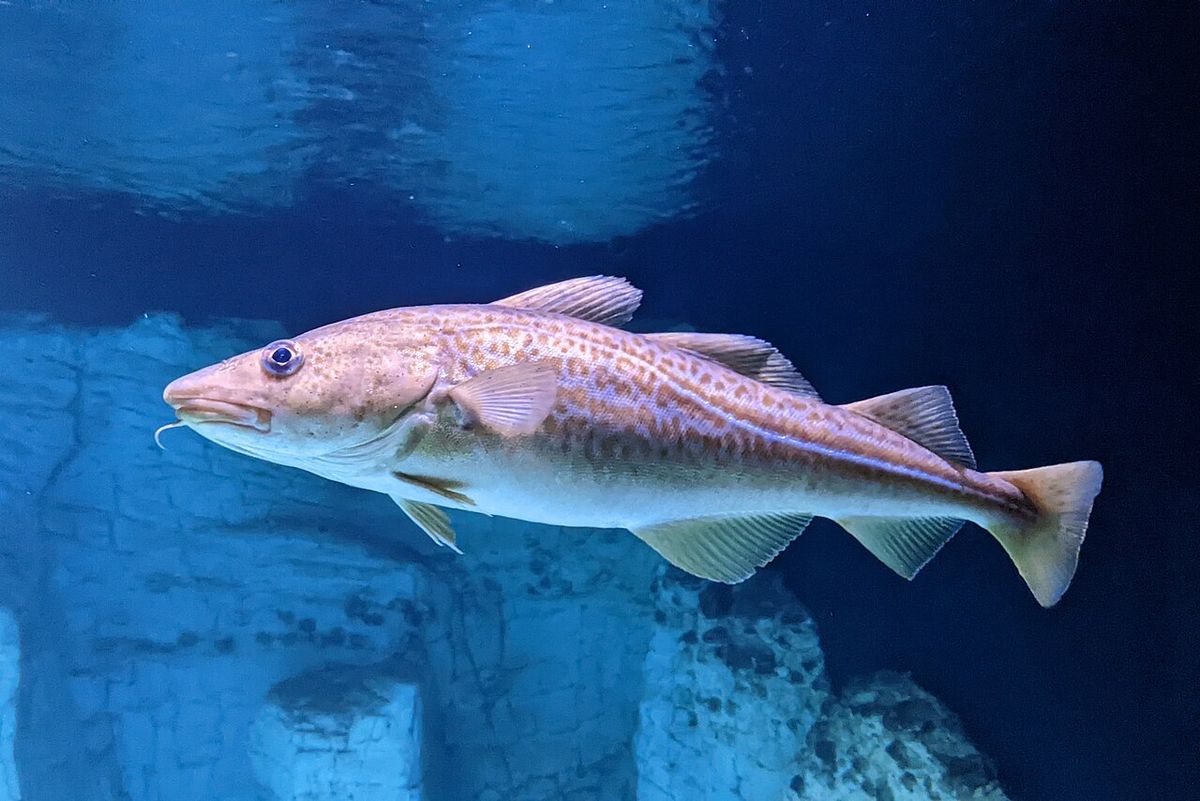
The list of species that prey on capelin is extensive and includes many well-known Canadian marine animals. Major predators of capelin include whales, seals, and Atlantic cod. Squid and seabirds also prey on capelin, especially during the spawning season. Atlantic mackerel is another known predator of this small forage fish.
- Atlantic cod: Capelin is the key food source for cod, and their fisheries are ecologically linked.
- Humpback whales and other baleen whales: Often seen lunge-feeding on capelin schools near shore.
- Harp seals and other seal species.
- Atlantic mackerel and squid.
- Various seabirds, including gulls, puffins, and murres.
The relationship between capelin and Atlantic cod is particularly significant from both an ecological and fisheries management perspective. Collapses in capelin stocks have historically led to declines in cod condition and recruitment, demonstrating a tight predator-prey coupling. This interdependence is why fisheries for both species are often managed under a multispecies or ecosystem approach, as seen in the northeast Atlantic. The capelin's role extends beyond simply being prey. Its spawning behaviour also contributes to nutrient cycling, as the massive die-off of males after beach spawning releases nutrients back into the nearshore environment, benefiting other organisms.
Key Management and Harvest Details for 2026
The management of the Canadian capelin fishery involves specific regulations, quotas, and pricing. For the 2026 season, the total allowable catch (TAC) for capelin in NAFO divisions 2J3KLPs is set at 14,533 metric tonnes. This TAC is status quo from the 2025 level. The price for Grade A capelin in 2026 is $0.34 per pound. Season opening dates are determined in consultation with industry.
- Total Allowable Catch (TAC): The TAC for capelin in NAFO divisions 2J3KLPs is set at 14,533 metric tonnes for 2026.
- Price per Pound: The price for Grade 'A' capelin is $0.34 per pound, as proposed by the FFAW and accepted for 2026.
- Stock Areas: The fishery manages two distinct capelin stocks in eastern and southern Newfoundland and Labrador, identified as 2J3KL and 3Ps.
- Season Timing: Opening dates are determined in consultation with industry, based on quality standards and processor readiness, typically aligning with the natural capelin roll from May to July.
- Management Body: The Fish, Food and Allied Workers Union (FFAW-Unifor) represents the owner-operator fleet and is involved in price setting and collaborative research.
- Scientific Advisory: Stock status assessments are provided by the Canadian Science Advisory Secretariat (CSAS) to inform the Integrated Fisheries Management Plan.
These management parameters reflect a balanced approach considering the biological limits of the capelin population and economic needs. The stability of the total allowable catch from 2025 to 2026 indicates a strategy focused on maintaining harvest levels. Ongoing scientific assessment monitors the health of the stock. The Fish, Food and Allied Workers Union is committed to research supporting healthy fisheries and coastal communities.
Questions about Capelin
When is capelin season in Newfoundland?
Capelin season in Newfoundland and Labrador typically occurs between May and July, with the peak spawning activity, known as the 'capelin roll,' often happening in mid-June. The exact timing varies yearly and is influenced by water temperatures and other environmental factors. Communities monitor beaches closely, and sightings are often shared on websites like eCapelin.ca and through social media hashtags like #CapelinRoll2026. The season marks the beginning of summer and is a time for both recreational harvesting and observing the natural spectacle.
How do you catch capelin during the roll?
During the capelin roll, people catch capelin directly from the shoreline using simple equipment. Common methods include using cast nets or dip nets to scoop fish from the shallow water, or simply using buckets and hands to gather them as they wash onto the beach. Many participants wade into the water wearing rubber boots to get a better position for netting. The activity is often a social and family-oriented event, with a festive atmosphere on popular beaches where people gather to harvest, picnic, and watch for whales feeding offshore.
What is the best way to cook fresh capelin?
A traditional and popular method is pan-frying. The capelin are first cleaned and gutted, then rolled in a mixture of flour, sea salt, and pepper. They are fried in a hot pan with rendered fat pork (scrunchions), butter, or oil until golden brown on each side, which takes only a few minutes. They are often drizzled with lemon juice and served alongside boiled potatoes and fresh homemade bread. Other traditional preparations include smoking them over a campfire, pickling in vinegar brine, or salting and drying for preservation.
What is masago and how is it used?
Masago is the processed roe (eggs) of the capelin. It is considered a high-value seafood product, particularly in Japan, where it is widely used in sushi dishes and as a garnish. The roe is often dyed, frequently with wasabi flavouring and green food colouring, and marketed as 'wasabi caviar.' Due to its similar appearance and taste to flying fish roe (tobiko), masago is commonly used as a more affordable substitute, though the individual eggs are smaller and less crunchy. It is a significant export product derived from the commercial capelin fishery.
Why are capelin important to the ocean ecosystem?
Capelin are a foundational forage fish, playing an essential role in transferring energy from plankton to larger predators. They are a key food source for Atlantic cod, making them critical for the health of that historically vital fishery. They also support whales, seals, seabirds, and other fish species. Their massive spawning migrations provide a concentrated food resource that fuels predator populations. The post-spawning die-off of males on beaches also contributes nutrients to the nearshore environment, supporting broader ecosystem productivity.
How is the commercial capelin fishery managed in Canada?
The commercial capelin fishery in Canadian waters, specifically in NAFO divisions 2J3KL and 3Ps off Newfoundland and Labrador, is managed under an Integrated Fisheries Management Plan with a strong scientific advisory component. For 2026, the total allowable catch (TAC) is set at 14,533 metric tonnes. The TAC is allocated to different quota areas and fleet sectors based on established sharing arrangements. Management involves consultation with industry on season openings, and the fishery is monitored to ensure sustainability, recognizing capelin's role as a key forage species for cod and other predators. The Fish, Food and Allied Workers Union (FFAW) is involved in price setting and collaborative research.
Sources and further reading
- Capelin (Wikipedia)
- Pan Fried Capelin | Traditional Newfoundland Recipe (bonitaskitchen.com)
- Capelin Prices 2026 (ffaw.ca)
- Capelin in NAFO Divisions 2J3KLPs 2026 (dfo-mpo.gc.ca)
- The annual Capelin Roll, a glittery, spectacular pop-up ... (newfoundlandlabrador.com)
Checked by the Novello Desserts desk. Last updated 2026-10-29.