Ginger ale
Ginger ale is a carbonated soft drink flavoured with ginger, consumed on its own or as a mixer in cocktails. Its creation is deeply tied to Canada, with the popular dry style invented by Canadian pharmacist John J. McLaughlin, who patented it as Canada Dry Ginger Ale in 1907. The beverage holds cultural significance as a traditional home remedy for nausea and a versatile ingredient in both drinks and modern recipes. Its crisp, refreshing taste has made it a staple in Canadian pantries and a symbol of domestic innovation in the soft drink industry.
Origins and Canadian Innovation
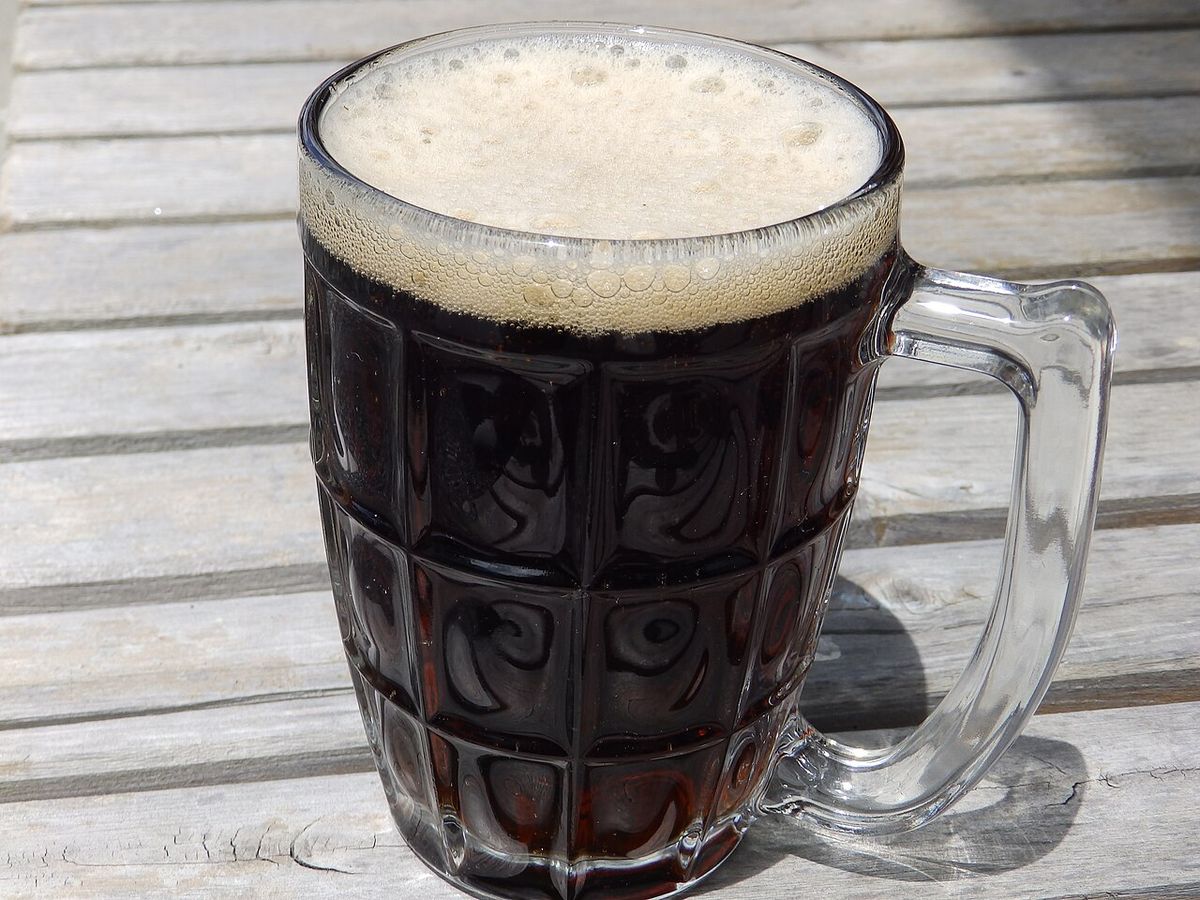
The history of ginger ale begins with two distinct styles. The original golden style was created in Belfast, Ireland, in the 1850s by apothecary Thomas Joseph Cantrell. This version was a fermented, dark coloured drink with a strong ginger spice flavour, marketed locally as a soft drink. The dry style, which would become globally popular, is a Canadian invention. Chemist and pharmacist John J. McLaughlin, who had established a soda water bottling plant in Toronto in 1890, began developing flavour extracts in 1904. That year, he introduced "Pale Dry" Ginger Ale, a paler, milder beverage that was patented in 1907 as Canada Dry Ginger Ale. McLaughlin's product was a significant success, earning the honour of being accepted by appointment to the Vice Regal Household of the Governor General of Canada. The dry style's crisp, clean taste made it particularly popular in the United States during Prohibition, where it was widely used as a mixer to mask the taste of bootlegged spirits.
Production and Ingredients
Traditional ginger ale is produced through fermentation, using a starter culture like yeast or a ginger bug, which is a slurry of ginger, sugar, and water that cultivates natural bacteria and wild yeast. This process creates natural carbonation and can result in trace amounts of alcohol, though modern commercial versions are typically non alcoholic. Commercial ginger ale, in contrast, is usually made by carbonating chilled water with added carbon dioxide. The flavour profile is built from a proprietary blend that often includes sugar or high fructose corn syrup, along with natural or artificial ginger flavour. Other common ingredients are lemon, lime, and cane sugar, with occasional use of pineapple or honey. The specific blend of spices and fruits is often kept secret by manufacturers, listed on labels simply as "natural flavouring."
Comparison with Ginger Beer
While often confused, ginger ale and ginger beer are different beverages with distinct histories and characteristics. Ginger beer originated in England in the 1800s as an alcoholic brew, while ginger ale emerged later in Ireland. Modern ginger beer is brewed and fermented, often with a ginger beer plant culture containing Lactobacillus, which gives it a cloudy appearance, a stronger, spicier ginger taste, and sometimes a very low alcohol content below 0.5 percent. Ginger ale, particularly the dry Canadian style, is clear, carbonated, and has a much mellower, sweeter ginger flavour with no alcohol. The difference is also evident in their use, with ginger beer often preferred for its robust flavour in cocktails like the Moscow Mule, while ginger ale is a more versatile mixer and standalone soft drink.
Culinary and Mixology Uses
Ginger ale is primarily consumed as a refreshing soft drink but is equally important as a mixer in classic cocktails such as the Whisky Ginger or the Dark and Stormy when combined with dark rum. It is also commonly used as a non alcoholic substitute for champagne or beer in theatrical productions and social gatherings due to its similar appearance. Beyond beverages, ginger ale has found a place in modern Canadian cooking. It is used in recipes like ginger ale crêpes with chocolate chips and has been successfully adapted as a cooking liquid, notably in a 2026 recipe remake for "Soda Can Chicken," where it tenderizes the meat and adds a subtle sweet flavour. Its versatility extends to punches and shandies, where it is mixed with beer.
Nutritional Profile and Home Remedy Use
Commercially produced ginger ale is generally high in sugar, containing approximately 10 grams per 100 millilitres, which contributes to its sweet taste and calorie content. Despite this, it is often considered acceptable for clear liquid diets prescribed before certain medical procedures. For centuries, ginger ale has been employed as a traditional home remedy, particularly for soothing indigestion and alleviating nausea. This medicinal association stems from the properties of ginger root itself, though the concentration of actual ginger in commercial sodas can be low. Consumers seeking the potential digestive benefits of ginger often look for brands with higher ginger content or turn to homemade versions where the ginger levels can be controlled.
Major Brands and Market Presence
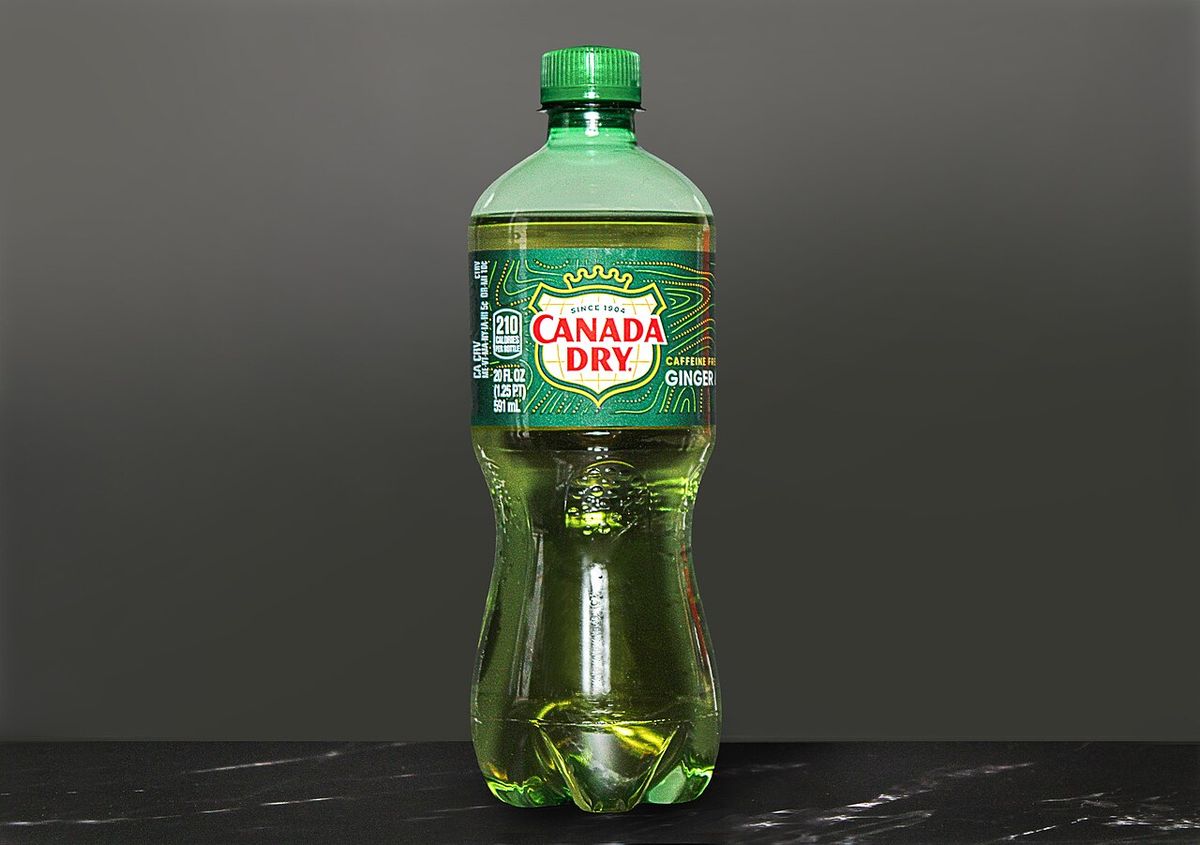
The ginger ale market features prominent brands associated with each style. Major brands of the golden style, known for their darker colour and stronger flavour, include Vernors, Blenheim, and Buffalo Rock in the United States, and Sussex Golden Ginger Ale in Canada. The dry style is dominated by Canada Dry, a brand with deep Canadian roots, along with Seagram's and Schweppes. Vernors, originating in 1866 in Detroit, holds the distinction of being the first American soft drink and is notable for being aged in oak barrels. These brands are widely distributed across North America and internationally, with variations like mint flavoured or green tea mixed ginger ale introduced to cater to evolving consumer tastes.
Homemade Preparation
Making ginger ale at home allows for control over ingredients and sweetness, avoiding artificial flavours and excess sugar. A common method involves creating a ginger syrup by simmering peeled, sliced fresh ginger root with sugar and water, sometimes infused with herbs like rosemary. This concentrated "ginger water" is then cooled and mixed with simple syrup and club soda just before serving to create individual glasses of the beverage. Another traditional method uses a ginger bug starter, where grated ginger and sugar are combined and left to ferment for several days, cultivating natural yeasts before being added to a sugar solution to create a naturally fermented, lightly effervescent drink. These homemade versions typically offer a more pronounced, fresh ginger flavour compared to their commercial counterparts.
Questions about Ginger ale
Who invented ginger ale?
Ginger ale has two inventors for its two main styles. The golden style was invented in the 1850s in Belfast, Ireland, by an Irish apothecary and surgeon named Thomas Joseph Cantrell. The dry style, which is the most common type today, was invented by Canadian chemist and pharmacist John J. McLaughlin. He developed his "Pale Dry" Ginger Ale in 1904 and patented it as Canada Dry Ginger Ale in 1907.
What is the difference between ginger ale and ginger beer?
Ginger ale and ginger beer differ in production, taste, and appearance. Ginger beer is brewed and fermented, often resulting in a cloudy drink with a strong, spicy ginger flavour and sometimes a very small amount of alcohol. Ginger ale, especially the dry Canadian style, is clear, carbonated, and has a much milder, sweeter ginger taste with no alcohol. Ginger ale is also generally less robust and used as a more versatile mixer.
Can you cook with ginger ale?
Yes, ginger ale is a versatile cooking ingredient. Beyond being a drink, it is used in modern recipes such as ginger ale crêpes. It also works well in savoury applications, like the popular "beer can chicken" method, where a can of ginger ale is placed inside a chicken during roasting. The soda's mild acidity helps tenderize the meat, while its sugar content aids in caramelization and adds flavour.
What are the most popular brands of ginger ale in Canada?
The most well known and popular brand of ginger ale in Canada is Canada Dry, which was invented in the country. Another Canadian brand is Sussex Golden Ginger Ale. Internationally known brands like Schweppes and Seagram's, which also have historical Canadian connections, are widely available. American brands such as Vernors are also found in the Canadian market.
Why is ginger ale considered good for an upset stomach?
Ginger ale has a long history as a home remedy for indigestion and nausea, primarily due to the properties of its namesake ingredient, ginger. Ginger root contains compounds that can help soothe the digestive tract. However, the actual ginger content in many commercial ginger ales is relatively low, and the high sugar content may not be beneficial. For medicinal purposes, homemade ginger ale or ginger tea often provides a more potent dose of ginger.
Is there alcohol in ginger ale?
Modern commercial ginger ale typically contains no alcohol. This is distinct from traditional ginger ale, which is fermented from a microbial starter culture like yeast or a ginger bug, a process that produces ethanol as a byproduct. However, this alcohol content in traditional versions can be controlled by modifying the fermentation time. In contrast, original ginger beer from the 1800s contained about 11 percent alcohol, but modern ginger beer usually contains less than 0.5 percent alcohol. The main commercial production method for ginger ale involves artificial carbonation of water with flavourings, not fermentation, which ensures the final product is non alcoholic.
Sources: Wikipedia and current public reporting, checked by the Novello Desserts desk. Last updated 2026-10-23.