Jell-O
Jell-O is an American brand of powdered gelatin dessert, pudding, and no-bake pie mixes, best known for its fruit-flavoured gels that set into a wobbly, colourful treat. The original gelatin dessert began in Le Roy, New York, in 1897 when Pearle Bixby Wait registered the trademark. The product became a mainstream staple in North American households throughout the 20th century, celebrated for its affordability, ease of preparation, and versatility in both sweet and savoury dishes. The brand, now owned by Kraft Heinz and based in Chicago, Illinois, has expanded to include over 110 products, from instant puddings to ready-to-eat cups. As of 2011, over 420 million boxes of Jell-O gelatin and over 1 billion Jell-O cups were sold annually in the United States, maintaining its status as a familiar part of the continent's food culture.
Product Description and Varieties
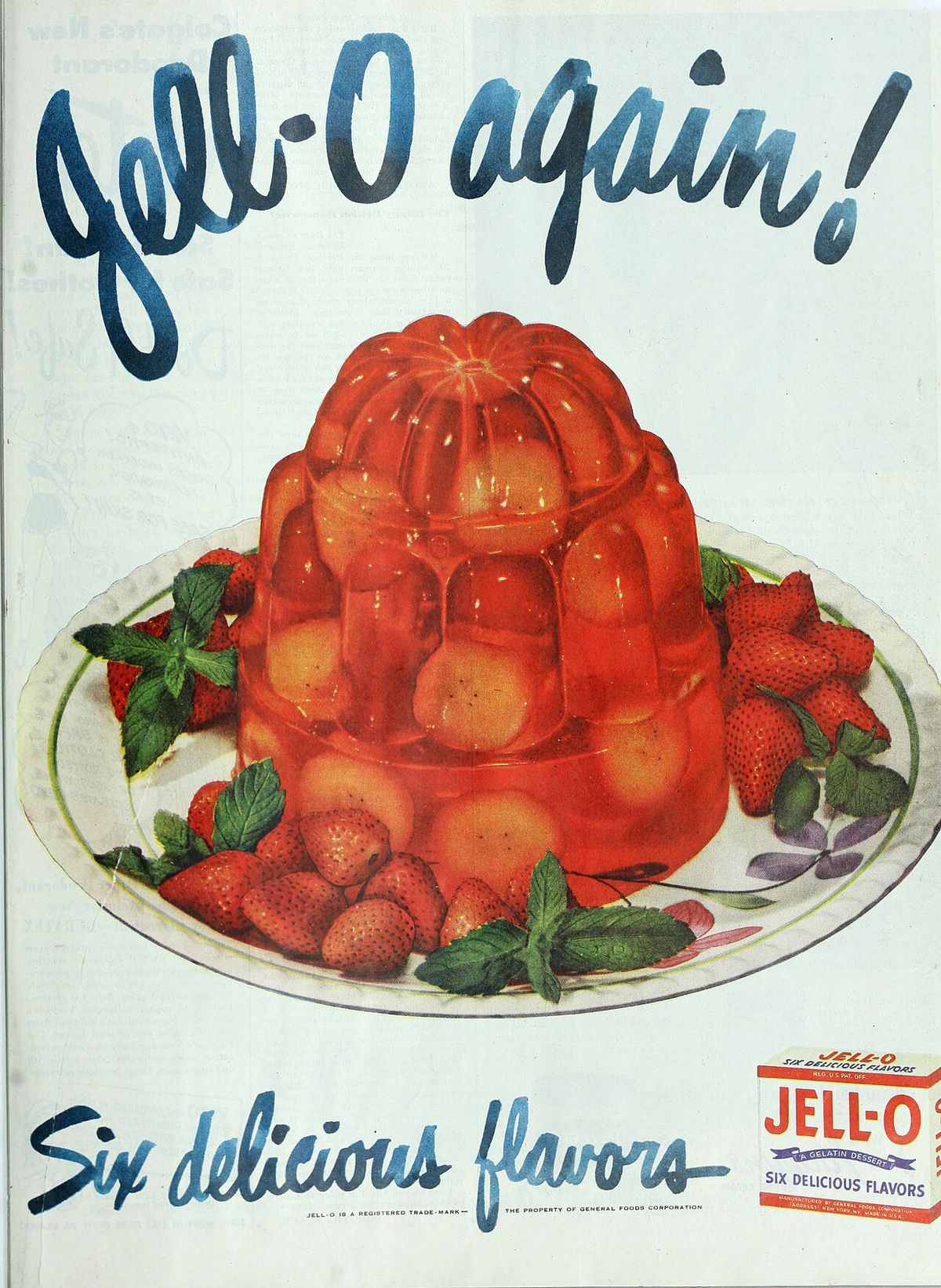
Jell-O is sold in two primary forms: as a powder to be dissolved in hot water and then chilled, or as a prepared, ready-to-eat dessert. The classic gelatin powder contains granulated gelatin, flavourings, and sugar or artificial sweeteners, which when mixed with boiling water and cooled forms a semi-solid gel. This basic preparation can be enhanced with additions like fresh fruit, vegetables, or whipped cream and set in decorative molds to create elaborate snacks and centrepieces. Beyond gelatin, the Jell-O brand encompasses a wide range of pudding products, including both cooked and instant varieties that are mixed with milk. The instant pudding sets without cooking, while the cooked version requires heating on a stovetop. For pie fillings, these same pudding mixes are prepared with less liquid to achieve a thicker consistency suitable for a crust.
The brand's flavour portfolio has evolved dramatically since its inception. The original 1897 offering included just four flavours: strawberry, raspberry, orange, and lemon. Over the decades, the company has introduced and retired numerous flavours in response to culinary trends. The 1930s saw the introduction of lime to complement savoury salads, while chocolate pudding debuted in 1936. The mid-20th century brought waves of new fruit flavours like apple, black cherry, grape, and tropical fruit. Some experimental savoury flavours, such as celery, mixed vegetable, and seasoned tomato, were launched in the 1950s but have since been discontinued. In the modern era, flavours like watermelon, blueberry, cranberry, and margarita have been added to the lineup.
Specialized product lines have also been a consistent feature of the brand's expansion. In 1966, Jell-O launched its "No-Bake" dessert line, enabling quick creations like cheesecake. Jell-O 1•2•3, a gelatin dessert that separated into three distinct layers as it set, was introduced in 1969 but was later discontinued. The brand also ventured into mousse-style desserts with Jell-O Whip 'n Chill and frozen novelties like Jell-O Pops. A significant development was the 1984 introduction of Sugar-Free Jell-O, sweetened with NutraSweet, which replaced the earlier artificially sweetened D-Zerta line from 1923. As of 2016, over 110 distinct products are sold under the Jell-O brand name.
Historical Development
The story of Jell-O begins with the broader history of gelatin, a protein derived from animal collagen that has been used in desserts since the 15th century. Gelatin was popularized in the Victorian era but was time-consuming to prepare from sheets. A key moment came in 1845 when industrialist Peter Cooper patented powdered gelatin, making the ingredient far more accessible. The Jell-O brand itself was born in 1897 in Le Roy, New York, when carpenter and cough syrup manufacturer Pearle Bixby Wait trademarked the name. Wait and his wife, May, created the product by adding fruit flavourings to a mixture of sugar and granulated gelatin. Struggling to market it, Wait sold the trademark to Orator Francis Woodward's Genesee Pure Food Company in 1899.
Under Woodward's ownership, Jell-O transitioned from a minor novelty to a household name through aggressive and innovative marketing. Beginning in 1902, advertisements were placed in the Ladies' Home Journal . A major breakthrough came in 1904 when the company dispatched salesmen to distribute free Jell-O cookbooks, a pioneering tactic that greatly increased brand awareness. The company expanded its reach by launching the brand in Canada and adding new flavours like cherry, peach, and a short-lived chocolate gelatin. Celebrity testimonials from figures like actress Ethel Barrymore and artwork by illustrators such as Maxfield Parrish further bolstered the brand's image.
The Great Depression and World War II era solidified Jell-O's place in American and Canadian kitchens. The 1930s saw a vogue for congealed salads, prompting the introduction of lime flavour. A major marketing coup was securing comedian Jack Benny as a spokesperson in 1934. His top-rated radio program, The Jell-O Program Starring Jack Benny, featured the five-note "J-E-L-L-O" jingle written by bandleader Don Bestor. The post-war baby boom drove sales to new heights as marketers promoted Jell-O as an easy, prepackaged food for young families. The 1960s introduced the enduring slogan "There's always room for Jell-O," positioning it as a light dessert. However, sales began to decline in the following decades as eating habits changed.
A significant turnaround began in the 1980s when marketing executive Dana Gioia led a revival strategy. The team rediscovered "Jigglers", concentrated gelatin snacks eaten as finger food, from old cookbooks and launched a massive campaign featuring comedian Bill Cosby as spokesperson. Cosby, who had begun representing the brand in 1974, helped introduce new products like Sugar-Free Jell-O and Jell-O Pops over his nearly thirty-year tenure. The campaign was a huge success, reversing the sales decline. In 1990, General Foods merged into Kraft Foods Inc. The brand has continued to evolve with new flavours, updated packaging designs in 2023, and even ventures into branded merchandise like an inflatable furniture series launched in 2024.
Culinary Uses and Cultural Significance
Jell-O's primary culinary role has been as a base for both desserts and salads, a duality that reflects mid-20th-century North American food trends. Sweet preparations often involved moulding the gelatin with fruits like bananas, mandarin oranges, or maraschino cherries, and combining it with ingredients such as marshmallows, nuts, or even vanilla pudding. One recipe, simply titled "Good Salad," mixed vanilla and tapioca pudding with pineapple, mandarin oranges, and orange gelatin. Savoury applications, known as congealed salads or aspics, were equally popular, especially from the 1930s through the 1950s. These dishes frequently included ingredients like cabbage, celery, green peppers, cream cheese, and even tomato soup, suspended in lemon or lime gelatin.
Certain fruits cannot be used with standard gelatin because they contain proteolytic enzymes that break down the proteins, preventing the mixture from setting. These include fresh pineapple, papaya, kiwifruit, and ginger root. However, the enzyme in pineapple juice, bromelain, can be inactivated by adding a small amount of capsaicin from hot chilies without heavily cooking and altering the juice's flavour. The classic Jell-O mold, which requires a specialized mold, remains a well-known method of presentation, allowing for the suspension of chopped fruits, nuts, and other ingredients in a decorative, translucent form.
In popular culture, Jell-O has been referenced in music, comedy, and even scientific parody. The 1936 song "A Fine Romance" by Dorothy Fields and Jerome Kern humorously references Jell-O as something mundane. In 1980, composer William Bolcom wrote the satirical song "Lime Jello Marshmallow Cottage Cheese Surprise," poking fun at the era's gelatin salads. The brand's family-friendly image was occasionally contrasted with adult-oriented uses like Jell-O shots and Jell-O wrestling in the late 1980s and early 1990s. Also, the rock group originally named Green Jellö was forced to change its spelling to Green Jellÿ after a trademark lawsuit from Kraft Foods.
- 1936: Mentioned in the popular song "A Fine Romance."
- 1980: Satirized in William Bolcom's "Lime Jello Marshmallow Cottage Cheese Surprise."
- 1992: Ivette Bassa wins an Ig Nobel Prize in chemistry for inventing blue Jell-O.
- 1990s: Green Jellÿ band changes name due to trademark lawsuit.
- Late 1980s/1990s: Jell-O shots and wrestling gain notoriety.
The Jell-O Belt and Mormon Culture
Jell-O holds a unique and pronounced cultural significance in the Mormon community, particularly within the Intermountain West region of the United States, often colloquially termed the "Jell-O Belt." This association is rooted in high per-capita consumption and the dish's frequent appearance at church functions, family gatherings, and potluck dinners. Jell-O salads, often made with added fruits, vegetables, or whipped topping, became a staple of Mormon cuisine, valued for their affordability, ease of preparation for large groups, and bright, cheerful appearance. The connection is so strong that in 2001, the Utah State Senate officially recognized Jell-O as a favourite snack food of Utah.
The 2001 legislative recognition came after a concerted effort by Utah citizens to "Take Back the Title" of highest per-capita Jell-O consumption, which had briefly been lost to Des Moines, Iowa, in 1999. The resolution noted the longstanding high consumption rates in Utah and cited campaigning by Brigham Young University students as part of the push. Governor Michael O. Leavitt subsequently declared an annual "Jell-O Week." This cultural link was further cemented during the 2002 Winter Olympics in Salt Lake City, where one of the official souvenir pins featured a depiction of green Jell-O, presenting the state's distinctive culinary icon to an international audience.
Manufacturing and the Jell-O Museum
While the Jell-O brand is headquartered in Chicago under Kraft Heinz, its manufacturing and historical roots are tied to specific locations. The product was first developed and originally manufactured in Le Roy, New York. The Genesee Pure Food Company operated a plant there until 1964, when General Foods closed the facility and moved production to Dover, Delaware. Today, the primary plant producing ready-to-eat Jell-O gelatin and pudding cups for the American market is located in Mason City, Iowa. This facility ensures a steady supply of the pre-prepared snacks that constitute a significant portion of modern sales.
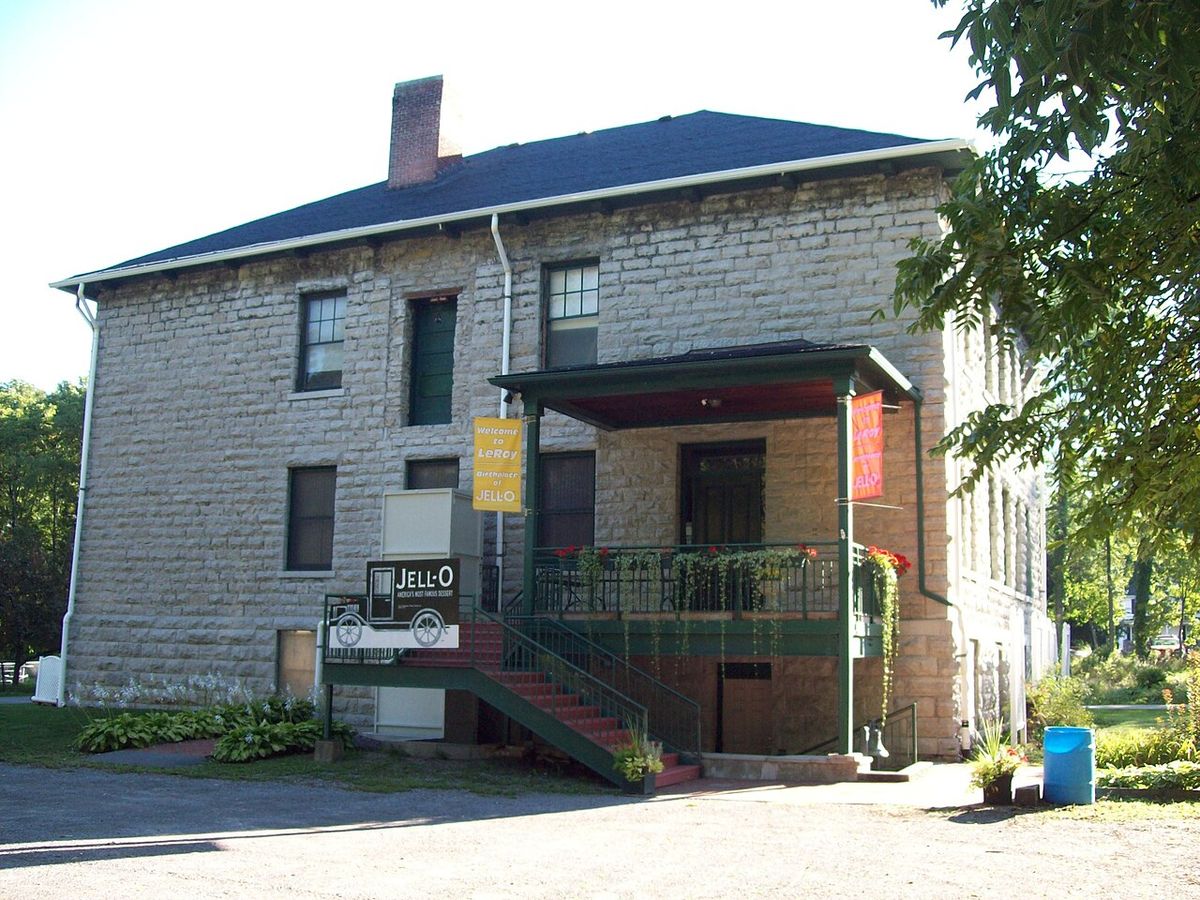
Le Roy maintains its claim as the birthplace of Jell-O and is home to the world's only Jell-O museum, known as the Jell-O Gallery. Operated by the Le Roy Historical Society, the museum is housed in the Le Roy House and Union Free School, a building listed on the National Register of Historic Places in 1997. Visitors to the museum can trace the dessert's history from its 1897 origins, view early advertising art, and see historical starting materials for gelatin like sturgeon bladder and calves' hooves. A distinctive feature in the town is the Jell-O Brick Road on East Main Street, with paving stones inscribed with the names of former factory employees, creating a literal path through the brand's local history.
Advertising and Spokespersons
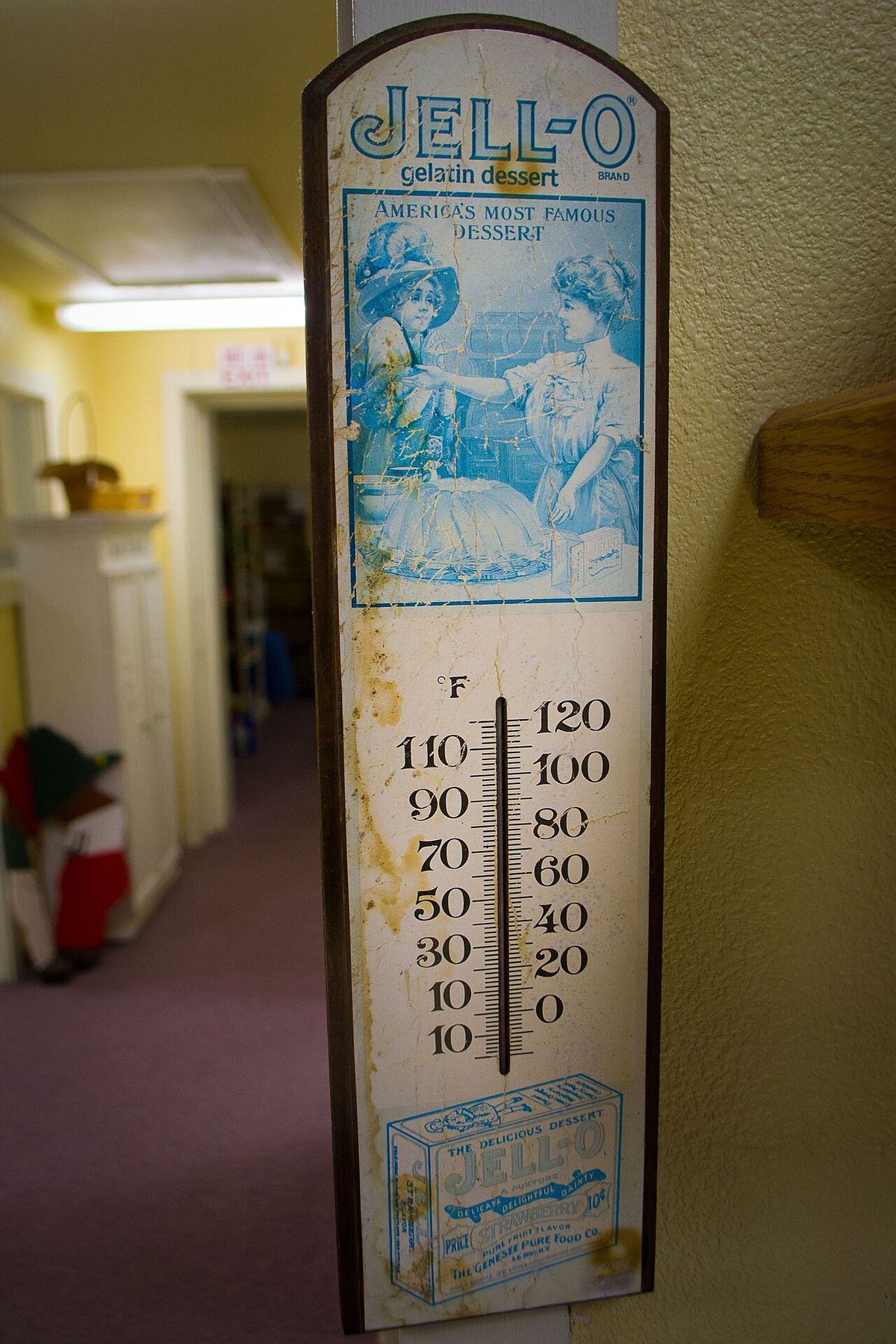
Jell-O's rise to prominence is inextricably linked to its pioneering and persistent advertising campaigns. The first major print campaign, directed by William E. Humelbaugh and later Frank LaBounty, appeared in the Ladies' Home Journal in 1904, featuring recipes and colour illustrations. These ads were so successful that they created high demand for the magazines themselves. The campaign featured work by renowned artists like Rose O'Neill, Maxfield Parrish, and Norman Rockwell. Illustrator Franklin King frequently used his daughter Elizabeth as a model, making her the recognizable "Jell-O Girl" for a generation of consumers.
The advent of radio brought Jell-O into homes in a new way. In 1934, comedian Jack Benny's top-rated program began its sponsorship, with announcer Don Wilson weaving Jell-O promotions into the show to Benny's feigned annoyance. This program originated the famous five-note "J-E-L-L-O!" jingle. Another popular radio show, My Favorite Husband starring Lucille Ball, was also sponsored by Jell-O starting in 1949. Ball would often open the program with the cheerful greeting, "Jell-O, everybody!" Television continued this tradition, with cast members from Hogan's Heroes and The Lucy Show appearing in commercials during the 1960s.
The most famous and longest-serving spokesperson was comedian Bill Cosby, who began representing the brand in 1974. Cosby was central to the marketing resurgence in the 1980s and 1990s, appearing in numerous commercials for gelatin and pudding and helping launch products like Jell-O Jigglers and Jell-O Pops. His association lasted almost thirty years, ending in 2014 following serious personal accusations. Later marketing efforts have included an animated series titled "JELL-O Wobz" released in 2018 and a comprehensive brand redesign in 2023 that introduced a bolder logo and hyper-realistic images of its products.
- 1904: First major print ad campaign in Ladies' Home Journal.
- 1949: Lucille Ball's My Favorite Husband radio show sponsored by Jell-O.
- 1964: Slogan "There's always room for Jell-O" introduced.
- 1974 to 2014: Bill Cosby serves as primary spokesperson.
- 1995: "It's alive!" tagline used.
- 2023: Brand receives a major visual redesign.
Jell-O Shots
An alternative and popular preparation of gelatin is the Jell-O shot, where a portion of the liquid added to the dissolved gelatin powder is replaced with an alcoholic beverage. Typically, one-third to one-half of the total liquid is alcohol, with the remainder being cold water. The mixture is then poured into small cups or shot glasses and chilled until set. Vodka and rum are common choices for their relatively neutral flavours, but almost any liquor or combination can be used. It is crucial to adjust the ratio of alcohol to water, as using pure alcohol will prevent the gelatin from setting because the proteins cannot denature properly in alcohol alone. They require hot water to dissolve initially.
The creation of Jell-O shots is often credited to American singer-songwriter Tom Lehrer, who claimed to have invented them in the 1950s to circumvent alcohol restrictions at an army base. However, an earlier recipe for an alcoholic gelatin punch dates to 1862 in Jerry Thomas's bartending guide, How to Mix Drinks. Thomas's "Punch Jelly" used isinglass (a form of gelatin) with cognac, rum, and lemon juice, and he noted the strength of the punch was "artfully concealed" by the gelatin. This characteristic remains relevant today, as the alcohol in Jell-O shots is absorbed more slowly by the body, potentially leading individuals to underestimate their consumption, necessitating careful monitoring of intake.
Sales and Market Presence
Jell-O has experienced significant fluctuations in sales and market relevance over its long history. The brand enjoyed peak popularity from the 1930s through the 1950s, becoming a ubiquitous item in North American refrigerators. However, from the 1960s through the 1980s, sales steadily declined as family structures changed, lifestyles became faster-paced, and prepared foods faced more competition. A 1986 market study found that mothers with young children, once a core demographic, were rarely purchasing Jell-O. The marketing turnaround led by Dana Gioia and spearheaded by Bill Cosby in the late 1980s and early 1990s reversed this trend, resulting in significant market gains.
As of 2011, over 420 million boxes of Jell-O gelatin powder and over 1 billion ready-to-eat Jell-O cups were sold annually in the United States. The brand's portfolio had expanded to include more than 110 distinct products by 2016. While some classic dishes like elaborate moulded salads may now be considered special-occasion foods, products like pudding cups and sugar-free gelatin maintain consistent everyday sales. The brand continues to innovate with new flavours and marketing initiatives, such as the 2024 launch of an inflatable furniture collection, ensuring its continued presence in the competitive snack and dessert market.
| Period | Market Trend | Key Driver |
|---|---|---|
| 1960s-1980s | Steady sales decline | Changing family dynamics, faster lifestyles |
| Late 1980s-1990s | Major sales turnaround | Bill Cosby campaign, rediscovery of Jigglers |
Questions about Jell-O
Who invented Jell-O?
Jell-O was invented by Pearle Bixby Wait, a carpenter and cough syrup manufacturer from Le Roy, New York. In 1897, Wait and his wife, May, created the product by adding strawberry, raspberry, orange, and lemon flavourings to a mixture of sugar and granulated gelatin, which had been patented by Peter Cooper in 1845. Wait trademarked the name "Jell-O" but struggled to market it successfully, leading him to sell the trademark to Orator Francis Woodward's Genesee Pure Food Company in 1899. It was Woodward's company that, through innovative advertising, turned Jell-O into a nationally recognized brand.
Why is Jell-O so popular in Utah?
Jell-O is exceptionally popular in Utah and among members of the Church of Jesus Christ of Latter-day Saints, leading to the nickname "Jell-O Belt" for the region. This popularity stems from its affordability, ease of preparation for large groups, and its role as a staple at church potlucks and family gatherings. In 2001, the Utah State Senate officially recognized Jell-O as a favourite snack food, noting the state's historically high per-capita consumption. The designation was partly a response to a campaign to "Take Back the Title" after Des Moines, Iowa, briefly surpassed Utah in Jell-O consumption in 1999.
What fruits cannot be added to Jell-O?
Fresh pineapple, papaya, kiwifruit, and ginger root cannot be successfully used in standard Jell-O because they contain active enzymes called proteases. These enzymes break down the gelatin proteins, preventing the mixture from setting properly. For pineapple, the specific enzyme is bromelain. It is possible to use these fruits if they are first cooked (canned pineapple is fine, as the canning process inactivates the enzyme), or, in the case of pineapple juice, by adding a small amount of capsaicin from hot chilies to neutralize the enzyme without cooking, which can alter the flavour.
What is a Jell-O shot and how is it made?
A Jell-O shot is a party snack made by replacing a portion of the water in a Jell-O recipe with an alcoholic spirit, typically vodka or rum. The standard method involves dissolving the gelatin powder in boiling water, then adding cold alcohol and water (usually in a ratio where alcohol makes up one-third to one-half of the total liquid) before chilling the mixture in small cups until set. It is not possible to use pure alcohol alone, as the gelatin requires hot water to dissolve properly. The alcohol is contained within the gelatin matrix, leading to slower absorption in the body, so consumers must be cautious to avoid overconsumption.
Where is the Jell-O museum?
The only Jell-O museum in the world, called the Jell-O Gallery, is located in Le Roy, New York, the town where the dessert was invented. The museum is operated by the Le Roy Historical Society and is housed in the Le Roy House and Union Free School, a building listed on the National Register of Historic Places. Visitors can explore the history of the brand, view vintage advertising art, and see historical gelatin ingredients. Outside, the Jell-O Brick Road, with stones inscribed with former factory employees' names, leads visitors to the museum on East Main Street.
What happened to Bill Cosby's association with Jell-O?
Bill Cosby's association with Jell-O ended when he was dismissed as the brand's spokesperson in 2014 due to serious personal accusations. He had served as the primary spokesperson for Jell-O for almost thirty years, beginning in 1974. During his tenure, Cosby was central to a highly successful marketing campaign that revived the brand's declining sales. He helped introduce and promote numerous products including Jell-O pudding, Jell-O Jigglers, Sugar-Free Jell-O, and Sparkling Jell-O. His long running role made his face and voice synonymous with the brand for generations of consumers.
Sources and further reading
- Jell-O (Wikipedia)
- Jell-O Salad Recipes (tasteofhome.com)
- 5 Minute Jello Salad with Cream Cheese (mamagourmand.com)
Checked by the Novello Desserts desk. Last updated 2026-10-23.