Lobster roll
A lobster roll is a classic North American seafood sandwich featuring cooked lobster meat served on a grilled hot dog bun. The dish is a culinary staple of the Atlantic coast, with two primary regional styles: the Maine style, which features chilled lobster meat lightly dressed with mayonnaise, and the Connecticut style, where warm lobster is drenched in melted butter. In Canada, lobster rolls are a celebrated seasonal offering, particularly in the Maritimes, where lobster fishing is a major industry, and appear on menus from roadside shacks to national restaurant chains during the summer months. The simple yet luxurious sandwich encapsulates the taste of summer for many Canadians and is a focal point at coastal festivals and community gatherings.
Origins and disputed history
The invention of the lobster roll is a matter of regional pride and historical debate. According to the Encyclopedia of American Food and Drink, the dish originated as a hot item at a restaurant named Perry's in Milford, Connecticut, as early as 1929. This claim is often cited for the Connecticut style of lobster roll. However, other culinary historians, such as chef and professor Branden Lewis, posit that the concept was developed earlier by English and Portuguese fishermen and sailors. Lewis credits Perry's specifically with popularizing the Connecticut style version. By the 1970s, the practice of serving chopped lobster meat heated in drawn butter on a hot dog bun was well established at well-known roadside stands like Red's Eats in Maine. The dish's strong association with the state of Maine developed alongside its popularity throughout New England and on Eastern Long Island, all regions with active lobster fisheries. The National Geographic article presenting Lewis's claim also notes that Perry's is credited specifically with the Connecticut style version of the roll, leaving the door open for other, earlier origins.
The two primary styles
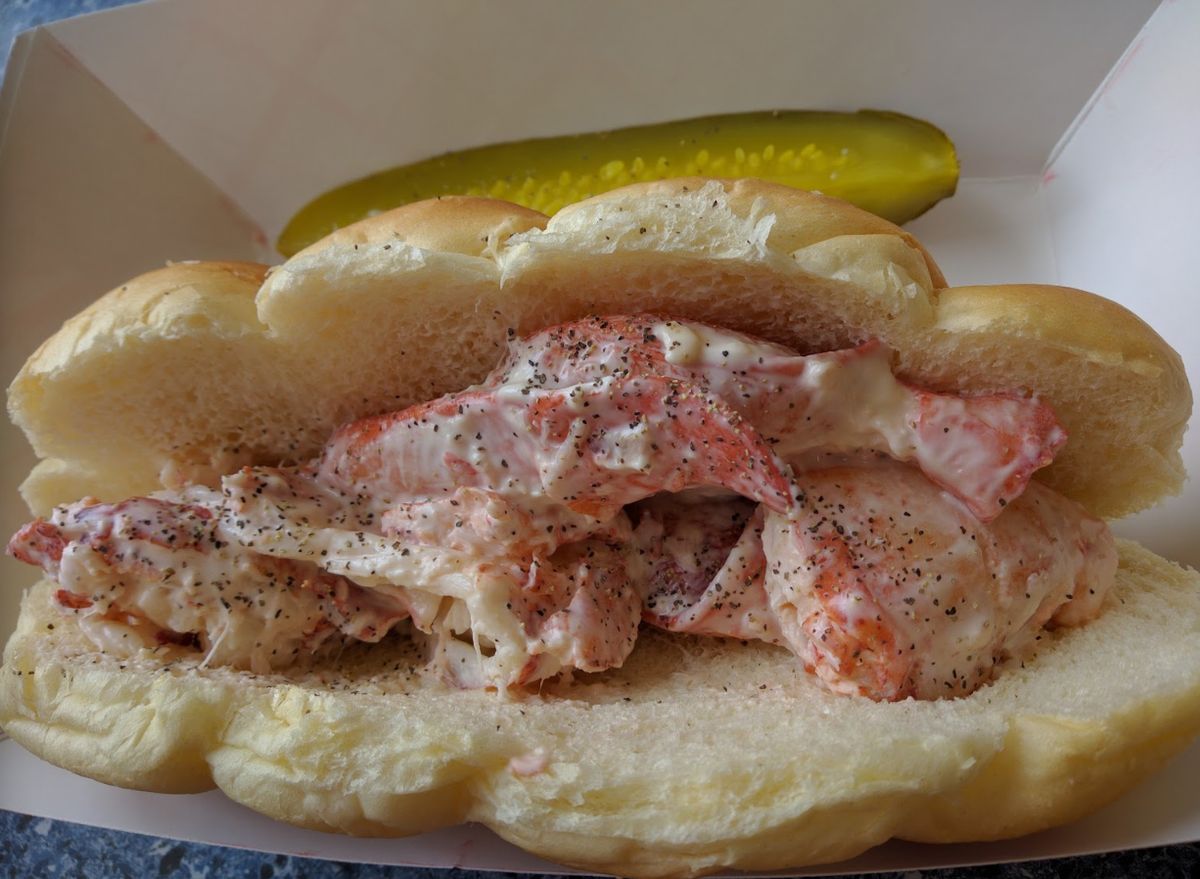
The lobster roll universe is broadly divided into two distinct regional preparations, each with a devoted following. The Maine style lobster roll is characterized by chilled lobster meat that is lightly tossed with mayonnaise before being piled into a bun. Some purist preparations may simply spread a small amount of mayonnaise inside the bun and fill it with plain, cold lobster. The Connecticut style lobster roll features warm lobster meat that is sautéed or warmed in drawn butter and served without any mayonnaise. This version highlights the pure, sweet flavour of the lobster enriched by the butter. While named for these two states, both styles are commonly found throughout New England, and the terms have become shorthand for the preparation method rather than a strict geographic indicator. The core simplicity of both styles ensures the lobster itself remains the star of the sandwich. In practice, restaurants in Connecticut may serve the mayonnaise-based version, sometimes called a lobster salad roll, and establishments in Maine often offer the buttered version, demonstrating the fluidity of these regional labels.
Ingredients and preparation techniques
At its heart, a lobster roll requires only a few key components: high-quality lobster meat, a soft bun, and a simple dressing of either butter or mayonnaise. For the lobster, cooks typically use about one pound of meat for four to six rolls, sourced from the claws, knuckles, and tail. The meat can be freshly steamed or boiled from live lobsters, or purchased pre-cooked and frozen. For Maine style rolls, the chilled lobster is gently combined with a scant amount of good-quality mayonnaise, often augmented with fresh lemon juice and zest for brightness. Common additions, though sometimes controversial among purists, include finely diced celery for crunch and chives or green onion for a mild onion flavour. For Connecticut style, the lobster meat is gently warmed in melted butter in a skillet for just two to four minutes to avoid overcooking, then seasoned lightly with salt and pepper. The choice of bun is critical. The classic vessel is a split-top New England-style hot dog bun, which is buttered on the sides and toasted on a griddle until golden. Brioche or Hawaiian buns are also popular modern alternatives for their soft, buttery texture. Some recipes suggest slicing away a thin margin of the bun's sides before toasting to expose more of the crumb to the butter.
Key considerations for preparing an excellent lobster roll include the debate over whether to use butter or mayonnaise. The Maine style lobster roll is typically served cold with mayonnaise, while the Connecticut style is served warm with melted butter. Some recipes advocate for using both butter and mayonnaise to combine the best elements of each style. The simplicity of the dish means the quality of the lobster meat and the bun are paramount.
- Use a light hand with mayonnaise, about a scant quarter cup per pound of meat, to avoid a gloppy dressing that overpowers the lobster.
- Warm lobster meat briefly for Connecticut style to keep it tender and prevent toughness, stirring constantly to coat in butter.
- Toast the bun thoroughly in butter to add richness and prevent sogginess from a watery dressing.
- Cut the lobster meat into generous, bite-sized chunks rather than mincing it finely, with some presentations leaving claw meat whole.
- Season simply with salt, pepper, and lemon, allowing the natural sweetness of the lobster to shine.
- For a hybrid approach, some modern recipes warm the lobster in butter first before combining it with a light mayonnaise dressing.
Proper sourcing of lobster is a key factor. Options include purchasing live lobsters from markets, having them shipped, or using frozen pre-cooked lobster meat that includes knuckle, claw, and tail meat. For a humane cooking process, it is recommended to sedate lobsters by freezing them for 15 to 30 minutes before boiling or to dispatch them with a sharp knife before steaming. Cooking methods typically involve boiling or steaming the lobster.
Lobster rolls in Canada
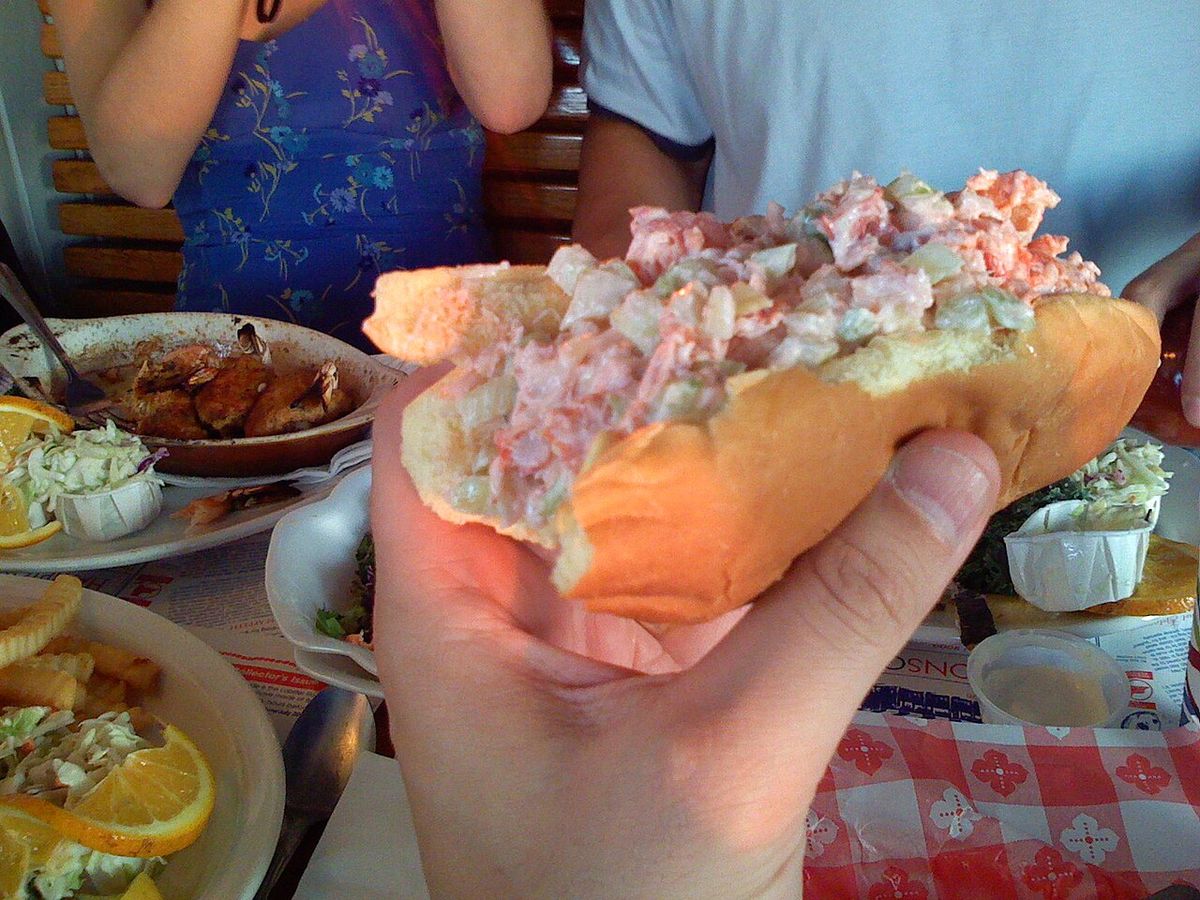
In Canada, lobster rolls are a beloved seasonal treat, especially in the Atlantic provinces where the lobster fishery is a major part of the economy and culture. They are a common sight at seafood shacks, local diners, and restaurants in Nova Scotia, New Brunswick, Prince Edward Island, and Newfoundland and Labrador during the summer months. Notably, McDonald's restaurants in provinces like Nova Scotia and Ontario have occasionally offered lobster rolls as a limited-time summer menu item, introducing the regional specialty to a broader national audience. The sandwich's popularity peaks at coastal festivals, most famously the Shediac Lobster Festival in New Brunswick, which has engaged in friendly competition for the world's longest lobster roll record. These events celebrate the community's connection to the lobster industry and turn the humble sandwich into a focal point of local tourism and pride. The dish's presence from fine dining to fast food illustrates its broad appeal across Canadian culinary landscapes, making it a classic summer food for many.
Record-breaking rolls and festival culture
The lobster roll has transcended its role as a simple sandwich to become a symbol of community celebration and competitive spirit, particularly in Eastern Canada. A notable manifestation of this is the pursuit of the world record for the longest lobster roll. In 2016, the Shediac Lobster Festival in New Brunswick set a new record with a 106.3-foot roll, overtaking a previous 75.4-foot record held by the Prince Edward Island Fishermen's Association. The PEI association quickly reclaimed the record with a 119.8-foot roll, only to be surpassed by a restaurant in New Hampshire with a 159.4-foot roll. Not to be outdone, the Shediac Lobster Festival retook the title decisively in 2017 by constructing a massive 180-foot lobster roll. These record attempts draw large crowds and media attention, highlighting the cultural and economic importance of lobster to the region. The festivals surrounding these events, complete with live music, cooking demonstrations, and family activities, solidify the lobster roll's status as a culinary staple of Canadian summer. The back-and-forth nature of the record captures a playful rivalry between communities proud of their seafood heritage, with each attempt drawing more visitors and attention to the local lobster industry.
Serving and consumption
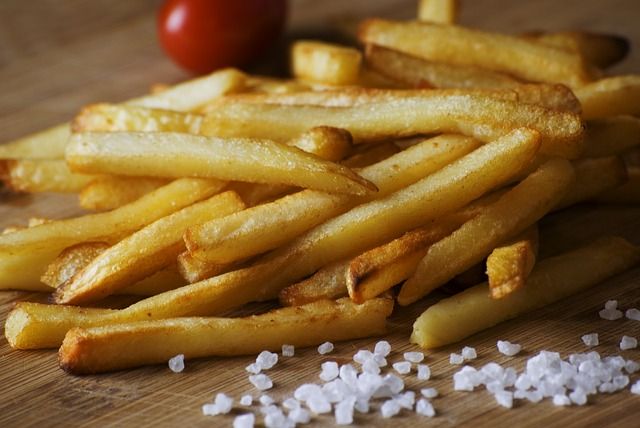
Lobster rolls are typically served as a handheld sandwich, often accompanied by classic, casual side dishes. A bag of potato chips or a portion of French fries is the most traditional and common pairing. The sandwich is inherently informal, evoking the atmosphere of a seaside picnic or a casual lunch at a dockside eatery. It is considered a warm-weather dish, with peak consumption occurring during the summer months and especially on holidays like Canada Day and Labour Day. For many, the experience of eating a lobster roll is deeply tied to its environment. The ideal setting is outdoors, near the water, where the smell of the ocean complements the taste of the seafood. The sandwich is designed to be eaten relatively quickly after preparation to appreciate the contrast between the warm, buttery toast of the bun and the cool (or warm), seasoned lobster filling. Proper storage is also simple. Leftover cooked lobster meat or prepared salad can be kept in an airtight container in the refrigerator for up to three days. The dish is often presented with a lemon wedge on the side, as the acidity of lemon juice is considered an excellent complement to the rich seafood, and it should be served immediately after assembly for the best texture and flavour.
Cultural significance and modern variations
Beyond its ingredients, the lobster roll holds significant cultural weight as an emblem of New England and Atlantic Canadian coastal life. It represents the bounty of the sea and a tradition of straightforward, quality-focused cooking. The ongoing debate between mayonnaise and butter adherents is a lighthearted but passionate culinary rivalry that engages food enthusiasts across North America, often compared to debates over pizza styles or the best movies. While the classic preparations remain paramount, modern chefs and home cooks sometimes experiment with variations, such as using pretzel buns or adding fresh herbs like tarragon or dill to the dressing. Some contemporary recipes even advocate for a 'best of both worlds' approach, incorporating both melted butter and a light mayonnaise dressing into a single recipe. Despite these innovations, the enduring appeal of the lobster roll lies in its foundational simplicity. It continues to be a dish that transports people, with just one bite, to the nostalgic feeling of a summer day by the shore. The recipe's adaptability ensures it remains a relevant and cherished dish, whether served at a family barbecue or a dedicated lobster festival, and its simplicity allows the quality of the lobster to be the definitive factor in its success.
Recipe details and cooking methods
Preparing lobster rolls at home involves specific techniques to achieve the desired texture and flavour. For cooking live lobster, the two primary methods are boiling and steaming. Boiling is convenient for cooking multiple lobsters at once and makes the meat easier to remove from the shell. Steaming, which involves cooking the lobster over, not in, boiling water, is noted for yielding more tender and flavourful meat and carries less risk of overcooking. Before cooking, ethical considerations for humane preparation include sedating lobsters by freezing them for 15 to 30 minutes or using a sharp knife for quick dispatch. Once cooked, the meat is removed from the tail, knuckles, and claws. For the dressing in a Maine style roll, recommended mayonnaise brands include Hellmann's, Duke's, Cains, or Stonewall Kitchen, used sparingly to bind the meat without dominating it. A typical dressing might combine mayonnaise with lemon juice, lemon zest, finely diced celery, and chives. For the Connecticut style, the process involves melting butter, brushing it on the bun for toasting, then using the remaining butter in the skillet to warm the lobster meat for three to four minutes. The goal is to coat the meat thoroughly and warm it through without further cooking it, which can make it tough. Many recipes emphasize that the first bite, when the bun is still warm and the lobster is perfectly dressed, is the most important part of the experience.
| Preparation Aspect | Maine Style Details | Connecticut Style Details |
|---|---|---|
| Lobster State | Chilled, cooked | Warmed, cooked |
| Primary Dressing | Light mayonnaise, lemon | Melted butter only |
| Common Add-ins | Celery, chives, lemon zest | Chives, salt, pepper |
| Bun Preparation | Buttered and griddled | Buttered and griddled |
| Serving Temperature | Cold | Warm |
| Typical Garnish | Extra chives | Lemon wedge |
The recipe's simplicity means success hinges on the quality of a few ingredients: fresh lobster, good butter or mayonnaise, and a soft, toasted bun. Home cooks are advised to avoid overdressing the meat with mayonnaise and to ensure the bun is adequately toasted to hold the filling without becoming soggy. Classic preparation involves using a split top, New England style hot dog bun that is buttered and toasted. The lobster meat should be the star of the dish, with seasonings like lemon juice, salt, and pepper used sparingly.
Questions about Lobster roll
What is the difference between a Maine lobster roll and a Connecticut lobster roll?
The primary difference lies in the dressing and serving temperature. A Maine style lobster roll features chilled lobster meat lightly dressed with mayonnaise, often with a touch of lemon and celery. A Connecticut style lobster roll consists of warm lobster meat coated in melted butter and contains no mayonnaise. The Maine version is typically served cold, while the Connecticut version is served warm. In practice, you may find both styles on menus in either state, with the Maine style sometimes called a lobster salad roll.
Where did the lobster roll originate?
The exact origins are disputed. One common claim credits Perry's restaurant in Milford, Connecticut, with inventing the hot lobster roll around 1929. Other food historians, like chef Branden Lewis, suggest the concept may have been developed earlier by English and Portuguese fishermen and sailors. The dish became widely popular at roadside stands in New England, like Red's Eats in Maine, by the 1970s, solidifying its association with the region. The National Geographic article notes Perry's is specifically credited with the Connecticut style version.
What is the world record for the longest lobster roll?
The record for the longest lobster roll has been contested. In 2016, the Shediac Lobster Festival in New Brunswick made a 106.3 foot roll, overtaking a previous record. The Prince Edward Island Fishermen's Association then made a 119.8 foot roll. A restaurant in New Hampshire later made a 159.4 foot roll. The Shediac Lobster Festival took the record back in 2017 with a 180 foot lobster roll.
What kind of bun is used for a traditional lobster roll?
The traditional bun is a split-top New England-style hot dog bun. This bun is distinctive for having a flat, split top rather than a side split. It is typically buttered on the sides and toasted on a griddle until golden brown to add richness and a crispy texture that contains the lobster filling. Soft brioche or Hawaiian buns are also popular modern choices. Some recipes suggest slicing a thin layer off the sides of the bun before toasting to create more surface area for butter and a better texture.
What are common side dishes served with a lobster roll?
Lobster rolls are almost always served with simple, casual side dishes that complement the sandwich without overshadowing it. The most traditional and common accompaniments are potato chips or French fries. The meal is meant to be informal and portable, often evoking the feeling of a picnic or a quick lunch at a seaside stand. The simplicity of the sides ensures the lobster remains the focal point of the meal.
Can you get lobster rolls in Canada?
Yes, lobster rolls are available in Canada. McDonald's restaurants in Canadian provinces, such as Nova Scotia and Ontario, sometimes offer lobster rolls as a seasonal item in the summer. The dish is also associated with festivals and records in the Maritime provinces, such as the Shediac Lobster Festival in New Brunswick. This festival famously created a 180 foot lobster roll in 2017 to set a world record. The presence of lobster rolls in Canada highlights the dish's broader North American popularity beyond its New England origins. Seasonal availability at major chains indicates its recognition as a summertime treat in certain regions.
Sources and further reading
- Lobster roll (Wikipedia)
- The BEST Lobster Rolls (With Both Butter AND Mayonnaise) (foodiecrush.com)
- Best Lobster Rolls Recipe, How to Make a Lobster Roll (delish.com)
- Maine Lobster Rolls (stripedspatula.com)
Checked by the Novello Desserts desk. Last updated 2026-10-29.