Pancake
A pancake is a flat, batter-based bread, typically thin and round, cooked on a hot surface like a griddle or frying pan. Its composition and style vary dramatically across global cuisines, from the thin crêpes of France to the thick, fluffy versions common in North America. In Canada, pancakes are a standard breakfast food, often served with maple syrup, butter, and fresh fruit, and are found in diners, family kitchens, and cultural festivals. The dish's versatility allows it to be enjoyed sweet or savoury, at any time of day, and its historical roots trace back to prehistoric societies.
Historical Origins and Development
The history of the pancake stretches back millennia, with archaeological evidence suggesting prehistoric societies consumed early forms of the dish. The Ancient Greeks made pancakes called tagenites, referenced in the works of 5th-century BC poets like Cratinus and Magnes. These were composed of wheat flour, olive oil, honey, and curdled milk, typically served for breakfast. Another Greek variety, staitites, was made from spelt flour and topped with honey, sesame, and cheese, as noted by Athenaeus in his Deipnosophistae. The Ancient Romans had their own version known as alia dulcia, meaning 'other sweets', though these were quite different from modern pancakes. The English term 'pancake' first appeared in the 15th century, solidifying its place in European culinary lexicon. The dish's fundamental appeal across eras lies in its simple, staple ingredients and straightforward cooking method, allowing for endless regional adaptations.
Ingredients and Basic Preparation Methods
Pancakes are fundamentally a starch-based batter bread, with a core mixture of flour, eggs, and a liquid such as milk or water. The choice of flour, from standard wheat to buckwheat, rice flour, or gram flour, defines key characteristics of the final product. The use of a leavening agent like baking powder or baking soda is what distinguishes thick, fluffy North American and Scottish pancakes from their thinner, unleavened counterparts like English pancakes or French crêpes. Buttermilk is often used in place of regular milk to impart a distinctive tangy flavour, creating buttermilk pancakes common in Scotland, Ireland, and the United States. The batter is poured or ladled onto a preheated, lightly greased cooking surface such as a griddle, frying pan, or specialized appliance like a crepe maker or æbleskiver pan. Cooking is brief, requiring only a minute or two per side until bubbles form on the surface and the edges appear set, resulting in a golden-brown exterior. Commercially prepared dry mixes and frozen pancakes, such as those from the Eggo brand, offer convenient alternatives to homemade preparation, with mixes available in many countries.
Global and Regional Varieties in Africa and the Middle East
African and Middle Eastern pancakes encompass a diverse range of flatbreads and batter-based foods. In the Horn of Africa, injera is a yeast-risen flatbread with a spongy texture, traditionally made from teff flour and serving as a national dish in Ethiopia and Eritrea. It acts as food, utensil, and plate, used to scoop up stews known as wat or with salads during fasting periods. In Somalia and Yemen, a similar flatbread is called canjeero, lahooh, or lahoh, often eaten with honey, ghee, and tea or with curry and stew for lunch. Kenyan pancakes are similar to thin English pancakes or French crepes, eaten for breakfast as a sweet alternative to bread with sugar already added to the batter. In South Africa, a pancake refers to a crêpe, known as a pannekoek in Afrikaans, traditionally prepared on gas stoves and eaten on cold, wet days with cinnamon sugar and sometimes lemon juice. Plaatkoekies are South African American-style 'silver dollar' pancakes. Uganda has kabalagala, banana pancakes made from very ripe ndizi bananas and cassava flour, served for breakfast or as a snack, with a steamed version called ebwanga. In Pakistan, the rishiki is a slightly thick pancake made from whole wheat flour, water, and eggs, usually served with honey and a staple of Chitrali cuisine in the far north.
Varieties Across Asia and Oceania
Asian pancakes display immense variety in ingredients, preparation, and purpose. In China, pancakes are generally made from dough rather than batter and can be savoury or sweet, often served as a side with duck or as a snack topped with scallions and hot and sour sauce. Japan offers okonomiyaki, a savoury pancake made from flour, egg, cabbage, and various ingredients, oyaki stuffed with anko or vegetables, and dorayaki, a sandwich of Western-style pancakes with sweet red bean paste. The Japanese also created a soufflé-style pancake cooked in rings, which is taller and fluffier than American pancakes. Korea has savoury buchimgae and jeon, bindae-tteok made from mung beans, and sweet filled hotteok. Indian cuisine includes numerous styles such as cheela in the north, made from gram flour or wheat, and dosa, appam, neer dosa, and uttapam in the south, made from fermented rice and lentil batter. In Assam, pitha are types of pancakes served during Bihu, while in Bengal, pati-shapta is stuffed with coconut or milk. In Western India, the multi-grain thalipeeth is popular, and in Goa, alle belle is a crêpe filled with jaggery and coconut. In Southeast Asia, banana pancakes have become a menu staple on the backpacker trail through Thailand, Cambodia, and Vietnam, known as the Banana Pancake Trail. Indonesia has serabi, a pancake made from rice flour and coconut milk served with coconut sugar syrup (kinca), and many other types like burgo, dadar gulung, and martabak. The Philippines features salukara, a baked glutinous rice pancake, and savoury okoy made with shrimp and pumpkin or sweet potatoes.
- Dosa (India): A thin, crispy fermented pancake from rice and urad bean batter.
- Okonomiyaki (Japan): A savoury cabbage pancake cooked on a griddle.
- Bánh xèo (Vietnam): A crispy turmeric-infused rice flour pancake.
- Serabi (Indonesia): A rice flour and coconut milk pancake with kinca syrup.
- Chataamari (Nepal): A savoury rice pancake topped with meat or eggs, called Newari Pizza.
- Hotteok (Korea): A sweet pancake filled with brown sugar, honey, and nuts.
- Pek Nga/Lempeng Kelapa (Malaysia): A savoury coconut pancake served with curry or rendang.
- Bein mont (Myanmar): A baked rice flour pancake with jaggery, coconut, and seeds.
European Pancake Traditions and Specifics
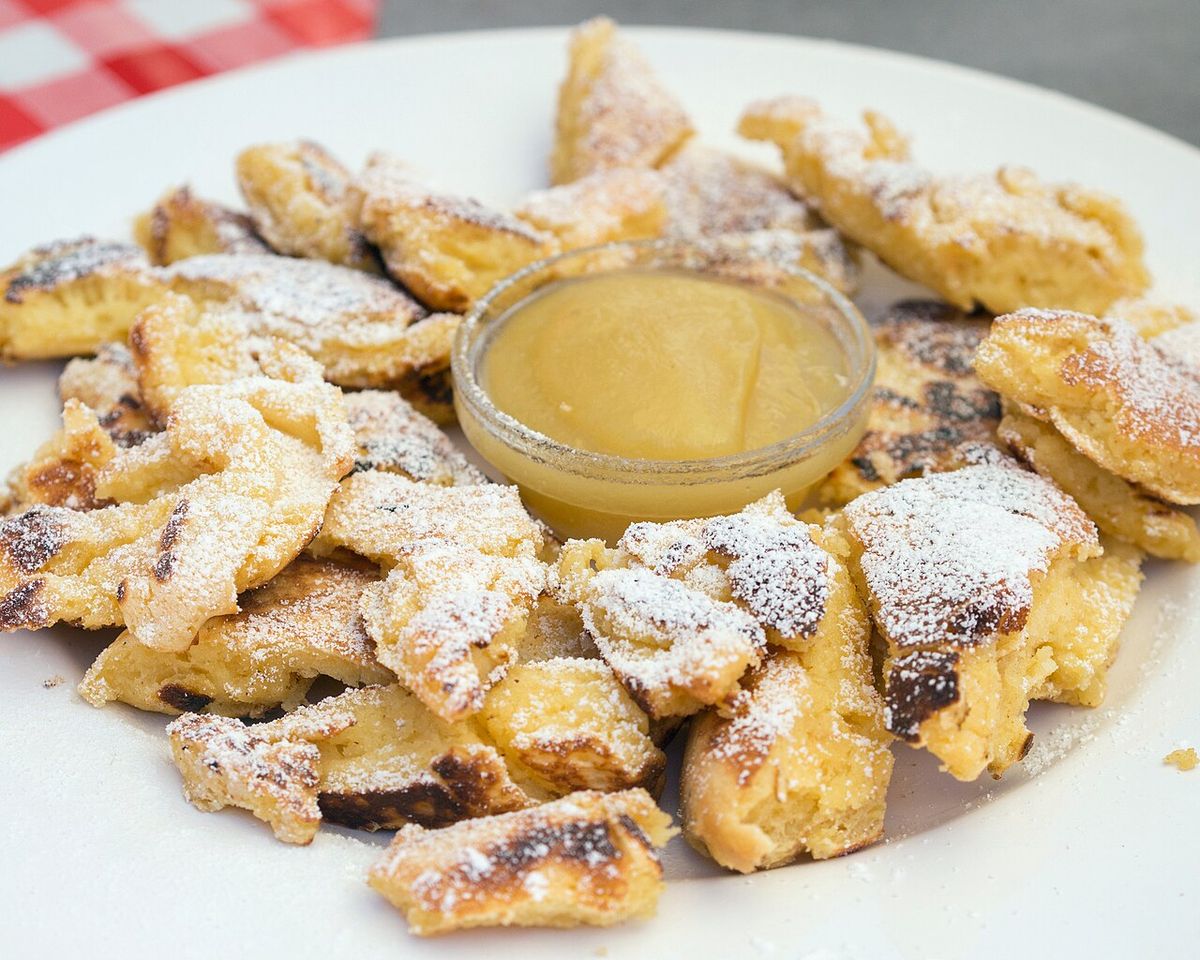
European pancake traditions are deeply rooted and varied. In France, Belgium, Switzerland, and Portugal, crêpes are thin pancakes made from plain flour, milk, and eggs, served with sweet fillings like fruit and jam or savoury fillings like cheese and ham. In Italy, a similar dish is called crespella or scrippella, and the country also has pizzelle waffle cookies and Tuscan brigidini. Central and Eastern Europe feature the palatschinke (Austria), palačinka (Czech Republic, Slovakia, former Yugoslavia), or clătită (Romania), a thin pancake whose name derives from the Latin 'placenta', typically filled with apricot, plum, or apple jam, chocolate sauce, or hazelnut spreads like Eurokrem or Nutella. Austria is known for Kaiserschmarrn, a shredded pancake including raisins, almonds, and apple jam. Eastern Slavic cuisines have blini or mlynci, thin yeasted pancakes often made with buckwheat flour and historically symbolizing the sun during pre-Christian times, and blintzes or nalysnyky, thin crêpes filled with jam, quark, meat, or vegetables. Small thick pancakes are called oladyi or oladky, and syrniki are made from quark. Denmark has æbleskiver, spherical pancakes cooked in a special cast iron pan and turned with a skewer, served with berry jam and powdered sugar. Finland offers lettu, lätty, or ohukainen, thin fried pancakes eaten as dessert, and pannukakku, an oven-baked pancake. Ålandspannkaka is an extra thick oven pancake from Åland with cardamom and rice pudding. Sweden has plättar, very small thick pancakes. The United Kingdom associates thin, unleavened pancakes with Shrove Tuesday, where they are traditionally served with lemon and sugar.
| Variety | Region | Key Characteristics |
|---|---|---|
| Crêpe | France/Belgium | Very thin, unleavened, versatile sweet/savoury fillings |
| Blini | Russia/Ukraine | Thin, yeasted, often buckwheat, symbol of sun |
| Palačinka | Central Europe | Thin, from Latin 'placenta', filled with jam or cheese |
| Æbleskiver | Denmark | Spherical, cooked in special pan, served with jam |
| Kaiserschmarrn | Austria | Shredded, with raisins, almonds, & apple jam |
| Plättar | Sweden | Very small, thick, often with lingonberry jam |
| Lettu/Pannukakku | Finland | Lettu is thin and fried. Pannukakku is oven-baked |
| Dutch Baby | North America (German influence) | Large, puffy, oven-baked pancake |
Pancakes in North American and Canadian Context
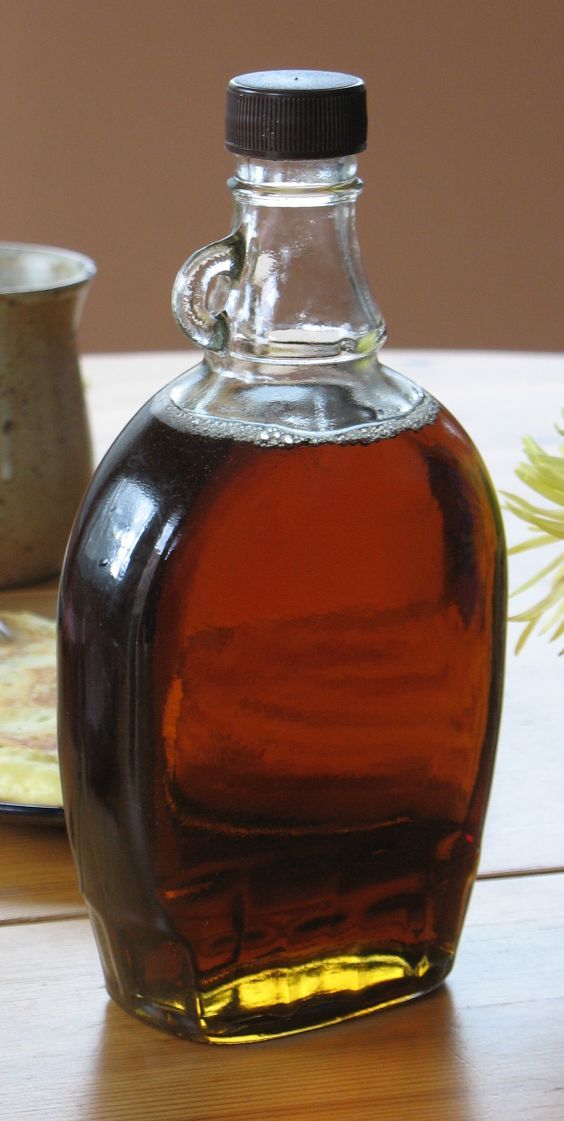
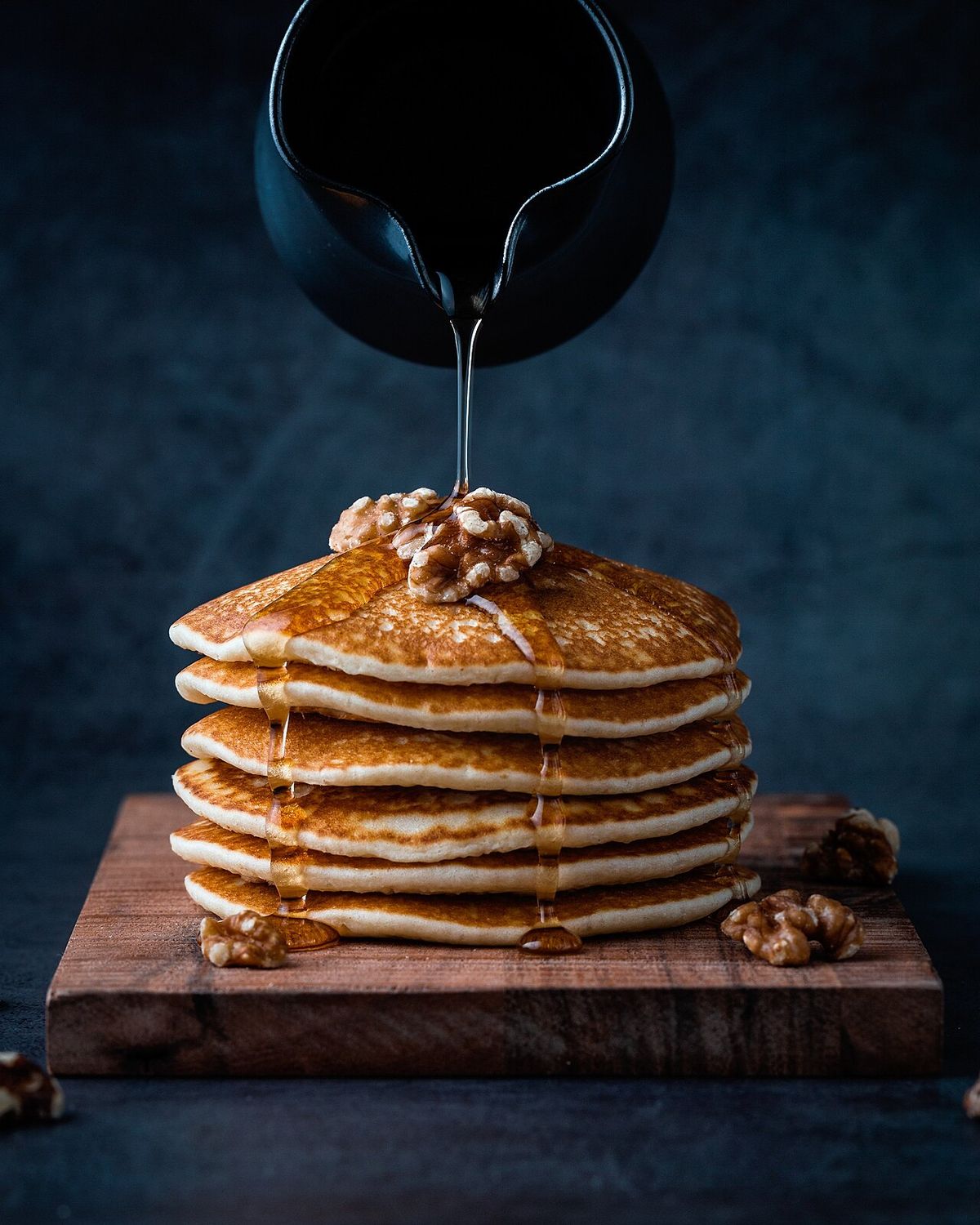
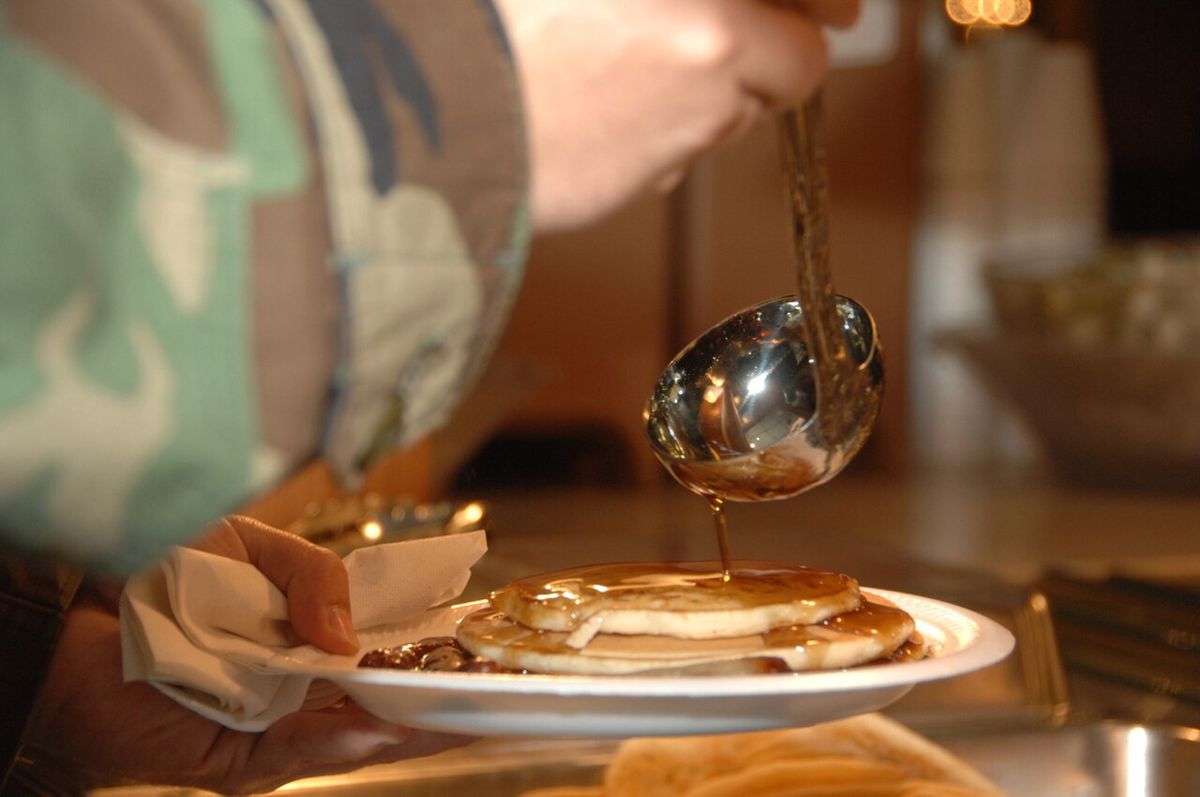
In Canada and the United States, pancakes are typically considered a breakfast food, fulfilling a similar function to waffles. The standard style is a thick, fluffy round cake leavened with baking powder, yielding a light and airy texture. They are traditionally served in stacks, often accompanied by butter and warm maple syrup, a common Canadian topping. Other popular toppings include fresh berries, whipped cream, peanut butter, or chocolate chips. Diners and family restaurants across the country feature pancakes as a menu staple, and commercial mixes and frozen products like Eggo are widely available in grocery stores. Beyond the classic buttermilk pancake, regional and cultural variations are common. Potato pancakes, or latkes, are associated with Jewish communities and served during Hanukkah, made with finely shredded or grated potato. Buckwheat pancakes are another variant, with types like blini, kaletez, ploye, and memil-buchimgae all using buckwheat flour. The pancake also holds a place in community events, with pancake breakfasts being a common fundraiser or social gathering, particularly in rural areas and during celebrations like Shrove Tuesday. In the Philippines, the American style is common in fast-food establishments and specialty restaurants like IHOP and the local Pancake House chain.
Cultural Significance, Rituals, and Associations
Pancakes carry distinct cultural and seasonal significance in many parts of the world. In Britain and many Commonwealth countries including Canada, they are linked to Shrove Tuesday, the day before the Christian fasting period of Lent. The tradition of making pancakes on this day, known as Pancake Day, originated as a practical way to use up perishable ingredients like eggs, milk, and butter. In Eastern Slavic traditions, blini are historically connected to pagan sun symbolism due to their round shape and are central to Maslenitsa or 'pancake week', a winter festival preceding the Great Lent. For Ashkenazi Jews, blintzes filled with kosher cheese are associated with the holiday of Shavuot, while potato latkes are a traditional food for Hanukkah. In South Africa, pannekoeke are a staple at Dutch Reformed Church fêtes. In a modern travel context, the 'Banana Pancake Trail' or 'Banana Pancake Circuit' is a colloquial term for the growing routes travelled by backpackers across Southeast Asia. In Finland, savoury spinach pancakes (pinaattilettu) are eaten as a main course with boiled potatoes and lingonberry jam. These associations highlight the pancake's role in marking religious observance, seasonal change, and community gatherings.
Specific Varieties, Cooking Techniques, and Fillings
Numerous specific pancake varieties have defined characteristics, cooking methods, and traditional fillings. The Dutch baby pancake is a large, puffy oven-baked pancake with crispy edges, of German origin. Kaiserschmarrn is a shredded Austrian pancake that includes raisins, almonds, and apple jam or small pieces of apple, split into pieces and sprinkled with powdered sugar. In the Philippines, salukara is a baked rice pancake made from glutinous rice, eggs, and coconut milk, baked in a clay pot or pan lined with banana leaves over hot coals. Sri Lanka's pol pani pancake is a thin crepe made from flour, eggs, and coconut milk with turmeric, filled with spiced sweet coconut. Æbleskiver are cooked on a stove top in a special cast iron pan with several hemispherical indentations, with batter poured into the oiled indentations and turned with a knitting needle or skewer. Finnish pannukakku is an oven-baked pancake, structurally different from the thin, fried lettu, and Ålandspannkaka includes cardamom and either rice pudding or semolina porridge. The Okinawan Hirajacii is a thin savoury pancake similar to a crepe or buchimgae, made with eggs, flour, salt, pepper, and green onions, whose name means 'fry flat' in the Okinawan language. Blintzes are always filled, with common fillings being jam, fruits, quark, cottage cheese, potato, ground meat, or mushrooms and onions.
- Dutch Baby: Large, puffy, oven-baked pancake, often served for breakfast.
- Salukara: Philippine baked rice cake, a subtype of bibingka.
- Æbleskiver: Danish spherical pancakes, name means 'apple slices' but contains no apple.
- Pannukakku: Finnish oven-baked pancake, literally 'pancake'.
- Hirajacii: Okinawan savoury crepe with leeks, similar to okonomiyaki.
- Poffertjes: Dutch small, fluffy pancakes, similar to Swedish plättar.
- Nokkoslettu: Finnish pancake with stinging nettle added.
- Malpua: Indian pancake sometimes prepared in pancake form, often sweet.
Serving, Consumption, and Modern Commercial Adaptations
Pancakes are served and consumed in a wide range of ways globally, reflecting their versatility. While in North America they are primarily a breakfast item, in many cultures they are eaten as a snack, dessert, side dish, or main course throughout the day. Sweet toppings are common across cultures, including maple syrup, honey, fruit compotes, jams, chocolate spread, whipped cream, and powdered sugar. Savoury applications are equally widespread, with pancakes serving as a base for stews, curries, smoked fish, cheese, or vegetables. In Ethiopia and Eritrea, injera acts as an edible plate and utensil for scooping up wat stews, and the meal is over when the 'tablecloth' of injera is finished. Korean buchimgae and jeon are served as banchan side dishes or snacks. The method of eating varies from being rolled or folded like a crêpe, stacked and cut like American pancakes, or torn by hand like injera. Modern adaptations include the widespread availability of commercial pancake mixes and frozen products like those from Eggo. Specialty pancake restaurants like the International House of Pancakes (IHOP) have popularized pancake-centric dining. In the Philippines, street kiosks sell small, inexpensive hotcakes topped with margarine, sugar, or condensed milk and flavored syrups as an afternoon snack. The dish continues to evolve with new variations, such as the soufflé-style Japanese pancakes gaining international popularity in cities like Toronto, Singapore, and London.
Questions about Pancake
What is the difference between a pancake and a crêpe?
The primary difference lies in thickness and ingredients. Crêpes are very thin, unleavened pancakes made from a simple batter of plain flour, milk, and eggs. They are often cooked on a specialized flat griddle or crepe maker. Pancakes, particularly the North American style, are thicker and fluffier due to the use of a leavening agent like baking powder in the batter. Crêpes are typically larger in diameter and are meant to be folded or rolled around fillings, while pancakes are smaller, served in stacks, and topped with syrup or other condiments.
Why are pancakes associated with Shrove Tuesday?
Pancakes are associated with Shrove Tuesday, also called Pancake Day, due to historical Christian practices. This day precedes Ash Wednesday, the start of the Lenten fasting period. Traditionally, households would use up perishable, rich foods like eggs, milk, and butter before the fast began. Making pancakes was an efficient and delicious way to consume these ingredients. This custom is particularly strong in the United Kingdom, Ireland, Australia, and Canada, where pancake races and community meals are common on this day.
What are some common pancake toppings in Canada?
In Canada, classic pancake toppings include butter and warm maple syrup, the latter being a nationally produced good. Other popular sweet toppings are fresh or frozen berries like blueberries or strawberries, sliced bananas, whipped cream, and chocolate chips. For a savoury twist, some may enjoy pancakes with bacon or sausage on the side. Diners and restaurants often offer a combination of these, with maple syrup remaining the most traditional and widely expected accompaniment.
What is a blintz?
A blintz is a thin, unleavened crêpe, often associated with Eastern European and Ashkenazi Jewish cuisine. It is made from a simple batter and lightly fried on one side. The blintz is then filled with a sweet or savoury mixture, common fillings include sweetened cheese (quark or cottage cheese), fruit preserves, or mashed potatoes. The filled blintz is folded into a parcel and then lightly pan-fried, sautéed, or baked until golden before serving, often with sour cream or fruit sauce.
Are pancakes considered a healthy breakfast?
The healthfulness of pancakes depends entirely on their ingredients and toppings. A basic pancake made from whole grain flour can provide carbohydrates and some fibre. However, traditional recipes using refined white flour and served with large amounts of syrup, butter, or sugary toppings can be high in calories, refined carbohydrates, and added sugars. Healthier adaptations include using whole wheat or oat flour, adding mashed banana or pumpkin to the batter for natural sweetness and nutrients, and topping with fresh fruit, Greek yogurt, or nut butter instead of syrup.
What is injera and how is it eaten?
Injera is a yeast-risen flatbread and a national dish of Ethiopia and Eritrea. It is made from teff flour, giving it a unique, slightly sour flavour and a spongy, porous texture. Injera serves multiple functions simultaneously: it is the food, the eating utensil, and the plate. A large piece of injera is laid on a platter, and stews (wat) and salads are spooned on top. Diners tear small pieces from the surrounding injera with their right hand and use them to scoop up the stews. The injera underneath soaks up the juices and is eaten at the end of the meal.
Sources and further reading
- Pancake (Wikipedia)
- Fluffy & Easy Sheet Pan Pancakes (Oven Baked Pancakes) (theflavorbender.com)
- Light and Fluffy Shredded Pancake, Kaiserschmarrn (lilvienna.com)
Checked by the Novello Desserts desk. Last updated 2026-10-19.