Pumpkin pie
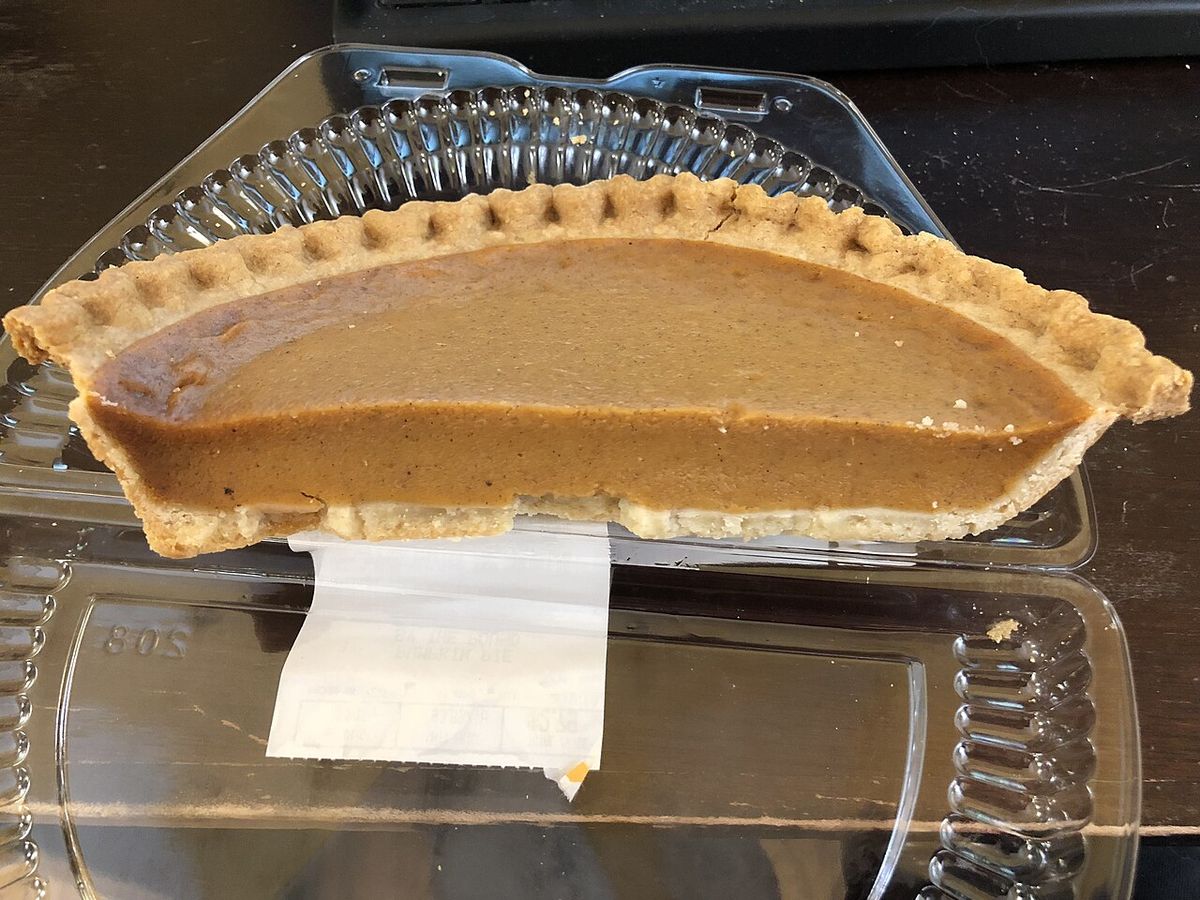
Pumpkin pie is a classic dessert pie featuring a spiced, custard-like filling made from pumpkin purée, eggs, milk, and sugar, baked within a single pie shell. It is a traditional symbol of the autumn harvest season in North America, deeply woven into the culinary traditions of Canadian Thanksgiving and Christmas celebrations. The pie's flavour profile is defined by the warm spices of pumpkin pie spice, typically a blend of cinnamon, ginger, nutmeg, and cloves. While often prepared using convenient canned pumpkin purée, it can also be made from fresh sugar pumpkins, a smaller, sweeter variety specifically cultivated for baking.
Composition and Preparation
The fundamental composition of pumpkin pie is a smooth, baked custard. The filling is created by combining cooked and puréed pumpkin flesh with eggs, a dairy component such as evaporated milk or cream, granulated sugar or other sweeteners, and a signature blend of warming spices. This mixture is poured into an unbaked pie shell, which is usually a standard shortcrust or pâte brisée, and then baked until the custard is set. The pie is traditionally served at room temperature or chilled, frequently accompanied by a dollop of freshly whipped cream. Some modern variations include toppings like marshmallows or a streusel crumble, though the classic version remains unfussy.
The choice of pumpkin significantly influences the final texture and flavour of the pie. For pies made from fresh pumpkin, bakers specifically seek out sugar pumpkins, also known as pie pumpkins. These are smaller, measuring about 15 to 20 centimetres in diameter, and have a denser, less fibrous and watery flesh compared to the larger varieties used for jack-o'-lanterns. The fresh pumpkin is typically halved, seeded, and roasted until tender before the flesh is scooped out and puréed. Other winter squashes, such as butternut squash, can be substituted with similar results, offering a slightly different but equally delicious flavour profile.
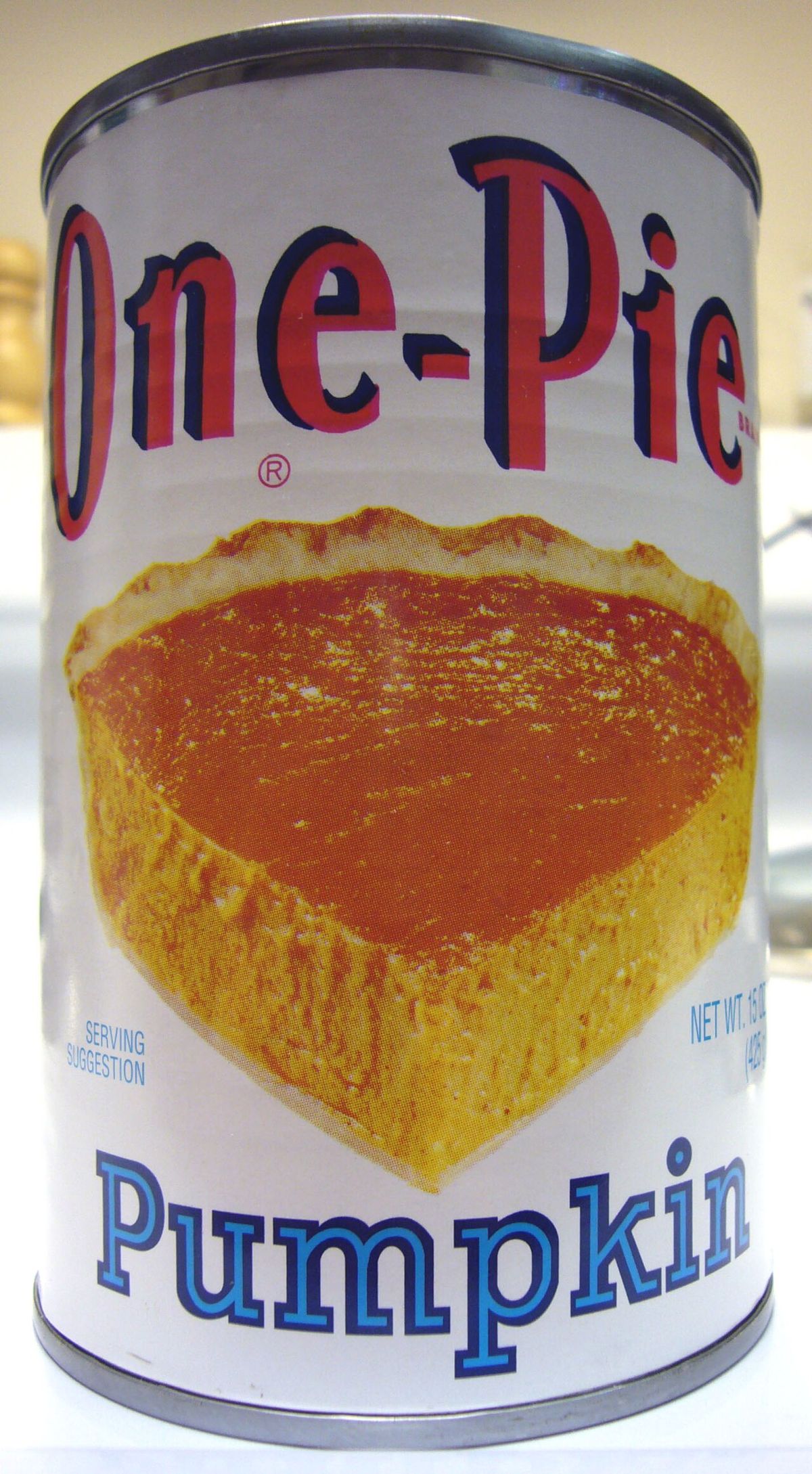
In contemporary home kitchens and commercial bakeries, canned pumpkin purée is the most common base due to its convenience, consistent texture, and year-round availability. Major brands like Libby's use a specific variety, the Dickinson pumpkin, which is prized for its smooth texture and rich flavour. Packaged pumpkin pie filling, which includes sugar and spices pre-mixed with the purée, offers an even more streamlined preparation option. The deep-dish style of pumpkin pie has gained popularity among enthusiasts who prefer a higher ratio of the spiced custard to crust, requiring a pie plate with a depth of two inches or more to accommodate the greater volume of filling.
Historical Development
The pumpkin is indigenous to North America, and its use in cooking dates back to Indigenous peoples long before European contact. Early English recipes, such as those found in Hannah Woolley's cookbooks, described a preparation where sliced pumpkin was fried with butter, sugar, and raisins before being baked in a crust. Meanwhile, in the American colonies, early pumpkin pies were often savoury preparations, sometimes consisting of a stew or soup baked and served inside the hollowed-out pumpkin shell itself. A key recipe appeared in Amelia Simmons's American Cookery in 1796, which outlined a sweetened pumpkin custard baked in a crust, using spices very similar to those in modern recipes. The pie's association with harvest festivals and communal meals solidified over the next century.
The pie's cultural significance in the United States led to a notable historical moment in 1947. As part of a post-war voluntary food rationing campaign to aid Europe, the Truman Administration promoted an Egg-less & Poultry-less Thursday. Since Thanksgiving fell on a Thursday that year, the campaign implicitly discouraged the making of pumpkin pie due to its egg content. The move sparked considerable public backlash, and President Truman adhered to the spirit of the campaign by forgoing pumpkin pie at the White House Thanksgiving dinner that year, highlighting the dish's perceived indispensability to the holiday meal.
Cultural Significance in Canada and the United States
Pumpkin pie holds a significant place as a culinary symbol of autumn and familial gathering in both Canada and the United States. Its peak season aligns perfectly with the harvest period from mid-October through November, making it a natural centrepiece for Thanksgiving celebrations. In Canada, where Thanksgiving is observed in October, and in the United States, where it falls in November, the serving of pumpkin pie after the main meal is a deeply ingrained tradition that signals the culmination of the feast. The pie also frequently appears on Christmas dessert tables, bridging the late fall and early winter holiday season.
The dish has been immortalized in North American poetry and song for well over a century, reflecting its nostalgic and celebratory connotations. Lydia Maria Child's 1844 Thanksgiving poem Over the River and Through the Wood directly references the anticipation of pumpkin pie. The Christmas music canon also pays homage to the dessert. The lyrics of Rockin' Around the Christmas Tree mention enjoying pumpkin pie, and Sleigh Ride evokes a scene of returning from the cold to enjoy it by the fireside. These cultural touchstones reinforce the pie's role as an emblem of comfort, home, and holiday cheer.
Historically, the pie's adoption was not uniform across all regions. In the post-Civil War United States, pumpkin pie was sometimes viewed in the Southern states as a symbol of imposed Northern culture. This resistance led to the stronger tradition of sweet potato pie in the South, though many Southern adaptations of pumpkin pie emerged, incorporating local ingredients like bourbon and pecans. In contrast, in Canada and the northern United States, the pie was embraced without such political baggage, solidifying its status as a neutral and beloved harvest dessert.
Selection of Pie Plates and Bakeware
The choice of pie plate is a critical factor in achieving a perfectly baked pumpkin pie, influencing the crust's texture, the filling's set, and the dessert's overall presentation. Modern kitchenware testing, as of 2026, evaluates plates based on material, heat conduction, depth, and durability. Glass, ceramic, and stoneware are the most recommended materials for home bakers seeking consistent, high-quality results. Disposable aluminum plates are generally considered inadequate for achieving optimal browning and structural integrity, especially for important holiday baking.
Key considerations for selecting a pie plate include its depth and capacity. This allows the baker to use recipes that yield a more substantial pie without risk of overflow. The diameter must also be considered. A 9-inch plate is the most common and versatile size, accommodating the vast majority of published recipes. A wider rim on the plate provides more surface area for crimping and shaping an attractive crust edge.
Material properties directly affect baking performance. Borosilicate glass conducts heat evenly and gently, promotes a golden-brown crust, and is highly resistant to thermal shock, allowing safe movement from freezer to oven. Tempered glass plates are more affordable and shatter-resistant from impacts but are less tolerant of sudden temperature changes. High-quality ceramic or stoneware dishes offer excellent, even heating, elegant presentation in various colours, and often greater durability under a broiler, which is useful for browning meringue toppings. For bakers processing fresh pumpkins, having a dedicated, high-quality pie plate ensures the effort put into making purée from scratch is rewarded with a professionally finished dessert.
- OXO Good Grips Glass 9 Inch Pie Plate With Lid features borosilicate glass, a 2-inch depth, even heating, and includes a storage and transport lid.
- Emile Henry 9-Inch Pie Dish is a ceramic dish from France, available in seasonal colours like pumpkin, known for gentle heat transfer and broiler-safe construction.
- Williams Sonoma Pumpkin Covered Pie Dish is a stoneware dish with a lid, oven-safe to 425°F, and designed for both baking and keeping pie warm.
The even heat distribution of recommended pie plates helps prevent common baking issues. This includes avoiding a soggy bottom crust and an overcooked or cracked filling. The result is a smooth and custardy texture for the pie filling. It also ensures a flaky and fully baked pastry shell. Proper heat conduction is key for a successful pumpkin pie.
Notable Records and Commercial Production
Pumpkin pie has been the subject of several impressive records that highlight its cultural footprint. The record for the world's largest pumpkin pie was set on September 25, 2010, at the New Bremen Pumpkinfest in Ohio. This monumental dessert required 1,212 pounds of canned pumpkin, 109 US gallons of evaporated milk, 2,796 eggs, and 525 pounds of sugar. After baking, the finished pie measured 20 feet in diameter and weighed an astonishing 3,699 pounds. On the consumption side, the competitive eating record is held by Molly Schuyler, who consumed 50 slices of pumpkin pie in 10 minutes, surpassing her own previous record of 48 slices.
The commercial production of pumpkin pie ingredients is a significant industry. The dominance of canned pumpkin purée, particularly the Libby's brand owned by Nestlé, has standardized the home baking experience across the continent. Libby's uses a proprietary variety, the Dickinson pumpkin, which is a type of Cucurbita moschata, chosen for its consistent texture and flavour. Other brands may use different varieties of squash or pumpkin, but the canned product ensures a reliable, non-stringy base for the custard. The availability of pre-mixed pumpkin pie spice and pre-made pie fillings further simplifies the baking process for consumers.
Seasonal sales of pie pumpkins, canned purée, and related spices surge every autumn in grocery stores across Canada and the United States. Many families, especially those in rural or agricultural areas, continue the practice of processing their own pumpkins. Enthusiasts may purchase 35 or more sugar pumpkins from local farm stands to roast, purée, and freeze for use throughout the baking season, applying the preserved purée not only to pies but also to soups, muffins, and other recipes. This practice connects modern celebrants directly to the harvest traditions that gave rise to the pie centuries ago.
Recipe Variations and Related Dishes
While the classic pumpkin pie recipe is beloved, numerous variations exist. The deep-dish pumpkin pie is a popular variant that uses a greater volume of the standard filling in a deeper pan. This results in a richer and more custard-heavy dessert. Other creative twists include adding a streusel or crumb topping instead of whipped cream. Some variations incorporate ingredients like bourbon and pecans into the filling. Another option is a chiffon-style pie where the filling is lightened for a fluffier texture.
Several desserts are closely related to pumpkin pie, sharing similar spiced custard profiles or preparation methods. Sweet potato pie is the most direct relative, especially in the Southern United States, where mashed sweet potato is substituted for pumpkin purée in an otherwise nearly identical recipe. Pumpkin cheesecake combines the flavours of pumpkin pie with the dense, creamy texture of New York-style cheesecake. Pumpkin roll, a Swiss roll cake filled with cream cheese frosting, offers a lighter, cake-based alternative. These dishes all draw upon the same beloved flavour combination of pumpkin and warm autumn spices.
The pie's basic formula is also adaptable for various dietary restrictions. Vegan versions successfully replicate the custard using ingredients like silken tofu, coconut milk, or cornstarch as thickeners in place of eggs and dairy. Gluten-free adaptations utilise nut flour or gluten-free blend crusts. Regardless of the variation, the core appeal remains the harmonious blend of sweet, earthy pumpkin and aromatic spices like cinnamon, ginger, nutmeg, and cloves, which together evoke the essence of the fall season and holiday warmth.
Questions about Pumpkin pie
When is pumpkin pie traditionally eaten in Canada?
Pumpkin pie is traditionally eaten during the fall and early winter in Canada, with its peak season aligning with the harvest from mid-October through November. It is a classic dessert served to conclude the meal on Canadian Thanksgiving, which occurs in October. The pie also commonly appears on Christmas dessert tables throughout December, making it a staple of the major year-end holidays. Its consumption is deeply tied to seasonal availability and celebratory family gatherings.
What is the difference between a pie pumpkin and a carving pumpkin?
Pie pumpkins, also called sugar pumpkins, are specifically cultivated for cooking and baking. They are smaller, typically 15 to 20 centimetres in diameter, and have a denser, sweeter flesh with less water content and fewer stringy fibres. Carving pumpkins, used for jack-o'-lanterns, are larger, have thinner walls, more stringy pulp, and a less concentrated flavour. Using pie pumpkins ensures a smoother, richer purée for pies, while carving pumpkins yield a watery, less ideal result for desserts.
Can I make pumpkin pie from canned pumpkin?
Yes, making pumpkin pie from canned pumpkin purée is the standard and most convenient method for most home bakers. Major brands like Libby's produce a consistent, high-quality product specifically for pies. It is important to use plain canned pumpkin purée, not pumpkin pie filling, unless the recipe directs otherwise, as the filling already contains sugar and spices. Canned purée saves the steps of roasting and puréeing fresh pumpkin and provides reliable results year-round.
What is the best type of pie plate for baking pumpkin pie?
The best pie plates for pumpkin pie, as of 2026 testing, are typically made from glass or ceramic. Experts recommend plates like the OXO Good Grips Glass 9 Inch Pie Plate for its even heating, 2-inch depth for deep-dish pies, and thermal shock resistance. Ceramic dishes, such as the Emile Henry pie dish, also bake evenly and are valued for their appearance and broiler-safe construction. The key is choosing a plate with good heat conduction and an appropriate depth for your recipe to ensure a properly set filling and a well-browned crust.
What spices are in pumpkin pie spice?
Pumpkin pie spice is a blended seasoning mix that traditionally includes ground cinnamon, ginger, nutmeg, and cloves. Some blends may also incorporate allspice. These warm, aromatic spices are combined in specific ratios to create the signature flavour profile associated with pumpkin pie. The blend is used not only in the pie filling itself but also in many other autumn-inspired baked goods, beverages, and desserts to evoke the same comforting, seasonal taste.
What is the world record for the largest pumpkin pie?
The world's largest pumpkin pie was created on September 25, 2010, in New Bremen, Ohio. This record-breaking pie required 1,212 pounds of canned pumpkin, 109 gallons of evaporated milk, 2,796 eggs, and 525 pounds of sugar. After baking, the finished pie measured 20 feet in diameter and weighed 3,699 pounds. The record for the most pumpkin pie eaten is 50 slices in 10 minutes, a feat accomplished by competitive eater Molly Schuyler.
Sources and further reading
- Pumpkin pie (Wikipedia)
- Best Deep Dish Pumpkin Pie Recipe (grit.com)
Checked by the Novello Desserts desk. Last updated 2026-10-27.