Roast beef
Roast beef is a classic dish of beef cooked by roasting, traditionally served as the main course of a substantial meal. In Canada, it holds a place of culinary comfort, often featured in weekend family dinners, holiday feasts, and as a staple of deli counters for sandwiches. The dish involves roasting a large cut of beef, often seasoned simply with salt, pepper, and herbs, and is prized for its tender, juicy interior and flavourful crust. Its versatility extends from elegant centrepieces like beef tenderloin to hearty, slow-cooked pot roasts, making it a foundational element of home cooking and celebratory dining across the country.
Historical and Cultural Significance
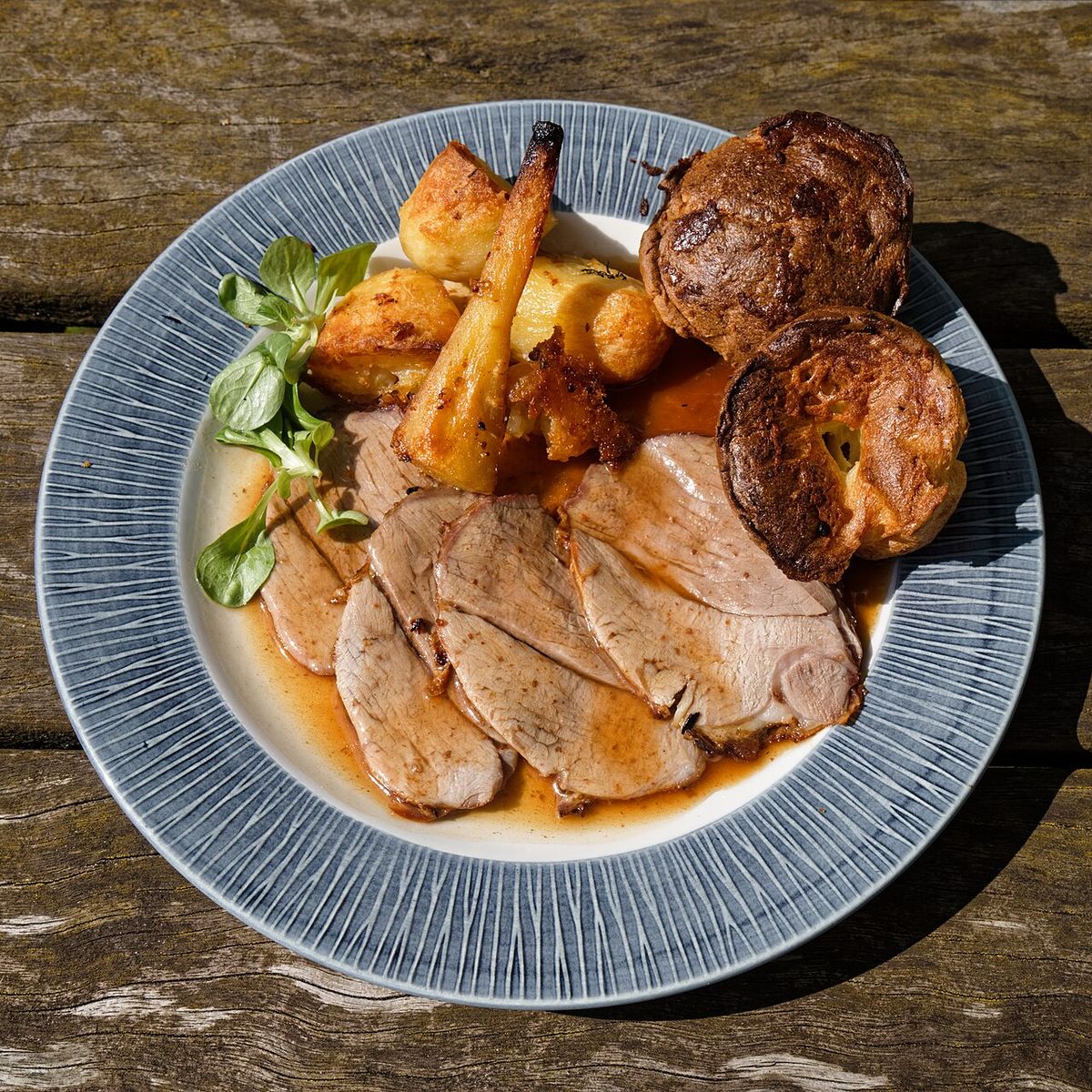
Roast beef has deep historical roots as a characteristic national dish of England, with cultural significance dating back centuries. The 1731 ballad "The Roast Beef of Old England" cemented its status as a symbol of English identity and culinary tradition. This association became so strong that by the 18th century, the French nickname for the English was "les rosbifs," directly referencing the dish. The tradition of the Sunday roast, a meal centred around roasted meat, originated in the British Isles, specifically Yorkshire, as a meal to be eaten after church services. During the Industrial Revolution in the late 1700s, families would place a large cut of meat in the oven before leaving for church, adding vegetables just prior to departure, so that dinner would be nearly ready upon their return. This practical and communal meal ritual travelled with immigrants and continues to influence dining habits in Canada, where the Sunday dinner remains a cherished weekly tradition for many families. The meal consists of a roasted meat main entree and gravy, Yorkshire pudding, roasted potatoes, and a selection of vegetable sides, maintaining its structure as a complete and satisfying feast.
Primary Cooking Methods and Techniques
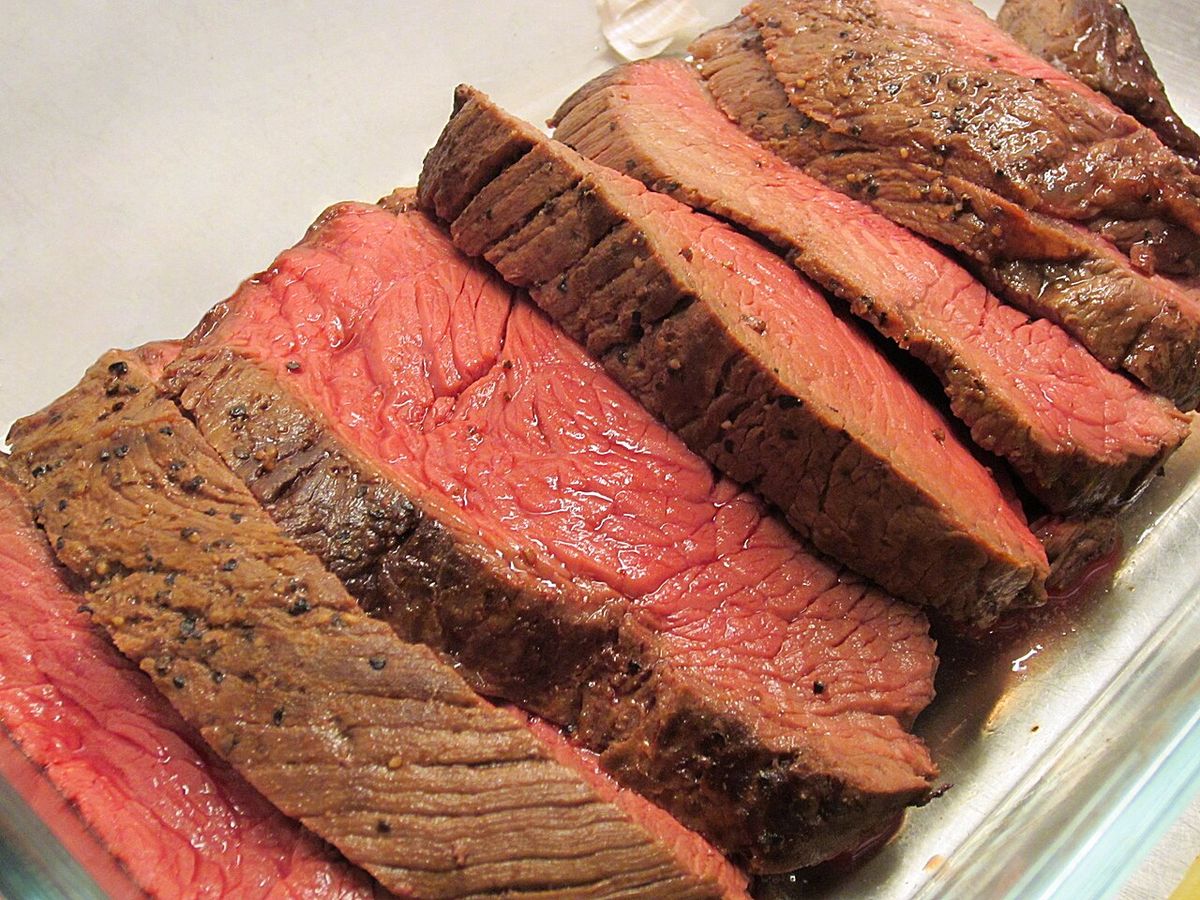
The preparation of roast beef centres on two primary methods: dry-heat roasting for tender cuts and moist-heat braising for tougher cuts. For oven roasts from cuts like rump, round, or sirloin, a common technique involves starting the roast in a hot oven to sear the exterior, then lowering the temperature to roast it low and slow until the desired internal temperature is reached. This method helps create a flavourful crust while keeping the interior juicy. For pot roasts made from tougher cuts like chuck roast, the braising method is essential. The meat is slowly cooked submerged in liquid with vegetables at a low temperature for several hours, which breaks down tough connective tissues until the beef is fork-tender. A key step for flavour development in pot roast is searing the meat first to create a caramelized crust before braising. Regardless of method, using a meat thermometer is recommended for precision, and allowing the roast to rest after cooking, loosely covered with foil for at least 15 minutes up to an hour for large roasts, lets the juices redistribute before carving. For best browning when cooking an oven roast, a lid or foil cover should not be used, and placing the roast on a rack in the pan can help prevent the bottom from overcooking. If the roast has cooled too much after resting, it can be placed back into a hot oven for five minutes to heat the surface before carving and serving with hot gravy.
Selecting and Preparing the Beef
Choosing the right cut of beef is fundamental to the success of the dish, as different cuts are suited to specific cooking methods. For a traditional roasted centrepiece, recommended cuts include rump roast, round roast, or sirloin roast, often purchased tied with butcher's twine to maintain an even shape during cooking. These cuts benefit from dry-heat roasting. For a braised pot roast, chuck roast is the classic choice due to its marbling and connective tissue, which melts during long, slow cooking. When purchasing, a general guideline is to buy 250 grams (8 ounces) of boneless roast per person, increasing to 375 grams (12 ounces) per person if the roast contains a bone. Preparation typically begins by patting the roast dry with paper towels and seasoning it generously with kosher salt and freshly ground black pepper. Letting the seasoned roast sit at room temperature for one to two hours before cooking promotes more even roasting. Additional flavourings often include a rub of minced garlic, chopped fresh rosemary, and olive oil applied to the surface of the meat before it goes into the oven. The roast label itself often provides guidance, with names like Top Sirloin Oven Roast or Cross Rib Pot Roast indicating both the cut and the recommended cooking method. Selecting a chuck roast with thin streaks of marbling throughout, rather than one thick band of fat, is advised for better quality and flavour in the finished dish.
Classic Accompaniments and Side Dishes
A roast beef meal is traditionally served with a substantial selection of side dishes and condiments that complement the rich flavour of the meat. The most well-known accompaniment is Yorkshire pudding, a savoury baked pudding made from a batter of eggs, flour, and milk, which is designed to soak up gravy. Roasted root vegetables are another staple, with carrots and parsnips often halved or quartered, tossed with oil, salt, and pepper, and roasted in the same pan as the beef. Crispy roasted potatoes, particularly Yukon Gold potatoes parboiled and roughed up before roasting in duck fat, chicken fat, butter, or olive oil, are a common component. Gravy made from the concentrated meat drippings and beef broth is essential for saucing the entire plate. For condiments, creamy horseradish sauce or prepared horseradish provides a sharp, piquant contrast to the beef's richness. A complete Sunday roast dinner typically includes all these elements, creating a balanced and hearty plate. In the United Kingdom, a hot roast beef sandwich is often served with fried onions, gravy, and horseradish sauce, while a cold version consists of bread, cold roast beef, lettuce or rocket, tomatoes, and horseradish sauce or mustard.
Beyond the classic British-style sides, roast beef pairs well with a wide variety of other vegetables and starches. Common modern accompaniments include sheet-roasted ratatouille, a medley of Provençal vegetables like eggplant, zucchini, and tomatoes, and steamed rice or whole wheat couscous, which can also be used for next-day leftovers. Other options are creamed spinach or other sautéed greens, roasted garlic made by wrapping a head of garlic in foil and cooking it alongside the roast, and baked potatoes or sweet potatoes. Stuffing is sometimes served depending on the meat chosen for the roast. The choice of sides often depends on the season and the formality of the meal, with holiday feasts featuring more elaborate preparations. For those with limited oven capacity, sides can be prepared in stages or alternative proteins like roast chicken, lamb, or pork can be used as the centrepiece.
Cooking Times and Doneness Guidelines
Cooking times vary significantly based on the size of the roast, the cut of meat, and the desired level of doneness. For pot roasts cooked using the braising method, approximate oven times are a useful guide. The ultimate test for pot roast doneness is not a thermometer but tenderness. A fork inserted into the meat should twist easily with little resistance. If the meat is not fork-tender, it should be covered and cooked for an additional 20 to 30 minutes before checking again. For oven-roasted beef, internal temperature is the most reliable indicator. Using a meat thermometer, preferably a digital model with a cabled probe to monitor progress without opening the oven door, allows for precise control. It is crucial to carve roast beef across the grain of the muscle fibres to optimize tenderness, using a sharp, broad-bladed knife with a rounded tip rather than a serrated one, which can shred the meat. Carving in the same direction as the butcher's twine typically ensures you are slicing across the grain. If some slices are too rare, they can be briefly placed in a pan of simmering gravy to finish cooking to preference.
Versatility and Leftover Applications
The utility of roast beef extends far beyond the initial meal, as leftovers form the basis for numerous quick and flavourful dishes. Sliced cold roast beef is a classic deli meat, commonly used as a sandwich filling, often with lettuce, tomato, and horseradish sauce or mustard. In western New York, the beef on weck sandwich, featuring roast beef on a kummelweck roll topped with horseradish and au jus, is a celebrated regional tradition dating to the late 1800s. Leftover roast beef can be minced and made into a savoury hash, often with potatoes and onions. Modern recipe developers also suggest creative wraps, such as combining shaved roast beef, baby spinach, leftover roasted vegetables, and rice or couscous in a large spinach tortilla spread with pesto. Another quick meal idea is a super salad made by stirring slivered roast beef and chopped leftover ratatouille into prepared whole wheat couscous, then adding feta cheese, parsley, olives, and a Greek vinaigrette. This adaptability makes preparing a large roast a strategic move for efficient weekly meal planning. In Denmark, roast beef is mostly used in open sandwiches called smørrebrød, demonstrating its international culinary reach. Recipes for using leftovers often emphasize speed, such as the Roast Beef Wraps which combine remaining ratatouille vegetables, cooked rice or couscous, shaved beef, and spinach in a tortilla with pesto and sun-dried tomato vinaigrette.
Nutritional and Practical Considerations
From a practical standpoint, roasting a large cut of beef is an efficient form of hands-off cooking, ideal for weekends when there is more time for preparation and the results can provide meals for several days. A typical roast beef recipe serves multiple people, with nutritional information per serving varying based on the cut of meat, cooking method, and specific ingredients used in accompanying gravy and sides. Recipes often note that nutritional data is an estimate and will vary based on cooking methods and brands of ingredients used. For those managing oven capacity, cooking can be staggered, with components like potatoes parboiled in advance or vegetables roasted in a separate pan. If the pan drippings after roasting are minimal, it indicates a juicy roast and highly concentrated flavour, which can be extended with additional beef broth when making gravy. For a richer gravy, a slurry of two tablespoons of cornstarch mixed with cold water can be whisked into two cups of simmering broth until thickened. These practical tips help home cooks achieve consistent, satisfying results with this foundational dish. A pot roast can also be adapted for a slow cooker by reducing the broth to one cup and wine to half a cup, then cooking on low for 8-10 hours or on high for 4-6 hours, with low heat generally producing more tender results. Weekends are considered perfect for roasting as the process takes time but yields leftovers that facilitate speedy weekday meals.
Recipe Variations and Modern Adaptations
While the classic roast beef dinner remains popular, numerous recipe variations and modern adaptations cater to different tastes, occasions, and time constraints. A perfect oven pot roast recipe typically calls for a chuck roast slowly cooked with vegetables like carrots, onions, and shallots until fall-apart tender, creating a complete meal in one pot. For holiday meals, a juicy roast beef recipe might involve slow-roasting a rump or round roast with rosemary and garlic to create an impressive centrepiece. Some contemporary recipes pair roast beef with non-traditional sides like sheet-roasted ratatouille, a vegetable medley that cooks on a separate tray. Other flavour enhancements include serving the beef with compound butters such as chimichurri butter, roasted garlic butter, or cowboy butter. For a simplified approach, some recipes advocate starting the roast in a hot oven without searing in a skillet first, then lowering the temperature for the remainder of the cooking time. Recipe developers like Holly Nilsson, creator of Spend With Pennies and author of the cookbook "Everyday Comfort," emphasize easy, comforting recipes made for real life, such as her foolproof pot roast. Online recipes often receive high user ratings, with comments praising the tenderness and flavour of the resulting dish, noting that following the recipe exactly, including deglazing the pan with wine, yields fantastic results.
Questions about Roast beef
How long should I cook a pot roast in the oven?
Cooking times for a pot roast depend on its weight. As a general guideline, a 3-pound chuck roast requires approximately 3 to 3.5 hours in the oven, a 4-pound roast needs 3.5 to 4 hours, and a 5-pound roast benefits from 4.5 to 5 hours of slow cooking at a low temperature. The best test for doneness is tenderness. A fork inserted into the meat should twist easily with very little resistance. If it's still tough, it needs more cooking time.
What are the traditional side dishes served with roast beef?
A traditional roast beef dinner, especially a British-style Sunday roast, includes several classic sides. Yorkshire pudding is the most well-known accompaniment, designed to soak up gravy. Other standards are crispy roasted potatoes, roasted carrots and parsnips, and a rich gravy made from the meat drippings. Creamy horseradish sauce is the traditional condiment served alongside the sliced beef.
How can I use leftover roast beef?
Leftover roast beef is highly versatile. It can be sliced thin for cold sandwiches, often with horseradish and mustard. It can be minced to make beef hash. Modern applications include using it in wraps with spinach and leftover vegetables or tossing it into salads and grain bowls. The beef on weck sandwich, a regional specialty from western New York, is another famous use for sliced roast beef.
What is the best cut of beef for a classic roast beef dinner?
For a classic roast beef dinner, the best cuts are rump roast, round roast, or sirloin roast, which are suited to dry-heat roasting. These cuts are often tied with butcher's twine for even cooking. For a pot roast, which uses a moist-heat braising method, chuck roast is the preferred choice. Its marbling and connective tissue break down during long, slow cooking, resulting in fork tender meat. A traditional Sunday roast often features a beef rump or round roast, seasoned and roasted with herbs. Different cuts are labeled with their cooking method, such as Top Sirloin Oven Roast or Cross Rib Pot Roast.
What internal temperature should roast beef be for medium-rare?
After removing the roast from the oven, it should be covered loosely with foil and allowed to rest for at least 15 minutes, or up to an hour for large roasts. This resting period allows the cooking to finish and the juices to settle before carving. Using a thermometer, ideally one with a probe and digital readout, is the professional method to monitor doneness without opening the oven door. This ensures precise and consistent results.
Do I need to sear a roast before putting it in the oven?
Searing a roast before oven cooking is highly recommended for pot roasts to create a flavorful crust and enhance the gravy. For oven roasted beef, some recipes start with a high temperature to achieve browning, while others use a consistent low heat. Searing is not always mandatory but is a valuable technique for building flavour, especially for braised dishes like pot roast. If you skip searing, you can still achieve a tender result, but the searing process contributes significantly to the dish's overall savoury depth. The key is to manage the cooking method based on the cut, whether it is a dry oven roast or a braised pot roast.
Sources and further reading
- Roast beef (Wikipedia)
- Perfect Roast Beef (canadabeef.ca)
- Roast Beef with Sheet-Roasted Ratatouille (thinkbeef.ca)
Checked by the Novello Desserts desk. Last updated 2026-10-29.