Rocky Mountain oysters
Rocky Mountain oysters, known in Canada as prairie oysters, are a traditional dish consisting of deep-fried bull testicles. This food item is a notable part of the culinary heritage in Canadian cattle ranching regions, particularly in the Prairie provinces, where it emerged as a practical way to utilize byproducts from the routine castration of livestock. It is most commonly served as an appetizer, often breaded and fried, and is a central feature at community festivals and certain specialty establishments. While often presented as a novelty or initiation for the uninitiated, the dish represents a core tenet of nose-to-tail eating within Western and ranch culture. Its preparation and consumption are deeply intertwined with the agricultural practices and social traditions of rural North America.
Agricultural Origins and Practicality
The existence of Rocky Mountain oysters is a direct result of standard cattle management practices, not a primary culinary invention. In veterinary and animal husbandry, the castration of young bulls is a widespread procedure performed for several key reasons. It controls breeding within herds, encourages the development of skeletal muscle more suitable for beef production, and alters the temperament of the animals for easier handling. This routine work on ranches across Canada and the United States yields a significant quantity of testicles. Historically, ranchers, adhering to a waste-not philosophy, sought ways to use this readily available protein source. The dish developed organically from this need, transforming what was essentially a byproduct of farm management into edible food. This origin story firmly roots the dish in the practical, resourceful ethos of rural and cowboy life.
Detailed Preparation Methods
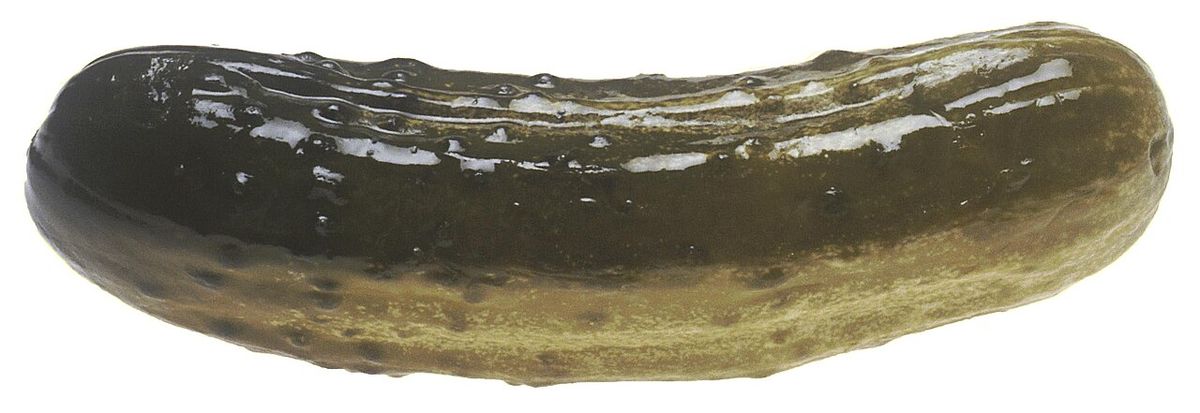
The preparation of Rocky Mountain oysters follows a specific process to make the ingredient palatable. First, the fresh testicles must be thoroughly cleaned and the outer membrane or skin carefully removed. They are then typically sliced into rounds or medallions and often pounded flat to ensure even cooking and a more familiar texture. The pieces are dredged in a seasoned coating, most classically a simple mixture of flour, pepper, and salt, though other batters may be used. The primary and most popular cooking method is deep-frying, which creates a crispy, golden-brown exterior while keeping the interior tender. According to recent recipes from 2026, alternative methods include smoking the testicles after a multi-day brine with ingredients like pickling spice, brown sugar, and bay leaves. Another variation is a hearty Rocky Mountain oyster stew, prepared as a cozy, family meal. Regardless of the method, the finished dish is usually served with robust accompaniments like sauces and pickles to complement its rich flavour.
Regional Nomenclature in North America
The dish is known by a wide array of regional names, each reflecting local culture and geography. In Canada, particularly in the Prairie provinces, the term prairie oysters is the preferred and most common name. In the United States, names vary significantly by region. In Oklahoma and the Texas Panhandle, they are most often called calf fries. The general term Rocky Mountain oysters or the shorter mountain oysters is widely used across the Western states. A host of colourful colloquialisms also exist, including swinging beef, cowboy caviar, dusted nuts, and Montana tendergroins. In Spanish-speaking cattle regions, such as in Mexico and Argentina, they are known as criadillas, or colloquially as huevos de toro. This proliferation of names underscores the dish's broad, though localized, recognition across the continent and highlights its deep connection to regional identities.
Festivals and Public Consumption
Rocky Mountain oysters are celebrated at numerous community festivals, which often serve as major local events. These gatherings, sometimes humorously branded as testicle festivals, are held in towns with strong ranching ties. Eagle, Idaho, claims to host the 'World's Largest Rocky Mountain Oyster Feed' during its Eagle Fun Days, now held on the second weekend of July. Other notable festival locations include Clinton, Montana, Deerfield, Michigan, Huntley, Illinois, and Severance, Colorado. Virginia City, Nevada, holds an annual Rocky Mountain Oyster Fry in conjunction with St. Patrick's Day celebrations. Beyond festivals, the dish has found its way into more mainstream public venues. They are famously served at Coors Field during Colorado Rockies baseball games. This presence at a professional sports stadium indicates a level of cultural acceptance and curiosity within certain regions, bridging the gap between rural tradition and urban novelty.
Cultural Perception as Novelty and Delicacy
The dish occupies a dual role in the culinary landscape, being both a genuine traditional food and a famous novelty item. Within ranching families and communities, it is a normal and accepted part of the diet, often prepared at home. For outsiders, however, it is almost universally regarded as an exotic or daring food challenge. This perception is frequently leveraged for humour, as the dish is a classic prank served to unsuspecting guests who assume they are eating seafood from the name 'oysters'. Despite the jests, many people consider the dish to be an aphrodisiac, adding another layer to its folklore. The ongoing public fascination is evident in the steady stream of online content, such as the 2026 tutorial titled 'Would you try Rocky Mountain Oysters' and various recipe videos. This enduring intrigue ensures the dish remains a topic of conversation and a symbol of Western culinary boldness.
Extended Family of Similar Offal Dishes
The culinary practice of preparing testicles is not limited to cattle, encompassing a small family of related dishes from other livestock. Lamb fries are made from the testicles of castrated sheep and are a distinct entity from lamb's fry, which refers to lamb liver. Pig testicles are used to prepare pig fries. A less common variant is turkey fries, made from turkey testes, which are sometimes called short fries. Each of these dishes follows the same fundamental principle of utilizing an available organ meat after standard animal husbandry procedures. The preparation methods across these types are largely consistent, focusing on cleaning, breading, and frying. This demonstrates that the consumption of testicles is a recurring theme in offal cuisine, driven by practicality and a respect for using the entire animal.
Serving Customs and Typical Presentations
Rocky Mountain oysters are served in specific ways that vary slightly by region. In Canada, where they are called prairie oysters, they are often served in a rich demi-glace sauce, which distinguishes the Canadian presentation. More broadly across North America, they are commonly presented as a plated appetizer or a bar snack. A typical serving includes the fried pieces accompanied by lemon wedges and a dipping sauce, such as cocktail sauce or mustard. They are sometimes plated with side items like pickles, crackers, or a portion of fries. At festivals and casual venues, they may be served in paper cones or baskets for easy eating. The recent web notes from 2026 also mention recipes that incorporate the oysters into other dishes, such as being served on crackers with mustard after smoking, indicating an evolution in presentation while maintaining the core ingredient.
Place in Modern Canadian Food Culture
In contemporary Canada, Rocky Mountain oysters, under the name prairie oysters, maintain a specific niche in the national food culture. They are firmly associated with the identity of the Prairie provinces, particularly Alberta and Saskatchewan, where cattle ranching is a major industry. While not a common menu item in urban restaurants nationwide, they are a point of regional pride and a culinary attraction for tourists seeking authentic Western experiences. Their preparation is kept alive through family recipes, community cookbooks, and festival traditions. The dish serves as an edible link to Canada's agricultural history and the resourcefulness of its settlers. It functions as a reminder of a time when food was deeply connected to local land and labour, contrasting with modern, globalized food systems. As interest in traditional and nose-to-tail eating grows, dishes like prairie oysters gain renewed attention as examples of historical food sustainability.
Questions about Rocky Mountain oysters
Are there festivals for Rocky Mountain oysters?
Yes, numerous communities in North America host annual festivals centred on the dish. The most famous is the 'World's Largest Rocky Mountain Oyster Feed' in Eagle, Idaho. In Canada and the US, towns like Clinton, Montana, Sesser, Illinois, and Severance, Colorado, also hold similar events. These festivals often feature food stands, live music, and other community activities, celebrating local ranch culture.
What are Rocky Mountain oysters made of?
Rocky Mountain oysters are a dish made from bulls' testicles. The organs are sourced from young male cattle that have been castrated, a common practice in animal husbandry to control breeding and improve meat quality. After being skinned, they are often coated in flour, pepper and salt before being deep fried. The dish is colloquially known by many other terms including prairie oysters in Canada, calf fries in Oklahoma and the Texas Panhandle, and criadillas in Spain and Mexico. It is most commonly served as an appetizer at festivals, ranching gatherings, or specialty establishments.
Why are they called prairie oysters in Canada?
In Canada, the dish is most commonly called prairie oysters. This name is the preferred term in parts of the country where cattle ranching is prevalent and the castration of young male animals is a standard practice. The name distinguishes the Canadian preparation, where they are sometimes served in a demi glace sauce. The term is part of a wide array of regional names for the dish, which also includes calf fries, criadillas, and colloquial terms like huevos de toro. The use of the name prairie oysters reflects the local culinary tradition within Canadian cattle producing regions.
How are Rocky Mountain oysters typically cooked?
The classic cooking method for Rocky Mountain oysters is deep frying. The preparation involves skinning the testicles, coating them in a mixture of flour, pepper and salt, and then frying them. Some variations exist, such as smoking the oysters after a multi day brine process with ingredients like pickling spice and brown sugar. They can also be used in a stew recipe for a cozy meal. The dish is frequently served as an appetizer, often accompanied by dipping sauces, lemon, cocktail sauce, fries, or crackers and mustard.
Where can you find Rocky Mountain oysters in Canada?
In Canada, Rocky Mountain oysters, known locally as prairie oysters, are served in regions where cattle ranching is prevalent. They are most commonly found at community festivals, amongst ranching families, or at certain specialty eating establishments and bars. The dish is considered traditional cowboy fare. While not ubiquitous in all public venues, similar festivals dedicated to the dish are held in various American towns, highlighting its cultural association with ranching communities. In Canada, they may be served in a demi glace, differentiating the local presentation.
What do Rocky Mountain oysters taste like?
Rocky Mountain oysters are often served as an appetizer, and their specific flavour is heavily influenced by the seasoning and cooking method. The typical preparation involves coating and deep frying, which provides a savoury and seasoned exterior. In Canada, they are sometimes served in a rich demi glace sauce, while other common accompaniments include lemon and cocktail sauce for dipping. The dish is considered by many people to be an aphrodisiac. It is important to note that testicles from other animals like lambs, pigs, and turkeys are also used to make similar dishes known as lamb fries, pig fries, and turkey fries.
Sources: Wikipedia and current public reporting, checked by the Novello Desserts desk. Last updated 2026-10-23.