Canadian folklore
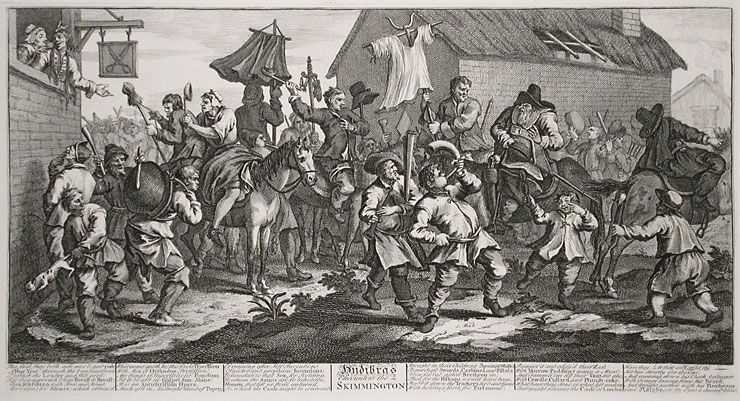
Canadian folklore encompasses the traditional material passed down through generations, either as oral literature or through custom and practice. It includes songs, legends, jokes, proverbs, weather lore, superstitions, and traditional crafts and foodways. The largest and most foundational bodies of folklore belong to Indigenous and French-Canadian cultures, with English-Canadian traditions and those of more recent immigrant groups adding significant layers to the national heritage. This living tradition serves to instruct, entertain, and express communal identity, reflecting Canada's diverse geography and history.
Indigenous Folklore and Mythology
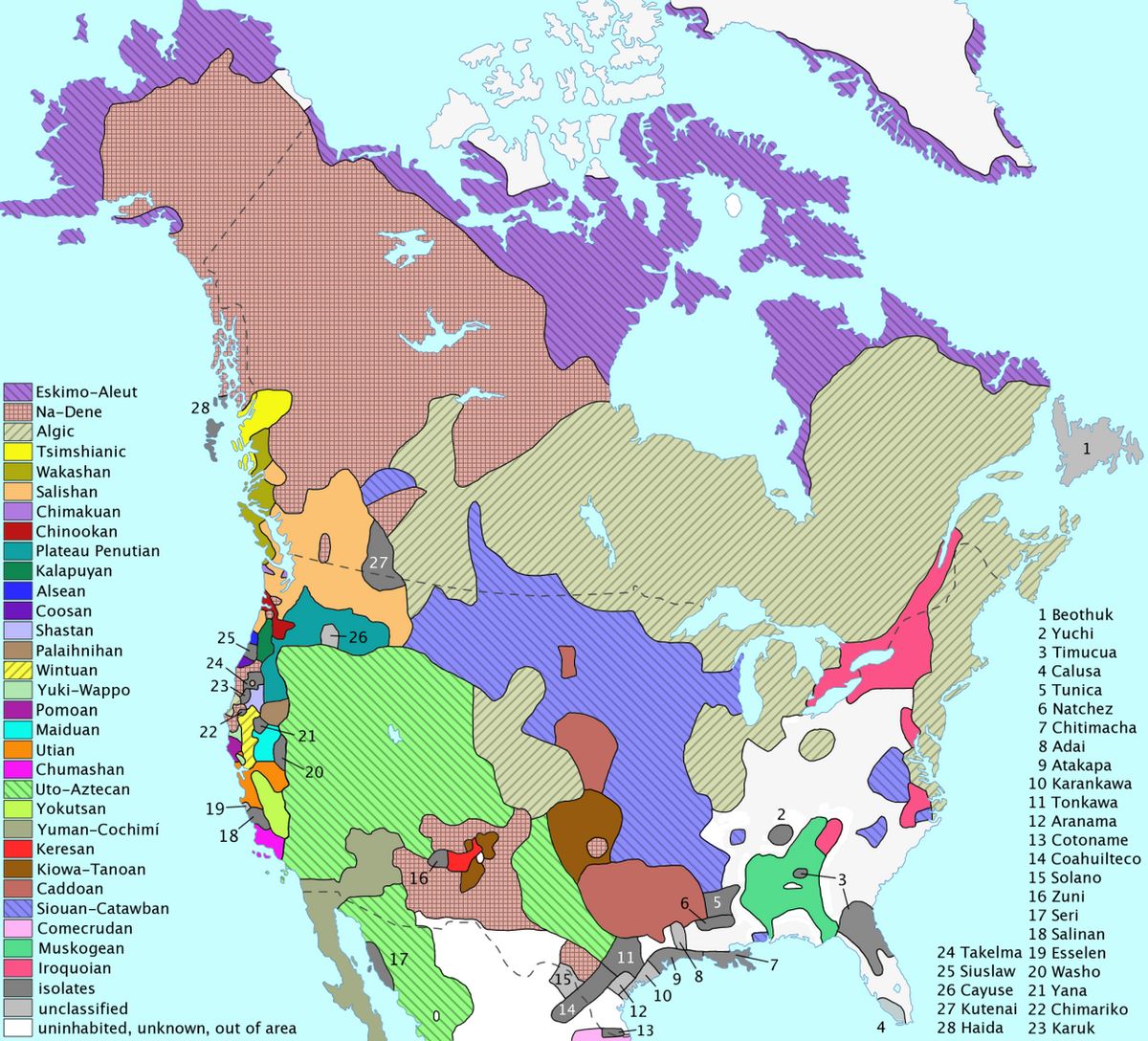
Indigenous folklore forms the bedrock of Canadian traditional knowledge, with its own formal structures that often challenge European-derived definitions of the genre. Nineteenth-century ethnographers like Horatio Hale noted that creation myths and stories explaining sacred ceremonies were treated as articles of religion, transmitted with scrupulous exactness. Storytelling was often governed by strict cultural protocols, such as among the Cree, who traditionally restricted fictional tales to winter evenings, believing summer narration could bring supernatural harm. Indigenous folklore is frequently studied according to major language families, which group diverse cultures across vast geographical distances, such as the Algonquian family that includes both Mi'kmaq and Odawa traditions.
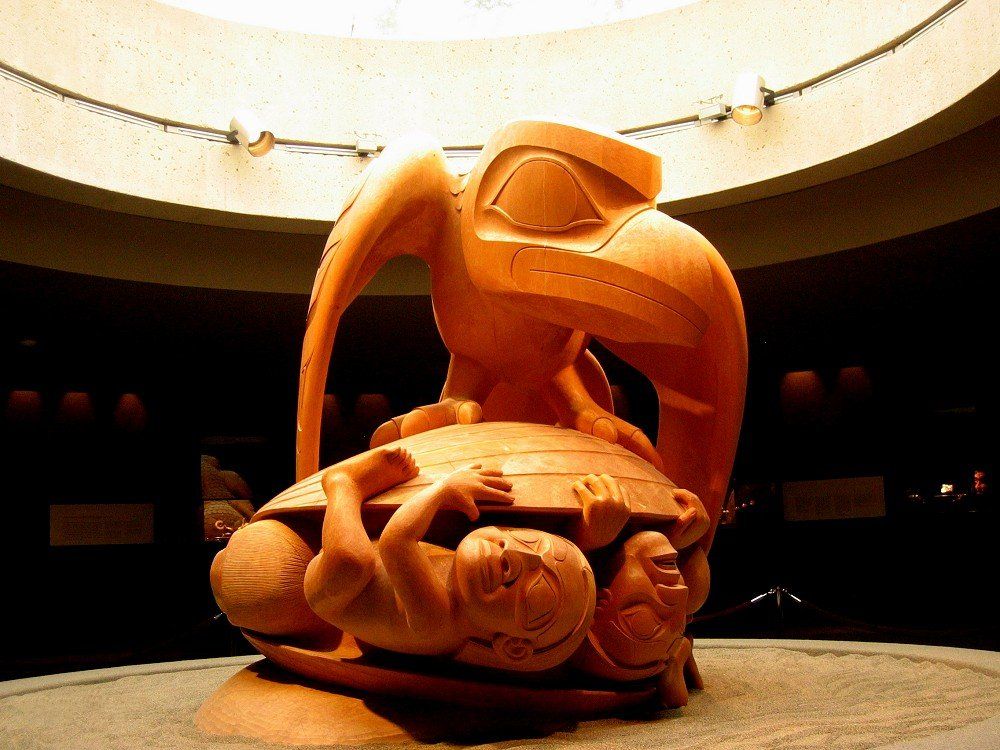
Central themes in Indigenous mythology include sacred creation stories, such as the Haida narratives of Raven, a celestial being who established the laws of nature and was present at the creation of people. Another widespread creation story from Northeastern Woodlands tribes describes the formation of Turtle Island (North America) through the efforts of Muskrat and Turtle. Myths frequently explain the origins of landscape features, animals, and natural phenomena, often involving supernatural beings. The trickster figure Nanabozho is central to Ojibwa and broader Anishinaabe mythology, while Glooscap serves as a transformer and culture hero for the Wabanaki peoples.
Other narratives explain the origins of vital cultural elements, such as the first corn or sacred rituals like the sun dance. Cryptids, or mythical beasts, are a notable part of some Indigenous folklore, with stories of beings like Sasquatch and the Wendigo persisting into modern times. The chilling legend of the chenu, recounted by Mi'kmaw poet Julie Pellissier-Lush, tells of a woman transformed into a frozen-hearted monster, illustrating themes of sacrifice and the supernatural. These narratives are not merely entertainment but integral frameworks for understanding the world, the cycle of life, and humanity's place within nature.
Prominent Figures and Beings in Indigenous Folklore- Raven: The Haida trickster and creator being who brought light and order.
- Nanabozho: The Ojibwa trickster spirit and cultural hero.
- Glooscap: The giant transformer and hero of Wabanaki mythology.
- Wendigo: A malevolent, cannibalistic spirit or being from Algonquian traditions.
- Chenu: In Mi'kmaw legend, a monster with a heart of ice, born from a curse.
- Sasquatch/Bigfoot: A large, hairy, human-like cryptid reported across the country.
- Ogopogo: A lake serpent said to inhabit Okanagan Lake.
French-Canadian Folklore
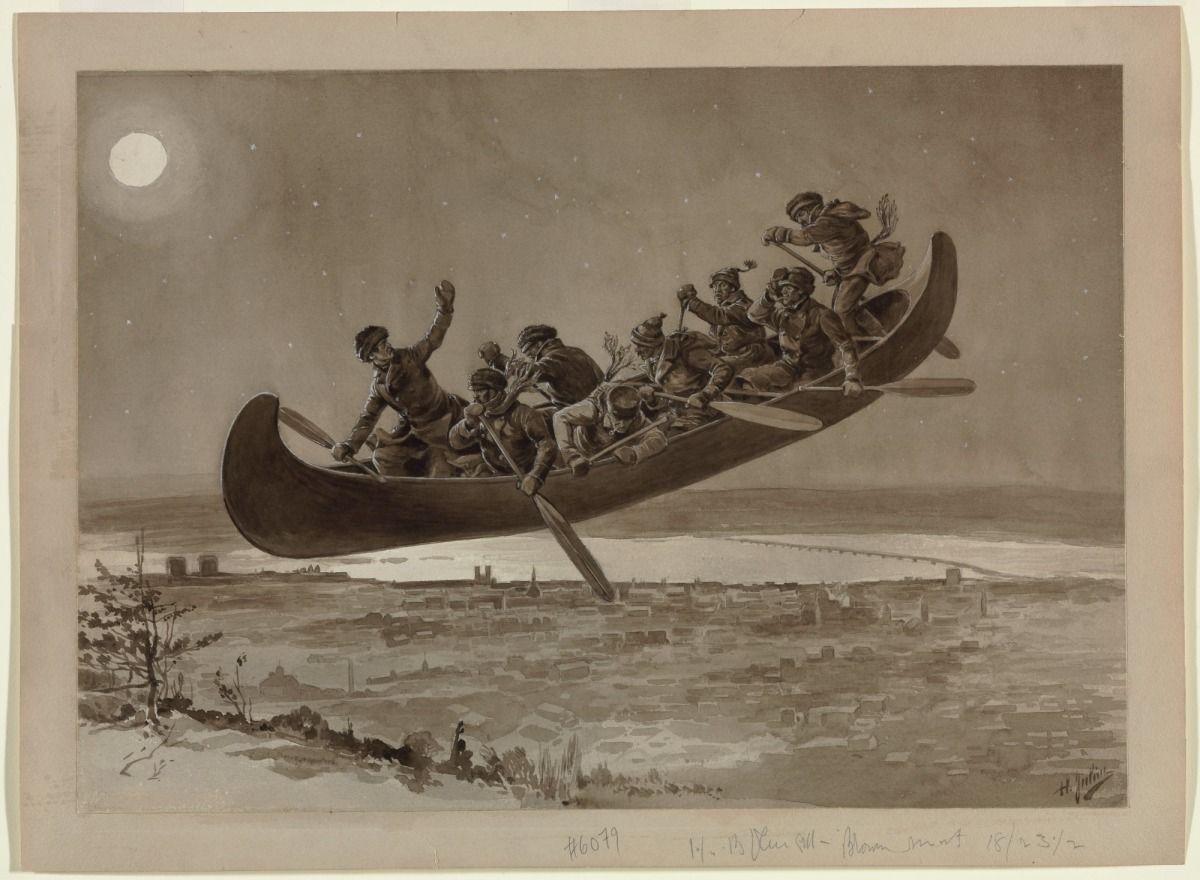
Rooted in the traditions of France, French-Canadian folklore evolved distinctively in the settlements of New France and Acadia. It features stock characters like Ti-Jean, an everyman figure, and heroes born from local experience, such as the hunter Dalbec and the voyageur Jean Cadieux, whose adventures are celebrated in one of the earliest French-Canadian folksongs. Supernatural elements are pervasive, with legends of loup-garou (werewolves) and shape-shifting sorcerers who turn into owls or bears to torment enemies. The frequent presence of demons and priests in these stories attests to the dominant role of Catholic rituals in everyday colonial life.
The folklore of the coureurs des bois and voyageurs is particularly rich, centred on the chansons (songs) they sang to coordinate paddling and maintain morale during long canoe journeys. Evening gatherings known as veillées in habitant communities were venues for sharing folksongs and tall tales. Rituals tied to Church holidays also form a key part of this tradition. The Temps des fêtes, or Candlemas, marked the end of the Christmas season in Quebec and Acadian communities, celebrated by making crepes or donuts from the last of the wheat harvest.
The round, golden shapes of the food symbolized the sun, the coming spring, and the completed harvest cycle. A more recent folk tradition that adapts a French custom is the Tintamarre parade in Acadia, a noisy celebration similar to the medieval Charivari. The preservation and development of French-Canadian folklore were historically aided by factors like colonial policies that restricted French-language publishing and schooling, which helped maintain a strong oral culture well into the twentieth century. Early French-Canadian writers often incorporated these traditional customs and legends into their works, ensuring their continued relevance.
English-Canadian and Regional Folklore
English-Canadian folklore originates from the diverse settler groups from England, Scotland, Ireland, and Loyalists from the American Revolutionary War, each bringing and adapting their traditions. Subsequent waves of immigrants have added to this mix. Oral traditions in Canada are strongly regional, influenced by vast geography and isolated settlement patterns. Folklorists like Helen Creighton dedicated their work to documenting specific regional traditions, such as Nova Scotia sea-songs and ballads.
In the Atlantic provinces, the folklore of Newfoundland is heavily influenced by settlers from southeast Ireland and southwestern England. Stories featuring the stock character Jack, who is lazy but resourceful against giants or ghosts, were retold in isolated outports, gaining a distinctive local flavour. Local and Irish folk music, including Canadian fiddle music, remains integral to the regional culture. Ghost stories are prominent, exemplified by the legend of the Dungarvon Whooper, a tale from 1860s New Brunswick about a murdered cook whose eerie screams are said to still haunt the woods.
Central Canada's folklore includes lore connected to historical figures, such as the infamous Black Donnellys of Lucan, Ontario, a family at the centre of allegations that ended in a massacre, a story popularized by Thomas P. Kelly in the 1950s. The lumber industry spawned a genre of heroic tales that spread throughout the Great Lakes region. Real historical figures like Quebec lumberjack Joseph Montferrand were transformed into folk heroes like "Big Joe Mufferaw" by Ottawa Valley storytellers. Other heroes include Julius Neville, Louis Cyr, and Napoleon La Rue. The log driving life also inspired folk songs like The Log Driver's Waltz.
Among the later immigrant groups to Canada, the folklore of settlers in the western Canadian Prairies has been much studied. Folklore traditions brought from Central and Eastern Europe have survived in Ukrainian, Lithuanian, Doukhobor, Mennonite, and other communities of the region. In Northern Canada, folk tales about the adventurers in northern Canada provide more examples of folk heroes based on real historical people. These include the stories told about Sam Steele and "Klondike Kate" (Kathleen Rockwell). Verse ballads by poet Robert Service told tall tales about colourful Klondike characters, such as The Cremation of Sam McGee and The Shooting of Dan McGrew. The poems were partly based on real events and people, but through popular repetition grew into folklore.
Modern Manifestations and Urban Legends
Folklore continues to thrive in modern Canada, adapting to contemporary settings and concerns. Annual festivals like the Winnipeg Folk Festival present a range from traditional crafts to contemporary folk music, while multicultural events such as Toronto's former Caravan, Winnipeg's Folklorama, and Edmonton's Heritage Festival celebrate ethnic traditions. These events often focus on the sensory aspects of folklore, including unique foods, dances, and music. Modern scholarship recognizes folklore's role in helping people comprehend their social and natural environment, with a continuity seen from ancient myths to modern superheroes.
Urban legends and local lore have become a significant part of contemporary Canadian folklore. These often involve cryptids and mysterious phenomena reported across the country. In the lakes of Manitoba, stories persist of long, serpentine creatures named Manipogo and Winnipogo, first named by land inspector Tom Locke in the 1960s. Believers suggest they may be undiscovered species, while skeptics attribute sightings to moose or large sturgeon. In Victoria, British Columbia, the legend of the Shelbourne Street Time Warp purports that a fissure in time can transport travellers to a rural 19th-century version of the street, particularly on October nights between 2:00 and 3:00 a.m.
To become folklore, a song, story, custom or belief must go through a process of "folklorization" and meet the criteria and approval of the receiving community. During this filtering process, the item may undergo one or more revisions before it definitely enters into the community's cultural heritage. Along with general recognition and appreciation, anonymity and variation are also features that characterize the folkloric process. Thus, jokes come in many versions, folk songs in many variations and Easter eggs with different designs. The main purposes of folklore are to instruct, support, entertain and express communal and individual artistic taste and creativity. Modern scholarship has shown that folklore is an important aspect of all cultures because it helps people to comprehend and cope with their social and natural environment.
Examples of Modern Canadian Cryptids and Legends- Manipogo/Winnipogo: Serpentine lake monsters reported in Lakes Manitoba and Winnipegosis.
- Ogopogo: The famous lake serpent of Okanagan Lake in British Columbia.
- The Shelbourne Street Time Warp: A purported temporal vortex on a street in Victoria, BC.
- The Toronto Tunnel Monster: A legendary creature said to inhabit the city's underground.
- The Burning Ship: A phantom vessel reported in various maritime ghost stories.
- Lake Leviathans: A general term for large, unknown creatures in Canadian lakes.
Preservation, Study, and Cultural Impact
The study and preservation of Canadian folklore have been supported by various factors, including historically rural populations, periods of illiteracy, and the use of folklore to foster local and national identity. French Canada experienced a "golden age" of oral literature partly due to colonial policies that limited French-language publishing and education. Today, academic and community efforts continue to document and celebrate these traditions. The 2025 publication "Le Catalogue raisonné du conte populaire français en Amérique du Nord" represents ongoing scholarly work, while the Spring 2026 edition of Folklore Magazine from the Saskatchewan History & Folklore Society focuses on the theme "Routes and Roots."
Organizations like the Department of Canadian Heritage and its portfolio are important in supporting cultural life. Community groups such as the Community Folk Art Council of Toronto and academic centres like the Kule Centre for Ukrainian and Canadian Folklore contribute to this work. The popular Heritage Minutes television segments have successfully integrated Canadian history and folklore into dramatic storylines, reaching a wide audience. These efforts ensure that folklore remains a living, dynamic part of the national conversation.
Initiatives led by Indigenous communities and their allies highlight the ongoing relevance and adaptation of traditional knowledge. The UFCW Canada Indigenous Committee, in collaboration with the Assembly of Seven Generations, produces an annual calendar highlighting significant cultural dates. The 2026 edition, titled "Carrying Forward," builds on the success of the 2025 inaugural calendar, promoting reconciliation and cultural awareness. Such projects demonstrate how folklore is not a static relic but a means of carrying forward values, history, and identity for future generations.
Major Folk Festivals and Public Events
Public festivals and events are primary venues where Canadian folklore is performed, celebrated, and transmitted to new audiences. These gatherings range from large-scale music festivals to community-based multicultural celebrations, each presenting different facets of the nation's folk traditions. They serve both to preserve traditional forms and to allow for contemporary interpretations and fusions. The Winnipeg Folk Festival is one of the most prominent and enduring events, featuring a wide array of talent from traditional weavers to contemporary folk singers.
Similarly, multicultural festivals like Winnipeg's Folklorama and Edmonton's Heritage Festival offer presentations of the diverse ethnic traditions that contribute to Canada's folklore. These events utilize sophisticated programming to present the sensory appeal of folk culture, including dance, music, food, and crafts, to urban audiences. The Folk Canada conference is another key event, where artists, scholars, and enthusiasts gather. The challenge of choosing which artists to see at the 2026 conference, as noted in previews, is likened to selecting food from a mile-long menu, indicating the richness and variety of available talent.
| Event Name | Location | Primary Focus |
|---|---|---|
| Winnipeg Folk Festival | Winnipeg, Manitoba | Contemporary and traditional folk music, crafts |
| Folklorama | Winnipeg, Manitoba | Multicultural pavilions presenting global traditions |
| Heritage Festival | Edmonton, Alberta | Ethnic cultural displays, food, and performances |
| Folk Canada conference | Various locations | Gathering for folk artists, scholars, and enthusiasts |
Questions about Canadian folklore
What are some famous creatures from Canadian folklore?
Canadian folklore features several famous mythical creatures and cryptids. From Indigenous traditions come beings like the Wendigo, a cannibalistic spirit from Algonquian lore, and the Sasquatch or Bigfoot, a large, hairy humanoid reported across the country. Lake monsters are particularly prevalent, with Ogopogo in Okanagan Lake and the serpentine Manipogo and Winnipogo reported in Lakes Manitoba and Winnipegosis. The Mi'kmaw legend of the chenu describes a monster with a heart of ice. These stories often explain natural phenomena or serve as cautionary tales within their cultures.
How did French-Canadian folklore develop?
French-Canadian folklore developed from French traditions brought by early settlers, adapting to the new environment of New France and Acadia. It incorporated stock characters like Ti-Jean and created new heroes from local experiences, such as the voyageur Jean Cadieux. The dominant presence of the Catholic Church influenced legends featuring priests, demons, and supernatural beings like the loup-garou (werewolf). The songs of the coureurs des bois and voyageurs, along with evening veillées (gatherings), were key to its oral transmission. Colonial policies that restricted French-language publishing and schooling inadvertently helped preserve this strong oral culture well into the 20th century.
Who are some important figures in English-Canadian folklore?
Important figures in English-Canadian folklore often stem from historical events and regional industries. The notorious Black Donnellys of Lucan, Ontario, are central to a folklore of crime and vengeance. Lumberjack heroes are prominent, with real-life figure Joseph Montferrand of Quebec transformed into the folk hero "Big Joe Mufferaw" in Ottawa Valley tales. In Newfoundland, the stock character Jack, derived from Irish and British tradition, became a lazy but clever local hero. From the Klondike Gold Rush, figures like Sam Steele and "Klondike Kate" (Kathleen Rockwell) entered folklore, further popularized by poet Robert Service's ballads about characters like Sam McGee.
What is the significance of Turtle Island in Indigenous folklore?
Turtle Island is a central creation story in the folklore of many Northeastern Woodlands Indigenous tribes. It describes the formation of the North American continent on the back of a great turtle. In one common version, various animals attempt to dive to the bottom of the primordial waters to bring up earth. After others fail, Muskrat succeeds, placing the earth on Turtle's back, which then expands to become the land. This myth explains the origin of the world and establishes a deep, spiritual connection between the people, the animals, and the land itself, embodying themes of cooperation, perseverance, and the sacredness of the earth.
Are there any modern urban legends in Canada?
Yes, modern urban legends are a significant part of contemporary Canadian folklore. One notable example is the legend of the Shelbourne Street Time Warp in Victoria, British Columbia, where drivers and pedestrians are said to occasionally slip into a 19th-century version of the street. Other tales include various reports of tunnel monsters in cities like Toronto and phantom ships, such as the Burning Ship. Cryptid sightings also persist, with ongoing reports of lake creatures like Manipogo. These stories are shared and adapted within communities, demonstrating the ongoing process of folklorization in an urban, modern context.
How is Canadian folklore preserved and celebrated today?
Canadian folklore is preserved and celebrated through a combination of academic study, community initiatives, and public festivals. Scholars continue to document traditions, as seen in the 2025 publication of a major catalogue of French North American folktales. Organizations like the Saskatchewan History & Folklore Society publish magazines like Folklore, with a 2026 issue on "Routes and Roots. Major public events include the Winnipeg Folk Festival, multicultural festivals like Folklorama, and the Folk Canada conference. Indigenous-led projects, such as the UFCW Canada Indigenous Committee's annual calendar (the 2026 edition is titled "Carrying Forward"), promote cultural awareness and reconciliation, ensuring traditions remain living and relevant.
Sources and further reading
- Canadian folklore (Wikipedia)
- Folklore (thecanadianencyclopedia.ca)
- Lore and Legends (canadashistory.ca)
- Canadian folklore | We, the North, Canada, WordPress.com (wethenorthcanada.wordpress.com)
Checked by the Novello Desserts desk. Last updated 2026-10-28.