Cardigan
A cardigan is a knitted garment with an open front, typically fastened with buttons, though zippers or ties are also common. Named after James Brudenell, the 7th Earl of Cardigan, this versatile piece of clothing originated from the knitted waistcoats worn by British military officers. In Canada, cardigans are a staple of the wardrobe, appreciated for their adaptability across seasons and settings, from casual weekend wear to layered office attire. Their enduring popularity stems from a blend of practical warmth, ease of wear, and timeless style that transcends fleeting fashion trends.
Description and Design
A cardigan is fundamentally defined by its open front, which distinguishes it from a pullover sweater that must be pulled over the head. This opening can be secured with a variety of fastenings, most traditionally with buttons, but modern designs also frequently incorporate zippers. Some cardigans are designed without any fastenings at all, meant to be worn open. While the classic cardigan is a knitted garment, sometimes woven versions exist, and a garment that ties in the front is typically classified as a robe rather than a cardigan. The construction can range from machine-knitted for mass production to hand-knitted pieces, offering a wide spectrum of textures and finishes. Historically, wool was the primary material, but contemporary cardigans are made from cotton, acrylic, polyester, and various blends, making them accessible and suitable for different climates and sensitivities.
Cardigans are open fronted garments that can be worn like a jacket. They are usually knitted but sometimes woven, and they may have buttons or zippers. Traditionally made of wool, cardigans may now be made of cotton or synthetic fibers. In British English, a baby's short cardigan is called a matinee jacket. A garment that ties in front is typically considered a robe, not a cardigan.
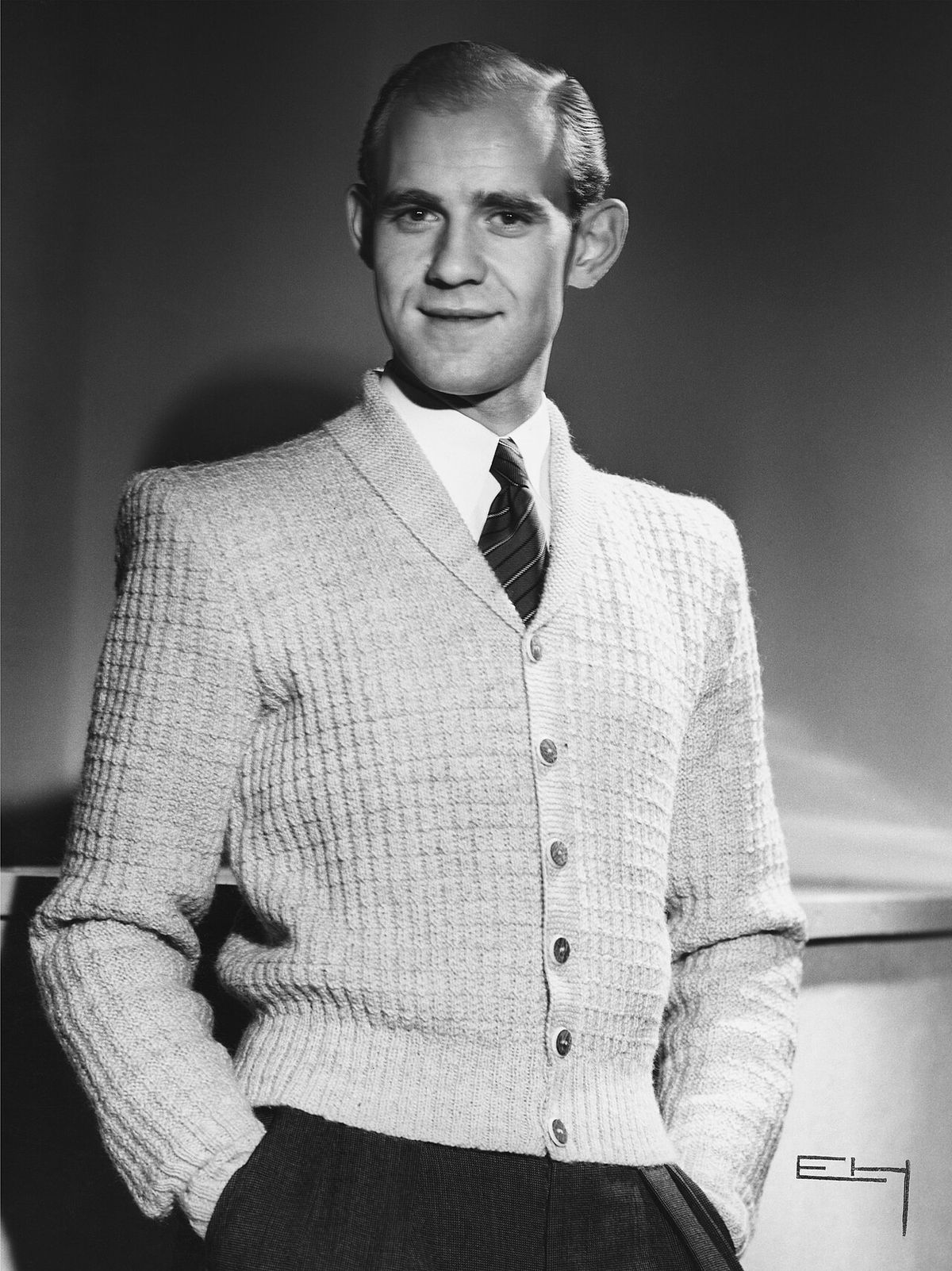
- Button-front cardigan: The traditional style with a vertical row of buttons.
- Zippered cardigan: Features a full-length or partial zipper closure.
- Open-front cardigan: Designed without fastenings, worn draped open.
- Vest cardigan: A sleeveless version, also historically the original form.
- Longline or duster cardigan: Extends to mid-thigh or knee length.
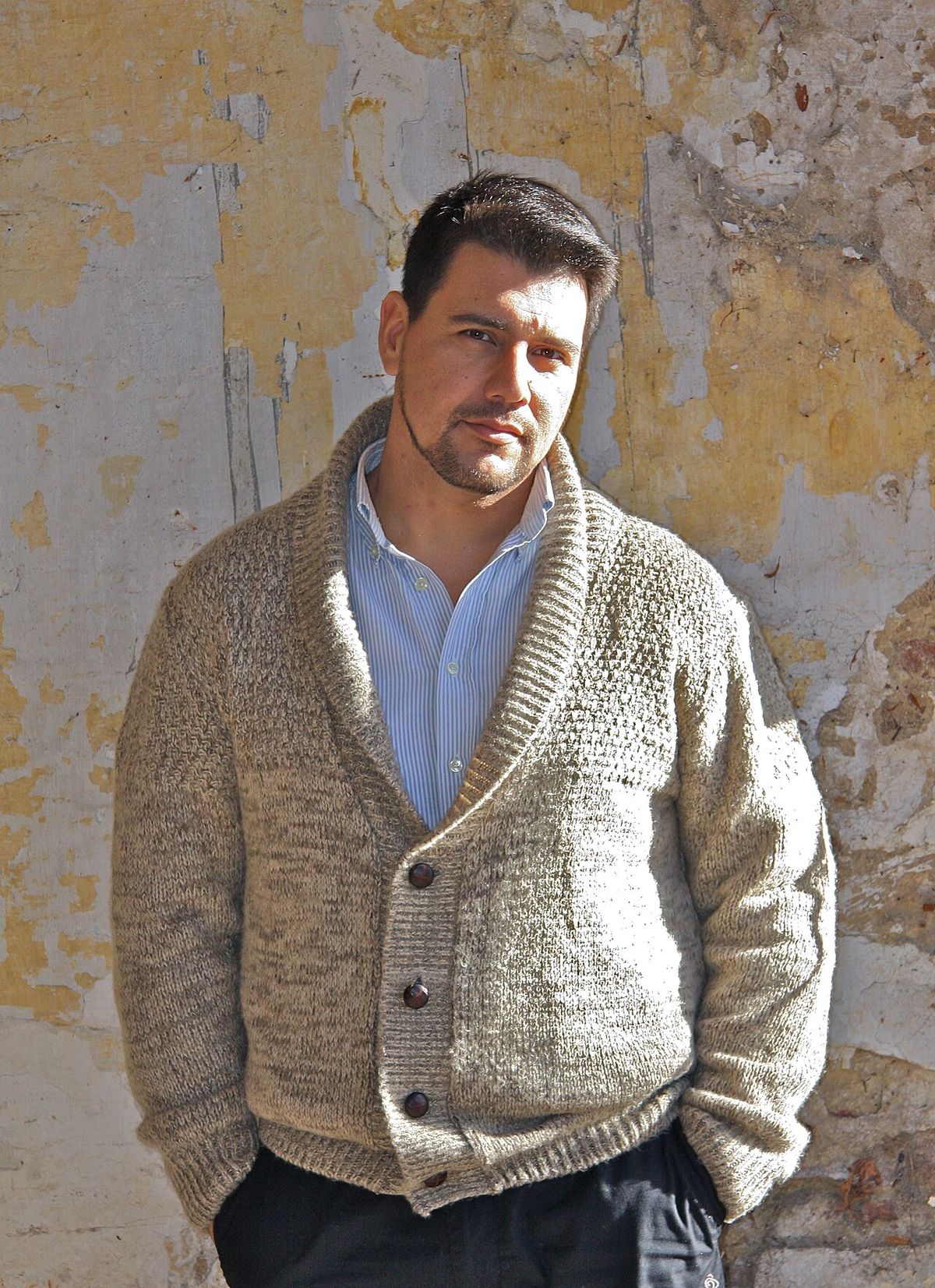
- Chunky knit cardigan: Made with thick yarn for a heavy, textured look.
- Fine-gauge cardigan: Knitted thinly for a sleek, formal appearance.
- Matinee jacket: The British term for a baby's short cardigan.
Historical Origins
The cardigan owes its name and initial popularity to James Brudenell, the 7th Earl of Cardigan, a British Army major general during the Crimean War. The garment was modelled after the knitted wool waistcoats that British officers were known to wear during the war for added warmth. A popular, though likely apocryphal, story claims Brudenell invented the style after the tails of his coat were accidentally burnt off in a fireplace, leading him to commission a shorter, sleeveless knitted vest. Initially, the term 'cardigan' referred specifically to this sleeveless vest.
Evolution in Fashion
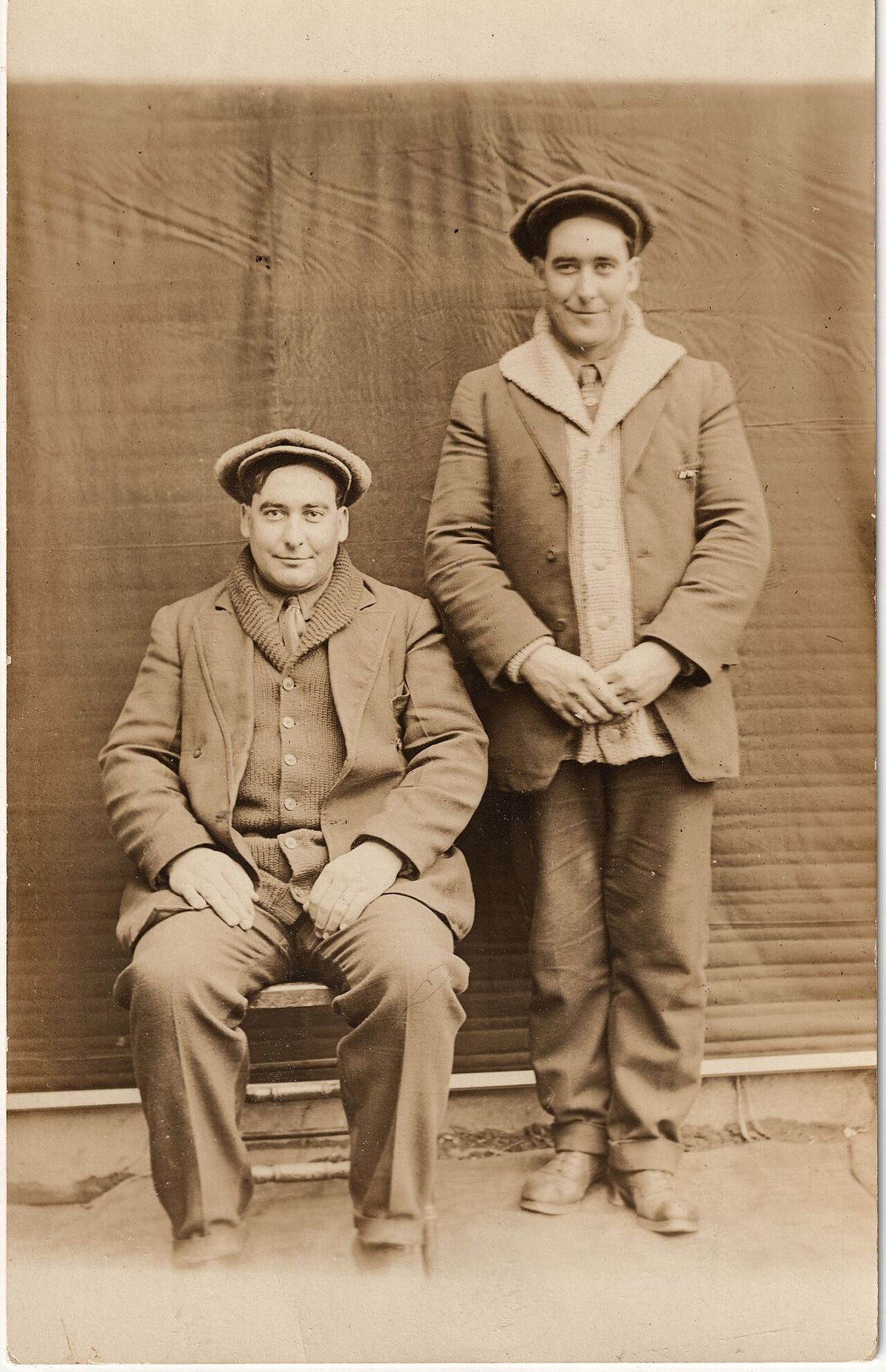
The cardigan's journey from military-inspired menswear to a unisex fashion staple involved several key cultural moments. Her adoption of the style introduced it to high fashion and everyday women's wear. The garment became strongly associated with the collegiate culture of the Roaring Twenties and early 1930s, often bearing varsity letters for sports teams. It enjoyed renewed popularity in subsequent decades, notably the 1950s, 1970s, 1990s, and 2000s, each era interpreting the cardigan with different silhouettes, patterns, and cultural connotations. Its consistent resurgence demonstrates a timeless appeal that adapts to contemporary styles.
The cardigan was named after James Brudenell, the 7th Earl of Cardigan. It became associated with college culture in the Roaring Twenties and early 1930s. The garment was also popular throughout the 1950s, 1970s, 1990s, and 2000s. Its popularity continued into the early 2010s. Coco Chanel is credited with popularizing cardigans for women.
- 1950s: A staple of conservative and preppy fashion for men and women.
- 1970s: Embraced in various knit styles as part of casual fashion.
- 1990s: Revived as part of grunge and minimalist fashion movements.
- 2000s: A key layer in popular business-casual and preppy styles.
- Early 2010s: Maintained popularity as a versatile wardrobe basic.
Common Uses and Styling
The cardigan's primary appeal lies in its remarkable versatility, functioning as both an insulating layer and a style piece. In formal or business-casual settings, a plain, fine-knit cardigan is often worn over a dress shirt and under a suit jacket as a less restrictive alternative to a waistcoat. It helps contain a necktie once the suit jacket is removed. For casual wear, cardigans are commonly layered over T-shirts, turtlenecks, or blouses. They are suitable for all seasons but are most frequently worn during spring, autumn, and winter for added warmth. The monochromatic cardigan, whether sleeved or in vest form, remains a conservative fashion staple. Its open-front design allows for easy adjustment to changing temperatures and activity levels, making it a practical choice for the variable Canadian climate.
Plain cardigans are often worn over shirts and inside suit jackets. They serve as a less formal version of a waistcoat. Cardigans can be worn in casual or formal settings and in any season. A monochromatic cardigan is a conservative fashion staple. For formal wear, it may be worn over a dress shirt, or less formally over a T-shirt.
- Formal/Business: Over a dress shirt, often with a tie, and under a suit jacket.
- Business Casual: Over a collared shirt or blouse with trousers or a skirt.
- Smart Casual: Over a plain T-shirt or turtleneck with jeans or chinos.
- Casual Weekend: Over a graphic T-shirt or tank top with casual trousers or shorts.
- Academic/Sport: A varsity cardigan or letterman jacket with team insignia.
- Evening Wear: A fine-knit cardigan over a dress or evening blouse.
- Layering Piece: Worn under a coat or overcoat for added insulation in cold weather.
Materials and Variations
Cardigans are produced in a vast array of materials, weights, and styles to suit different purposes and preferences. Traditional wool cardigans, including merino and cashmere, offer superior warmth and breathability. Cotton cardigans are popular for lighter weight and year-round comfort, while synthetic fibres like acrylic and polyester provide affordability, durability, and easy care. Key variations beyond the basic button-front style include the zippered cardigan, the longline or duster cardigan, and the chunky knit or 'grandpa' cardigan. In British English, a baby's short, buttoned cardigan is specifically known as a matinee jacket. The choice of material directly affects the garment's function, from a lightweight cotton cardigan for summer evenings to a dense wool blend for winter.
Cultural Significance
Beyond mere clothing, the cardigan has accrued cultural meaning in various contexts. In academic settings, especially in the United States and Canada, cardigans and letterman jackets adorned with varsity letters symbolize athletic achievement and school spirit. The garment has been embraced by numerous cultural figures, from academics and writers to musicians and television characters, often signifying intelligence, comfort, or a certain relaxed, non-conformist attitude. Its association with figures like television host Fred Rogers, with his well-known zip-up cardigan, reinforced its image as a garment of kindness and comfort. The cardigan's enduring presence through over a century of fashion trends demonstrates its status as a reliable, functional, and subtly expressive component of everyday dress. The cardigan's design and use reflect broader social changes in formality, gender roles, and personal expression throughout modern history.
Questions about Cardigan
Why is it called a cardigan?
The garment is named after James Brudenell, the 7th Earl of Cardigan, a British Army officer who led the Charge of the Light Brigade during the Crimean War. It was modelled after the knitted wool waistcoats worn by British officers for warmth during the war. Lord Cardigan's fame after returning to Britain helped popularize the style, which eventually took his name. The term originally described only a sleeveless knitted vest before expanding to include the full range of garments known today.
What is the difference between a cardigan and a sweater?
The key difference is the front closure. A cardigan has an open front that is usually fastened with buttons, a zipper, or sometimes worn open. A sweater, specifically a pullover, does not open in the front and must be pulled on over the head. All cardigans are a type of sweater, but not all sweaters are cardigans. The cardigan's open design allows it to be worn more like a jacket, providing easier ventilation and removal than a pullover.
Can cardigans be worn in formal settings?
Yes, cardigans can be appropriate for formal or business-casual settings. A fine-knit, plain cardigan in a neutral colour is often worn over a dress shirt and sometimes under a suit jacket as a modern alternative to a waistcoat or vest. It provides a polished look while offering more comfort and ease of movement than a traditional vest. This style is considered a less formal version of the waistcoat that still restrains the necktie when the outer jacket is taken off.
What are cardigans typically made from?
Cardigans are made from a wide variety of materials. Traditionally, they were made from wool, which provides excellent warmth. Today, common materials include cotton for lighter weight and breathability, and synthetic fibres like acrylic and polyester for affordability and easy care. Many cardigans are also made from blends of these materials to combine their beneficial properties. The choice of material affects the garment's weight, texture, and suitability for different seasons and occasions.
What is a matinee jacket?
A matinee jacket is the British English term for a baby's short cardigan. It is a small, typically knitted jacket with an open front, fastened with buttons, designed to keep an infant warm. The term is specific to this type of garment for babies and is not used for adult-sized cardigans. This reflects the cardigan's versatility and adaptation for all ages, from infants needing a practical, easy-to-put-on layer to adults wearing it in professional settings.
Who popularized cardigans for women?
French fashion designer Coco Chanel is credited with popularizing cardigans for women. She reportedly preferred cardigans because she hated how tight necked men's pullover sweaters messed up her hair when she pulled them over her head. Her influence helped make the garment a fashionable item for women. This popularization occurred during the college culture of the Roaring Twenties and early 1930s. The cardigan has remained a recurring fashion item in various decades since then.
Sources and further reading
- Cardigan (Wikipedia)
- The Life of a Sweater (blog.tincanknits.com)
- Cardigans and Jeans, Everyday Style (crazyblondelife.com)
- 13 Cozy Cardigans for Chilly Planes, Breezy Beach Towns, ... (cntraveler.com)
- Everyday Cardigan: A top-down, seamless-yoke sweater ... (amazon.ca)
Checked by the Novello Desserts desk. Last updated 2026-10-21.