Las Vegas small businesses struggle with fewer tourists, higher costs
Owners say sales are down and expenses have risen due to tariffs and conflict, forcing price hikes and cuts.
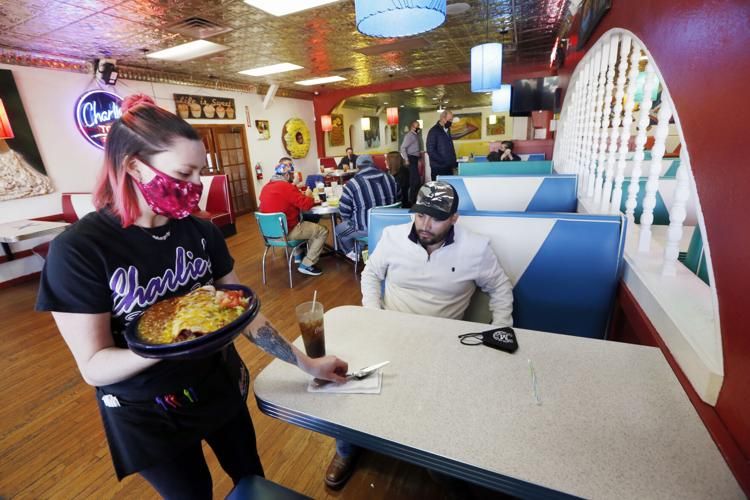
LAS VEGAS — Small businesses in Las Vegas are grappling with a sharp drop in customers and rising costs for supplies, driven by tariffs and global conflict.
Sales at Brew Tea Bar are down 20% to 30% from last year because fewer people are traveling to Las Vegas, owner Sou Ngo said.
"Used to be crazy busy in the summer on the Strip," Ngo said. "Now, we can see that it’s a huge drop in our sales."
READ MORE: Air Canada selects Traverse platform for corporate direct booking
READ MORE: Scotiabank warns diesel price shock will raise grocery and shelter costs by 2026
International visits to Las Vegas fell 4.8% in 2025, according to the Las Vegas Convention and Visitors Authority.
Tourism from Canada, Las Vegas’ largest foreign market, fell 17.4% from 2024 to 2025.
Frank Fossen, an economics professor at the University of Nevada, Reno, said economic pressures hit Las Vegas small businesses harder because the city relies on tourism.
"We see a big drop in tourism, especially international tourism. And international tourists are those who usually spend the most money," Fossen said.
Fossen linked part of that drop to the Trump administration’s trade policies.
Former president Donald Trump began his second term in January 2025 and has since imposed volatile tariffs, including a 10% global tariff, a 25% tariff on many goods from Mexico and Canada, and fluctuating tariffs on China.
Fossen pointed to "the reputation decrease of the United States related to tariffs, among other things," especially among Canadians.
An estimated 78 mom-and-pop restaurants closed in Clark County in the first half of 2026, according to RestaurantData.
John Simmons, owner of Firefly Tapas Kitchen and Bar, said he's also seeing far fewer customers.
He was forced to cut workers last year when business fell 15% from the previous year, and this year the restaurant is operating in the red.
It’s not just a downturn in customers, businesses are also facing higher costs.
Ngo said the price of the plastic cups his shop buys from China has risen from 10 cents to 35 cents this year, after conflict in the Middle East disrupted oil supplies.
The price of the shop’s matcha from Japan has doubled, driven partly by a 15% U.S. tariff on Japanese imports and partly by the drink’s growing popularity, he said.
Ngo has raised prices twice since Trump began his second term, the first in June 2025.
A regular tea now costs about $1 more than before.
"We don’t like to increase our prices," Ngo said. "If you look at a lot of the boba shops around, we are pretty competitive. We try to pay as low as possible for our customers."
Fuel is another strain.
The U.S. war in Iran has disrupted global oil supplies and pushed up gasoline prices.
AAA reported Monday that the national average price for gasoline was $4.33 a gallon, up around $1.30 from a year ago.
At a roundtable earlier this month with U.S. Sen. Catherine Cortez Masto, D-Nev., Ricardo Corral, owner of Best Landscape LLC, said fuel costs at his business have risen from $400 to $600 per vehicle per week.
"There’s moments where I’ve had to break even … because I’d rather have my employees continue working," Corral said.
The combination of high costs and fewer customers shrinks profit margins and makes it harder for businesses to stay afloat, Fossen said.
Juanny Romero, CEO of Mothership Coffee Roasters, said her company runs on thin 5% profit margins that leave little room for error.
A 12-ounce vanilla latte at Mothership costs $7 today, up from $5.25 four years ago.
To manage, Ngo said his shop is pressing managers to calculate costs and labour strictly.
The owners considered replacing employees with touchscreen kiosks but decided against it.
Fossen said the peak in business closures may be over if current conditions hold steady, but the situation could worsen, leading to more closures.
"Other businesses in the area benefit from other businesses being around, because then they’re drawing consumers," Fossen said.
The uncertainty also makes it harder for businesses to plan, Fossen said.
"I can’t even imagine what the next few months are going to look like," Ngo said.
With files from Las Vegas Sun