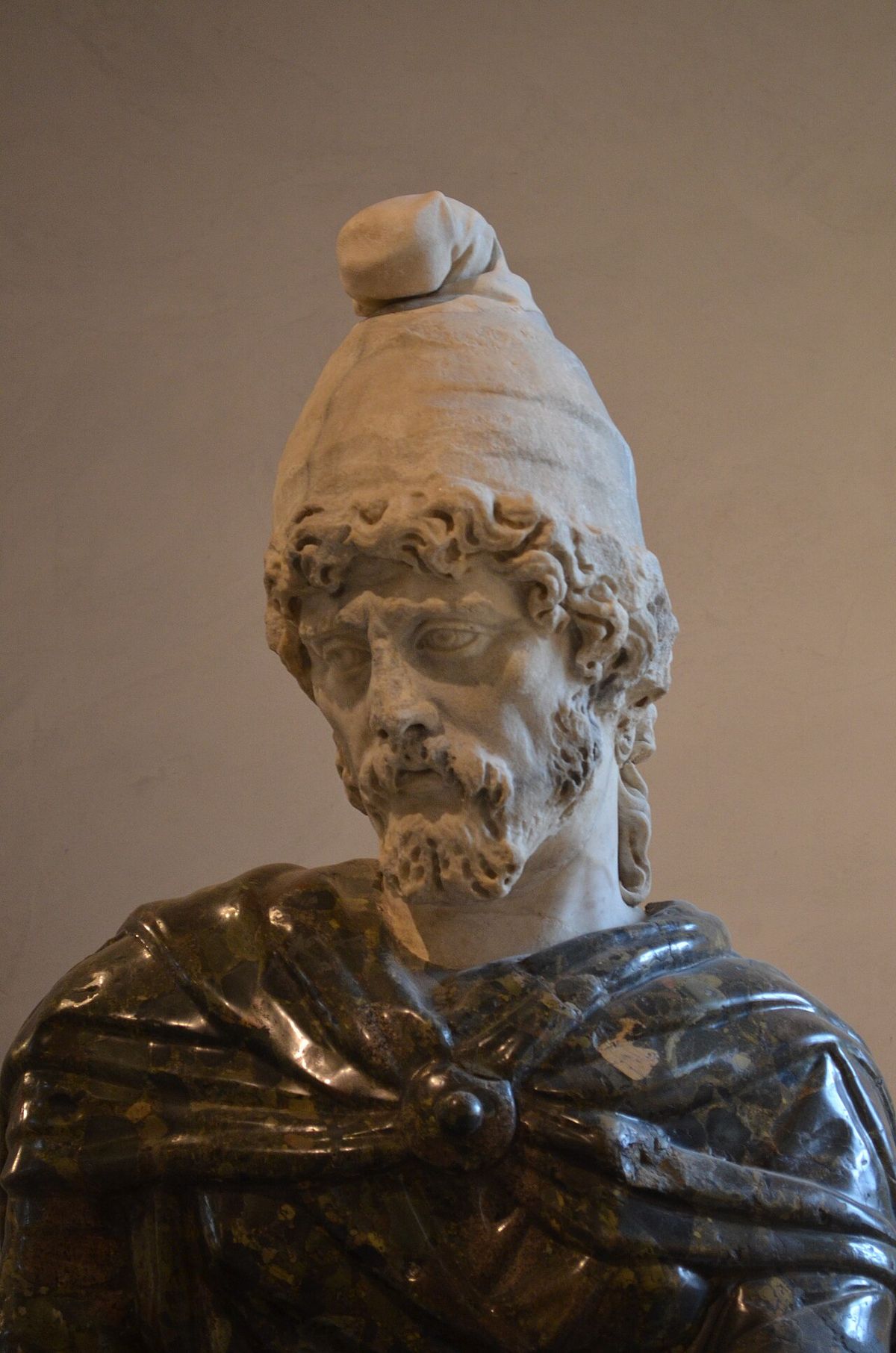
Knit cap
A knit cap is a piece of knitted headwear designed to provide warmth in cold weather, characterized by a simple tapered shape and often a folded brim. In Canadian English, it is most commonly known as a toque, a term with deep roots in the nation's history from the fur trade era. This garment is a practical necessity across Canada's varied climate and has evolved into a significant cultural symbol and a versatile fashion item. Its many variations, including styles with pom poms, ear flaps, or a full balaclava design, serve functions ranging from everyday winter wear to specialized use in outdoor sports and work.
Construction, Design, and Historical Precursors
The basic construction of a knit cap involves knitting in the round to create a smooth tube that is tapered at the crown. The stretch of the knit fabric provides a secure fit on the head. Many caps feature a folded brim or cuff, which adds thickness over the ears and allows for style adjustment. Decorative elements include a pom pom, bobble, or loose tassels on top. A significant historical precursor is the Monmouth cap from 15th century Wales, which was knitted from coarse two ply wool and then felted to make it weatherproof. The construction of the Monmouth cap involved casting on at the lower edge, knitting towards the top, and gathering the last stitches to form a rounded crown, with a separate inner brim knitted and joined. This early design established the functional blueprint for later knit caps used by sailors, fishers, and outdoor labourers across Europe and eventually the world.
Global Nomenclature and Regional Variations
The knit cap is found worldwide in cold climates and is known by a multitude of local names reflecting its widespread utility. In general American English, common terms include beanie and watch cap, the latter specifically used by the United States military for headgear worn while on duty. In British English, it is often called a bobble hat or woolly hat. Regional American terms include toboggan for a knit cap, sometimes with ear flaps, in the Southern United States, and tossle cap in Western Pennsylvania English. In Scandinavia, caps with pom poms are known as tophue or topplue and have been part of traditional dress since the Viking Age. Specialized designs include the chullo from the Andes, which has integrated ear flaps with ties, and the balaclava, a pull down style covering the head and neck with a face opening, named after the Battle of Balaclava in the Crimean War.
Etymology and the Canadian Spelling Debate
The Canadian term for a knit cap, most often spelled toque or tuque, originates from Canadian French. The word 'tuque' is thought to derive from the long woollen caps worn by voyageurs and coureurs des bois during the North American fur trade. These French and Métis traders reportedly wore their nightcaps for added warmth on cold winter journeys. The term entered Canadian English around 1870. Proposed etymologies are varied, including a link to the Middle Breton word 'toc' or modern Breton 'tok' for hat, and a possible connection to the Spanish 'tocar' (to touch), referring to the long cap ends touching the wearer's shoulders. There is no consensus on spelling within Canada. Major dictionaries are divided, with the Gage Canadian and later the Canadian Oxford Dictionary preferring 'toque', while others like the Nelson Canadian have listed 'tuque'. The Canadian Press Stylebook follows the Canadian Oxford, making 'toque' standard in most publications, yet 'tuque' remains widely used and recognized. An informal 2013 poll by CBC Edmonton showed public division, with the non standard spelling 'touque' also receiving votes.
Cultural Significance and Symbolism in Canada
The toque occupies a unique space in Canadian culture as both essential winter gear and a national symbol. Its history is deeply tied to the country's early economic and social development through the fur trade. The garment's practicality for surviving harsh winters made it commonplace, embedding it in the national consciousness. The toque also carries political symbolism, a red tuque was used as a symbol of French Canadian nationalism during the 1837 Patriotes Rebellion, echoing the Phrygian cap of liberty. This symbol was later briefly revived by the Front de libération du Québec in the 1960s. Beyond politics, the toque is considered a unifying symbol of Canadian identity, worn by English and French speakers alike. Its portrayal in popular culture, most notably as the headwear of SCTV's Bob and Doug McKenzie, reinforced its status as an informal national emblem. The toque's evolution continues with modern sub styles like the bruque, a toque with a brim favoured by snowboarders.
Materials, Manufacturing, and Functional Considerations
Traditional knit caps were made almost exclusively from wool, valued for its excellent insulation and moisture wicking properties even when wet. Modern manufacturing utilizes a wide range of materials. Synthetic fibres like acrylic and polyester are common, offering affordability, easy care, and consistent performance. Blends of natural and synthetic fibres balance warmth, softness, and durability. High end versions are made from cashmere or fine merino wool for superior softness and lightweight warmth. The manufacturing process can be hand knitting or industrial machine knitting, the latter enabling mass production. When selecting a knit cap for function, material and design must match the activity. For everyday urban winter use, a standard wool or acrylic beanie suffices. For high output activities in very cold conditions, moisture wicking synthetics or wool blends are preferable. For extreme cold and wind, designs with more coverage like balaclavas or chullos with ear flaps are necessary. Proper fit is crucial, a hat that is too tight can cause discomfort, while a loose fit compromises warmth.
Fashion Evolution and Contemporary Trends for 2026
The knit cap's journey from utilitarian workwear to fashion accessory is marked by several shifts. In the late 20th century United Kingdom, the bobble hat was associated with utilitarian unfashionability and older football supporters, having been popular in club colours during the 1960s and 1970s. A significant change occurred in the early 21st century when knit caps, driven by the geek chic trend, became fashionable items. Current trends for 2026 indicate this fashion status remains strong. The dominant silhouette is the ribbed, slouchy, or cuffed beanie, often in soft, fuzzy knits. Colour palettes are drawn from nature, featuring warm, earthy neutrals like chestnut brown, burgundy, sage green, rust, cream, and denim blue. Patterns are a key trend, with Nordic inspired Fair Isle and geometric knits providing a cozy aesthetic, and animal prints like leopard adding a bold accent. Other trending winter hat styles for the season include short brim fedoras and wide brimmed felt hats with a western influence, but the knitted beanie remains the classic casual winter hat for everyday wear.
Health Considerations and Broader Social Perceptions
A recurring question about frequent knit cap use is its potential link to hair loss. Scientific studies on this subject offer mixed conclusions. The primary concern is that consistently wearing a very tight hat could cause traction alopecia, a form of hair loss resulting from constant tension on the hair follicles. Additionally, a hat that is overly warm and worn for prolonged periods might create a humid scalp environment that could theoretically stress follicles. However, for the average person wearing a properly fitted hat during seasonal activities, there is little definitive evidence to suggest it causes thinning or loss. Beyond physical effects, the knit cap carries varied social perceptions. In different contexts, it has been viewed as purely functional, unfashionable, a symbol of subculture, or a high fashion item. The balaclava, due to its face concealing properties, holds associations with military use, winter sports, and certain protest or tactical scenarios. Ultimately, across its many forms and names, the knit cap remains a fundamentally democratic piece of clothing, providing essential warmth to people in cold regions globally.
Questions about Knit cap
What is the correct spelling for the Canadian knit cap: toque, tuque, or touque?
There is no single correct spelling, as usage is divided across Canada. The spelling 'toque' is endorsed by the Canadian Oxford Dictionary and is therefore the standard in most Canadian publications and media. The spelling 'tuque' is the original Canadian French spelling and remains very common in everyday use. The spelling 'touque' is also seen informally but is not considered standard by dictionaries. The first Dictionary of Canadianisms on Historical Principles listed separate entries for both 'toque' and 'tuque', acknowledging both forms. The choice often comes down to regional or personal preference.
What are the key winter hat fashion trends for 2026?
Key trends for winter hats in 2026 emphasize cozy, nature inspired aesthetics. The ribbed, slouchy beanie remains a dominant everyday style. Colours are rich, earthy neutrals such as chestnut brown, burgundy, sage green, rust, and cream. Patterns are highly popular, particularly Nordic inspired knits like Fair Isle and classic geometric designs. Animal prints, especially leopard, are used to add a bold accent to beanies and caps. Beyond knit caps, other trending styles include short brim fedoras and wide brimmed felt hats with a western or cowboy influence, often in wool felt.
Is there a difference between a beanie and a toque?
In a Canadian context, the terms are often used interchangeably to refer to the same knitted winter hat. However, the word 'toque' (or 'tuque') is the culturally specific Canadian term. 'Beanie' is a more generic term used in other English speaking countries. It is important to note that in some parts of Canada and the United States, 'beanie' can also refer to a different type of brimless cap that is not knitted, but instead made from sewn panels of felt, twill, or other woven fabric, which is typically floppier in structure.
What materials make the warmest knit hats for Canadian winters?
For maximum warmth in harsh Canadian winters, natural fibres like wool and cashmere are excellent choices. Wool provides superior insulation, retains heat even when damp, and wicks moisture away. Cashmere is exceptionally soft and offers great warmth for its lightweight feel. High quality synthetic fibres, such as polyester used in performance gear, can also provide significant warmth and often have advantages like moisture wicking and quick drying. For the coldest days, the design of the hat is as important as the material, a style with ear flaps, a longer back to cover the neck, or a full balaclava design will provide more comprehensive protection than a standard beanie.
How did the toque become associated with Canadian identity?
The toque's association with Canadian identity stems from its deep historical roots and practical necessity. Its use dates back to the voyageurs and coureurs des bois of the fur trade era, linking it to foundational periods of Canadian history. As a simple, effective solution for winter warmth, it became ubiquitous across the country, worn by people in all regions and from all walks of life. This shared practical use made it a common cultural touchstone. Its status was further cemented through popular culture, such as the portrayal of Bob and Doug McKenzie, and its recognition as a distinctly Canadian term for a common item, setting it apart from other English speaking nations.
Sources: Wikipedia and current public reporting, checked by the Novello Desserts desk. Last updated 2026-10-21.