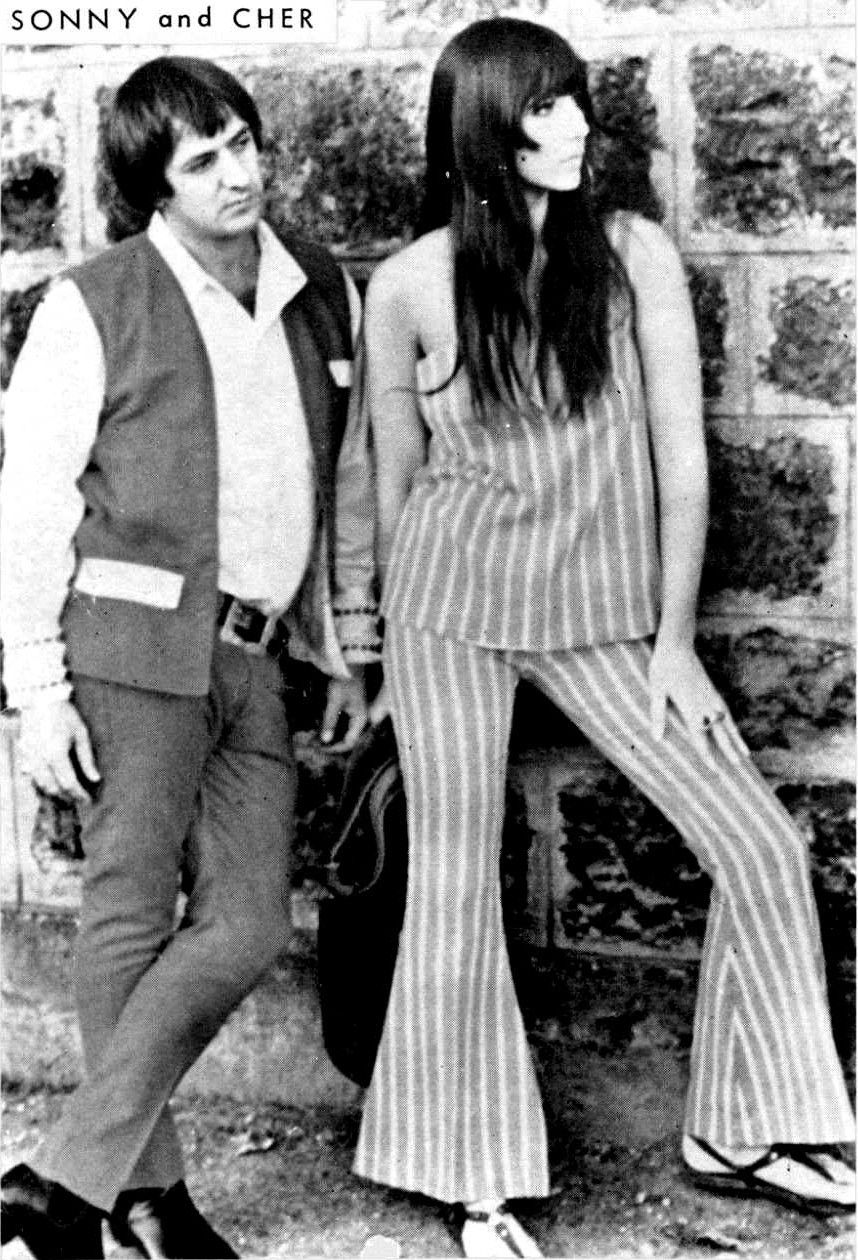
Wide-leg trousers
Wide-leg trousers, often colloquially called baggy pants, are a style of pants characterized by a loose, flowing silhouette that is significantly wider at the hem than slim or straight-leg cuts. This versatile garment, with a circumference at the hem of at least 20 inches, has experienced multiple waves of popularity, from its rebellious roots in 20th-century subcultures to its current status as a polished wardrobe staple. In 2026, wide-leg pants are celebrated in Canadian fashion for their unique combination of comfort, sophistication, and adaptability, moving beyond a fleeting trend to become a foundational piece for everyday life. Their evolution reflects broader shifts in fashion philosophy, prioritizing proportion, drape, and intentional styling over restrictive, body-conscious silhouettes.
Historical Evolution and Cultural Significance
The history of wide-leg trousers spans centuries and continents, reflecting changes in society, class, and rebellion. These were replaced by tighter styles until the French Revolution of 1788, when baggy pantaloons became a symbol of the working-class sans-culottes against the aristocratic knee breeches. In parallel, loose-fitting garments like harem pants and the shalwar kameez have been traditional everyday wear in regions like Iran and Afghanistan for modesty and comfort. The style took on a rebellious edge in the 20th century, beginning with Oxford university students in the 1920s who wore wide Oxford bags over knickerbockers for rugby. This was followed by the zoot suits of the 1930s and 1940s, where Black, Italian, and Mexican American communities wore extremely wide-legged, high-waisted pants as a form of protest against wartime rationing and as a distinctive cultural marker.
The modern fashion cycle for wide-leg trousers began in the 1980s with the rise of hip-hop and breakdancing, where Hammer pants and parachute pants facilitated movement. The style exploded in the 1990s, adopted by skaters, punks, ravers, and rappers as a counterpoint to the skinny jeans of metalheads and grunge. These baggy jeans, sometimes called "baggies" in the UK, became a defining feature of nu metal and pop punk fashion into the early 2000s. While the trend waned among some demographics by the mid-2000s, it remained strong within African American and Latino communities. A significant revival began in the late 2010s, fueled by the Y2K aesthetic and a pandemic-driven shift towards comfort, solidifying its place in the 2020s fashion landscape with new iterations like barrel leg and horseshoe jeans.
The 2026 Wide-Leg Silhouette and Key Styles
By 2026, the wide-leg trouser has evolved into a refined and intentional wardrobe essential, distinct from the more exaggerated cuts of previous decades. The contemporary version is characterized by a high-rise waist, a fit that is tailored through the hips and upper thigh, and a clean, gradual drape from the thigh downward. This construction creates a balanced proportion that is both flattering and comfortable, moving away from the overly dramatic, palazzo-inspired shapes of earlier revivals. The fabric is important, with preferred materials including soft stretch denim, flowing crepe, breathable linen, and polished suiting wool, all chosen for their ability to drape elegantly rather than add bulk. The overall effect is one of polished ease, making the trousers suitable for a wide range of settings from the office to casual weekend outings.
Several specific styles have emerged as particularly popular in the 2026 market. The classic wide-leg trouser features a straight, clean line from thigh to hem and is a fundamental piece for professional wear. Barrel leg jeans curve outward from the thigh and back in at the ankle, creating a rounded silhouette. The Gstaad pant, a newer proposal, offers a more structured and fun take with unique detailing. For denim specifically, the 2026 wide-leg jean, as exemplified by styles like the "Chloe," is designed with stretch fabric that holds its shape all day, is fitted through the hip, and opens into a full sweep. The key distinction from related cuts is that true wide-leg pants open from the thigh and fall straight, unlike flare or bell-bottom jeans which widen specifically below the knee.
Fundamental Styling Principles for Everyday Wear
The single most important rule for styling wide-leg pants in 2026 is to balance the volume below the waist with a fitted top. This principle creates a deliberate, polished look that prevents the outfit from appearing shapeless or overwhelming. A fitted top establishes a clear visual distinction, allowing the eye to appreciate the contrast between the streamlined upper half and the flowing lower half. This balance is foundational whether the pants are made of denim, linen, or suiting material, and it applies universally across body types and ages. The goal of contemporary styling is no longer to disguise the body but to work with proportion, drape, and personal confidence to create an outfit that feels both current and authentically stylish.
Executing this balance effectively involves specific garment choices and styling techniques. A ribbed tank top or a fitted knit sweater, neatly tucked into the high-rise waistband of the pants, serves as a reliable and elegant starting point. For a more casual approach, a simple tee with a quality drape, also tucked in, works perfectly. The act of tucking is critical as it defines the waistline and anchors the outfit. For those seeking a more relaxed, effortless feel, the half-tuck is an invaluable technique. This involves tucking only the front portion of the top into the waistband while leaving the back free, which creates definition and a sense of movement without a rigid, fully tucked appearance. This method is especially useful with longer or slightly oversized tops that might otherwise conflict with the pants' volume.
- Balance volume with a fitted top tucked into the waistband.
- Use a half-tuck for a relaxed, effortless silhouette with longer tops.
- Choose tops in fabrics like silk, merino wool, or fine cotton for a clean drape.
- Ensure the top creates a visual anchor against the pant's flow.
Building Outfits for Work and Casual Settings
Wide-leg trousers have firmly established themselves as a professional and polished option for the workplace in 2026. One of the most put-together work outfits combines a wide-leg suiting trouser with a silky blouse and structured loafers. The drape of the blouse against the trouser creates elegant movement, and the choice of a classic loafer complements most pant textiles. For a more authoritative look, a tailored blazer can be paired with a simple silk tee and wide-leg pants, ensuring the blazer is fitted to maintain the essential volume balance. In more casual office environments, a lighter-weight knit sweater with a banded hem paired with wide-leg trousers and smart sneakers or sleek oxfords strikes the right note of comfort and style. The versatility of the silhouette allows it to transition from a formal meeting to a post-work dinner with minimal adjustment.
For everyday casual wear, wide-leg pants offer great comfort and style. The foundational outfit consists of a wide-leg pant in denim or a soft fabric paired with a fitted tee or tank, often with a half-tuck, and completed with casual footwear. The choice of shoe is important in casual styling, sneakers, flat sandals, or ankle boots can all work depending on the pant's weight and length. A cardigan or a lightweight jacket layered over a fitted base maintains the proportion rule while adding practicality for changing weather. The ethos for casual styling in 2026 is intentional simplicity, where each piece is chosen for its fit and contribution to the overall balanced silhouette, moving away from the oversized head-to-toe looks of earlier trends.
| Setting | Top Recommendation | Footwear | Key Styling Note |
|---|---|---|---|
| Professional Office | Silk blouse or fitted knit | Structured loafers | Full tuck for polished definition |
| Business Casual | Tailored blazer over silk tee | Oxfords or sleek pumps | Blazer should be fitted, not boxy |
| Creative Workplace | Banded-hem sweater | Smart sneakers | Maintain top volume control |
| Weekend Casual | Fitted tee or tank | Sneakers or flat sandals | Half-tuck for effortless feel |
| Evening Out | Fitted bodysuit or camisole | Heeled sandals or boots | Define waist with tuck or belt |
Selecting the Right Pair for Your Body and Lifestyle
Choosing a successful pair of wide-leg pants involves careful consideration of fit, fabric, and rise. The most critical measurement is the rise, a high-rise waistband is essential as it creates the necessary proportion anchor by defining the waist above the widest part of the leg. This is particularly important for shorter or curvier individuals, as a low rise can disrupt the silhouette's balance. The fit through the hips and thighs should be tailored but not tight, allowing the fabric to drape smoothly from that point downward. When trying on pants, the drape should fall in a clean line without pulling or bunching, and the hem should ideally graze the top of the foot for a modern look. Fabric weight also matters, heavier fabrics like wool suiting create a more structured, formal pant, while lighter linens and rayons offer a breezy, casual feel.
Understanding your primary need for the pants will guide the selection process. For a wardrobe workhorse, a pair in a neutral colour like black, navy, or tan made from a medium-weight fabric with some stretch offers maximum versatility. For denim enthusiasts, a high-rise, dark-wash wide-leg jean with a moderate stretch composition provides comfort and polish for casual Fridays and weekends. Brands catering to a wide range of sizes and heights, such as Universal Standard, Old Navy, Lane Bryant, and Aritzia, have made the silhouette more accessible. The key is to prioritize fit over trendiness, a well-fitting pair that follows the high-rise, fitted-hip, clean-drape formula will be wearable and flattering for years, transcending seasonal micro-trends.
The Cultural Shift from Trend to Wardrobe Staple
The journey of wide-leg trousers from a subcultural statement to a mainstream wardrobe staple reflects a significant shift in fashion philosophy. In the early 2010s, after decades dominated by skinny jeans, the introduction of a wider leg felt radical. By 2026, however, the wide-leg pant has become a normalized and often dominant silhouette in retail, frequently easier to find than straight or skinny cuts. This normalization signals a move away from fashion rules designed to minimize or conceal the body. The outdated advice that tight pants make one look slimmer has been replaced by a focus on proportion, personal comfort, and intentional styling. The wide-leg trouser embodies this shift, as its flattery comes from its architecture and how it is worn, not from compressing the body.
This evolution has been driven by several factors, including the prolonged comfort-seeking trend accelerated by the COVID-19 pandemic and the cyclical revival of Y2K and 1990s aesthetics. More deeply, it represents a broader acceptance of diverse silhouettes and a rejection of one-size-fits-all style dogma. Women and men across Canada now choose wide-leg pants not because they are told to by fashion magazines, but because they have personally experienced the silhouette's unique benefits, comfort for all-day wear, a polished appearance with minimal effort, and versatility across countless occasions. The wide-leg pant in 2026 is less about making a fashion statement and more about providing a reliable, sophisticated, and adaptable foundation for everyday dressing.
Questions about Wide-leg trousers
What is the most important rule for styling wide-leg pants?
The cardinal rule for styling wide-leg pants in 2026 is to balance the volume below the waist with a fitted top. This creates a deliberate, polished silhouette by providing a visual anchor. A fitted top, such as a ribbed tank, a slim knit, or a tucked-in tee, defines the waist and contrasts elegantly with the flowing pant leg. This principle of proportion ensures the outfit looks intentional and sophisticated rather than overwhelming, regardless of your body type or the pant's fabric.
Can shorter people wear wide-leg pants?
Yes, shorter individuals can absolutely wear wide-leg pants successfully by paying close attention to fit and proportion. The key is to choose a pair with a high-rise waistband to elongate the torso and define the waist clearly. Opting for a consistent, clean drape from the thigh down without excessive width or a cropped hem that is too short is also helpful. Pairing them with a fitted top and shoes with a slight heel or a pointed toe can further streamline the silhouette, creating a balanced and flattering look that does not overwhelm a smaller frame.
What is the difference between wide-leg pants and bell-bottoms?
The primary difference lies in where the pant leg widens. Wide-leg pants have a large circumference from the thigh down to the hem, creating a relatively straight, flowing silhouette from the upper leg. Bell-bottoms, or flare jeans, are fitted through the thigh and knee and then dramatically widen from the knee downward. Essentially, wide-leg pants are broadly voluminous, while bell-bottoms have a specific, trumpet-like flare starting at the knee, making them distinct styles within the broader category of looser-fitting trousers.
What shoes should I wear with wide-leg pants?
Footwear choice depends on the pants' fabric and the occasion. For tailored, work-appropriate wide-leg trousers, structured loafers, oxfords, or sleek pumps work well, often with a slight heel to prevent the hem from dragging. With wide-leg jeans or casual linen pants, sneakers, flat sandals, or ankle boots are excellent choices. The general guideline is to consider the volume and length of the pant, a chunkier shoe can balance a heavier fabric, while a more delicate shoe pairs well with lighter materials. The goal is to create a cohesive line from the leg to the foot.
How do I find wide-leg pants that fit my body type?
Finding the right fit focuses on three key areas: rise, hip fit, and drape. Prioritize a high-rise waist to define your natural waistline and create proportion. Look for a fit through the hips and thighs that is tailored but not constricting, allowing the fabric to drape smoothly. The fabric should fall in a clean line from the widest part of your thigh without pulling or adding bulk. Trying on pants from brands that offer petite, tall, or extended size ranges can help achieve a perfect fit. Remember, the right pair will make you feel comfortable and confident, not hidden.
Are wide-leg pants still in style for 2026?
Wide-leg pants are absolutely still in style for 2026, having evolved from a trend into a genuine wardrobe staple. The current 2026 version is characterized by a more refined, intentional, and modern approach compared to earlier oversized styles. These pants are celebrated for being simultaneously polished and comfortable, making them suitable for workdays, weekends, and everything in between. Key features include a flattering high-rise waist, a soft drape, and clean details that create an effortlessly put-together look. Their staying power is attributed to their versatility and the shift towards comfortable yet sophisticated clothing, solidifying their place as a foundational piece in contemporary fashion.
Sources and further reading
- Wide-leg trousers (Wikipedia)
- How to Style Wide Leg Pants as a Grown Woman (2026 ... (wardrobeoxygen.com)
- How to Style Wide Leg Pants in 2026 | Modern Outfit Ideas (shoplordon.com)
- Wide-leg pants are everywhere in 2026 : shop styles for ... (globalnews.ca)
- Best Wide Leg Jeans for Women (2026 Guide) (charliebcollection.ca)
Checked by the Novello Desserts desk. Last updated 2026-10-28.