Canada's Wonderland
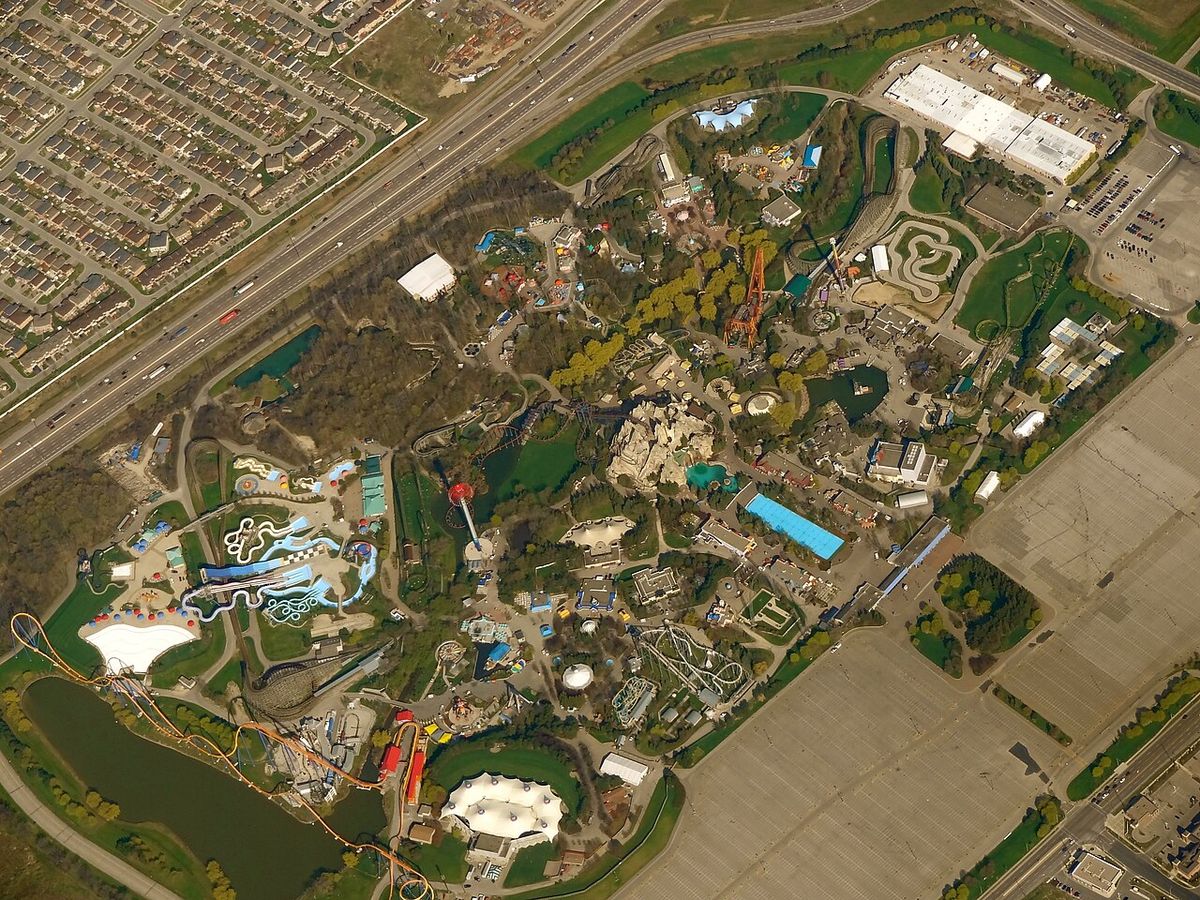
Canada's Wonderland is a major seasonal amusement park located in Vaughan, Ontario, within the Greater Toronto Area. Opened in 1981 as the first major theme park in Canada, it remains the country's largest, featuring 68 attractions across 330 acres, including 18 roller coasters and the 20-acre Splash Works water park. The park is a significant tourist destination and cultural fixture, operating from spring through early January and hosting special events like Halloween Haunt and WinterFest. In 2022, it was the most visited seasonal amusement park in North America, welcoming an estimated 3.8 million guests.
History and Development
In 1972, the Taft Broadcasting Company, led by Kelly Robinson, proposed building a 330-acre theme park in the village of Maple within Vaughan, selecting the site for its proximity to Toronto and major highways after considering other Ontario locations like Niagara Falls, Cambridge, and Milton. The project faced opposition from local cultural institutions such as Ontario Place and the Royal Ontario Museum, which were concerned about market competition, and from resident groups like the Vaughan association SAVE, which worried about traffic and reduced property values. To address concerns about aesthetics and noise, the developers made concessions such as building a landscaped berm around the park and modifying the appearance of the large parking lot, and in August 1975, they chartered a flight for local officials to visit their Kings Island park in Ohio to demonstrate its community impact, which impressed Vaughan mayor Garnet Williams. The park's promoters also successfully convinced the provincial government to amend its planning policy for the region, which was initially focused on directing development east of Toronto, in order to secure necessary infrastructure improvements including a highway overpass and sewage systems that were expanded to the site.
Construction officially began on 13 June 1979 after Ontario Premier Bill Davis triggered a ceremonial explosion on the site from St. Lawrence Hall in downtown Toronto. The park was built at a cost of $120 million, with Canadian firms involved in the preliminary design and engineering, and the landmark Wonder Mountain was constructed by a dozen local companies under Cincinnati engineer Curtis D. Summers. Canada's Wonderland opened to the public on 23 May 1981 with a grand ceremony attended by Premier Davis and Taft Broadcasting President Dudley S. Taft Sr., featuring 10,000 helium balloons, 13 parachutists, 350 white doves, a pipe band, and four children representing Canada's regions pouring water into the park's fountain. Special guest Wayne Gretzky helped raise the Canadian flag, and 12,000 guests were welcomed on the first day, marking the debut of Canada's first major theme park which was designed without a replica Eiffel Tower like its sister parks, instead featuring Wonder Mountain with a huge waterfall and interior pathways that have been closed for many years.
Ownership Transitions and Major Eras
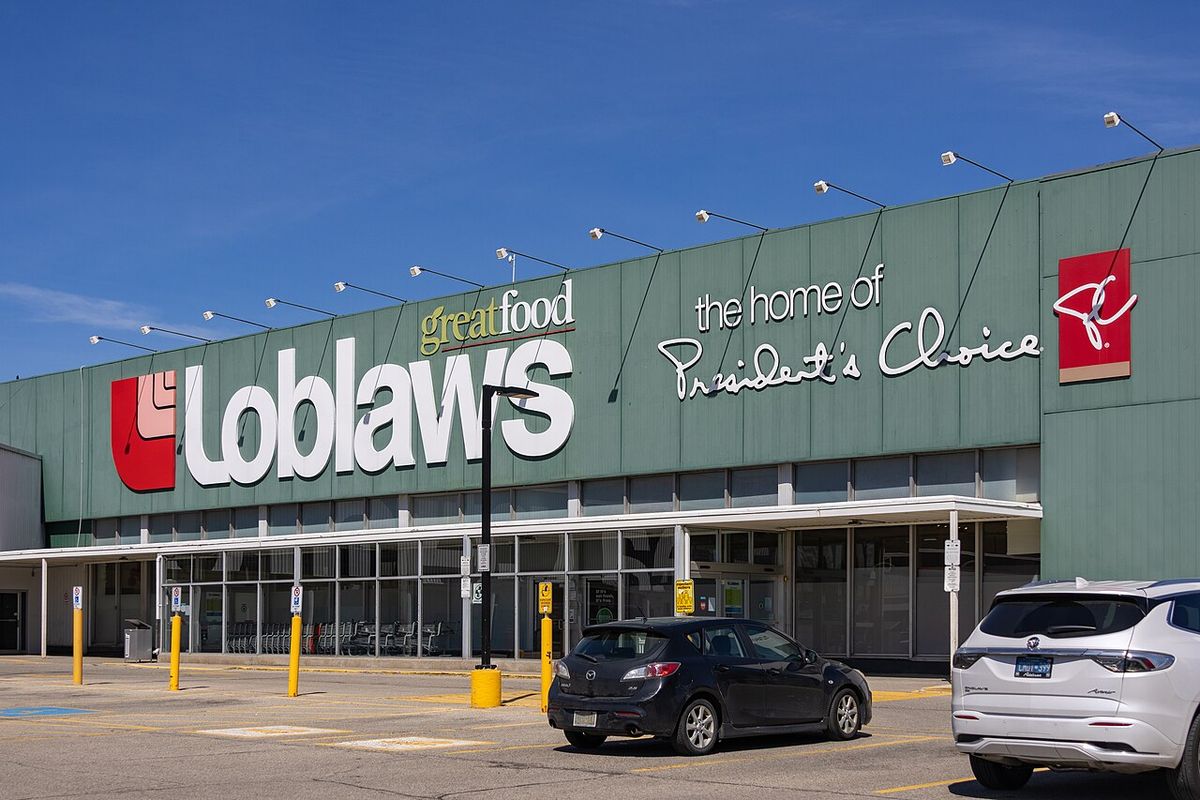
Canada's Wonderland was originally owned and operated by the Taft Broadcasting Company and the Great-West Life Assurance Company. During the 1980s and early 1990s, it was managed by the Kings Entertainment Company, which introduced cross-marketing initiatives like the "Wonder dollars" redeemable at the park through the Loblaws supermarket chain, with the coin featuring Wonder Mountain on one side and the Loblaws logo on the other. In 1993, Paramount Parks acquired full ownership, raising its stake from 20 percent, and renamed the park Paramount Canada's Wonderland, and after Viacom bought Paramount in 1994, a successful attempt was made to bring families back by attracting children with Nickelodeon cartoon characters familiar to a new generation. This era saw significant expansions, including the 1996 Splash Works expansion with The Black Hole, White Water Bay and The Pump House, the 1998 addition of KidZville for infants and children, and a 1999 Splash Works expansion adding The Plunge and Super Soaker raft rides, alongside the incorporation of Paramount film property references into attraction names and a film-merchandise store.
On 30 June 2006, Cedar Fair acquired the park from CBS Corporation as part of a larger purchase of Paramount's five theme park assets after CBS stated amusement parks did not fit its new strategy. By January 2007, the park reverted to its original name, Canada's Wonderland, and began a transition year to rename movie-themed rides since Cedar Fair did not hold the rights to Paramount film properties, with all Paramount logos removed by the start of the 2008 season. Cedar Fair introduced operational changes, including renaming the Halloween event from Fearfest to Halloween Haunt and Spooktacular to Camp Spooky in August 2007 to align with other Cedar Fair parks, and extending the regular operating season until the last weekend in October. Following the 2024 merger between Cedar Fair and Six Flags, ownership of Canada's Wonderland transferred to Six Flags, marking the latest chapter in the park's corporate history which began with its 1981 opening costing the equivalent of $398 million in 2025 dollars.
Attractions and Themed Areas
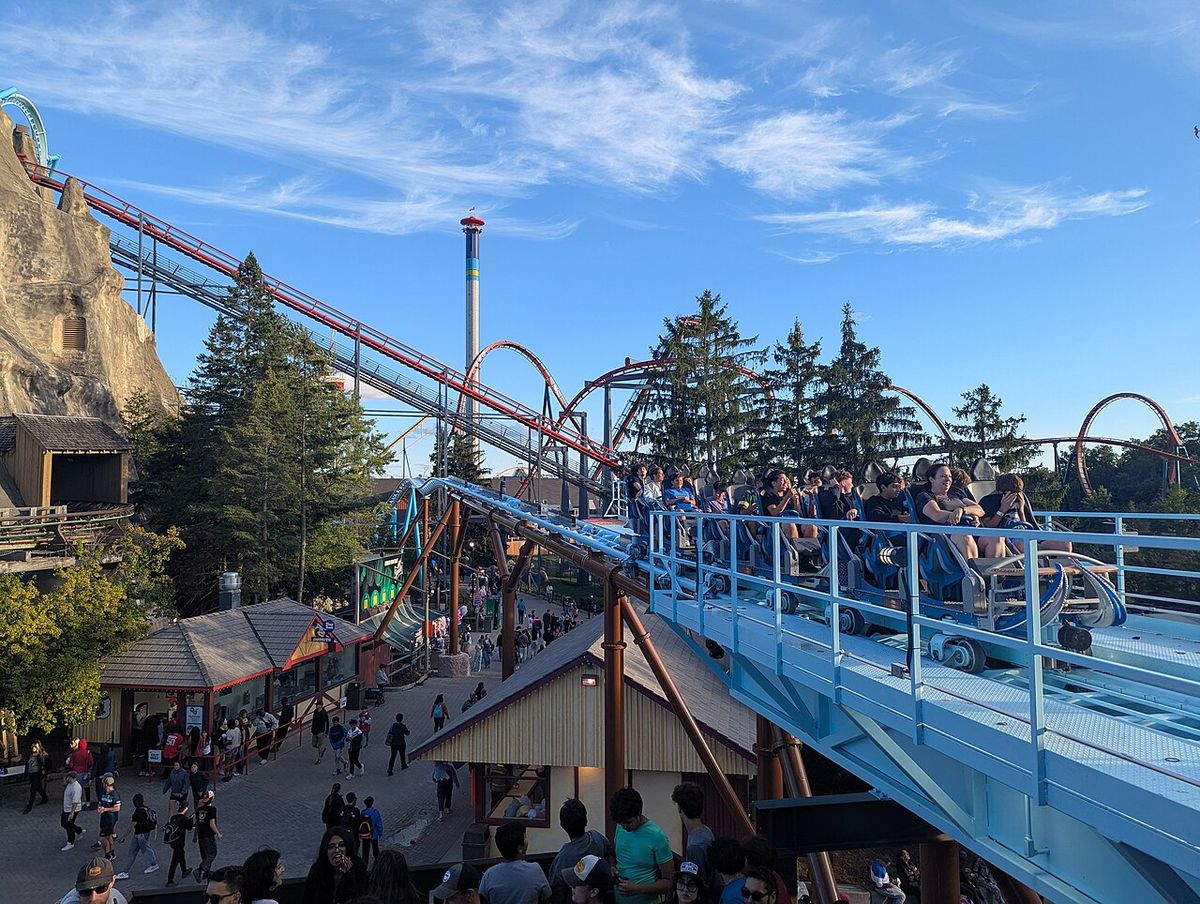
Canada's Wonderland is organized into several themed areas centred around the park's landmark, Wonder Mountain, which was designed as a massive mountain with a waterfall at the top of International Street to serve as a distinct Canadian centrepiece instead of an Eiffel Tower replica. The park's 68 attractions are distributed across these zones, offering a mix of family rides, thrill rides, and water-based entertainment, with a key feature being the collection of 18 roller coasters that ties it for the second-most coasters at any amusement park worldwide. The park also contains the only operational wooden roller coasters in Ontario following the 1992 closure of the Mighty Flyer at Toronto's Exhibition Place, and its 20-acre Splash Works water park is a major component featuring wave pools, water slides, and interactive play areas that has undergone multiple expansions since 1996. Notable dry park attractions have been added across different ownership eras, from the Kingswood Music Theatre amphitheatre built in 1983 that has hosted many concerts to modern thrill coasters like Leviathan, and the park's design early on decided against the Frontier Canada historical area concept though several original themes remain in what is now Splash Works, White Water Canyon, Action Theatre and southern Kidzville.
The park has consistently introduced new rides and areas, such as the Zoom Zone within KidZville in 2001 with Silver Streak, Blast Off and Jumpin' Jet, and the Action Zone area in 2002 which replaced the Exposition of 1890 and added the Psyclone ride. Under Cedar Fair, major additions included the 301-foot-tall WindSeeker tower swing ride in 2011, the Dinosaurs Alive walk-through exhibit in 2012, and interactive family rides like Flying Canoes and the Lumberjack thrill ride in 2018. The park has also added upcharge attractions like SlingShot in 2015 and virtual reality headsets to Thunder Run in 2016, developed with Mack Rides for an additional fee. Splash Works has seen continual upgrades, including the 2015 additions of Typhoon tube slides and Splash Station, the 2017 Muskoka Plunge speed slides, and the 2018 expansion of Splash Island into Lakeside Lagoon which doubled the pool size.
- Behemoth (2008): A Bolliger & Mabillard hypercoaster that was Canada's tallest and fastest coaster upon opening at 230 feet and 124 km/h.
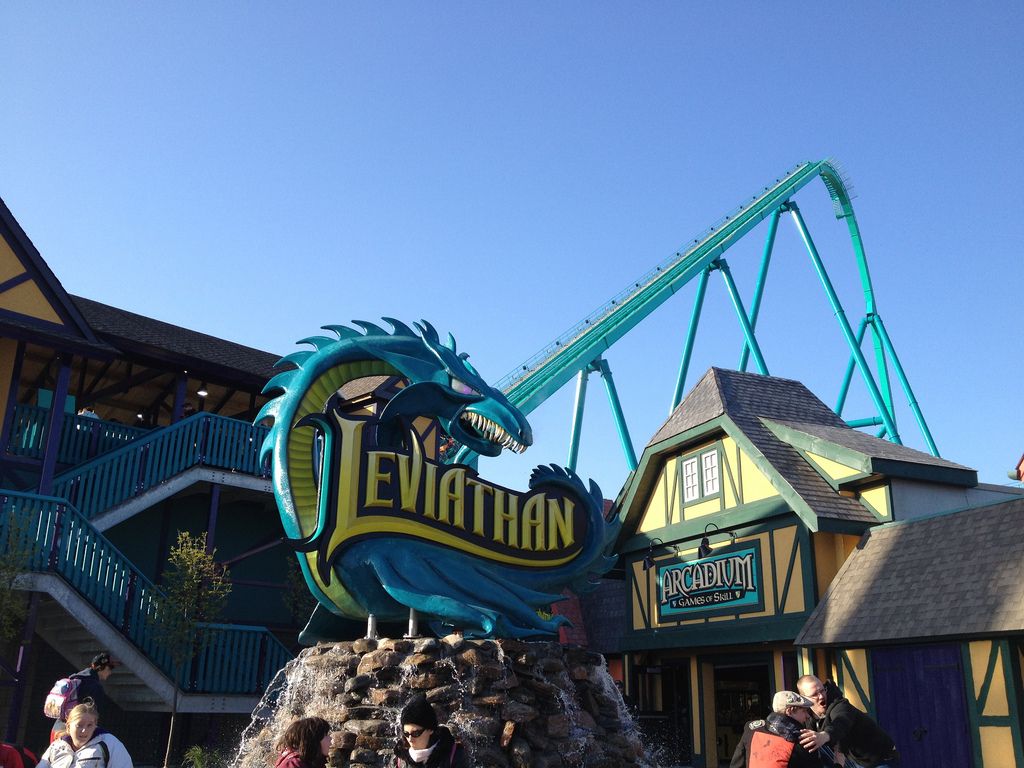
- Leviathan (2012): A B&M giga coaster that broke Behemoth's records, described as part of a 'roller coaster renaissance' to attract guests.
- Yukon Striker (2019): A B&M Dive Coaster featuring a 245-foot drop into an underwater tunnel, announced in August 2018.
- WindSeeker (2011): A 301-foot-tall tower swing ride that was the park's tallest until Leviathan opened.
- Wonder Mountain's Guardian (2014): A 4-D interactive dark ride/roller coaster inside Wonder Mountain with animations from Triotech.
- Planet Snoopy (2010): A family area rethemed from Hanna-Barbera and Nickelodeon areas to Peanuts, adding Lucy's Tugboat, Peanuts 500, and Snoopy's Revolution.
- Soaring Timbers (2017): A Mondial Inferno flat ride, the first of its kind in North America.
- Skyhawk & Flying Eagles (2016): Flat rides added including a Gerstlauer Sky Roller and Larson International Flying Scooters.
Seasonal Operations and Special Events
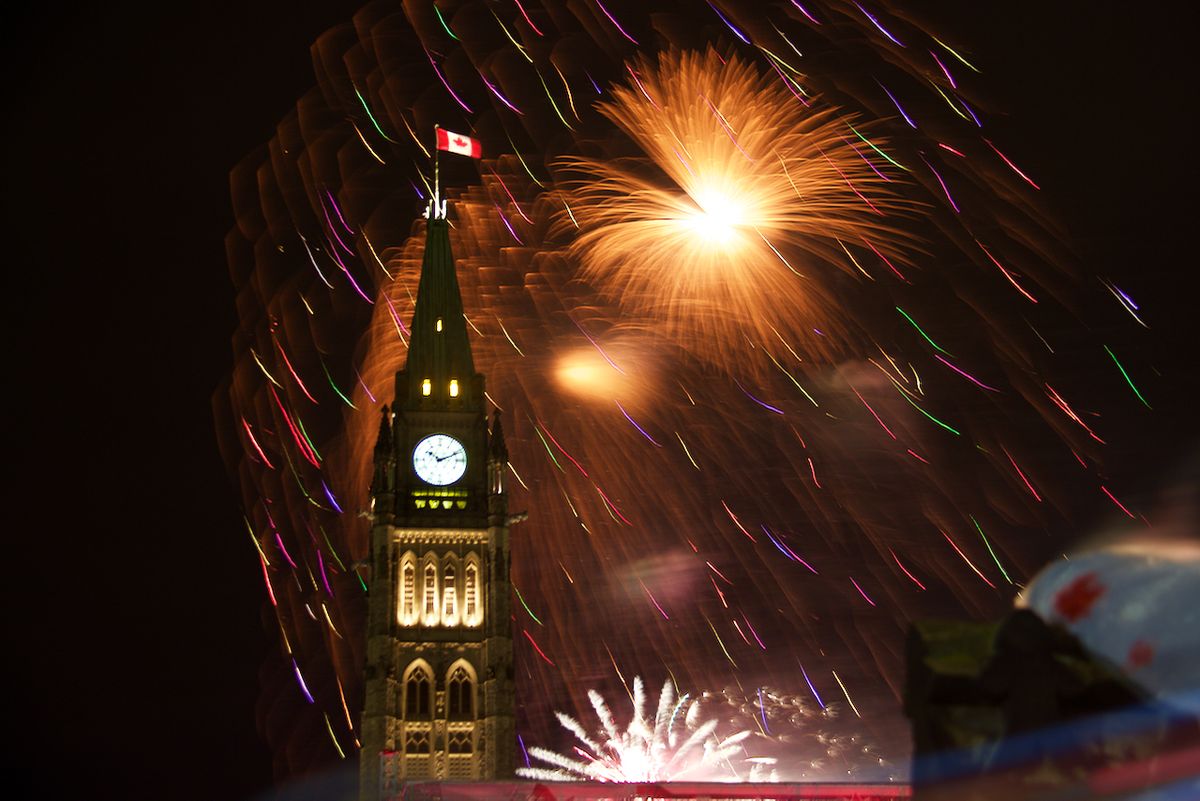
Canada's Wonderland operates on a seasonal schedule, typically from spring through the Labour Day weekend in early September, followed by select dates until early January, allowing it to host major special events that draw visitors beyond the traditional summer season. The most prominent of these are Halloween Haunt, a nighttime event with haunted houses and scare zones that originally launched as Fearfest in 2005 and runs on weekend evenings in October, and WinterFest, a holiday celebration with festive decorations, shows, and seasonal treats. The park also hosts Celebration Canada, a month-long festival around Canada Day featuring live entertainment and patriotic displays, and has featured other events like the Starlight Spectacular light and sound show in 2011 which cost approximately $1 million and used 300,000 LED lights. These events are crucial for extending the park's operational calendar and attracting diverse audiences, with Halloween Haunt including themed overlays on existing rides like the 'Haunted' Thunder Run with darker tunnels and strobe lights, while the family-friendly Camp Spooky offers daytime Halloween activities for children with rides and costume contests.
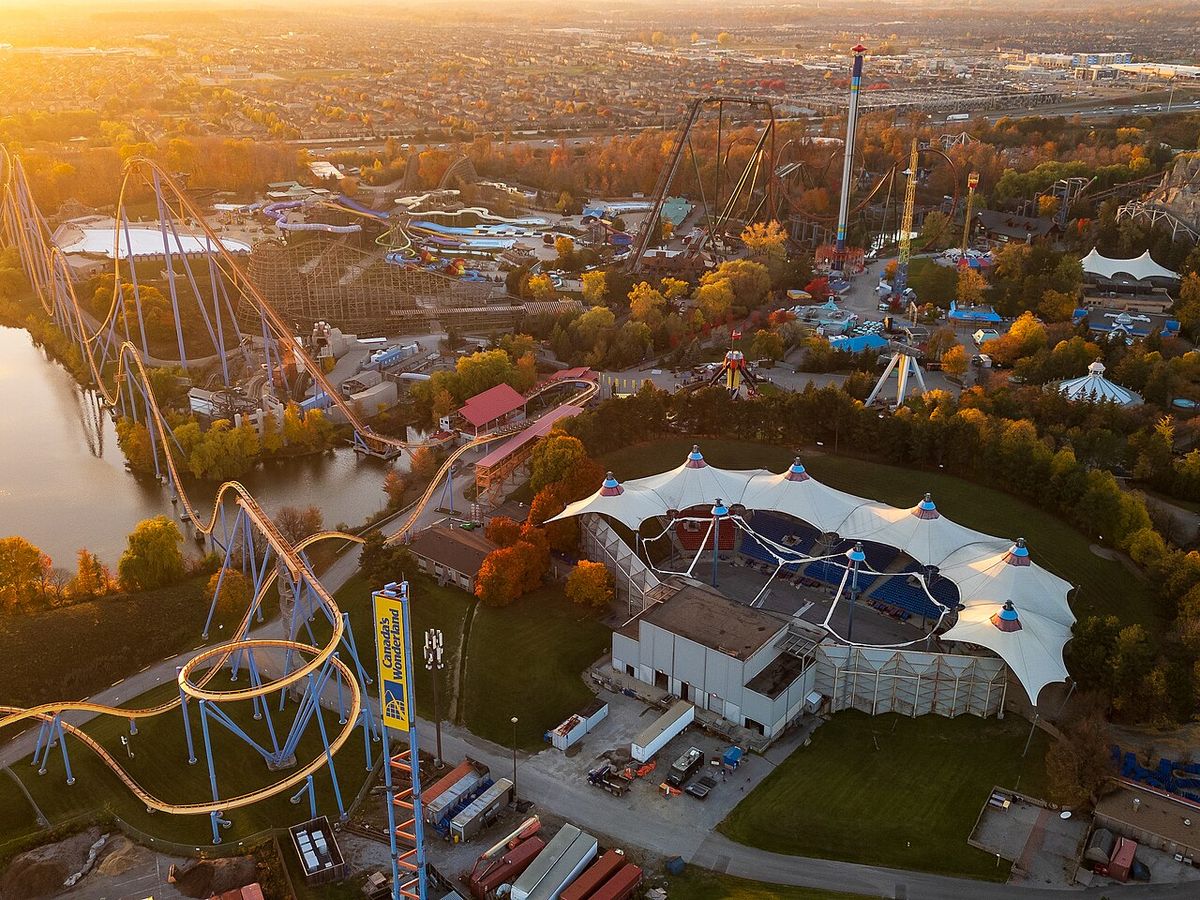
The park's event strategy has evolved under different owners, with Cedar Fair standardizing the Halloween event name to Halloween Haunt across its parks in 2007 and extending the regular operating season to late October. The introduction of WinterFest transformed the park into a winter destination, with International Street and Wonder Mountain serving as backdrops for light displays and seasonal performances. Special one-time events have also been held, such as the Run For Vaughan in partnership with the Ahmadiyya Muslim Youth Association in May 2012, featuring 1km, 5km and 10km runs to raise money for the Cortellucci Vaughan Hospital. The park's ability to host large-scale events is supported by venues like the 15,000-seat Kingswood Music Theatre, though cultural festivals there became less prominent after the RBC Amphitheatre opened at Ontario Place in 1995.
Safety, Security, and Notable Incidents
Like all major amusement parks, Canada's Wonderland has implemented extensive safety protocols for its rides and grounds, with incidents involving ride malfunctions investigated by Ontario's Technical Standards & Safety Authority. The park's security measures were notably enhanced following a fatal shooting at the front gates on Mother's Day, 11 May 2003, when the park was packed with people and two guests were involved in a fight that led to a shooting death which York Regional Police thought followed a prior dispute over a drug exchange. In response, the park added metal detectors at the main entrance and increased security presence, though these changes were part of a broader security evolution rather than a direct result of that single event. Another tragic incident occurred in October 2014 when a man was fatally stabbed during the Halloween Haunt event, highlighting the challenges of managing large crowds during nighttime special events.
The park maintains rigorous safety standards for its attractions, with regular inspections and maintenance, and has made operational decisions based on safety concerns such as the permanent closure of the interior pathways within Wonder Mountain. Ride removals have also occurred for operational reasons, such as the SkyRider coaster which closed after Labour Day 2014 and was relocated to Cavallino Matto in Italy as Freestyle in 2015. The park's commitment to safety is also reflected in its design concessions during construction, including the landscaped berm to reduce noise, and in its ongoing management of large attendances, which reached an estimated 3.8 million guests in 2022. These measures ensure that millions of guests can visit annually with confidence in the park's operational integrity despite the inherent risks of high-capacity amusement operations.
Economic and Community Impact
Canada's Wonderland has had a substantial economic impact on Vaughan and the Greater Toronto Area since its opening, acting as a major employer that provides thousands of seasonal jobs each year and serving as a catalyst for commercial and residential development. The park's construction directly led to provincial infrastructure improvements, including highway access and sewage systems, which paved the way for subsequent growth throughout the Vaughan region and represented a change to Ontario's master development plan which initially aimed to keep lands north of Toronto agricultural. The land north of Major Mackenzie Drive, once owned by the park, was later used for the site of the Cortellucci Vaughan Hospital, for which the park helped raise funds through events like the 2012 Run For Vaughan hosted with the Ahmadiyya Muslim Youth Association. Culturally, the park addressed early concerns about American cultural influence by incorporating Canadian themes and has become a staple of Ontario's recreational offerings, celebrating national holidays through events like Celebration Canada. The Kingswood Music Theatre has hosted countless concerts since 1983, contributing to the local music scene until larger venues like the RBC Amphitheatre opened in 1995. While it faced initial criticism from Toronto cultural institutions as a potential 'Trojan Horse' for American culture, the park has evolved into a destination that includes Canadian symbolism like the opening ceremony with water from Canada's regions and serves as a venue for community events like charity runs. Its cross-marketing with Canadian retailer Loblaws in the 1980s, issuing 'Wonder dollars' based on grocery purchases, further integrated it into the local economy and daily life.
Recent Developments and Future Direction
In recent years, Canada's Wonderland has continued to invest in new attractions and upgrades to maintain its competitive edge, with major additions including thrill rides like Yukon Striker in 2019 and family attractions like Flying Canoes and Lumberjack in 2018. The Splash Works water park has seen consistent expansions, such as the Muskoka Plunge complex in 2017 featuring four trap-door speed slides that replaced Body Blast, and the 2018 transformation of Splash Island into Lakeside Lagoon which doubled the pool size and added new water features and shaded seating. The park has also experimented with new technologies, adding virtual reality headsets to the Thunder Run coaster in 2016 for an additional upcharge fee in a system co-developed with German company Mack Rides, and has introduced various upcharge attractions like SlingShot in 2015 which catapults riders nearly 300 feet in the air. The most significant recent change is the 2024 merger of former owner Cedar Fair with Six Flags, placing Canada's Wonderland under the ownership of the combined Six Flags entity, which is expected to influence future strategic decisions though the park's core operations remain focused on the Canadian market. Long-term plans have included the potential development of a Hyatt House and Hyatt Place hotel on the property, as announced in 2018, which would further establish the site as a multi-day destination and represent the first on-site hotel. The park's ongoing commitment to adding new rides is demonstrated by its consistent annual announcements, such as Soaring Timbers in 2016 and Skyhawk in 2015, and by record-breaking investments like the Leviathan coaster which general manager Norm Pirtovshek said would help spread out visitors. The park's future direction will likely continue balancing major thrill coaster installations with family-friendly expansions and water park enhancements to appeal to its broad audience of 3.8 million annual visitors, while also handling its new position within the larger Six Flags corporate structure following the 2024 merger.
| Year | Major Addition | Type |
|---|---|---|
| 2008 | Behemoth | B&M Hypercoaster |
| 2011 | WindSeeker | Tower Swing Ride |
| 2012 | Leviathan | B&M Giga Coaster |
| 2014 | Wonder Mountain's Guardian | Interactive Dark Ride/Coaster |
| 2015 | Typhoon, Splash Station | Water Slides, Play Structure |
| 2016 | Skyhawk, Flying Eagles | Flat Rides |
| 2017 | Soaring Timbers, Muskoka Plunge | Flat Ride, Water Slides |
| 2018 | Flying Canoes, Lumberjack | Family Ride, Thrill Ride |
| 2019 | Yukon Striker | B&M Dive Coaster |
Questions about Canada's Wonderland
Who owns Canada's Wonderland?
Following the 2024 merger of Cedar Fair and Six Flags, Canada's Wonderland is under the ownership of Six Flags. The park was opened in 1981 by the Taft Broadcasting Company and the Great West Life Assurance Company. In 1993, part owner Paramount Parks acquired full ownership and renamed the park Paramount Canada's Wonderland. Paramount was dropped from the name in 2007, a season after Paramount Parks was acquired by Cedar Fair.
Does Canada's Wonderland have a water park?
Yes, the 330 acre park features a 20 acre water park named Splash Works. Splash Works has undergone multiple expansions, including in 1996 with a new water slide, a wave pool and a new child friendly water playground. In 1999, Splash Works expanded for the second time, with the addition of raft rides. In 2015, Splash Works opened two new attractions relocated from Ontario Place, Typhoon and Splash Station.
What are the major events at Canada's Wonderland?
Special events are held throughout the season, including Halloween Haunt, WinterFest, and various festivals such as Celebration Canada, a month long Canada Day festival. In 2005, the park introduced Fearfest, a Halloween event which was renamed Halloween Haunt. In 2006, the park introduced Spooktacular, a child oriented Halloween event later renamed Camp Spooky. The park also hosted the 2011 Starlight Spectacular light show for its 30th anniversary and the 2012 Run For Vaughan charity run.
Where is Canada's Wonderland located?
Canada's Wonderland is located in Vaughan, Ontario, a municipality within the Greater Toronto Area. The park was first proposed in 1972 for the then small village of Maple, part of Vaughan, directly north of Toronto. Several other Ontario locations were considered, including Niagara Falls, Cambridge, and Milton, but Maple was selected due to its proximity to Toronto and the 400 series highways. The park's construction required changes to Ontario's master development plan, as the province initially wanted to keep northern lands agricultural. Infrastructure improvements, including a highway overpass and sewage systems, were built to support the park, paving the way for increased regional development.
How many roller coasters does Canada's Wonderland have?
Canada's Wonderland features 18 roller coasters among its 68 attractions, which ties it for the second most roller coasters at any amusement park worldwide. The park has a history of introducing record breaking coasters, such as Behemoth in 2008 and Leviathan in 2012, which were successively the tallest and fastest in Canada. Since the closure of the Mighty Flyer at Toronto's Exhibition Place in 1992, Canada's Wonderland has been the only location in Ontario with operating wooden roller coasters. The park's collection is a central part of its identity and helps distinguish it within the theme park industry.
What is the best time to visit Canada's Wonderland?
The best time to visit depends on your interest in seasonal events, as Canada's Wonderland operates from spring through Labour Day and on select dates until early January. Special events are held throughout the season, including Halloween Haunt, WinterFest, and various festivals like the month long Celebration Canada for Canada Day. The regular operating season was extended to the last weekend in October, with Halloween Haunt running on late evenings during October weekends. This schedule offers visitors a range of experiences, from summer thrill rides to themed holiday celebrations across several months.
Sources and further reading
- Canada's Wonderland (Wikipedia)
- Six Flags Canada's Wonderland, Park Homepage (sixflags.com)
- Canada's Wonderland | Amusement Park & Roller Coasters (destinationtoronto.com)
- Visit Canada's Wonderland (destinationontario.com)
Checked by the Novello Desserts desk. Last updated 2026-10-20.